Growing very rare seeds
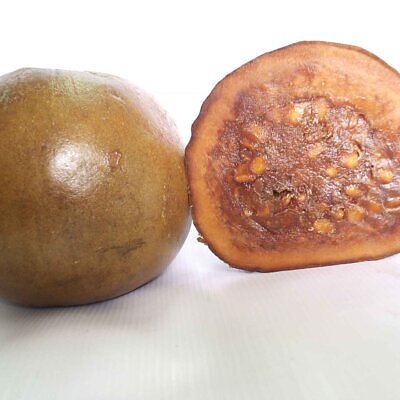
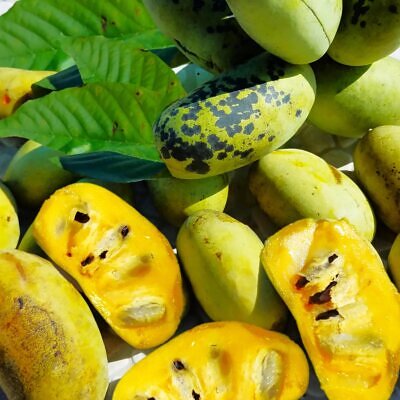
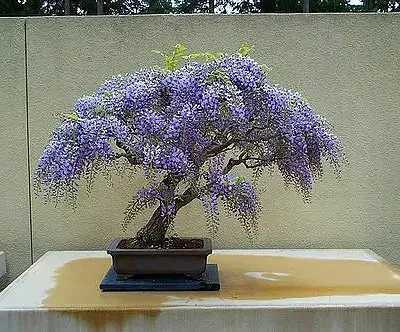
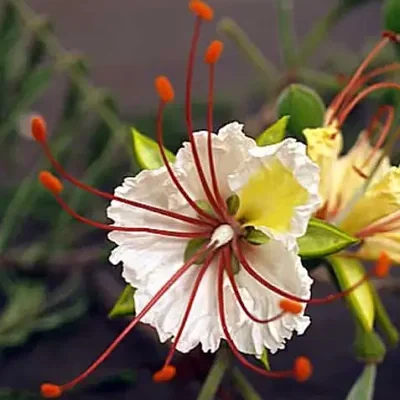
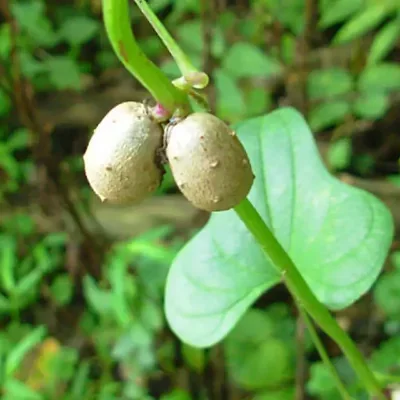
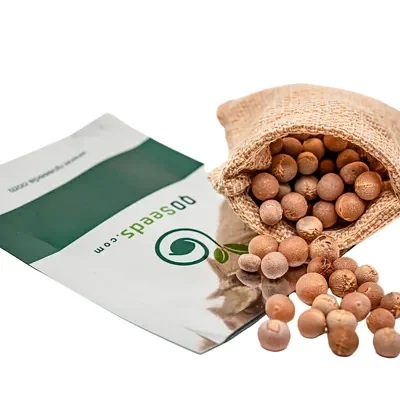
This collection brings together species that are seldom offered as seed anywhere: the Giant Sequoia (Sequoiadendron giganteum), the American Pawpaw (Asimina triloba), Borojó (Alibertia patinoi) from Colombia's Chocó rainforest, the Tree Wisteria (Bolusanthus speciosus), the Resurrection Lily (Xerophyta retinervis) and rare passionfruits such as Passiflora popenovii.
Rare seeds behave differently from vegetable seeds. Many are wild-collected and keep their natural dormancy, so germination is often slower and less even. Temperate species such as the Giant Sequoia and the Pawpaw need weeks to months of cold, moist stratification. Tropical species such as Borojó want fresh seed and steady warmth of 25–30 °C. Every product page has its own germination guide with temperatures, pre-treatment and expected timing, and every lot is stored in our climate-controlled seed room in Porto and traced by lot number.
If you are new to rare seeds, start with one or two species rated "Easy" or "Moderate" in their guide before moving on to the slow, demanding ones.
Frequently asked questions
Why do rare seeds take longer to germinate?
Most are close to their wild form, with dormancy that protects them in nature. Following the pre-treatment in each guide (scarification, soaking or stratification) is what makes germination reliable.
Can I grow tropical rare species in Europe?
Yes, in a greenhouse, conservatory or bright room that stays above the minimum temperature given in the product's guide. Hardy species such as the Giant Sequoia and the Pawpaw grow outdoors in most of Europe.
How should I store rare seeds before sowing?
Keep them sealed in a cool, dark, dry place and sow as soon as you can. Some species, marked "sow on arrival", lose viability within weeks.
Learn more: Choosing seeds for your level