Description
Dioscorea oppositifolia is a type of yam (Dioscorea) native to Myanmar (Burma) and to the Indian Subcontinent (India, Sri Lanka, Bangladesh).
The plant previously called D. opposita is now considered to be the same species as D. oppositifolia. However Dioscorea polystachya is often incorrectly called Dioscorea opposita as well. Botanical works that point out that error may list, e.g., Dioscorea opposita auct. non Thunb. as a synonym of D. polystachya.
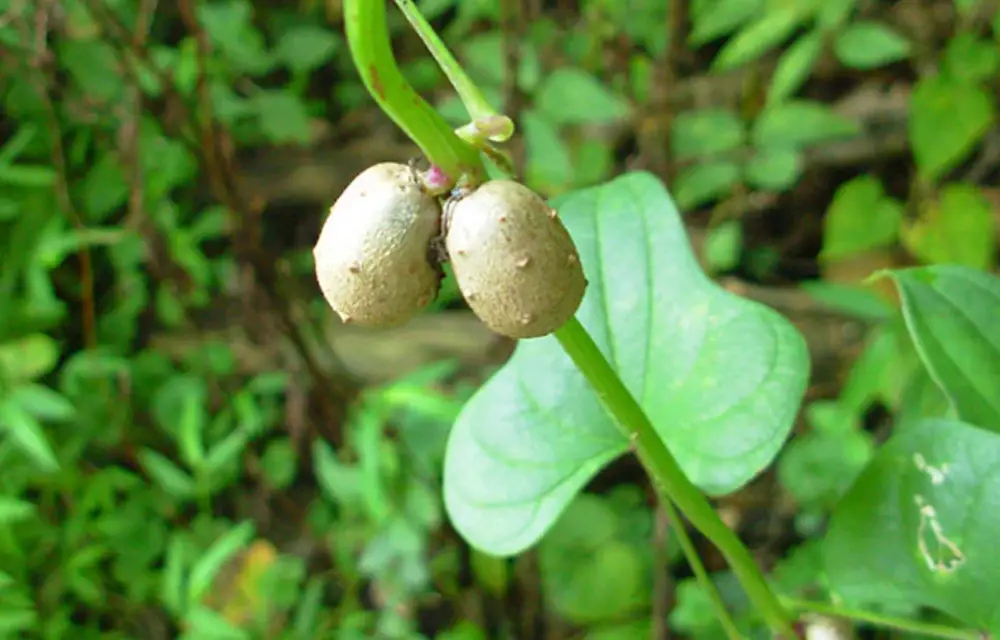
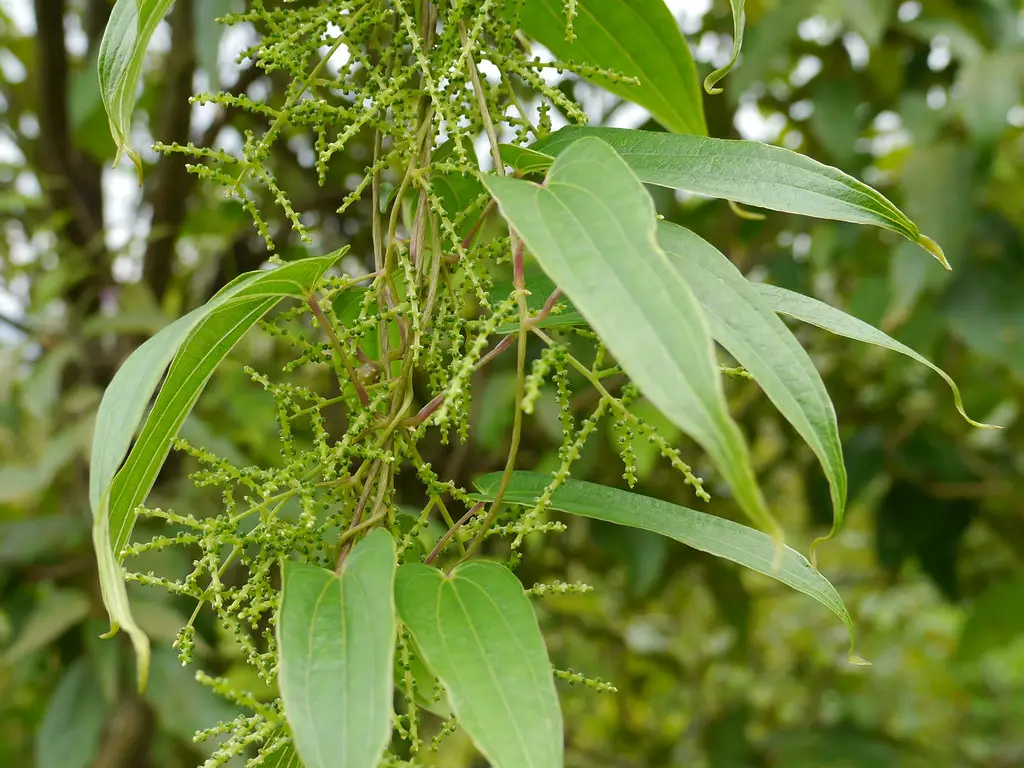
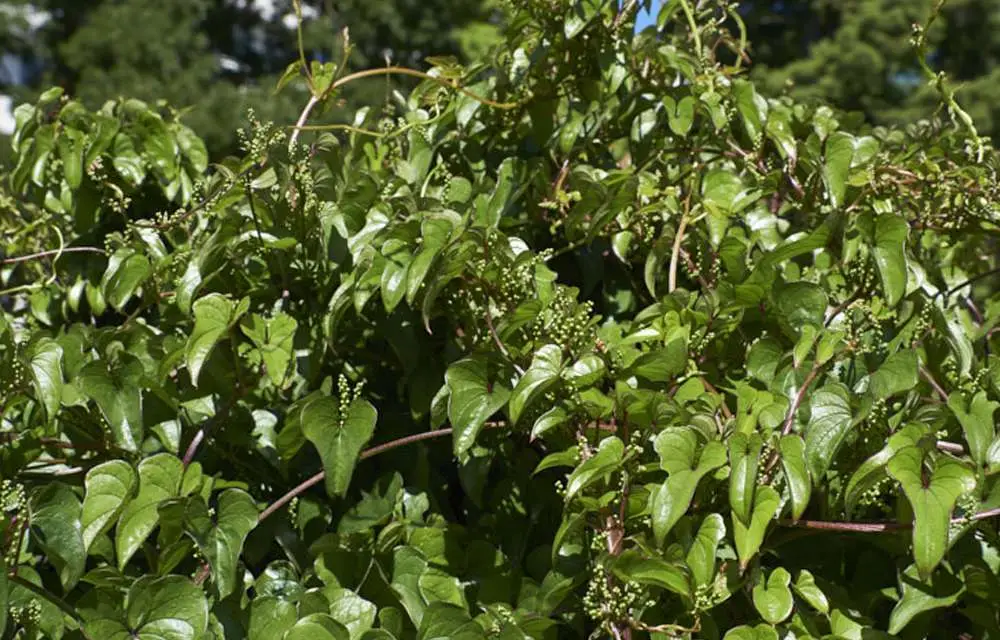
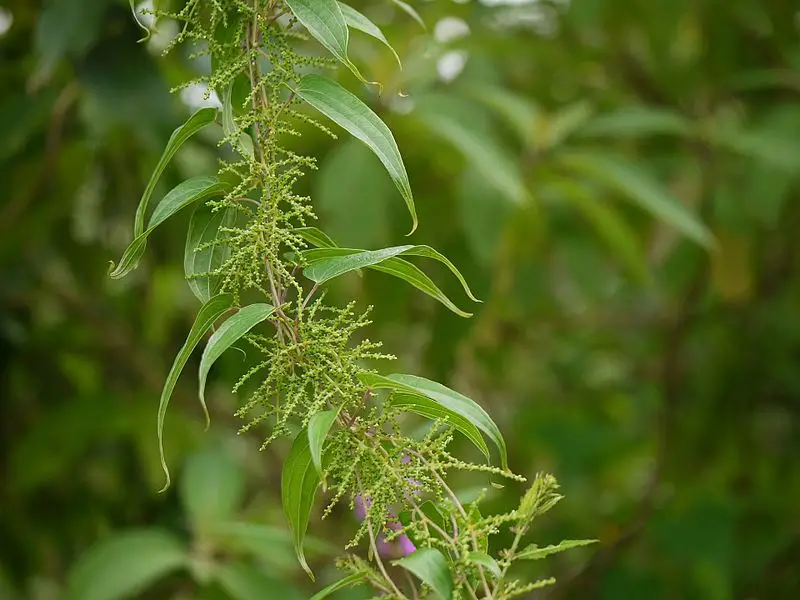
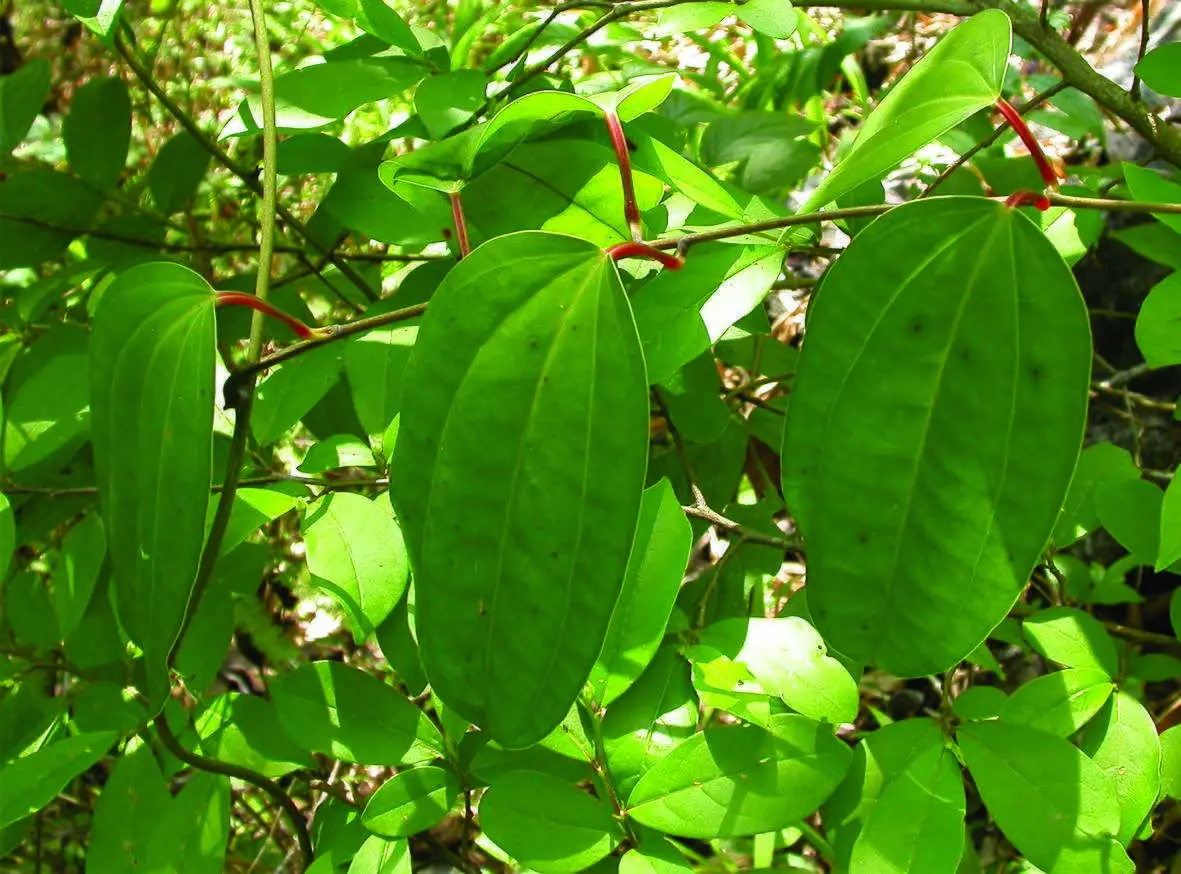
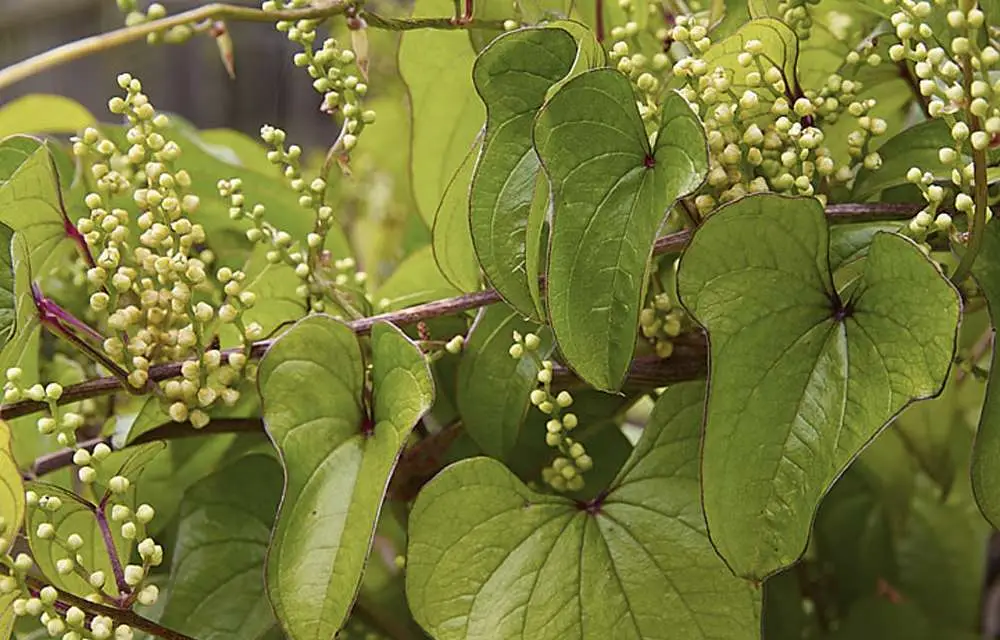
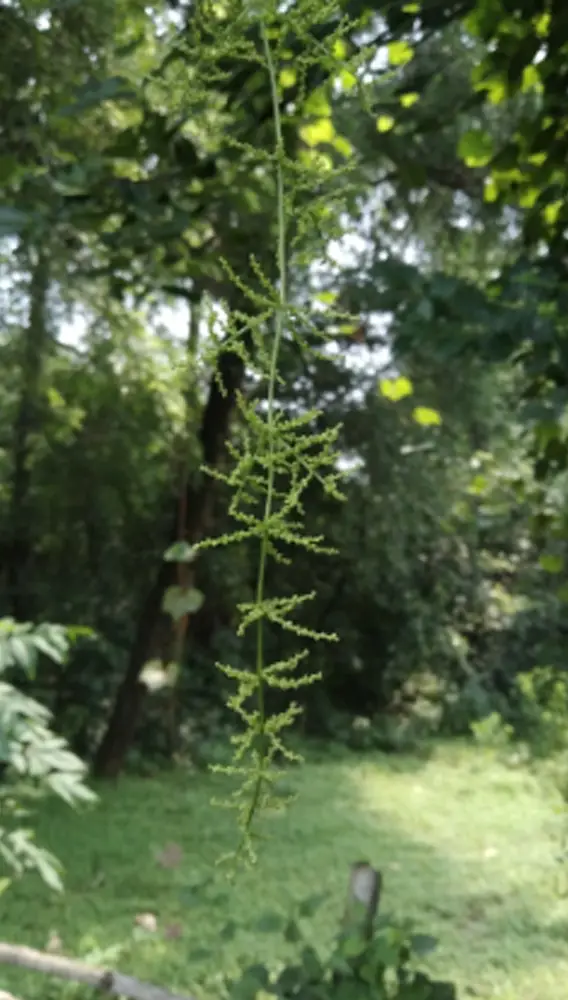
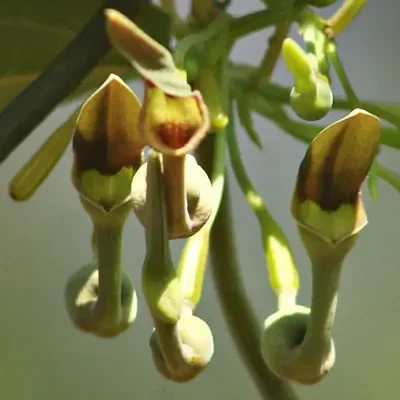
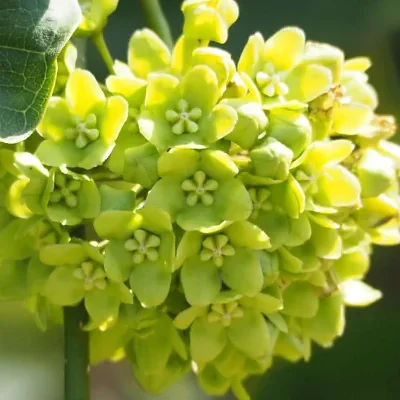
Cinnamon Vine is a deciduous perennial creeping and climbing vine, that may reach up to 16 feet in height given support from trees and shrubs. Although it is native to India, it is mistakenly called Chinese Yam. The vines twine from left to right. The leaves are pointed to long-pointed with a heart-shaped base. Leaves can be alternate or opposite in arrangement on the stem. Typically, leaves are 1.5-3 inches long and up to 1.5 inches wide with 7-9 veins. The margins, leaf-stalk and stems are purplish to red in color. The small yellowish-white flowers arise from the axils of the leaves. The flowers are bell-shaped and the male flowers are in bundles, spikes or panicles at the end of the branches. Flowers may have a spicy fragrance similar to cinnamon. Arrangement may be paniculate or spicate. Bulbils or small aerial tubers are produced in the axils of the leaves.
Germination Guide
🌍 Indian Subcontinent (India, Sri Lanka, Bangladesh), Myanmar
Moderate
Dioscorea oppositifolia is a climbing tuberous geophyte from Indo-Malayan regions with distinct germination requirements involving cold stratification to break physiological dormancy.
Germination
Germination time
Expect germination in
14 – 21 days
Temperature
Min 15°C
Ideal 20°C
Max 25°C
🌡️ Temperature alternation recommended
— Alternating temperatures 20/10°C or 15/6°C improve germination after cold stratification
Light
🌑 Darkness required
Substrate moisture
💧💧 High
Substrate & Container
Recommended substrate
Cactus soil mix: 1/3 garden soil, 1/3 sand, 1/3 perlite with good drainage
Recommended container
Container with plastic cover for humidity retention
Growing Tips
Maintain consistent soil moisture and avoid direct sunlight on young seedlings. After germination, protect from direct sun exposure. Ventilate daily for 20 minutes to prevent fungal issues.
Only logged in customers who have purchased this product may leave a review.

Reviews
There are no reviews yet.