Description
Dioscorea pentaphylla is a species of flowering plant in the yam family known by the common name fiveleaf yam. It is native to southern and eastern Asia (China, India, Indochina, Indonesia, Philippines, etc.) as well as New Guinea and northern Australia. It is widely cultivated as a food crop and naturalized in Cuba and on several island chains in the Pacific (including Hawaii).
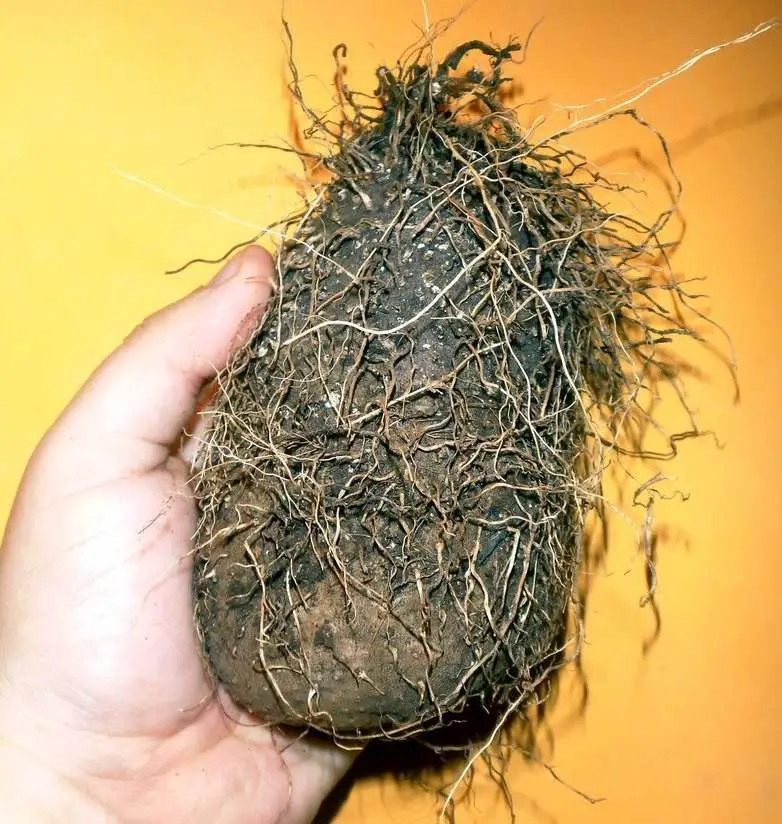
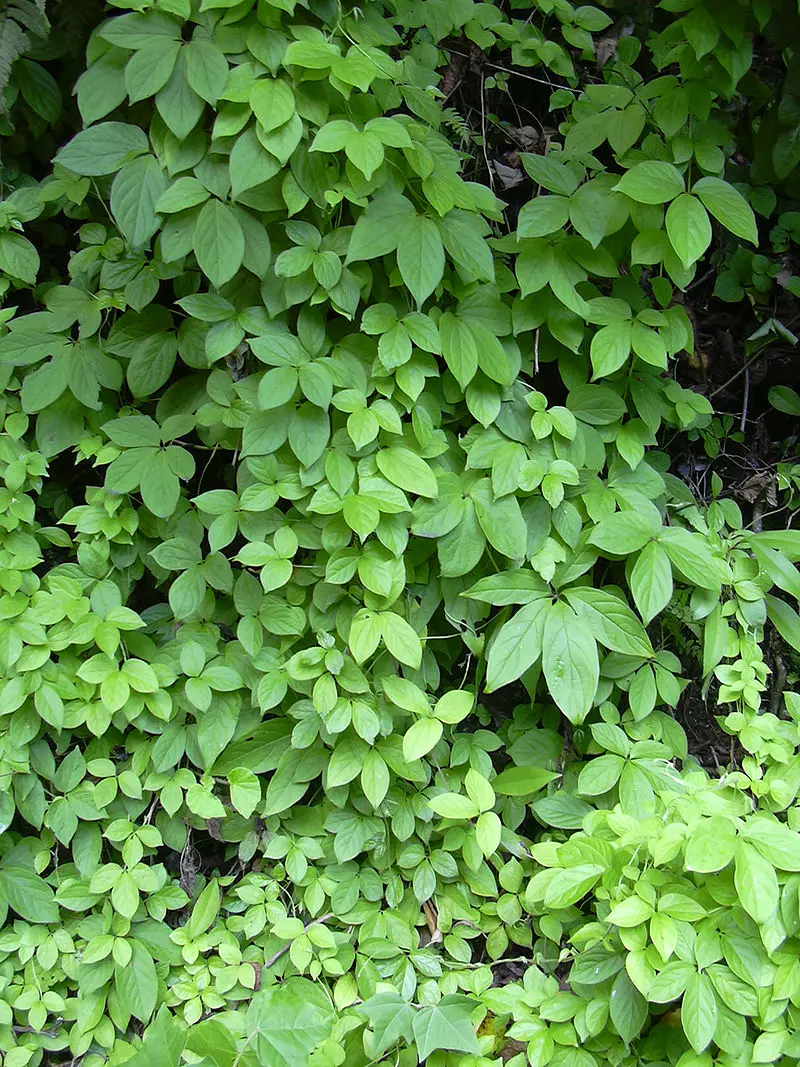
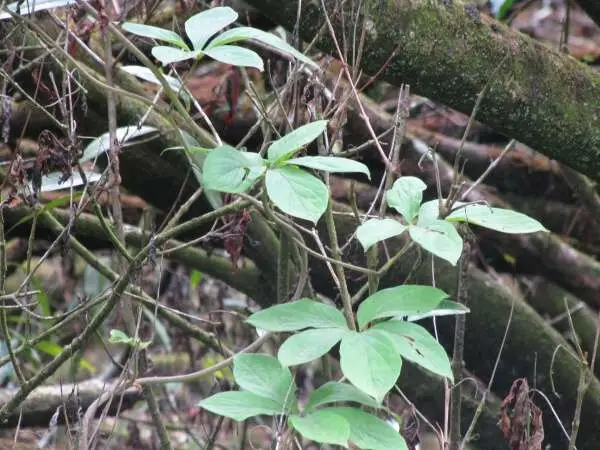
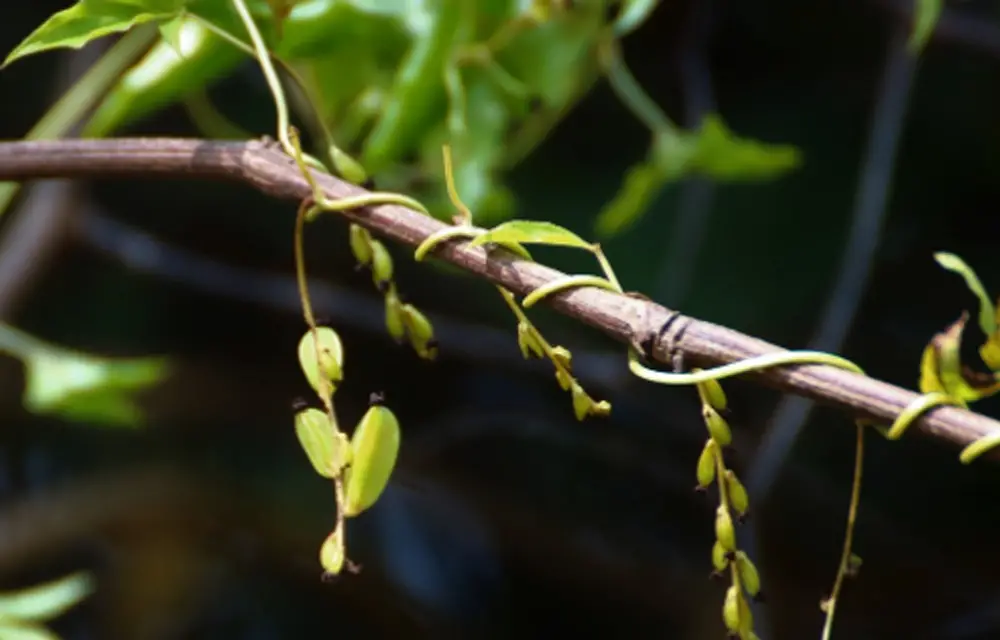
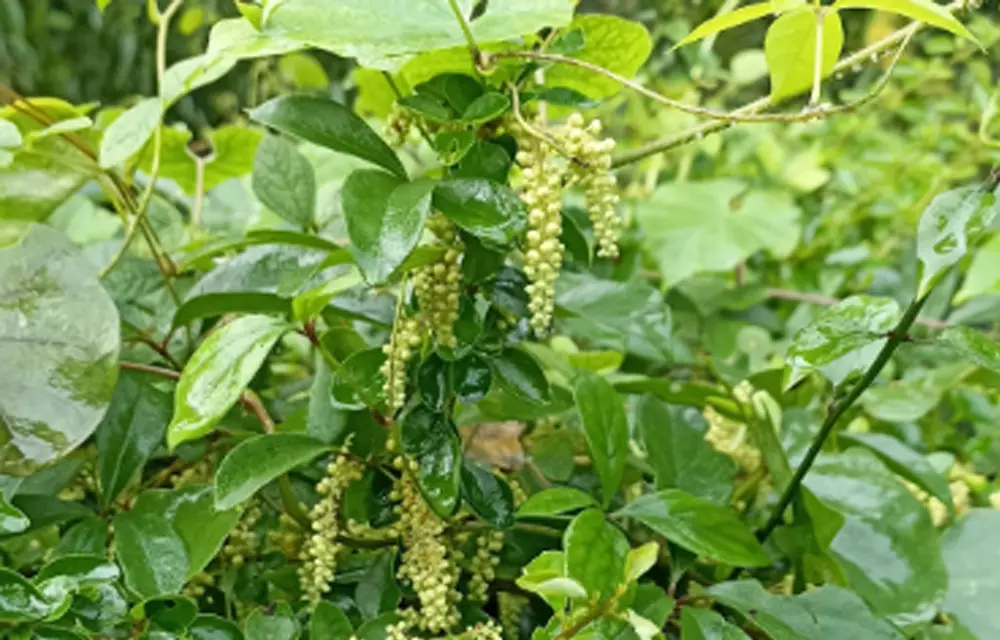
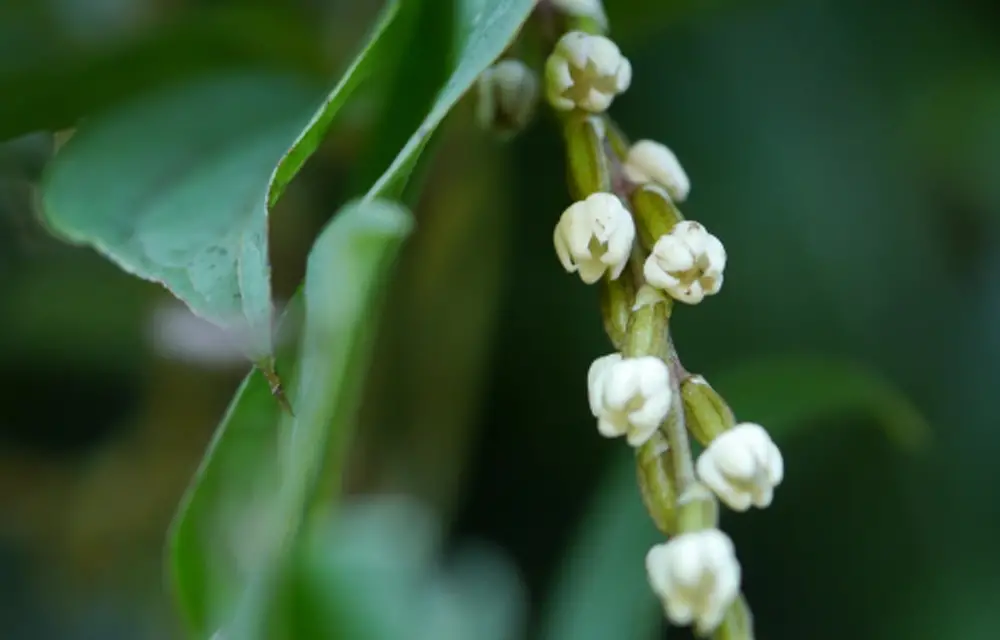
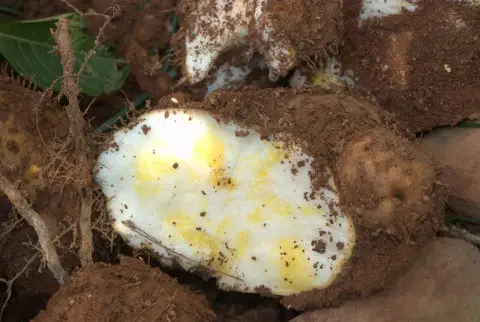
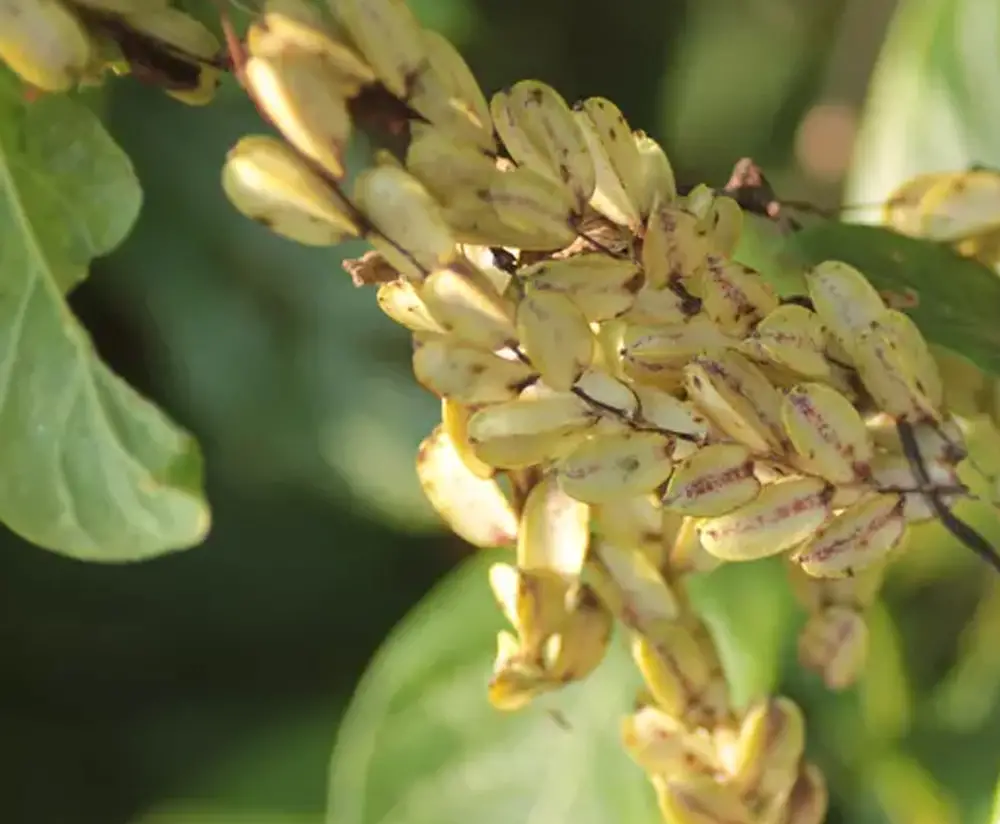
Dioscorea pentaphylla is a prickly vine that twines counterclockwise around objects and other plants. It may reach 10 meters in length. The alternately arranged leaves are compound, divided into 3 to 5 leaflets each up to 10 centimeters long. The plant produces horseshoe-shaped bulbils about a centimeter long. New plants can sprout from the bulbils. Flowers are borne in spikes. The vine grows from a tuber. Specimens may weigh 3 pounds and may be located over a meter underground.
The tubers of the vine can be cooked and eaten.
Germination Guide
🌍 Asia (India, China, Southeast Asia)
Moderate
Dioscorea pentaphylla is a tropical yam species cultivated for edible tuberous roots and traditional medicinal uses in Asia
Germination
Germination time
Expect germination in
14 – 21 days
Temperature
Min 20°C
Ideal 20°C
Max 25°C
Substrate moisture
💧💧 High
Seed Pre-treatment
-
💧
Soaking — 24 hours
Water soaking to soften outer seed coat
-
❄️
Cold stratification — 14 days at 5°C
-
📋
Additional notes
Dioscorea seeds are dormant when harvested; dormancy broken by after-ripening or cold stratification
Substrate & Container
Recommended substrate
Well-draining soil mix, warm and humid environment
Recommended container
Shallow seed pans with good drainage
Growing Tips
Propagation primarily by tuber division; seed propagation less common. Keep substrate consistently moist during germination. Protect seedlings from direct sunlight.
Only logged in customers who have purchased this product may leave a review.


Reviews
There are no reviews yet.