
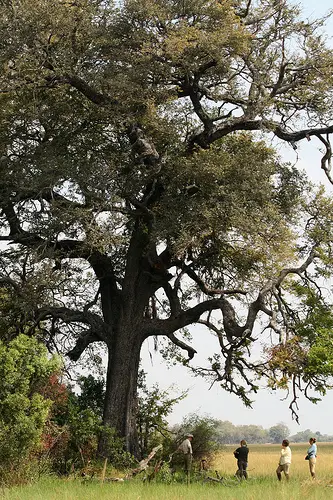
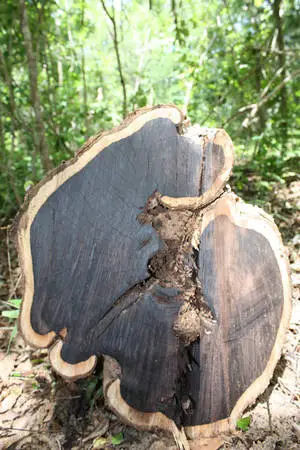
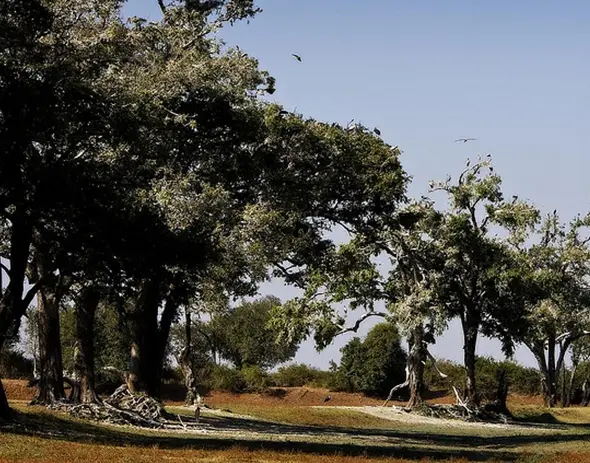
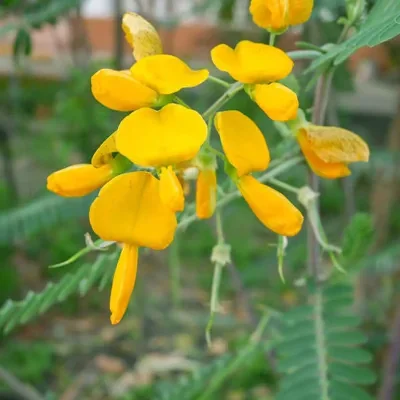
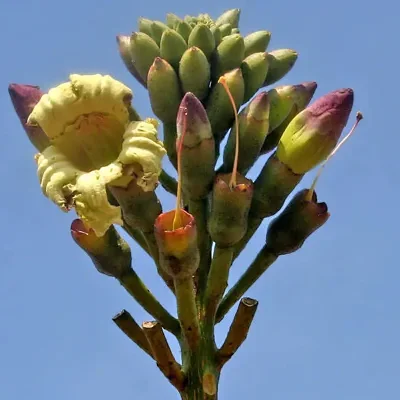
Botanical nomenclature: dalbergia melanoxylon
Common name: African ebony, mpingo, african blackwood
Family: fabaceae
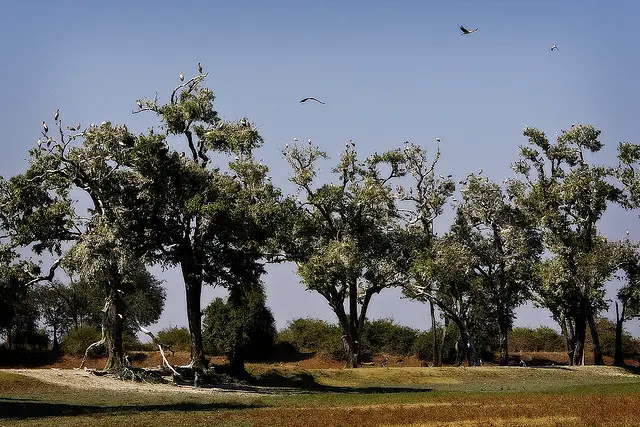
Origin: south africa – tanzania, mozambique
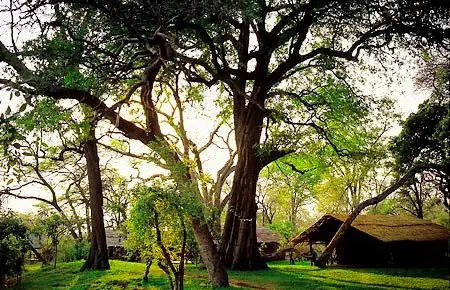
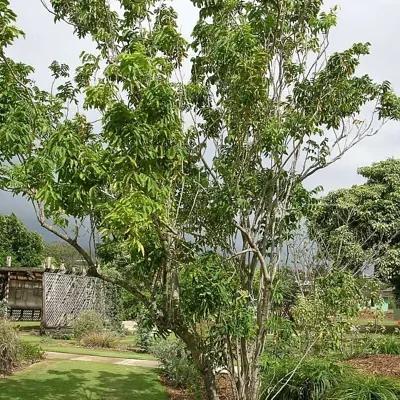
Height: between 4 and 15 meters in height
Brightness: full sun
Mpingo is the national tree of Tanzania.
Exquisite and highly valued, of uncommon beauty and exceptional durability. A rarity today in the world market.
Because of its overuse, the tree is now commercially extinct in Kenya and in some areas of Tanzania. If the use is still present and there are no attempts to recover the species with its replanting, the geographic areas that are practically devoid of the species today will increase; thus negatively affecting the entire ecosystem of East Africa, as well as numerous trading companies around the world.
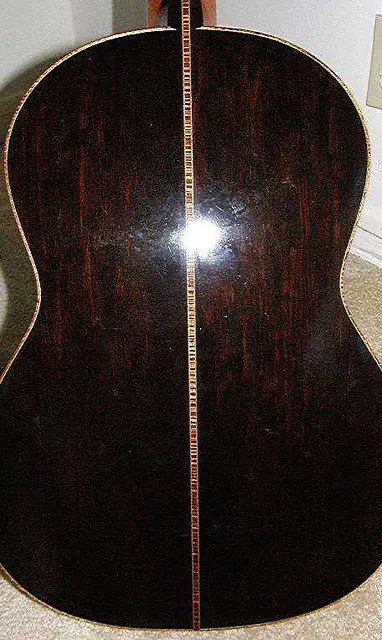
It nourishes and fertilizes the soil, inhibits global warming, used in medicine, and more, African Ebony is also the tree from which flutes, oboes, clarinets and bagpipes are made.
It is a commercially endangered species that grows almost exclusively in Tanzania and Mozambique. Ongoing conservation efforts are simultaneously helping to eradicate poverty by preserving this vital wood for the music industry.
Mpingo can be grown on agricultural land, providing shade for crops intolerant of prolonged sunlight, aiding in soil stabilization and the addition of nitrogen-fixing nutrients.
Smallholders in Florida have been successful in growing the species and at more sustainable rates, achieving excellent yields on larger and taller trees by planting in soil richer in nutrients.
The species is highly focused on the luxury market in the manufacture of furniture, sculptures, and other objects providing enormous visual appeal, as well as in the music market, where it is called the music tree
.
*** by sebastian chuwa (botanist from tanzania who has been performing a brilliant work on the recovery of the species): the intense focus on environmental issues, not only the young but whole communities are becoming more knowledgeable of the role that humans have played environmental destruction and are learning ways to repair past abuses and foster the wise use of conservation practice.
African blackwood is one of nature’s most exquisite treasures, by Alexander Howard (author of World Woods)
Only logged in customers who have purchased this product may leave a review.
Reviews
There are no reviews yet.