Description
Leucospermum conocarpodendron seeds can benefit from Seed Smoke Primer, which is also available in our shop. Make sure to take a look!
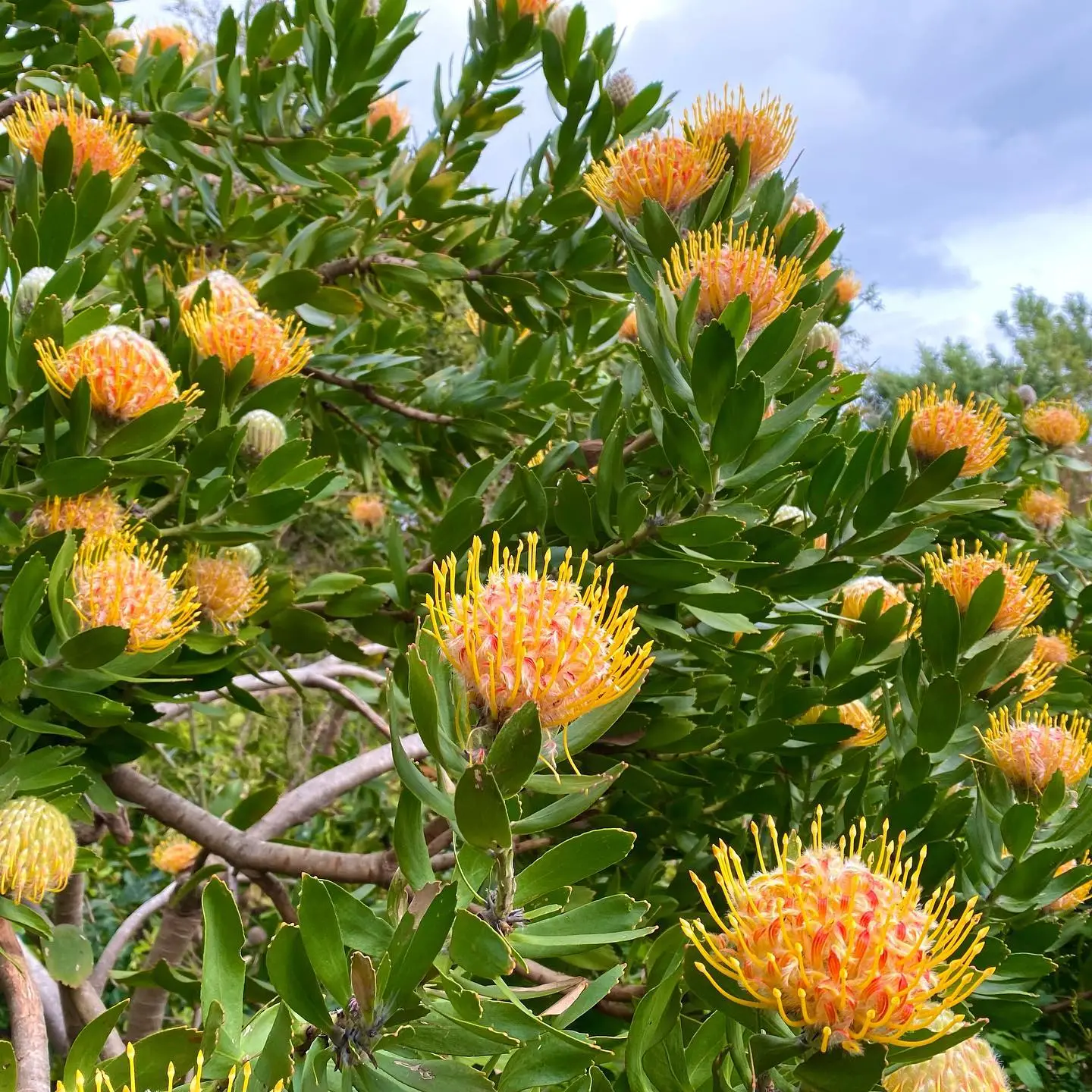
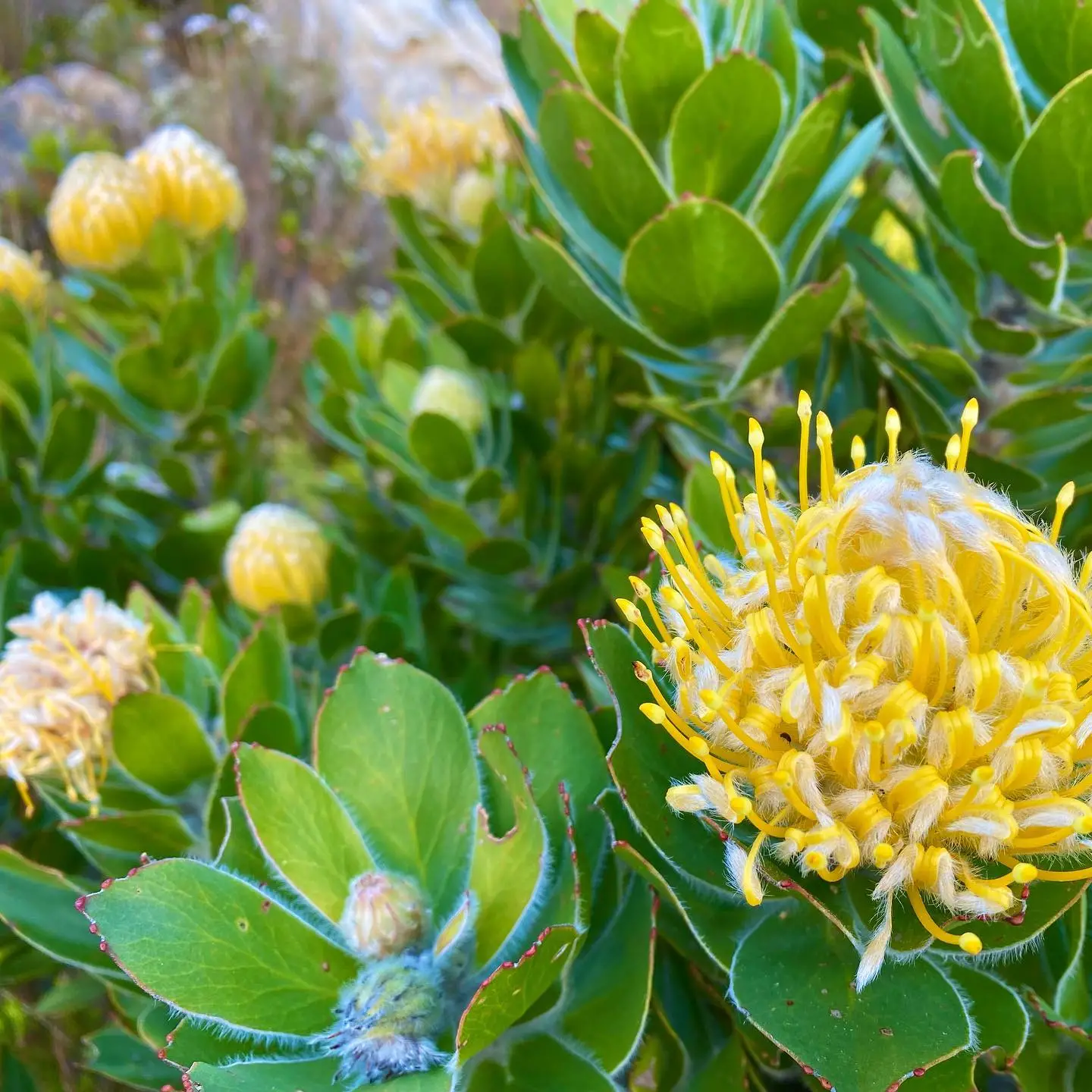
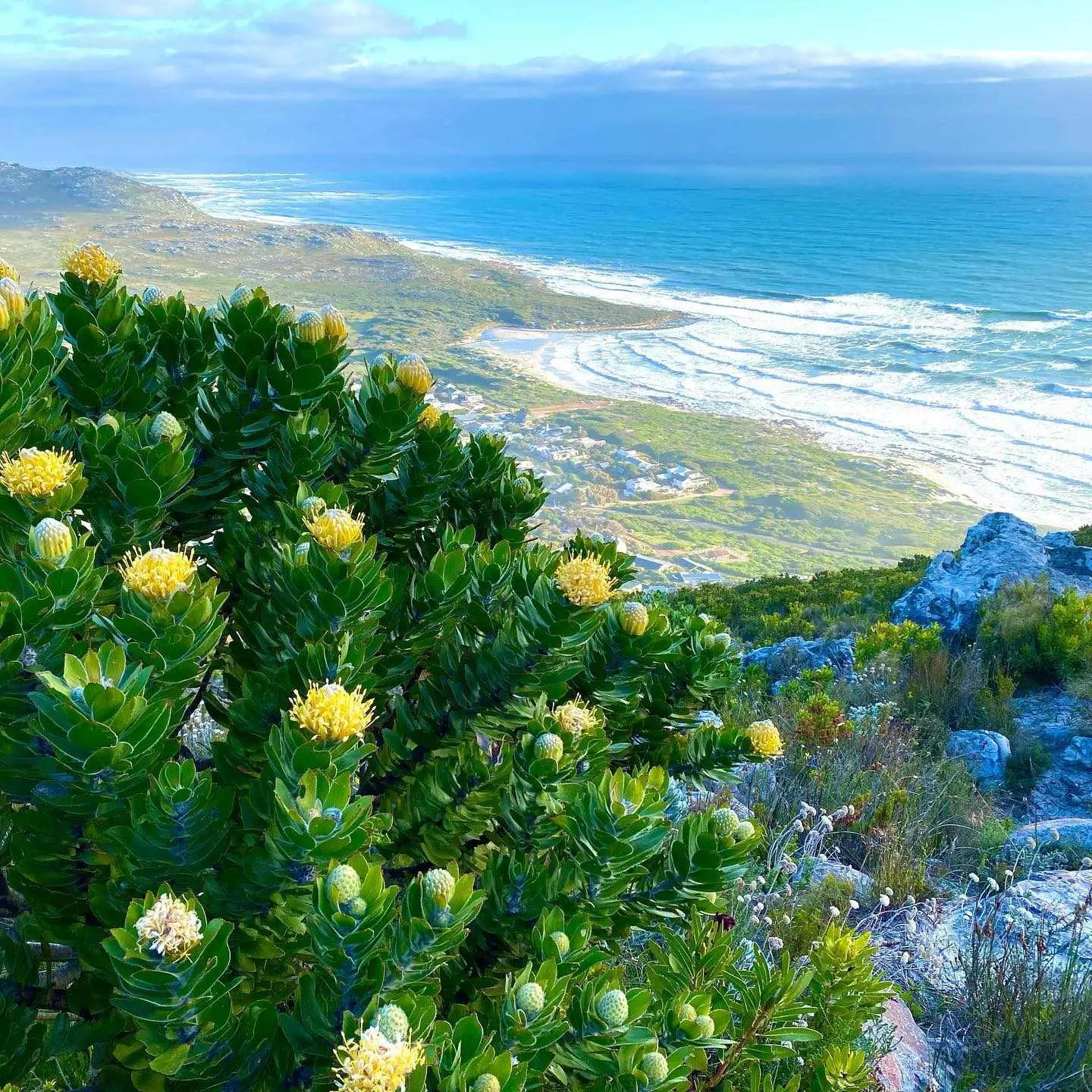
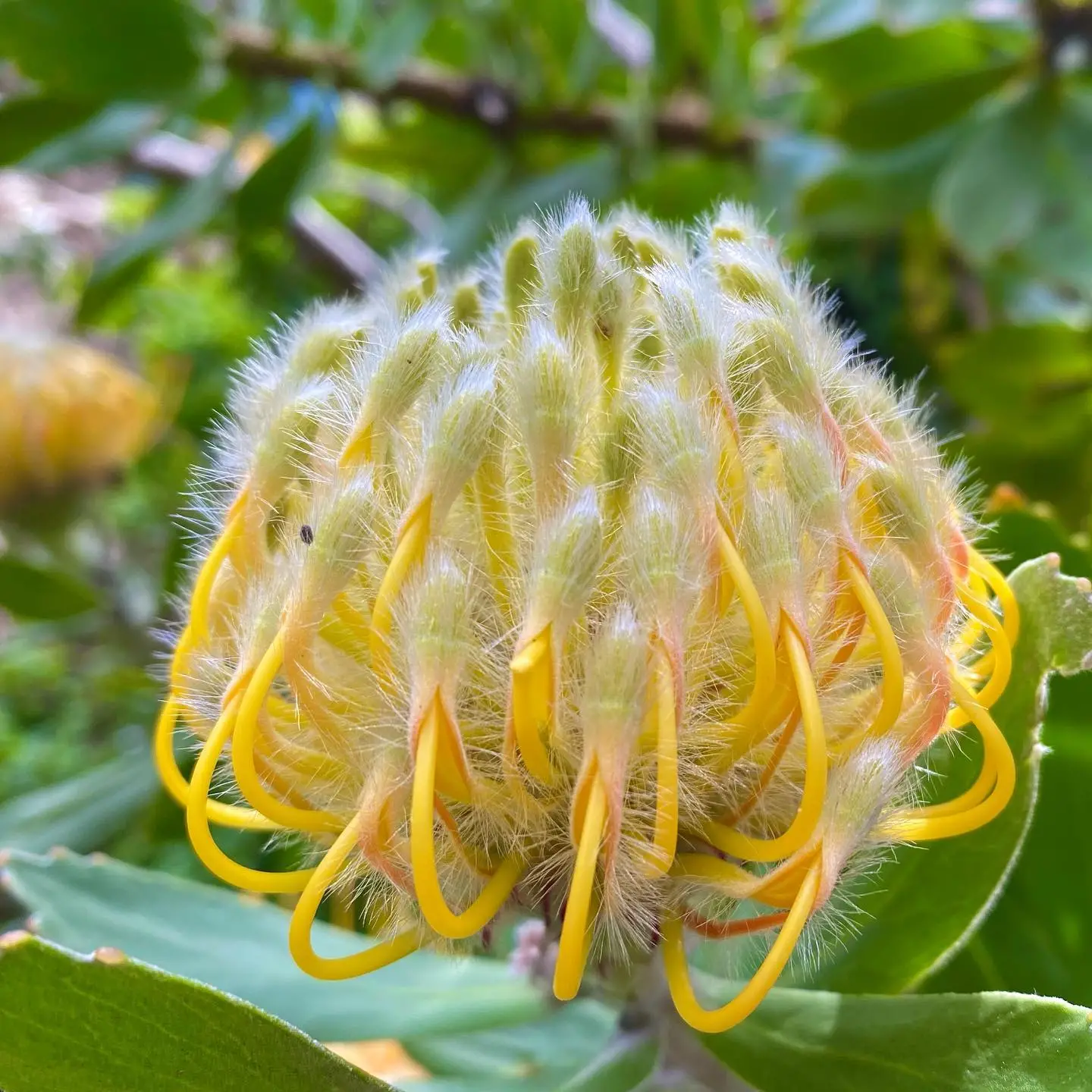
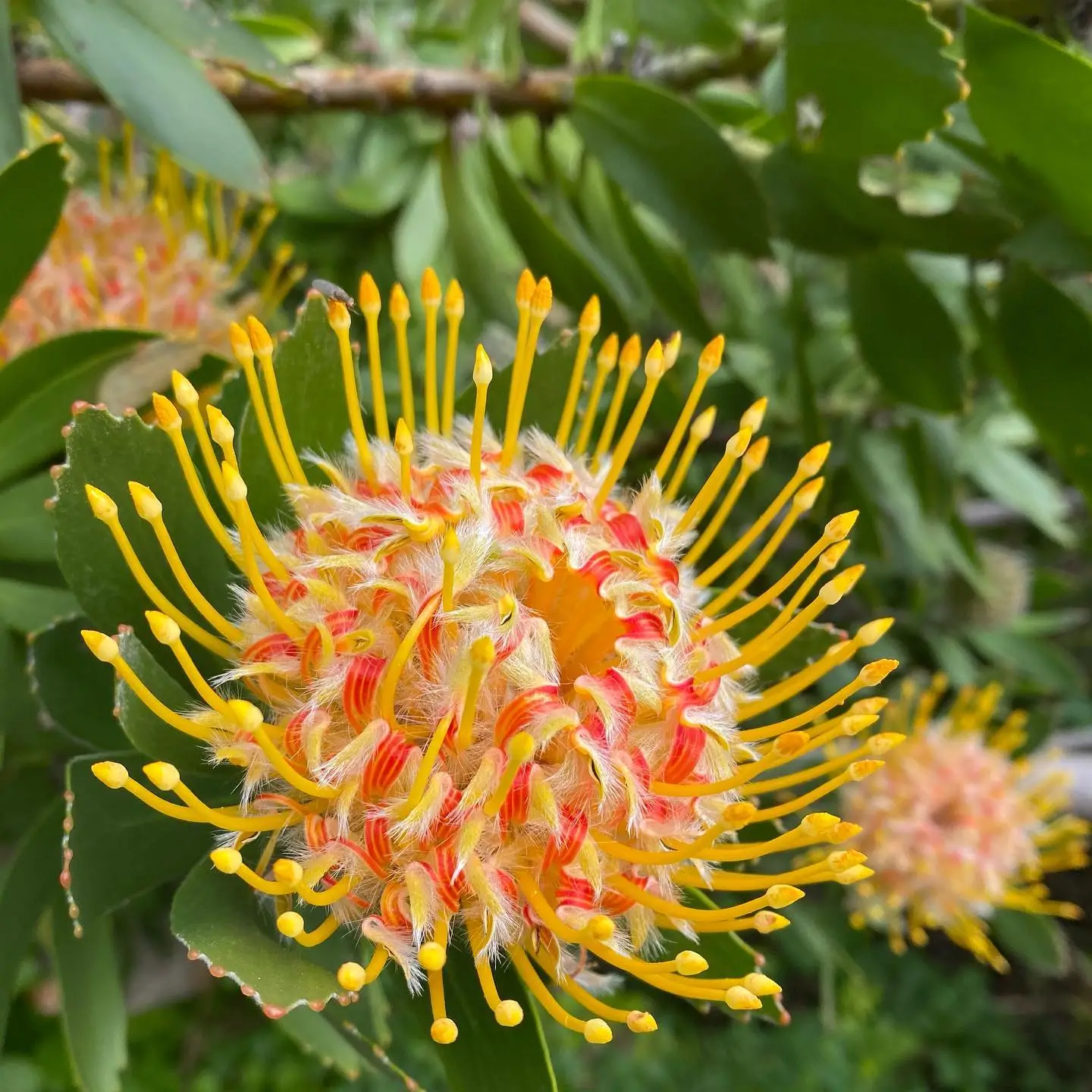
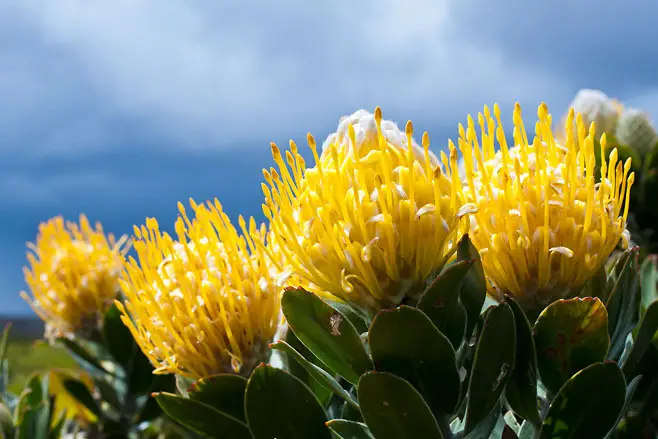
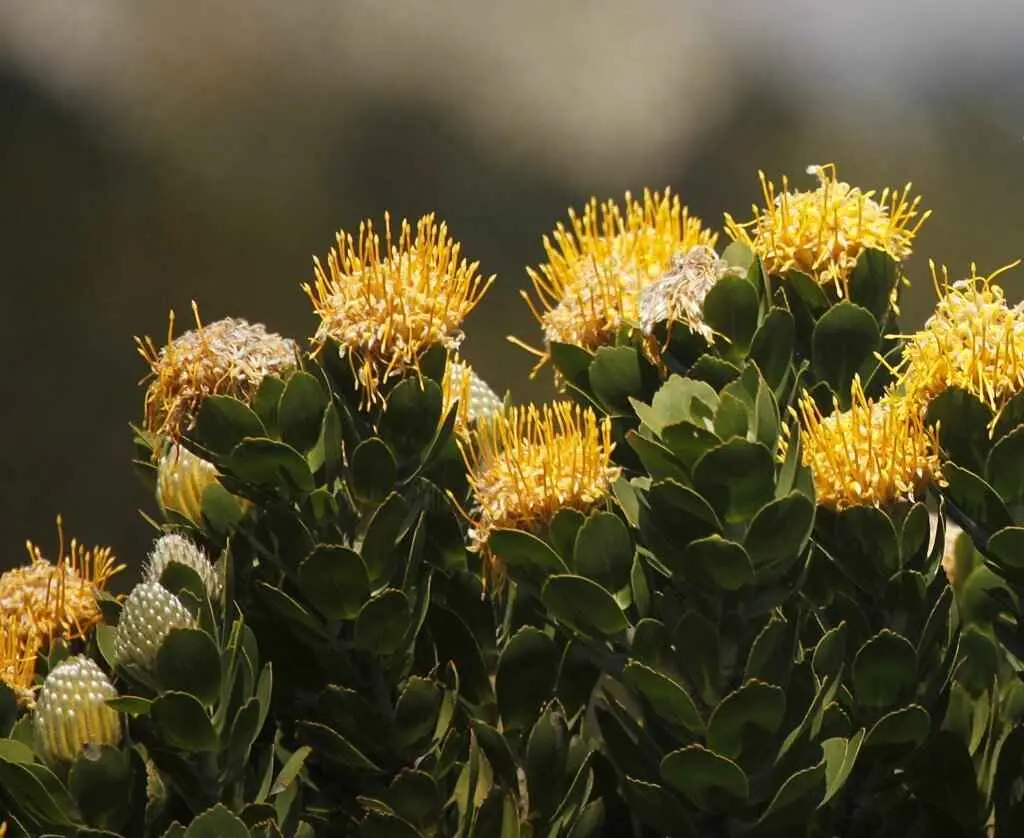
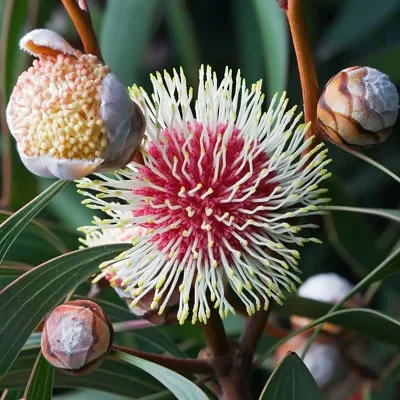
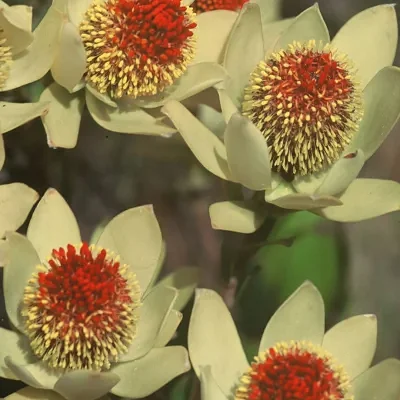
Leucospermum conocarpodendron, commonly known as the tree pincushion, is a large evergreen shrub or small tree native to South Africa’s Cape region. It produces striking golden-yellow pincushion-like flower heads in spring and early summer, set against leathery, gray-green leaves. Hardy in sunny, well-drained sites, it can reach up to 5 meters tall and is highly attractive to birds and pollinators, making it a standout feature in gardens and landscapes.
This long-lived species is one of the largest members of the pincushion group and can develop a gnarled, sculptural trunk with age, giving it strong ornamental value. Adapted to the nutrient-poor soils of the fynbos, it thrives in full sun, requires excellent drainage, and is highly drought-tolerant once established. Beyond its dramatic floral display, Leucospermum conocarpodendron plays an important ecological role by providing nectar for birds and insects, while also being widely admired as a cut flower and a statement plant in Mediterranean-style gardens.
Germination Guide
🌍 Southwestern Cape Province, South Africa, near Cape Town
Moderate
Leucospermum conocarpodendron, commonly known as the tree pincushion, is the largest species in the genus and a native of the Western Cape fynbos in South Africa. Seeds have dormancy mechanisms requiring smoke exposure or hydrogen peroxide treatment to overcome seed coat impermeability. Germination is facilitated by alternating cool and warm temperatures mimicking natural autumn conditions.
Germination
Germination time
Expect germination in
30 – 60 days
Temperature
Min 4°C
Ideal 12°C
Max 20°C
🌡️ Temperature alternation recommended
— Seeds require alternating cold nights (4-10°C) and warm days (15-20°C) to initiate germination, simulating autumn conditions in Western Cape
Substrate moisture
💧💧 High
Sowing depth
Lightly covered
Seed Pre-treatment
-
💧
Soaking — 24 hours
Soaking in 1% hydrogen peroxide solution for 24 hours oxygenates seed and softens seed coat; alternatively soak in warm water or rainwater
-
❄️
Cold then warm stratification — 60 days at 12°C
-
🔥
Smoke/Fire treatment
Smoke treatment highly recommended for 18-24 hours; use liquid smoke or smoke-saturated seed paper to enhance germination significantly
-
📋
Additional notes
Smoke treatment (18-24 hours with liquid smoke or smoke paper) OR 1% hydrogen peroxide soak (24 hours) with seed coat rubbing OR warm water soak (24 hours); smoke treatment preferred as it mimics natural fire cues
Substrate & Container
Recommended substrate
Well-drained medium: two parts coarse sand with one part leaf mould and one part loam; alternatively peat with perlite (60/40 ratio)
Recommended container
Clear plastic container with transparent lid to maintain moisture and observe germination; seed tray with fungicide-treated water
Growing Tips
Treat seeds with smoke for 18-24 hours (preferred method) or soak in 1% hydrogen peroxide for 24 hours, rubbing the seed coat gently. Provide alternating temperatures (4-10°C nights, 15-20°C days) to initiate germination. Cover with coarse sand or milled bark and keep substrate moist but not waterlogged. Water seed tray with diluted fungicide to prevent fungal disease. Seeds take 1-2 months to germinate. Potted seedlings should be grown in well-drained soil without high-phosphorus fertilizers (Proteaceae sensitivity). Avoid phosphorus-rich fertilizers for young plants. Seeds can remain viable in soil for 80+ years, making them excellent for long-term seed banking.
Only logged in customers who have purchased this product may leave a review.

Reviews
There are no reviews yet.