
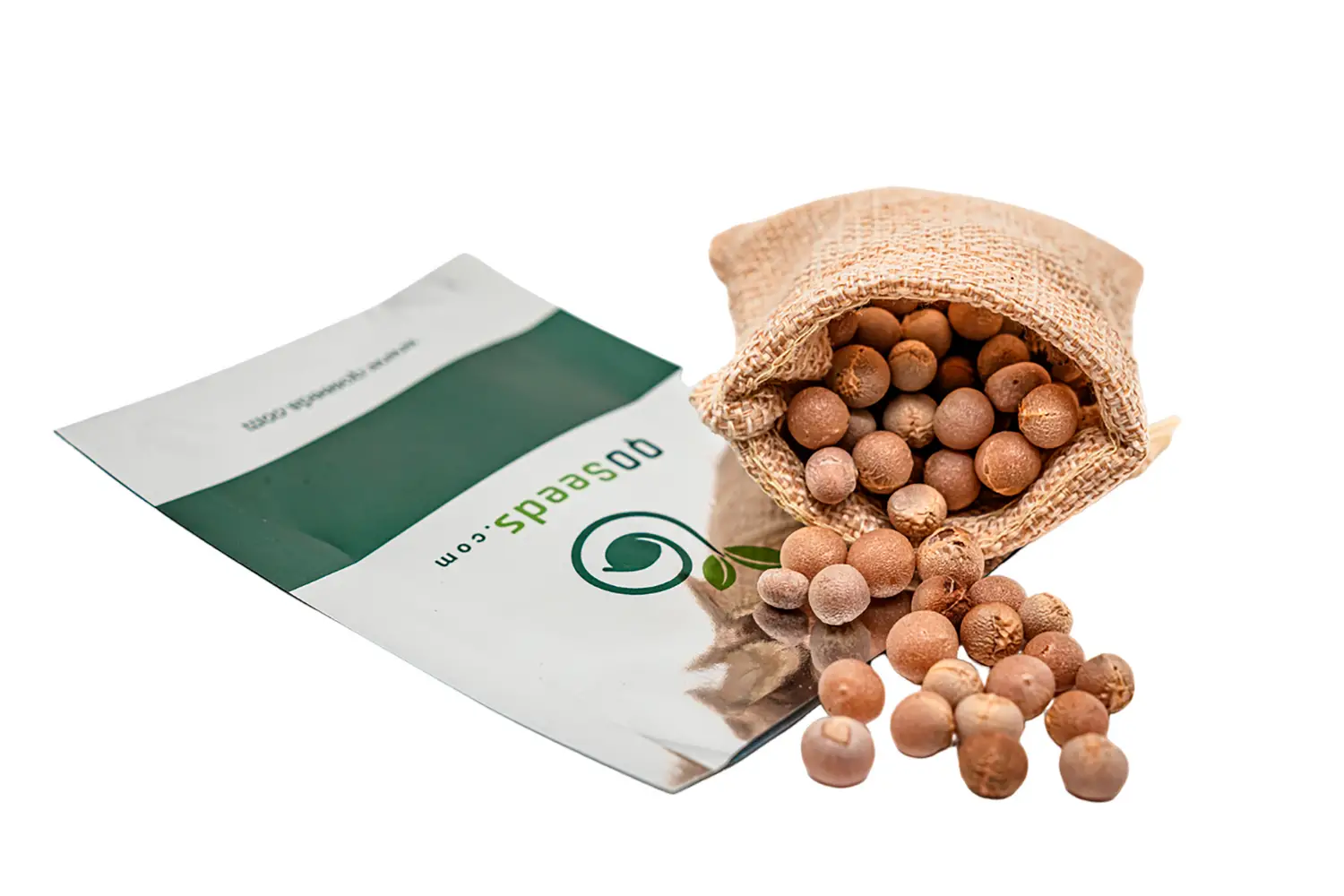





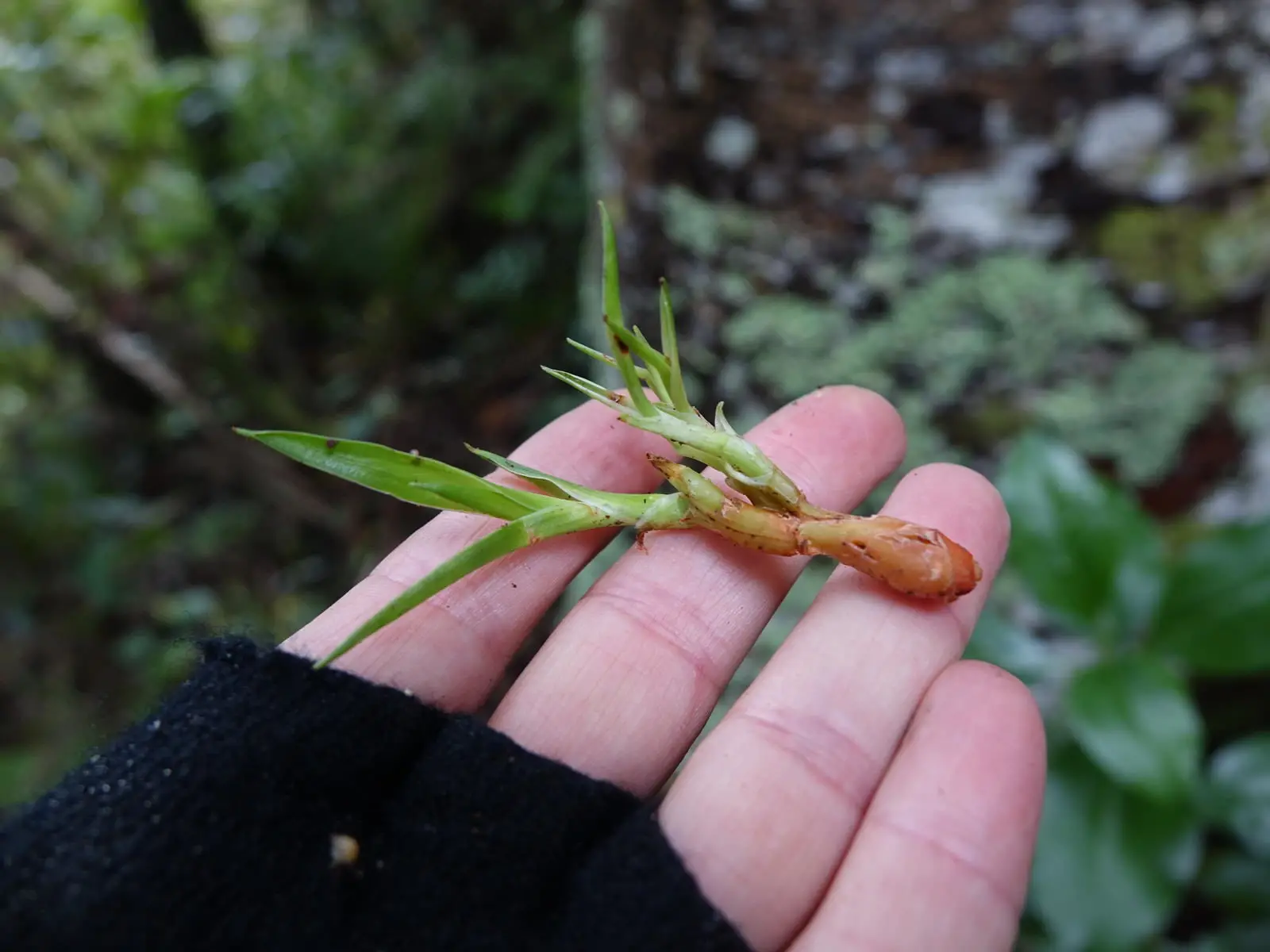

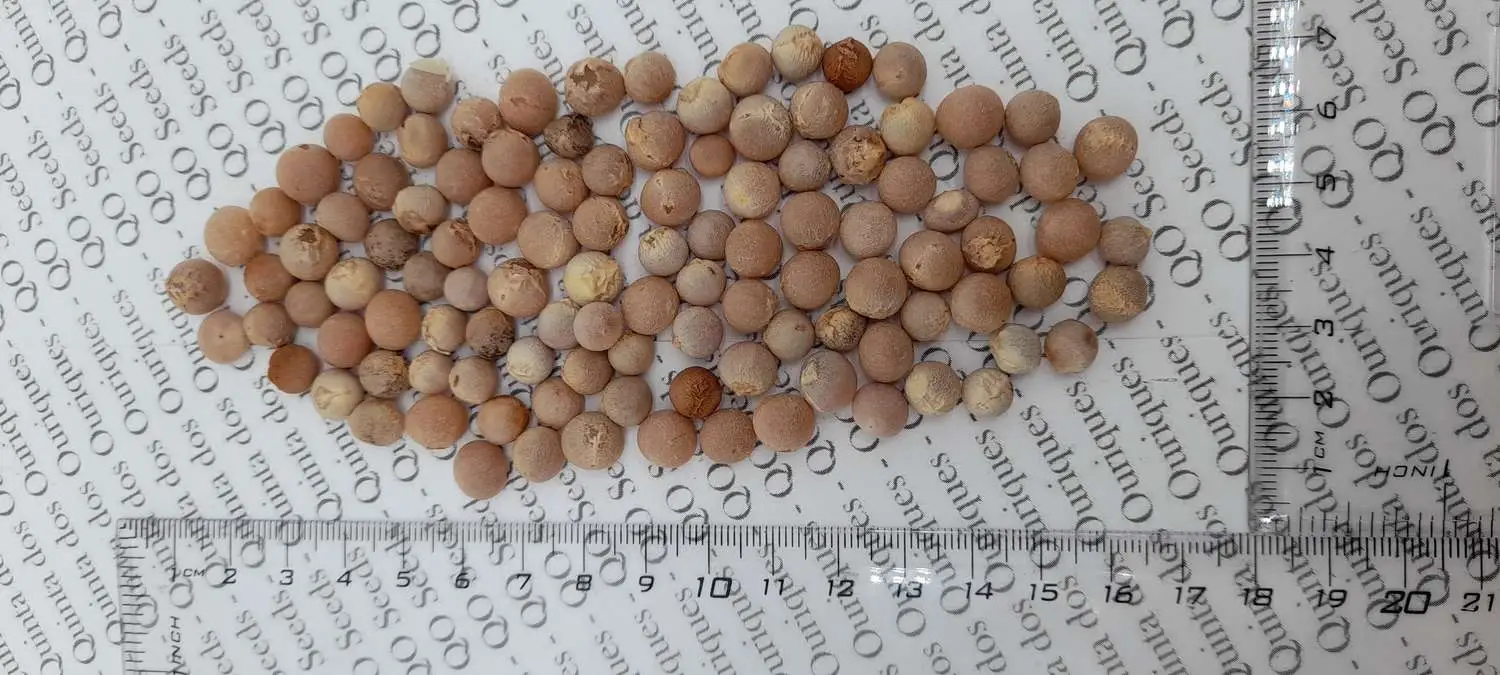



Grow the legendary tree that bleeds crimson. Dracaena draco subsp. draco secrets a deep red resin—dragon’s blood—prized for millennia in medicine, art, and ritual. With its architectural umbrella crown and sword-shaped blue-green foliage, it’s a living sculpture that transforms any space. Surprisingly easy to grow from seed. Start your myth today.
€5.62
This is the tree of legends—the one that literally bleeds when wounded, releasing a deep crimson resin steeped in 2,000 years of human history.
Native to the Canary Islands, Cape Verde, and Madeira, Dracaena draco subsp. draco stands as a subtropical monument to longevity and mystery. Some specimens in the Canaries are believed to exceed 1,000 years old, their gnarled trunks and sprawling crowns bearing witness to centuries of storms and seasons. The name itself derives from the ancient Greek *drakaina* (female dragon)—a fitting title for a tree that seems plucked from myth. In Greek mythology, these trees were born from the blood of the hundred-headed dragon Ladon, slain by Hercules.
But the true magic lies in its resin. When the bark or leaves are cut, Dracaena draco secretes a striking blood-red sap known as dragon’s blood—a resin so prized it became a commodity of the ancient world. From the 15th century onward, travelers to the Canary Islands obtained this resin as dried garnet-red drops, trading it across Europe and beyond via the Incense Road. The substance has been used as a medicinal agent (for wound healing, fevers, gastrointestinal ailments, and respiratory issues), as a pigment for varnishes and dyes, as a component in cosmetics and lipstick, as incense for spiritual rituals, and even as varnish for fine violins. Medieval alchemists believed it could grant immortality. In ancient Egypt, it was sought after as a dye for fabrics, wool, and pottery—and meant ‘wealth.’ Today, researchers continue to investigate its antimicrobial, anti-inflammatory, and wound-healing properties, validating centuries of traditional use. Grow this tree, and you’re cultivating a living source of healing resin—a genuine link to antiquity, visible in every crimson drop.
Visually, it’s equally commanding. The tree develops a thick, sculptural trunk resembling dragon scales—gray-brown bark that weathers to display streaks of red and silver. At the branch tips, blue-green sword-shaped leaves (up to 24 inches long) arrange themselves in dense rosettes, creating an unmistakable umbrella or parasol silhouette. As it matures past 10–15 years, it flowers with delicate white, perfumed spikes, followed by coral-orange berries that birds adore. The overall form is architectural and slow-moving—deliberately, mesmerizingly slow—which makes every new branch a small victory, every season a meditation.
Growing Dracaena draco from seed is remarkably straightforward. It thrives in bright, indirect light (or even direct sun, which deepens the blue-green of the foliage) and prefers well-drained, slightly acidic soil. Water moderately—it is drought-tolerant by nature, a denizen of rocky crags and windswept plateaus. Plant it in a container with good drainage, or in the ground in frost-free Mediterranean climates (USDA zones 9–12). It tolerates salt spray and extreme heat, making it ideal for coastal gardens. Germination is very easy; seeds require warm temperatures (75°F+) to sprout. Scarify the seed coat lightly, soak in warm water, and sow in moist seed-starting mix with light coverage—you’ll see growth within weeks. While the tree grows slowly (which is part of its meditative appeal), it adapts readily to indoor and outdoor conditions and requires minimal fussing once established.
This is more than a houseplant or garden specimen. Dracaena draco subsp. draco is a doorway to deep time, to alchemy and healing, to the slow architecture of nature itself. Every cutting you make will bleed that mythical red—proof that you’re holding something rare, something ancient, something alive with story. Grow it from seed and watch myth become wood.
Only logged in customers who have purchased this product may leave a review.



Reviews
There are no reviews yet.