
Taste liquid sunshine: fruit pulp that tastes like sherbet with tart, citrus flavor. Grow your own Australian baobab—a massive, water-storing trunk crowned with large, white, fragrant flowers. Rich in vitamin C, potassium, and carbohydrates. Young seedlings grow fast in warm conditions, reaching 1 meter
€12.99
A tree that looks like it was plucked from a prehistoric landscape and planted upside down.
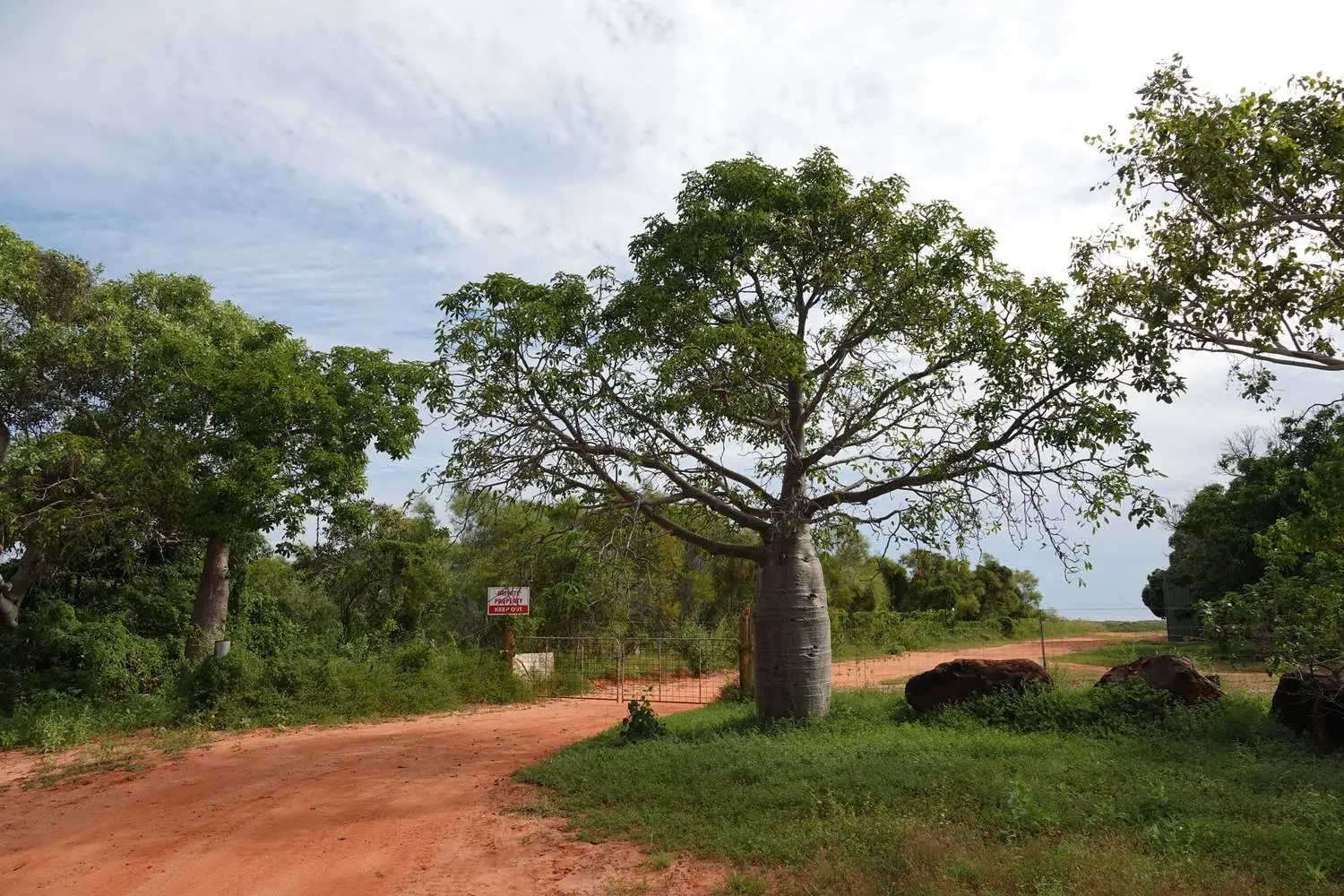
Adansonia gregorii, commonly known as the Australian baobab or boab, is native to Australia. It is the only Adansonia species native to Australia. This tree is valued both for its distinctive appearance and for its traditional uses among Aboriginal peoples. All baobabs may originate from the super-continent Gondwana before it fragmented almost 80 million years ago, making this living fossil a connection to Earth’s deepest history.
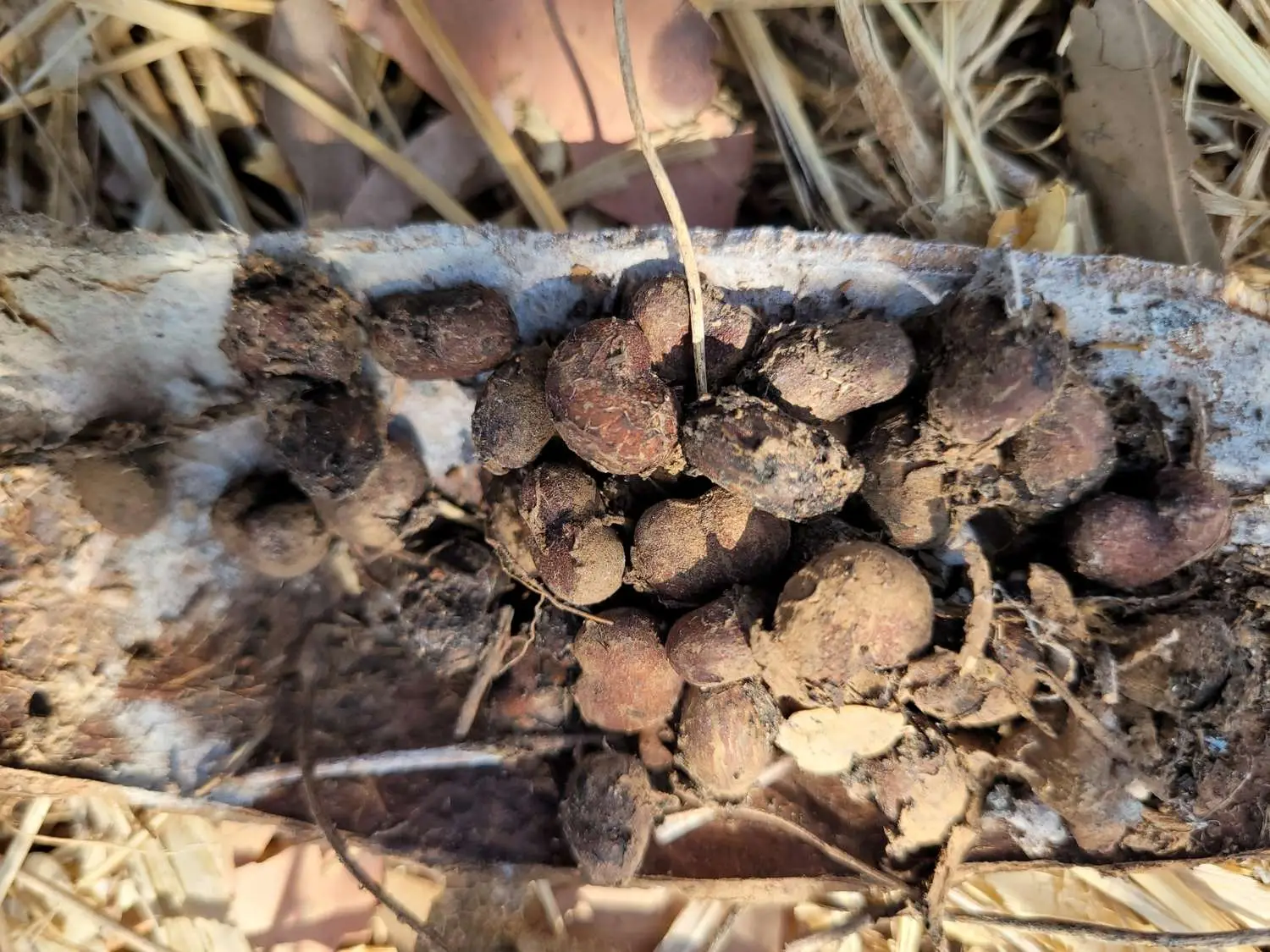
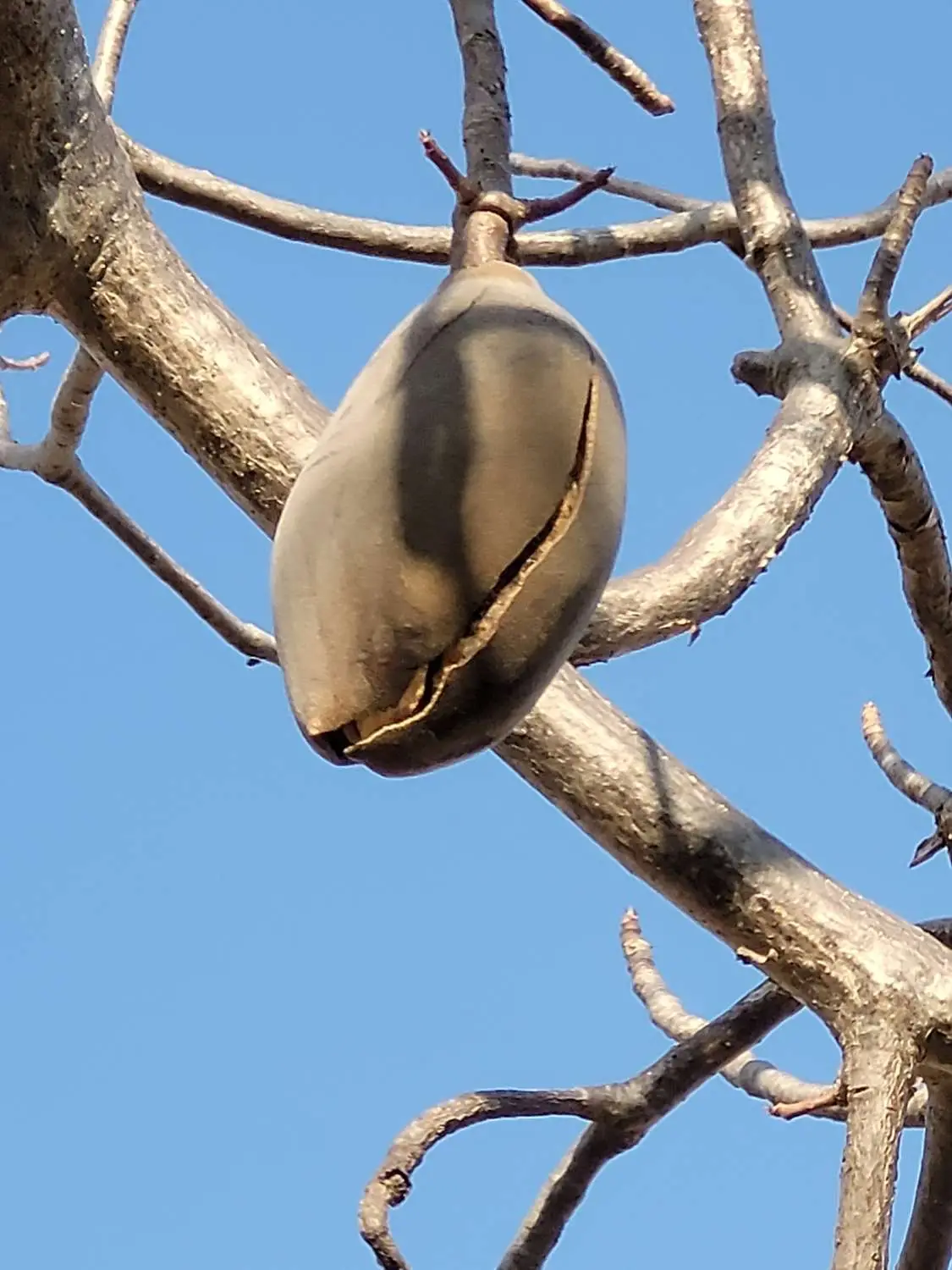
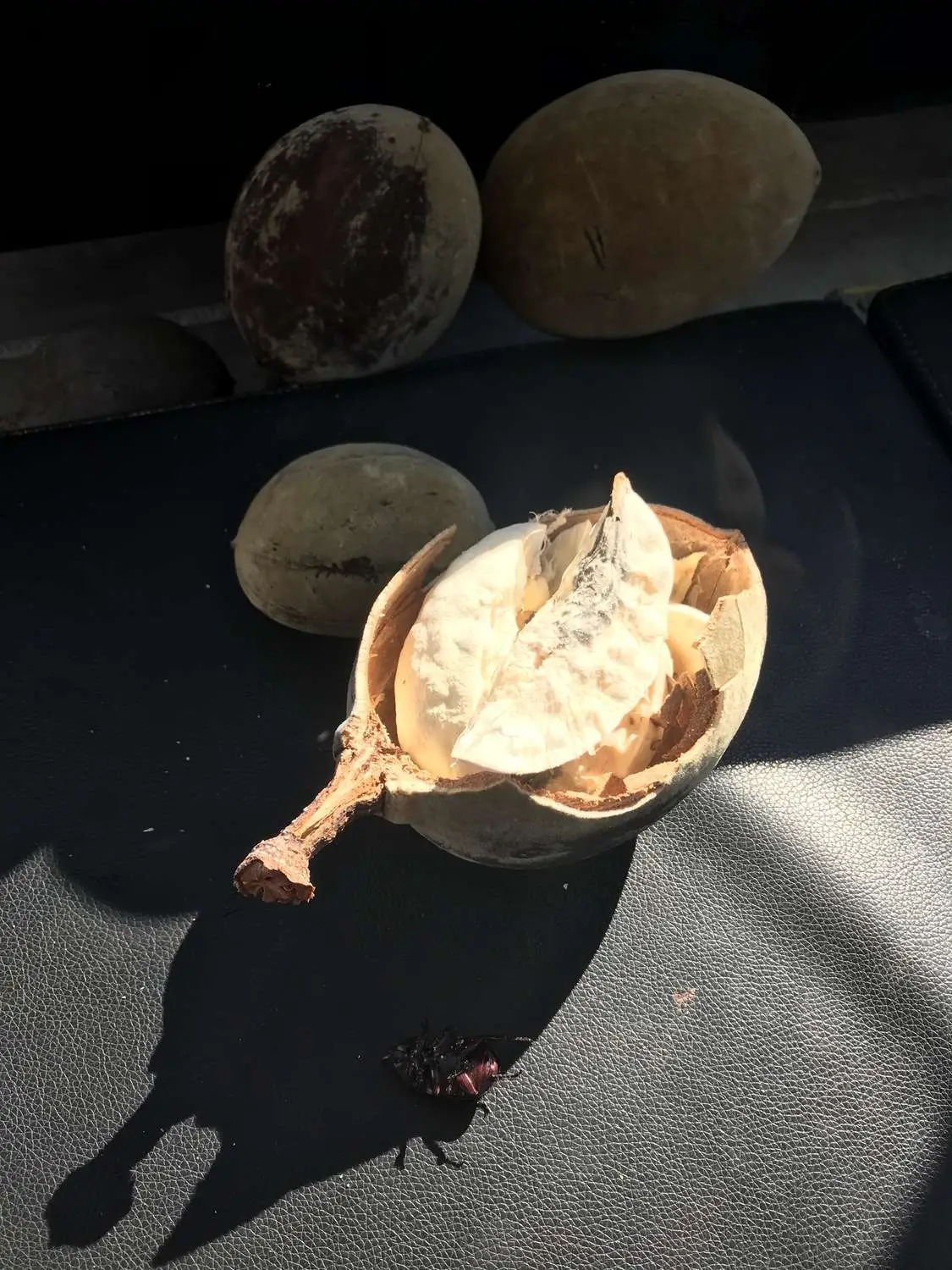
But here’s where the boab truly captivates: the fruit. The white pith in the fruit tastes like sherbet with an acidic, tart, citrus flavor. It is a good source of vitamin C, potassium, carbohydrates, and phosphorus. The flavor combines lemon, sherbet, powdered milk with an earthy undertone, similar to cream of tartar. Crush it up and add to water to make a tangy, refreshing drink, or use as a thickener for soup. Seeds can be ground into flour or roasted as a snack. Boil the leaves and eat as spinach; grind seeds and use as a coffee-like beverage; ferment the pulp to create a type of beer. The pulp and leaves are believed to have anti-inflammatory and antimicrobial properties. When grown to maturity, a single tree becomes a food source, medicine cabinet, and living water reservoir—every part purposeful, every harvest a gift.
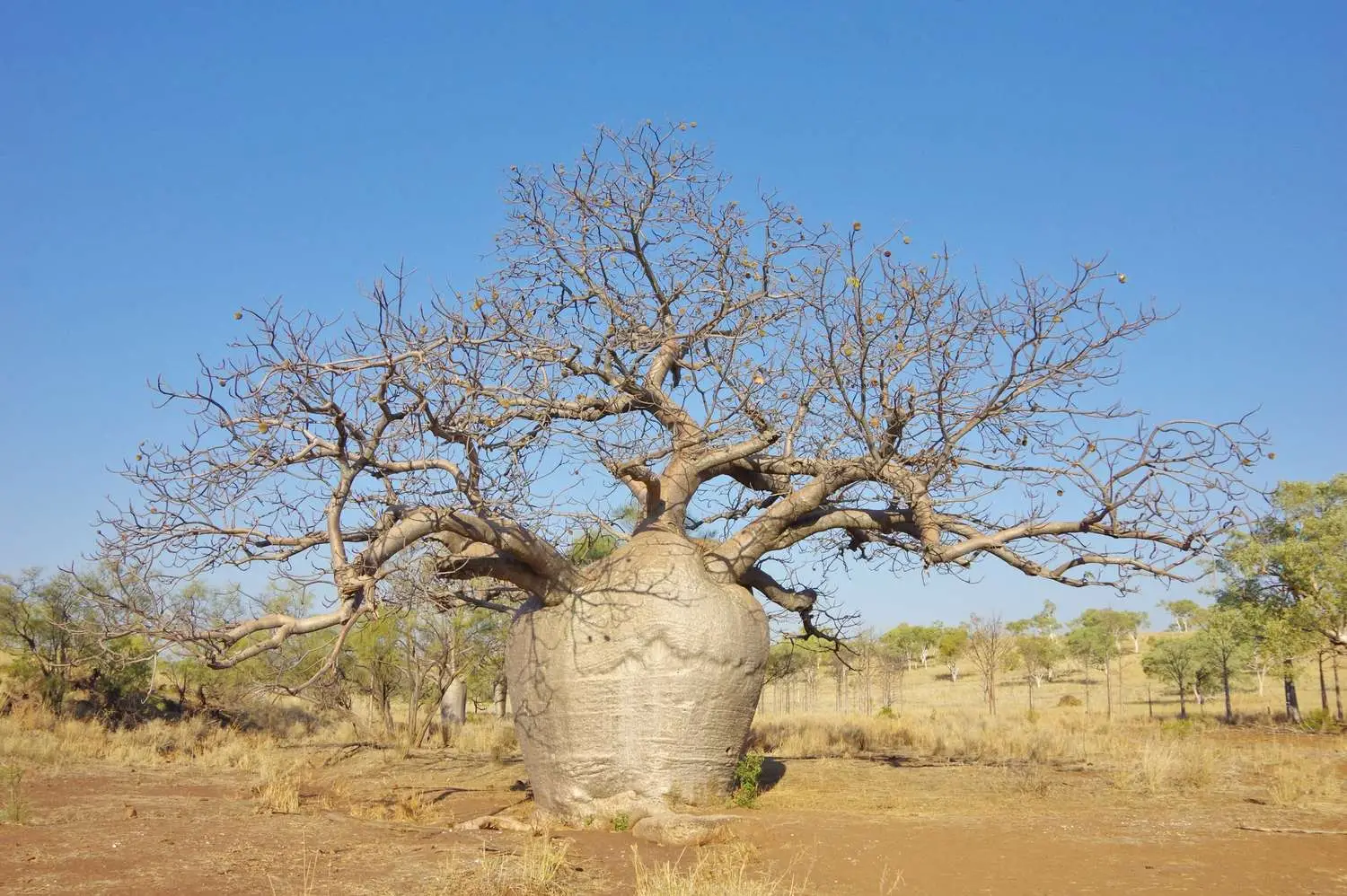
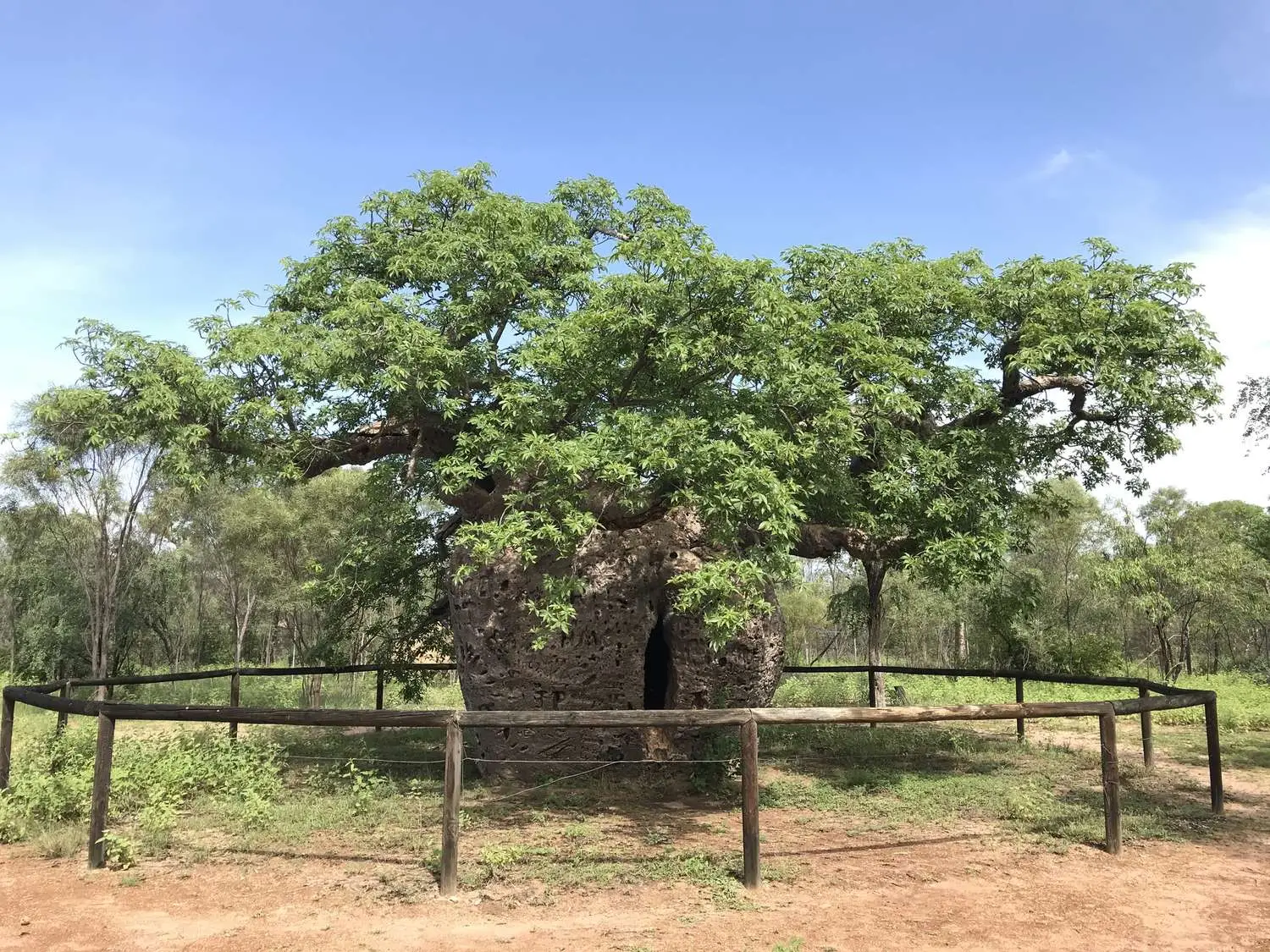
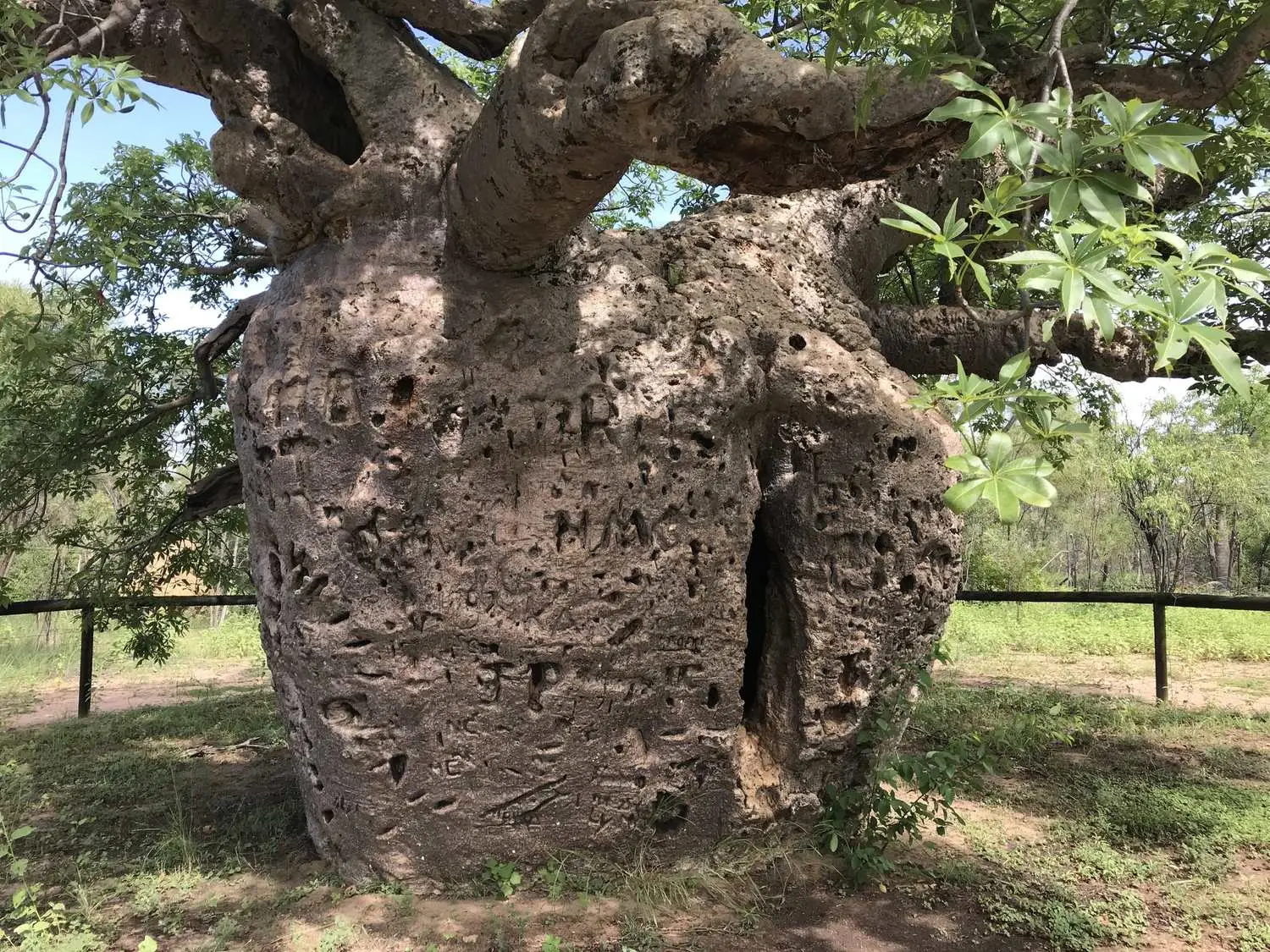
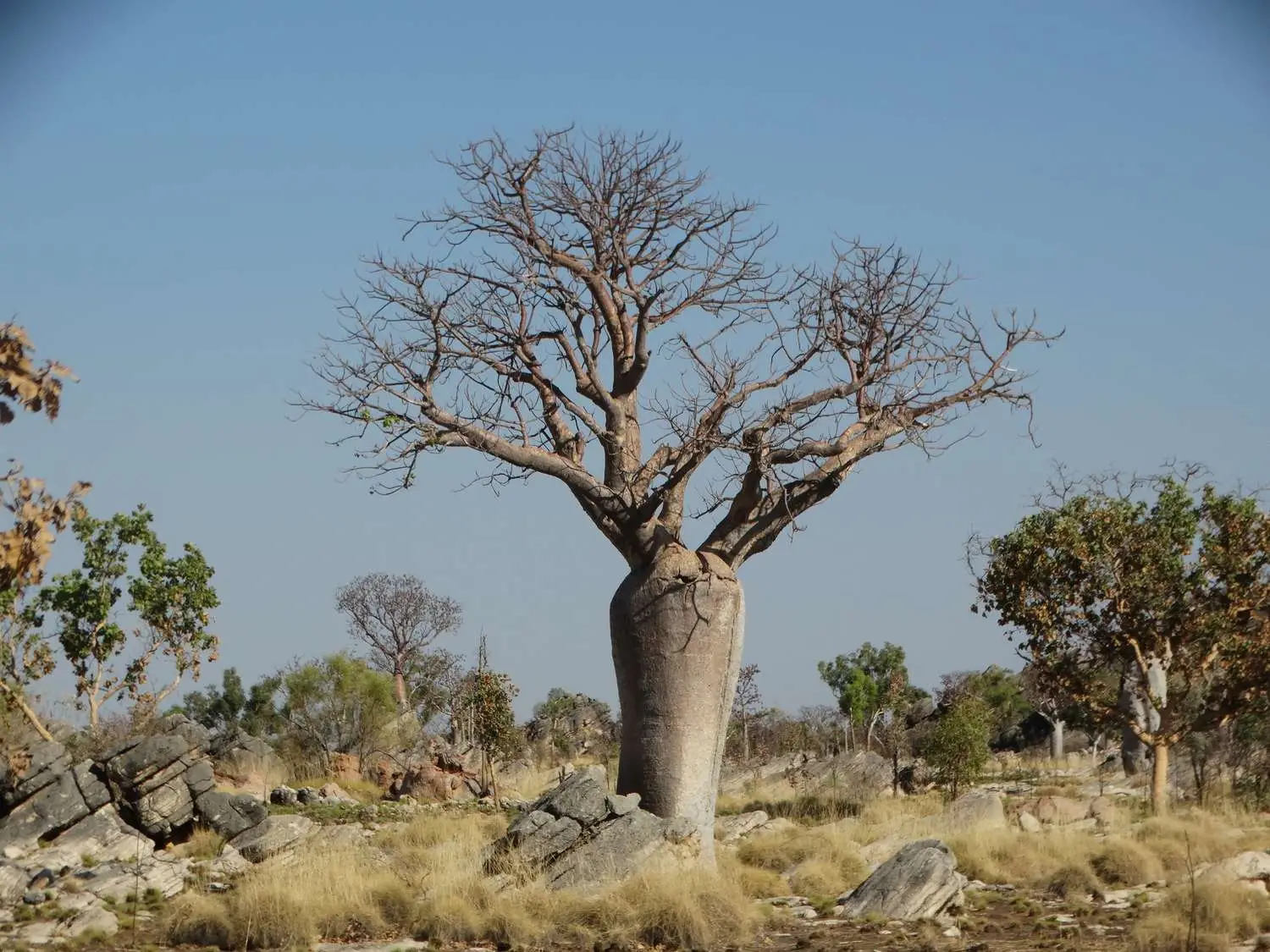
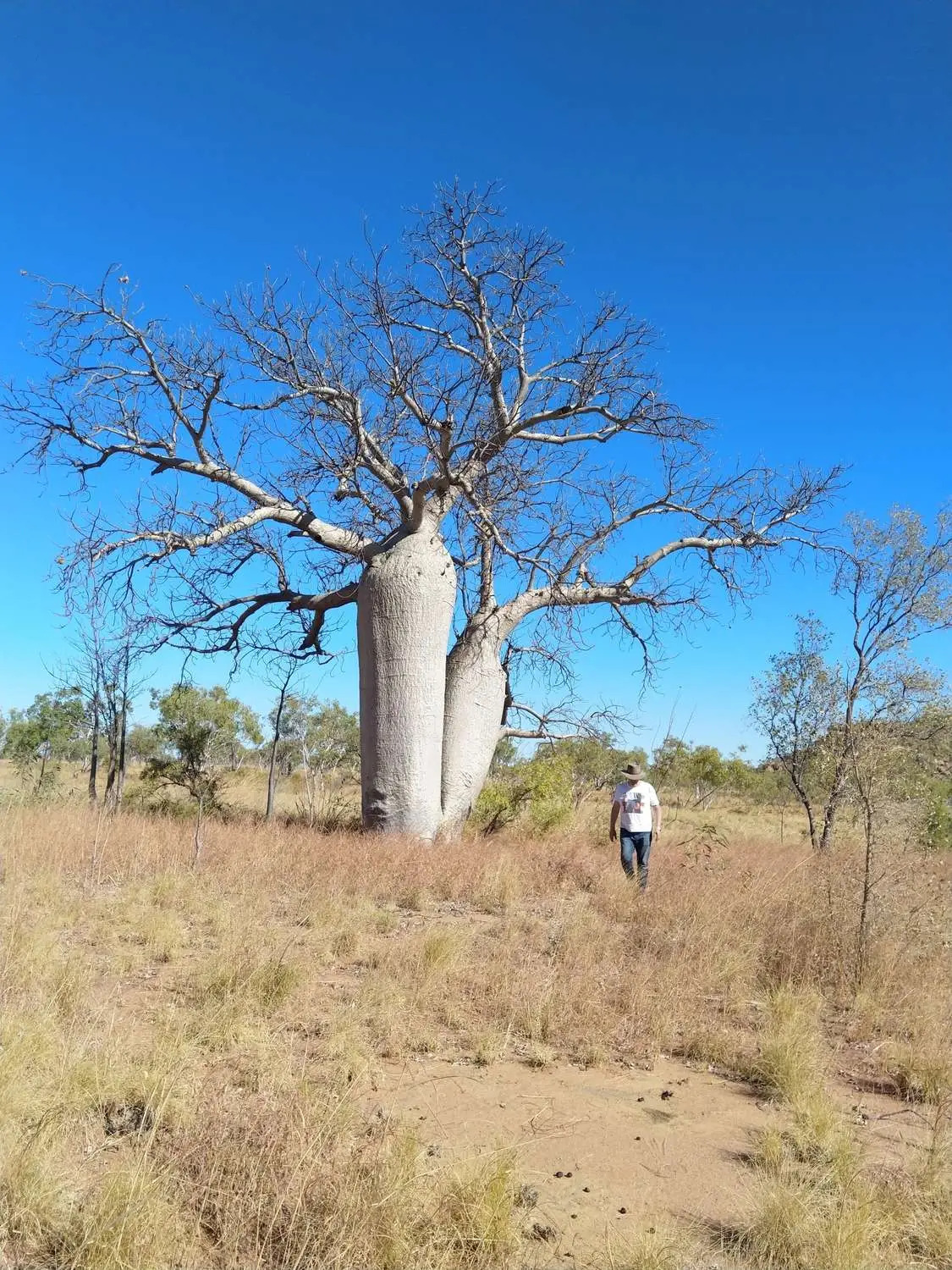
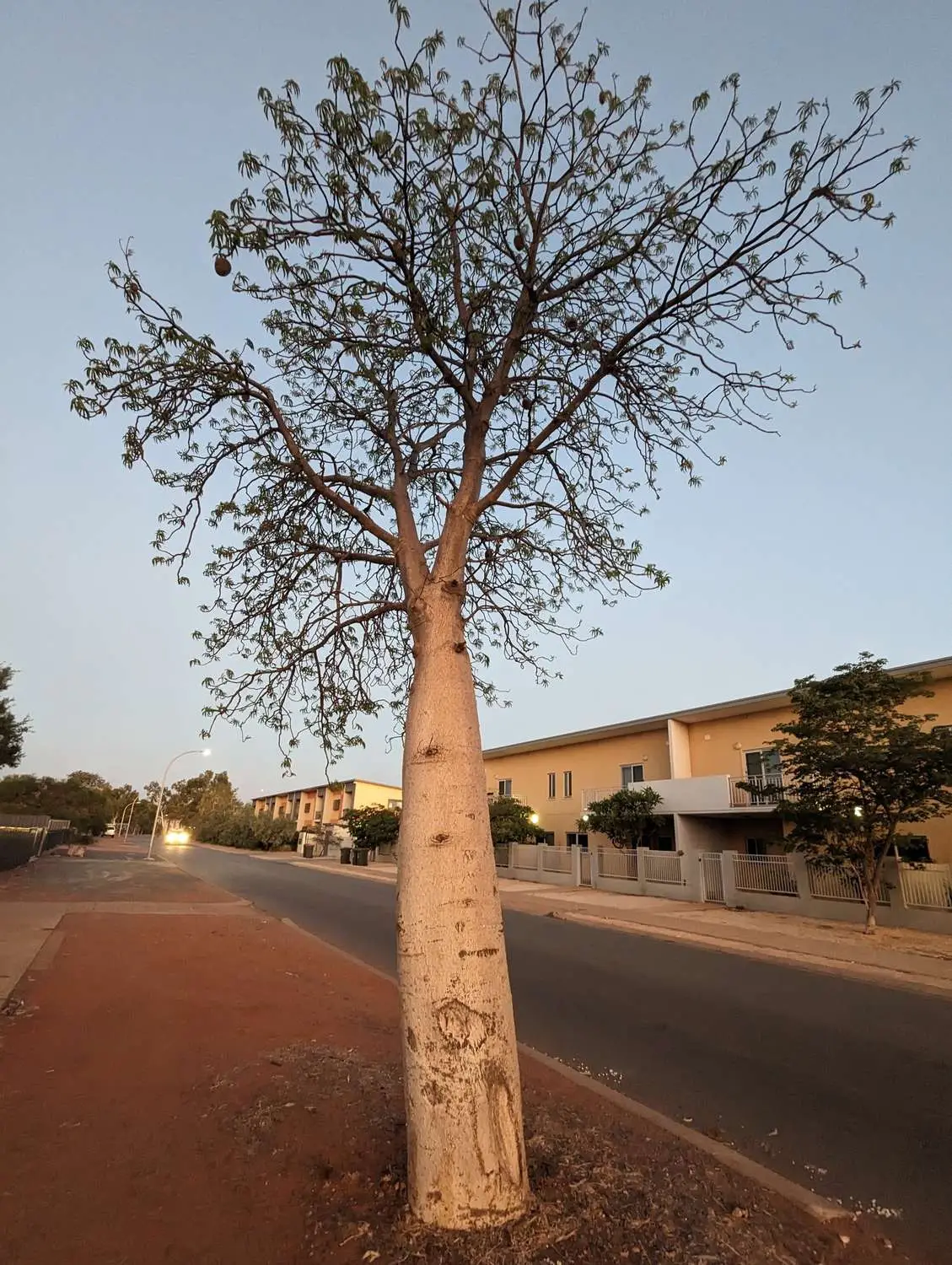
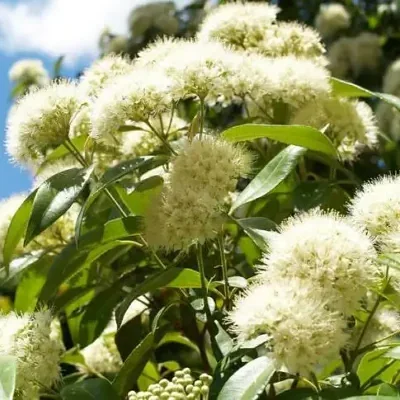
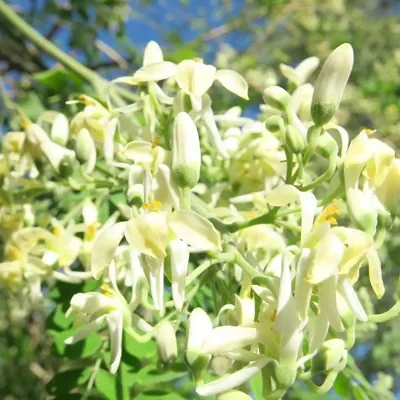
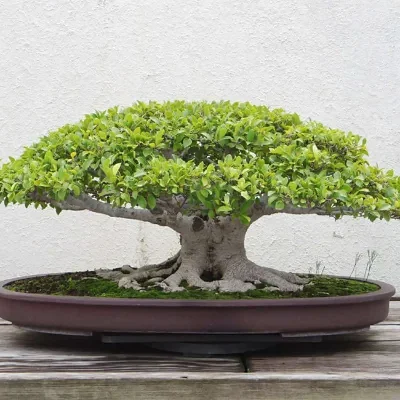
Now the spectacle. The trunk is thick and bulbous, capable of storing water to survive in drought conditions. Mature trees reach 5-15 meters in height with bottle-shaped trunks up to 5 meters in diameter. The sparse canopy and branches extending outward sometimes give the tree a unique “upside-down” look, as if the roots were in the air. Large white flowers up to 75mm long open at night, with a calyx about 6cm long. This bottle-shaped ornamental tree is becoming popular as a bonsai project in cooler climates. In warm regions it becomes a monument; in containers it becomes a conversation piece.
Cultivation is straightforward for a tree so extraordinary. Prefers full sun, requiring at least 6 hours of direct sunlight per day. Excellent drainage is the primary requirement. In optimum daytime temperatures above 25°C, young seedlings can grow very quickly—some studies found growth up to 1 meter in one growing season. Fresh seed germinates readily. Boabs can succeed in cooler climates, especially those with dry winters, provided excellent drainage is ensured. Start from seed and watch as the legendary baobab awakens beneath your care—a living monument to survival, flavor, and the magnificent geometry of nature.
Only logged in customers who have purchased this product may leave a review.
Reviews
There are no reviews yet.