
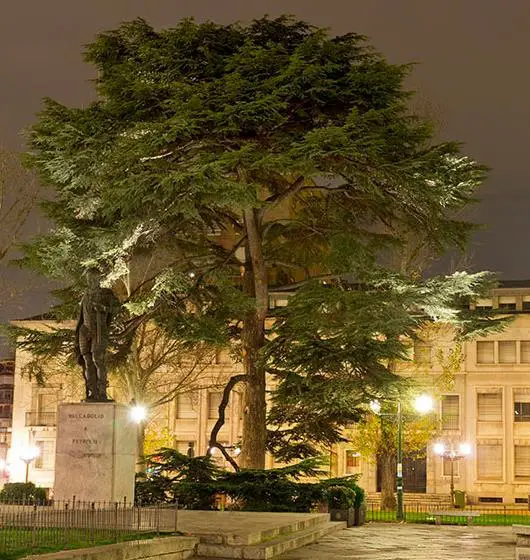
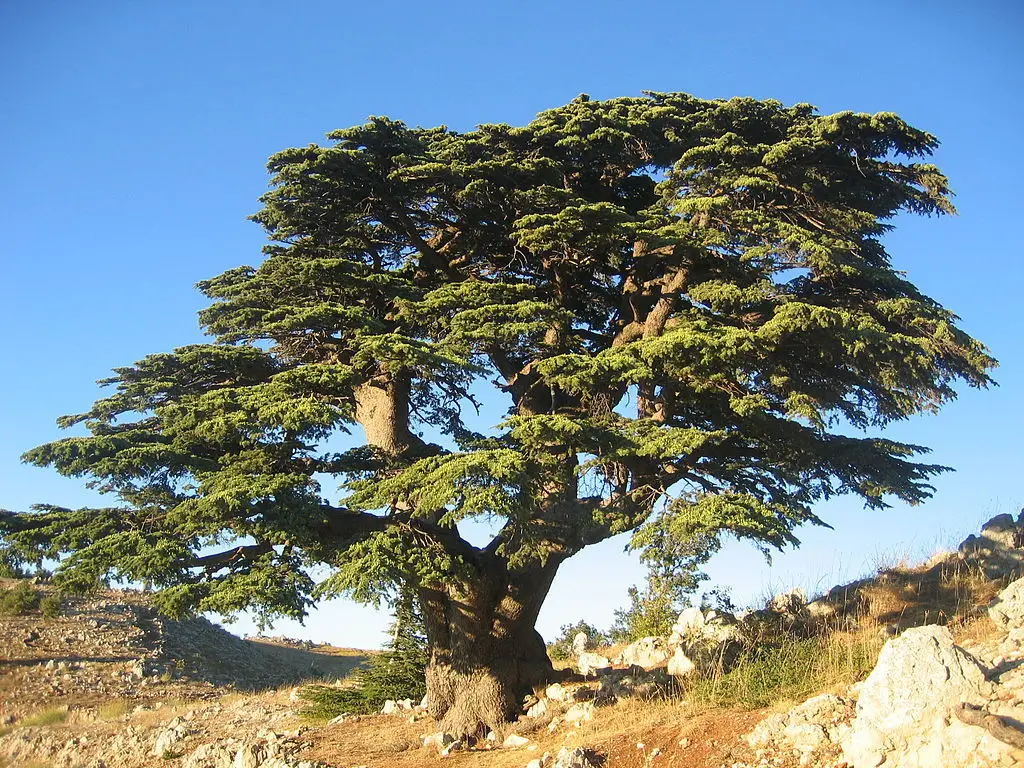
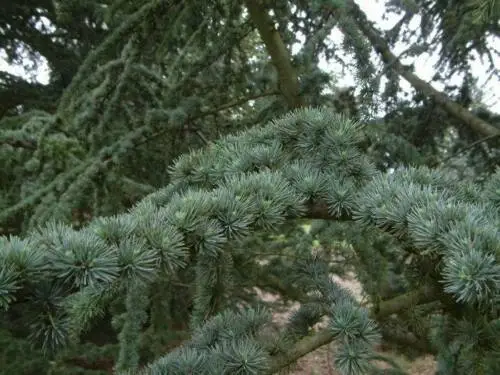
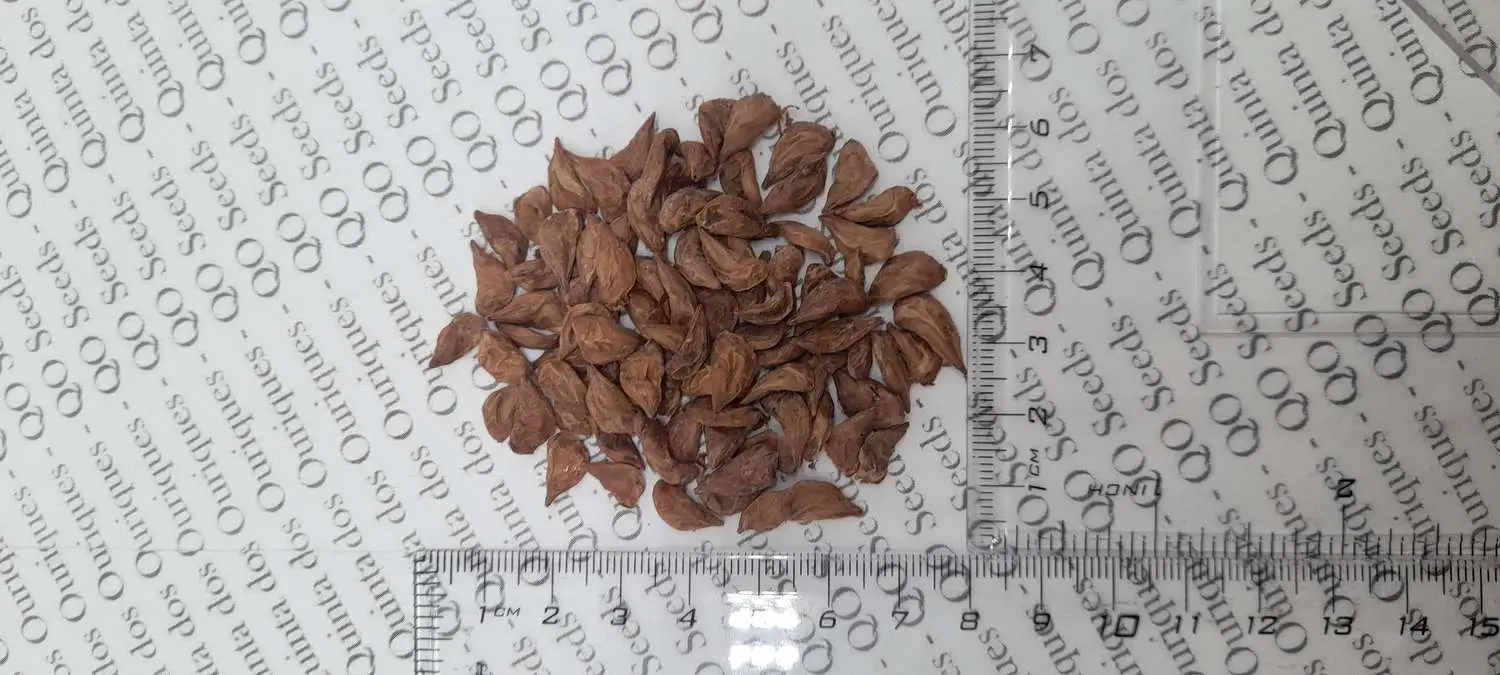
Grow the tree of pharaohs and kings—legendary Cedrus libani. Its timber breathes an intoxicating aromatic oil prized for perfumery, medicine, and sacred ritual for 3,000 years. This majestic evergreen commands respect with dark green needles, a magnificent flat-topped crown, and the longevity of ages. Once established, it’s drought-hardy and low-maintenance. Start from seed and become steward of living history.
€2.11
Cedrus libani, commonly known as cedar of Lebanon, is a species of large evergreen conifer native to the mountains of the Eastern Mediterranean basin. You’re not just planting a tree—you’re cultivating a monument to endurance and purpose.
Known for its longevity, height, and durable wood, it has held profound significance for millennia, featuring in ancient Mesopotamian and Israelite literature, with the tree used in the construction of the Jerusalem Temple by Solomon. Historically the ancient Phoenicians used Cedar wood for shipbuilding and traded Cedar trees with Ancient Egypt, Ancient Greece, Anatolians, Israelites, Iberians, Punics, Sicilians, Romans and Ancient Iraq. This conifer is the national emblem of Lebanon, and is prominent both on the Lebanese flag and its coat of arms. Every seedling carries this weight of history.
**The Essential Magic: Aromatic Wood & Medicinal Oil**
The true treasure lies in the wood itself. The Cedar of Lebanon’s fragrant wood produces an essential oil used in perfumery, and in Lebanese mythology its powerful aroma is said to ward away snakes which carry evil. Cedarwood essential oil, derived from the wood and bark, is widely used in aromatherapy for its calming, antiseptic, and anti-inflammatory properties. Among Cedrus libani’s medicinal qualities are its abilities to reduce inflammation, heal vascularized and dry skin, and act as an antiparasitic. Its leaves and wood have long been used as antiseptics and to treat respiratory conditions. The essential oil extracted from cedarwood is said to help alleviate stress, promote relaxation, and even balance hormone levels. These benefits can be helpful in reducing symptoms of PMS or menopause. Cedarwood essential oil may have aphrodisiac properties and can also promote calm and emotional balance, which helps combat stress. This is a living apothecary—cultivate it and you cultivate wellness for decades to come.
**How to Grow Your Living Legacy**
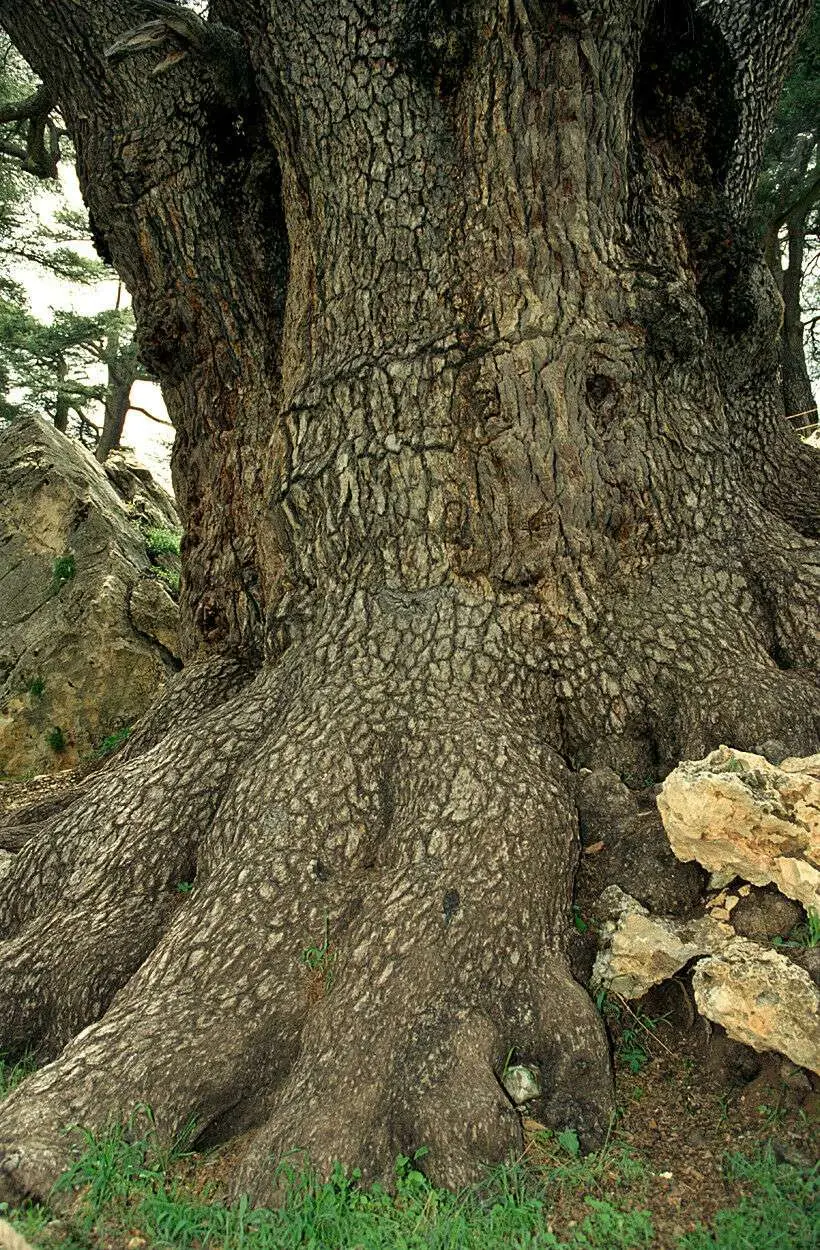
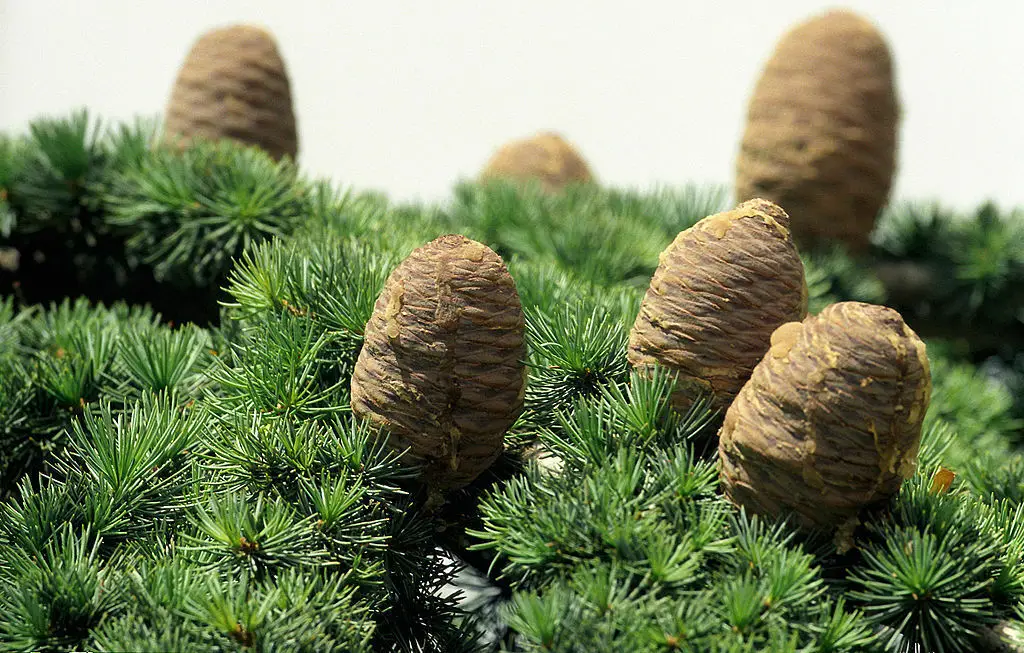
Cedrus libani is an evergreen conifer that, with age, develops a massive trunk, a flattened top and broad spreading horizontal branching. The dark green needles grow in large bundles of 20 to 40 together. They are fairly short and stiff. Initially slow-growing for its first 20 years, this tree may reach a modest height of 20 feet, but with time, it typically achieves impressive heights of 40-60 feet. Patience becomes part of the practice.
For cultivation, Cedar of Lebanon prefers deep, moist, yet well-drained acidic loams in full sun, is intolerant of poorly drained, wet soils, and thrives best in protected locations away from harsh winter winds. To germinate Cedrus libani seeds, potting soil is preferred, since it is less likely to contain fungal species which may kill the seedling in its early stages. Before sowing it is important to soak the seed at room temperature for a period of 24 hours followed by cold stratification (~3–5°C) for two to four weeks. Once the seeds have been sown, it is recommended that they be kept at room temperature (~20°C) and in the vicinity of sunlight. The soil should be kept slightly damp with low frequency watering. The tree’s aesthetically pleasing structure is complemented by its low maintenance requirements and high tolerance for drought once established. Once rooted, it becomes self-reliant and enduring.
**The Invitation**
There are 2000-year-old specimens known, with a trunk diameter of several metres. Every seed you sow today could stand for millennia. With ages that can stretch over centuries, it also serves as Lebanon’s natio
Only logged in customers who have purchased this product may leave a review.

Reviews
There are no reviews yet.