Description
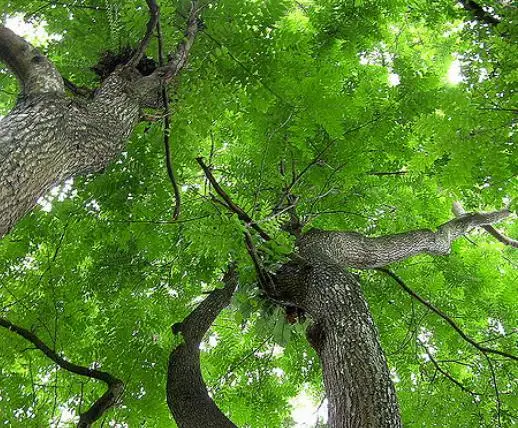
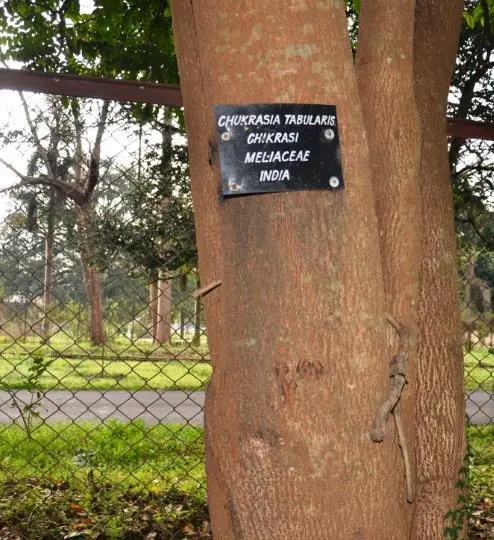
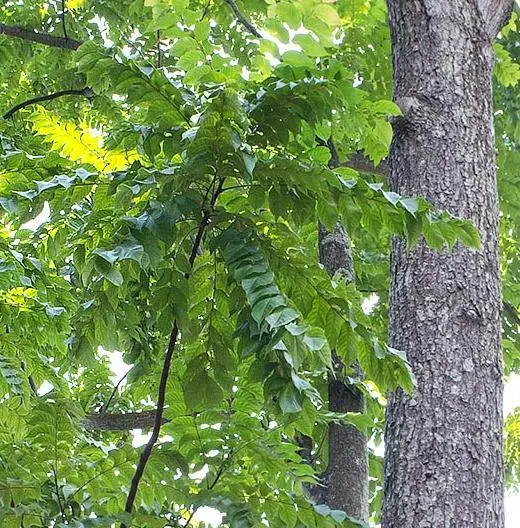
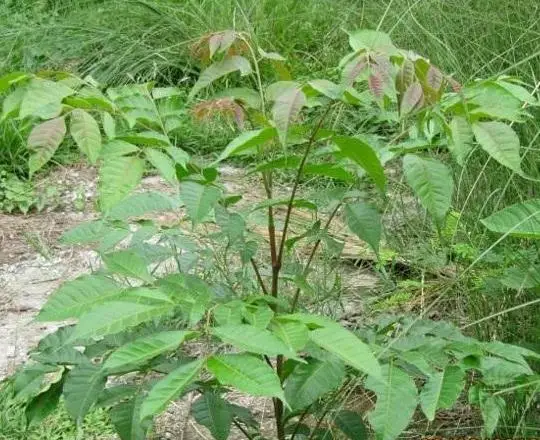
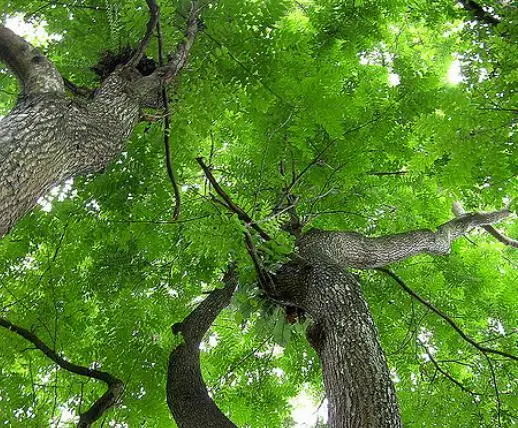
Chukrasia tabularis is a tree that in its natural habitat can reach more than 40 meters in height with a diameter of up to 110 – 175 cm. Its native and occurring area ranges from bangladesh, cambodia, india, laos, malaysia, myanmar, siri lanka, thailand, shrimps, costa rica, nigeria, puerto rico, south africa and united states of america.
A tree full of attributes and rapid growth.
Its wood is highly valued for interior joinery, manufacturing of high standard cabinets, decorative panels, doors, windows, sculptures, toys, floors and faucets. It is also used for railway sleepers, shipbuilding, musical instruments and cellulose, among others. The wood is quite resistant to moisture.
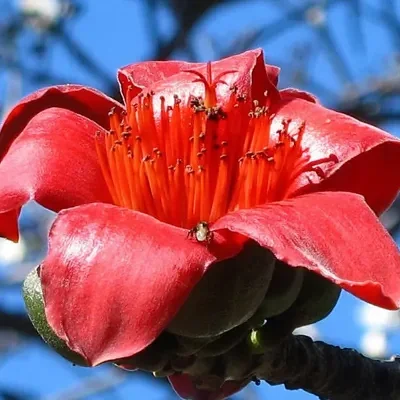
The flowers contain a red and yellow dye. Young leaves and bark contain 22% and 15% of tannin, respectively.
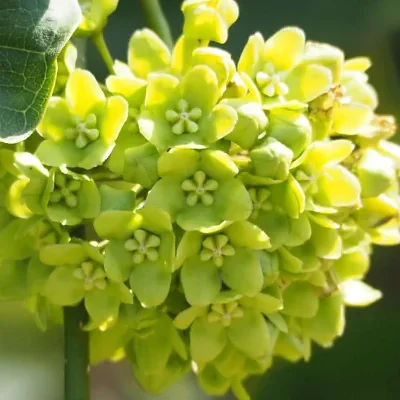
Chukrasia tabularis is a monoic species, the flowers are unisexual. Flowering usually occurs from the sixth year in cultivation.
The species generally occurs on well-drained soils in the plains and hills. It is found regularly in lowland forests. It is a dominant tree, also occurring at the top of natural forests.
In peninsular Malaysia, it occasionally occurs as a settler of bare earths, including the road. In sarawak, it is notably found in limestone.
Chukrasia tabularis, generally avoids heavy and moist soils. The East Indian mahogany is a plant from the lowland tropics, usually found in an altitude range of 100 to 1,200 meters.
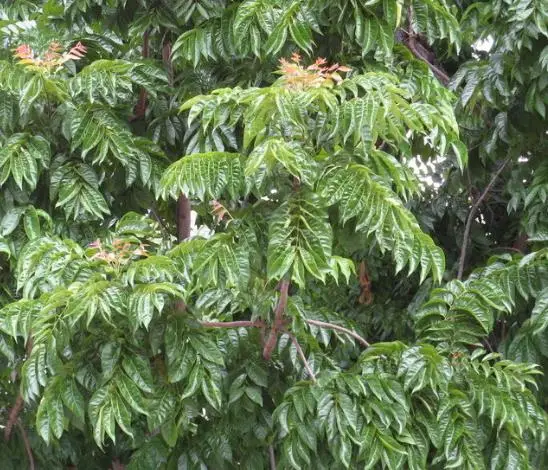
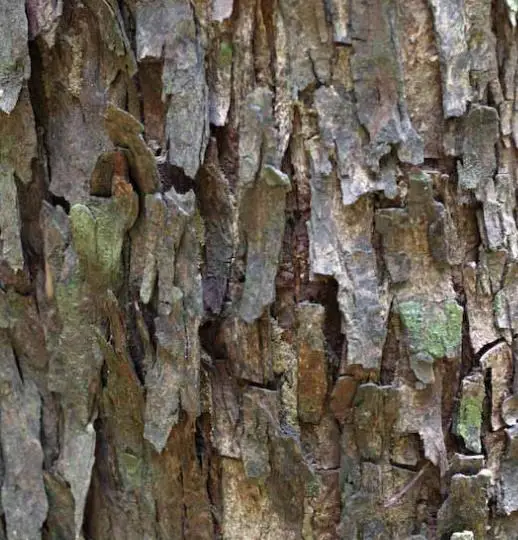
A tree full of attributes and rapid growth in the tropics, tolerant of light frosts, elegant leaves, excellent wood and the leaves and bark of the trunk with medicinal properties.
Germination Guide
🌍 South and Southeast Asia including India, Bangladesh, Myanmar, Thailand, Sri Lanka, Malaysia, Cambodia, Laos, Vietnam, China, and Indonesia
Easy
Chukrasia tabularis, commonly known as chickrassy or Indian mahogany, is a medium to large deciduous tree native to tropical Asia, valued for its high-quality timber and used in traditional medicine. The species exhibits fair to easy germination (80-90% in India) within 1-6 weeks when provided with warm water soaking and appropriate moisture conditions. Seeds are sensitive to desiccation and should be handled carefully, preferring light porous soil with overhead shade and consistent moisture for optimal germination.
Germination
Germination time
Expect germination in
7 – 56 days
Temperature
Min 24°C
Ideal 27°C
Max 30°C
Substrate moisture
💧💧 High
Sowing depth
Lightly covered
Seed Pre-treatment
-
💧
Soaking — 24 hours
Soak seeds in warm water for 24 hours before sowing to enhance germination; sensitive seeds should be protected from excessive drying
-
📋
Additional notes
Immersion in warm water for 24 hours before sowing. Seeds require no other pre-treatment but benefit from soaking to soften seed coat and initiate germination.
Substrate & Container
Recommended substrate
Light, porous, well-drained, high-quality soil free from pathogens; can use mixture of soil and organic matter
Recommended container
Well-drained plastic containers or seed trays with transparent lids; nursery beds with overhead shade
Growing Tips
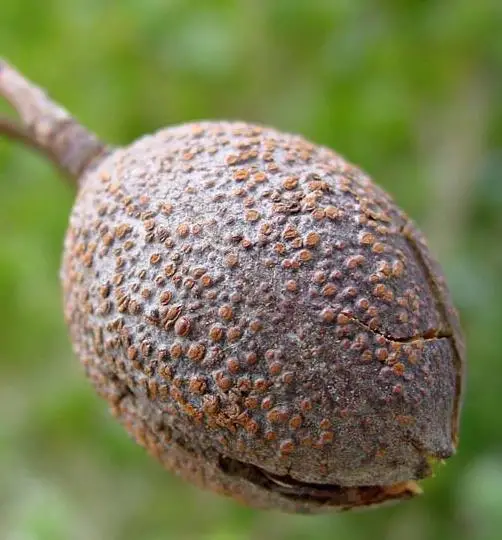
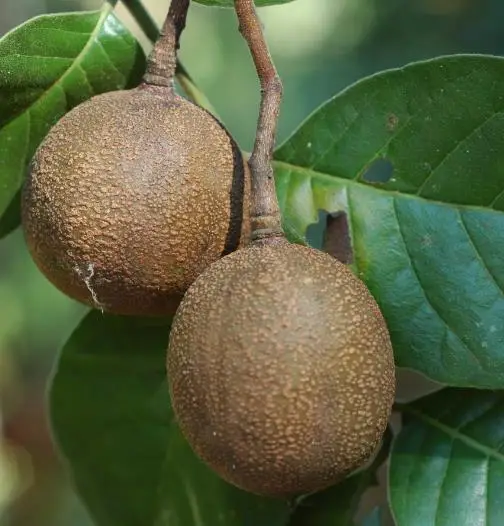
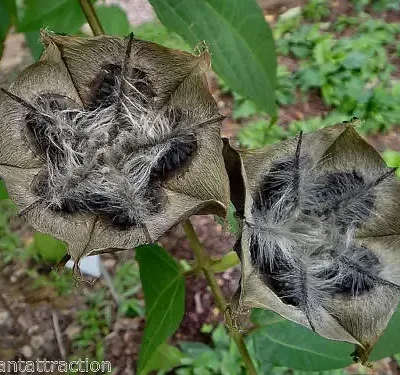
Maintain constant substrate moisture with a transparent lid on seed trays to retain humidity without waterlogging. Provide indirect bright light or artificial LED/fluorescent lighting; avoid direct sunlight which can damage sensitive seedlings. Dry seed capsules in shade before extracting seeds to avoid overheating and desiccation of seeds. Seedlings develop mature leaves 5-6 months after germination; begin acclimatization before transplanting to permanent containers. Fresh seeds retain viability for only 3 months at room temperature but can be stored cold (4°C) for up to 40 months with 60-80% viability. Ensure good drainage to prevent root rot, and protect young seedlings from pests. Transplant seedlings when 1 month old and 6-8 cm tall.
Only logged in customers who have purchased this product may leave a review.








Reviews
There are no reviews yet.