Growing bananas from seed
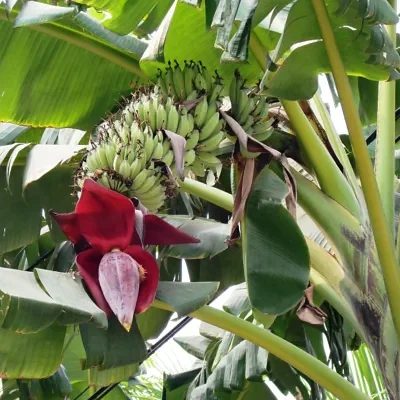
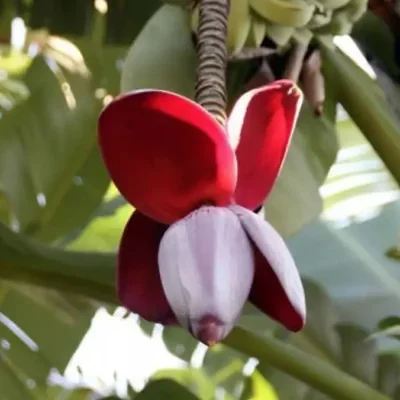
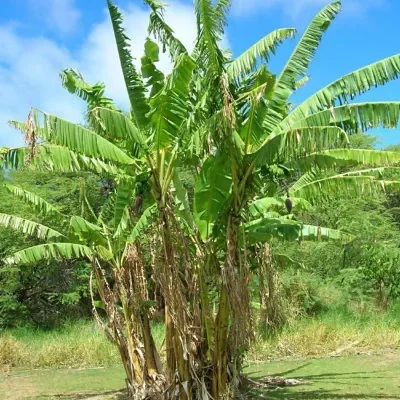
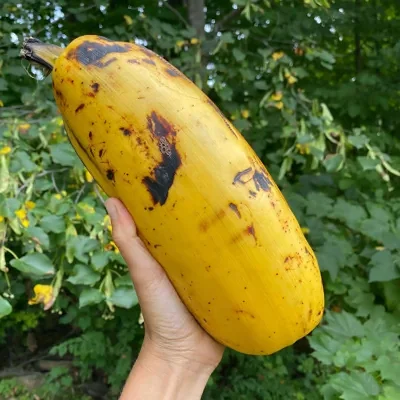
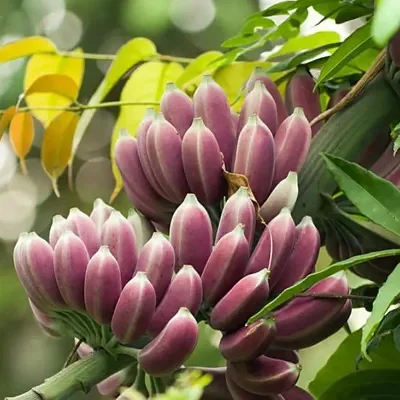
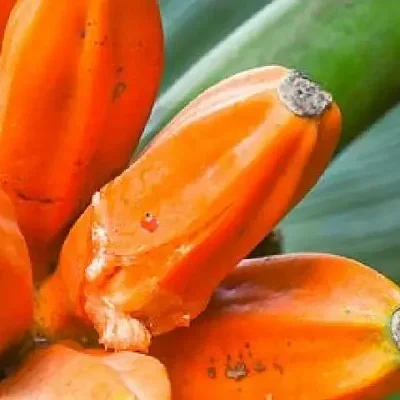
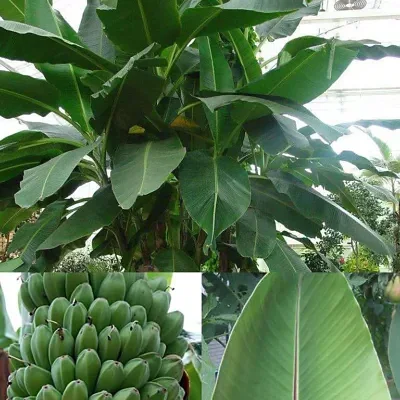
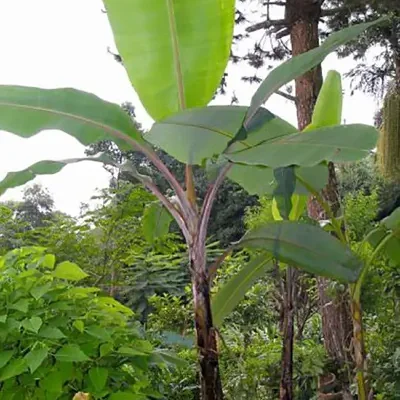
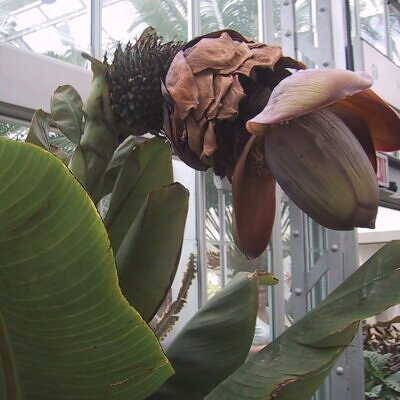
Edible supermarket bananas are seedless, so bananas grown from seed are wild species, prized for their huge leaves and tropical look. Our range includes the Darjeeling Banana (Musa sikkimensis), one of the hardier species; Musa itinerans; Musa thomsonii; the wild ancestor of many cultivated bananas (Musa acuminata); and Musa ingens, the largest herbaceous plant in the world.
Banana seeds have a very hard coat and are among the slowest seeds to germinate. Soak them for 24–48 hours, sow about 1 cm deep in a moist, airy mix and give them warmth with a day–night swing, for example 30 °C by day and 20 °C at night. Germination is irregular: some seeds sprout in two to three weeks, others after several months.
In mild regions, hardier species such as Musa sikkimensis can be grown outdoors with a thick mulch over the roots in winter; the others are best in a greenhouse or as large container plants.
Frequently asked questions
Will the fruit taste like a shop-bought banana?
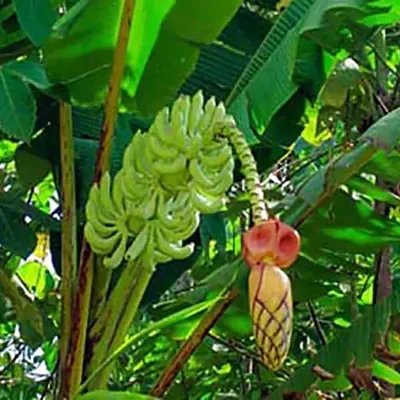
No. Wild bananas produce small, seedy fruit. They are grown mainly as ornamentals.
Why are banana seeds so slow?
Their hard coat and their need for fluctuating warmth. Constant temperature is a common cause of failure.
Can bananas survive winter outdoors?
Some hardier species can in mild regions if their roots are well protected. Leaves are damaged by frost but regrow in spring.
Learn more: Thermal amplitude: the day and night swing