

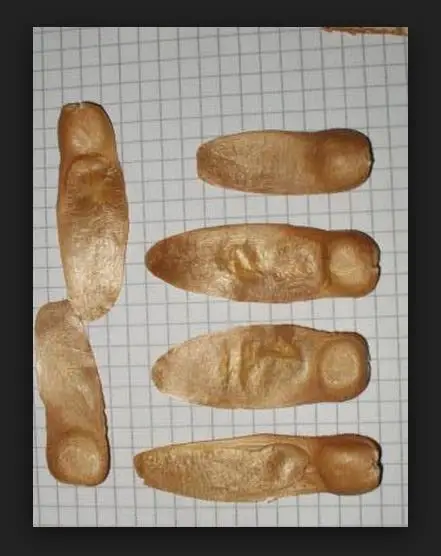
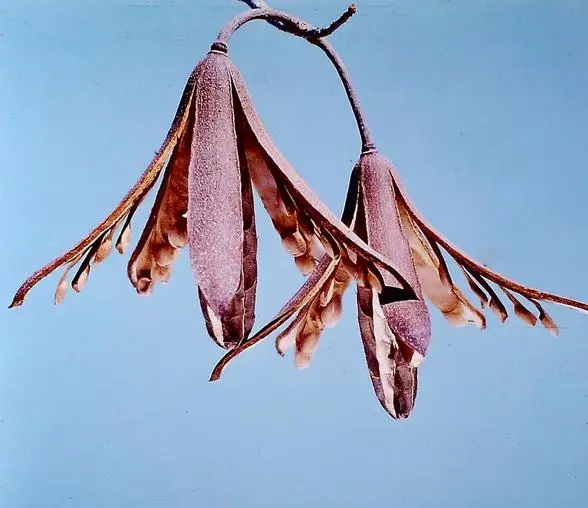
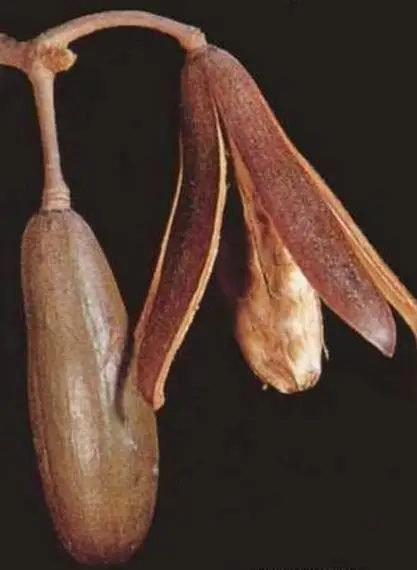
Cultivate the tree florists worship. Entandrophragma caudatum produces extraordinary banana-shaped woody capsules that are coveted by premium floral designers worldwide—irreplaceable for sophisticated arrangements. Its glossy dark foliage and striking architectural fruits make this African mahogany a statement piece for gardens. Easy to grow from seed in full sun with moderate water. Start yours now.
When you grow this tree, you’re cultivating a living treasure that blooms into floral gold.
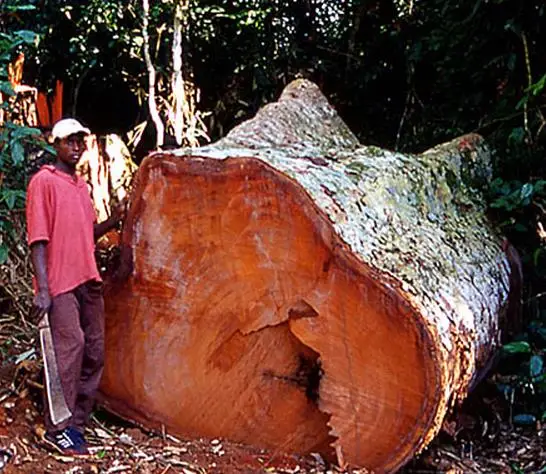
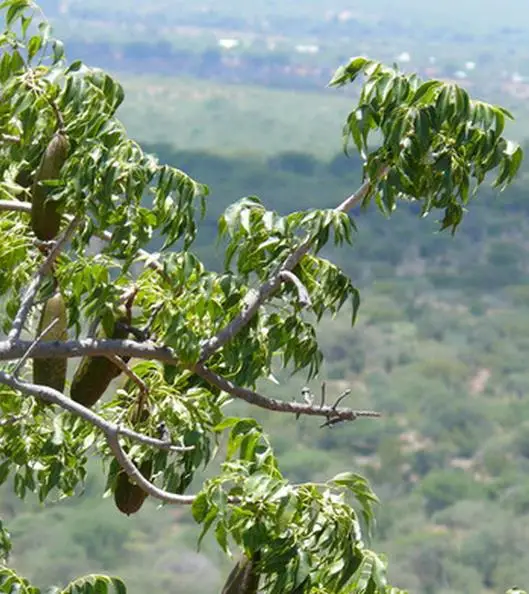
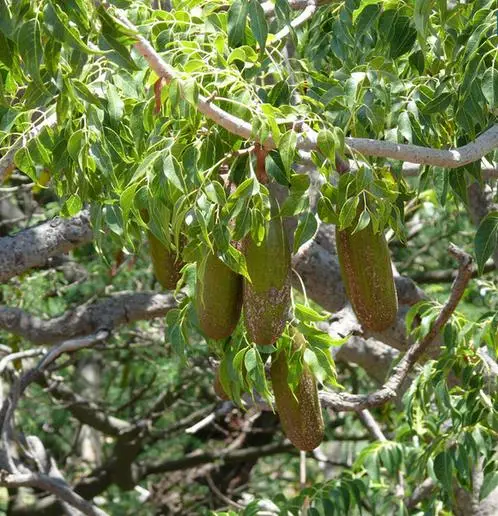
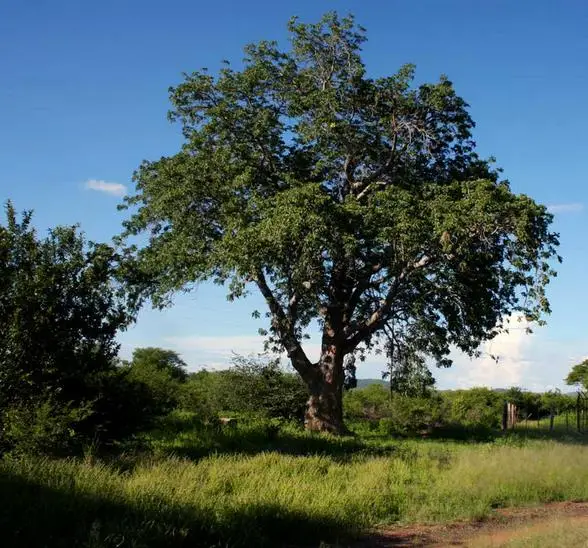
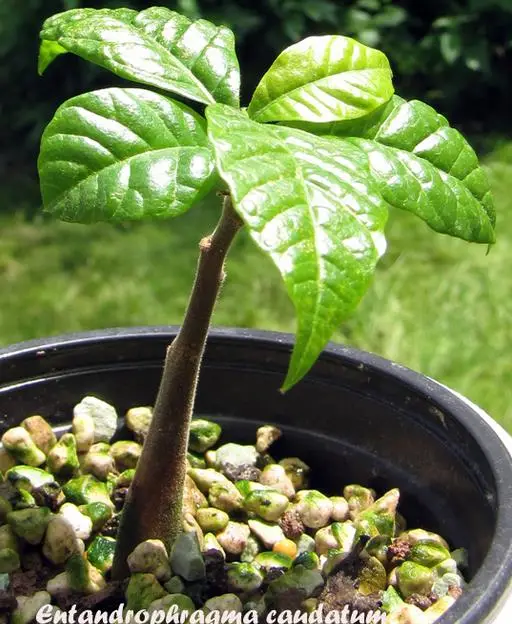
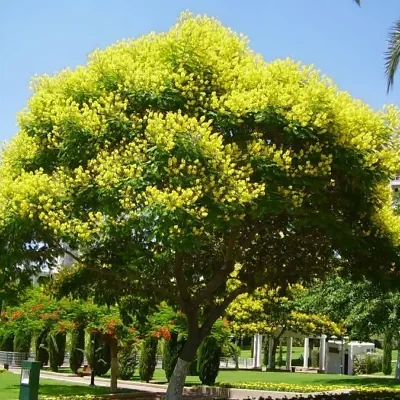
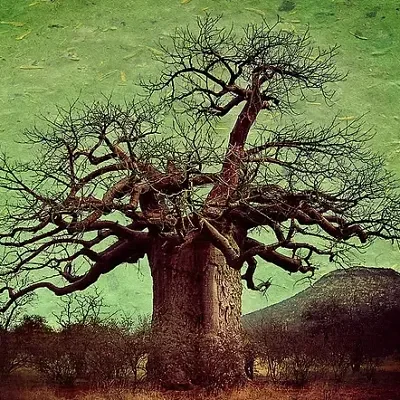
Entandrophragma caudatum is a strikingly beautiful deciduous tree native to Southern Africa, where it has commanded reverence for centuries. Its Latin name—”caudatum”—means “tailed,” referring to the delicate drip-tips on its compound leaves. This is a tree with presence: it grows to 20-30 meters in its wild home, but remains gracefully scaled enough to thrive in any serious garden. The architecture is unmistakable—a dense crown of glossy, dark green foliage rising from silvery-grey bark that peels in irregular scales, revealing a warm buff undersurface. Pure elegance.
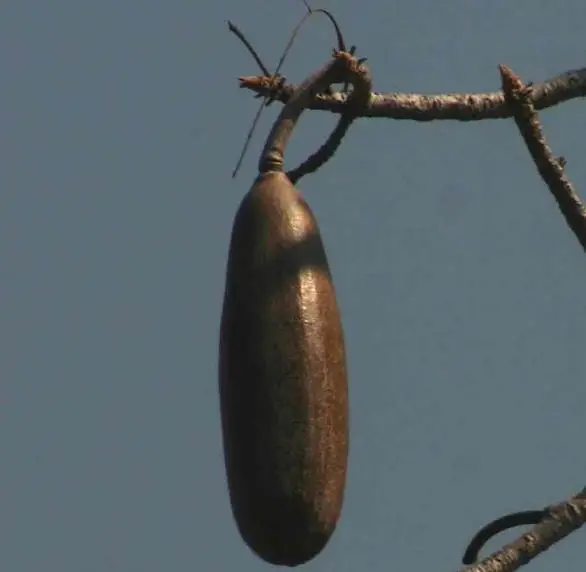
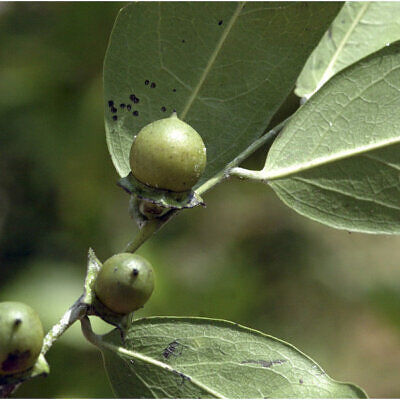
But here’s what makes collectors and connoisseurs desperate for this species: its extraordinary fruit. As the tree matures, it produces remarkable woody capsules—each one 15-20 cm long, shaped like a perfectly curved banana, with five pale-brown valves that curl backward when ripe. Florists and floral designers have discovered what indigenous peoples knew: these dried fruit structures are botanical gold. International floral houses prize them for high-end arrangements, wedding designs, and commercial floristry. Each seed pod is a sculptural marvel—impossible to source elsewhere, utterly distinctive, impossible to forget. Grow this tree, and your harvest becomes art.
Beyond floristry, Entandrophragma caudatum offers quiet depth. Traditional healers value its bark, seeds, and wood for medicine. Young trees adapt beautifully to bonsai training. The wood itself is dense and rich—historically used by Barotseland royalty to carve royal canoes. The chemistry is compelling too: the species contains limonoids, compounds showing promise in antimalarial research. You’re not just growing a tree; you’re stewarding living history and botanical potential.
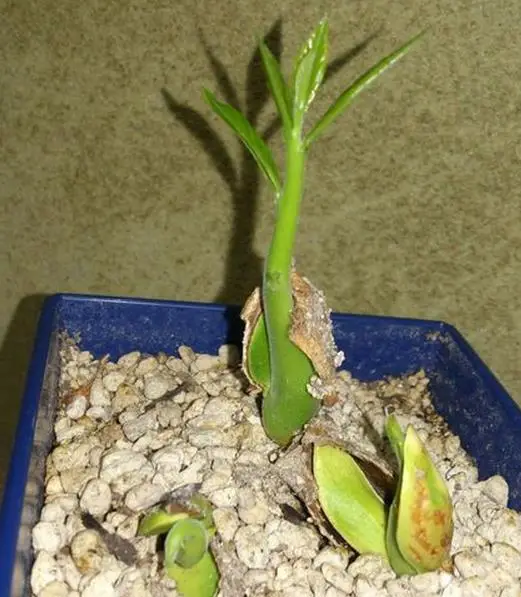
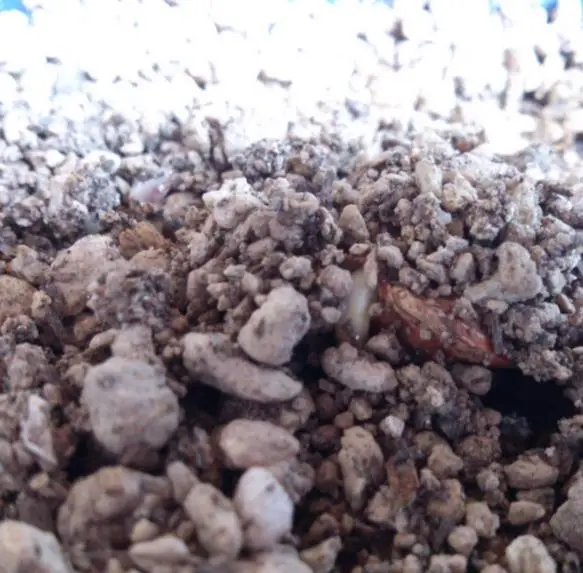
Cultivation is straightforward enough that you’ll wonder why more gardeners don’t grow this treasure. Place your seedlings in full sun or partial shade and water moderately—the tree is genuinely drought-tolerant once established. It thrives in sandy or loamy soils, adapts to rocky slopes, and is happiest in USDA zones 9-11. Seeds germinate within 2-3 weeks (though some may continue germinating up to 90 days—patience reveals the stragglers). Seedlings are surprisingly vigorous, so expect rapid growth. In cooler climates, container cultivation works beautifully; use well-draining, airy soil and shelter from hard frost. The tree’s only major dislike is freezing temperatures, so protect young specimens through their first winter.
Here’s the truth: Entandrophragma caudatum is rare in cultivation precisely because so few know to seek it. But the florists, collectors, and discerning gardeners who do grow it understand something precious—that some plants reward patience with something unforgettable. Start your seeds now. In a few years, you’ll harvest fruit structures that galleries and designers will clamor for. You’ll have cultivated not just a tree, but a conversation piece, a heritage plant, a living artwork.
Only logged in customers who have purchased this product may leave a review.
Reviews
There are no reviews yet.