
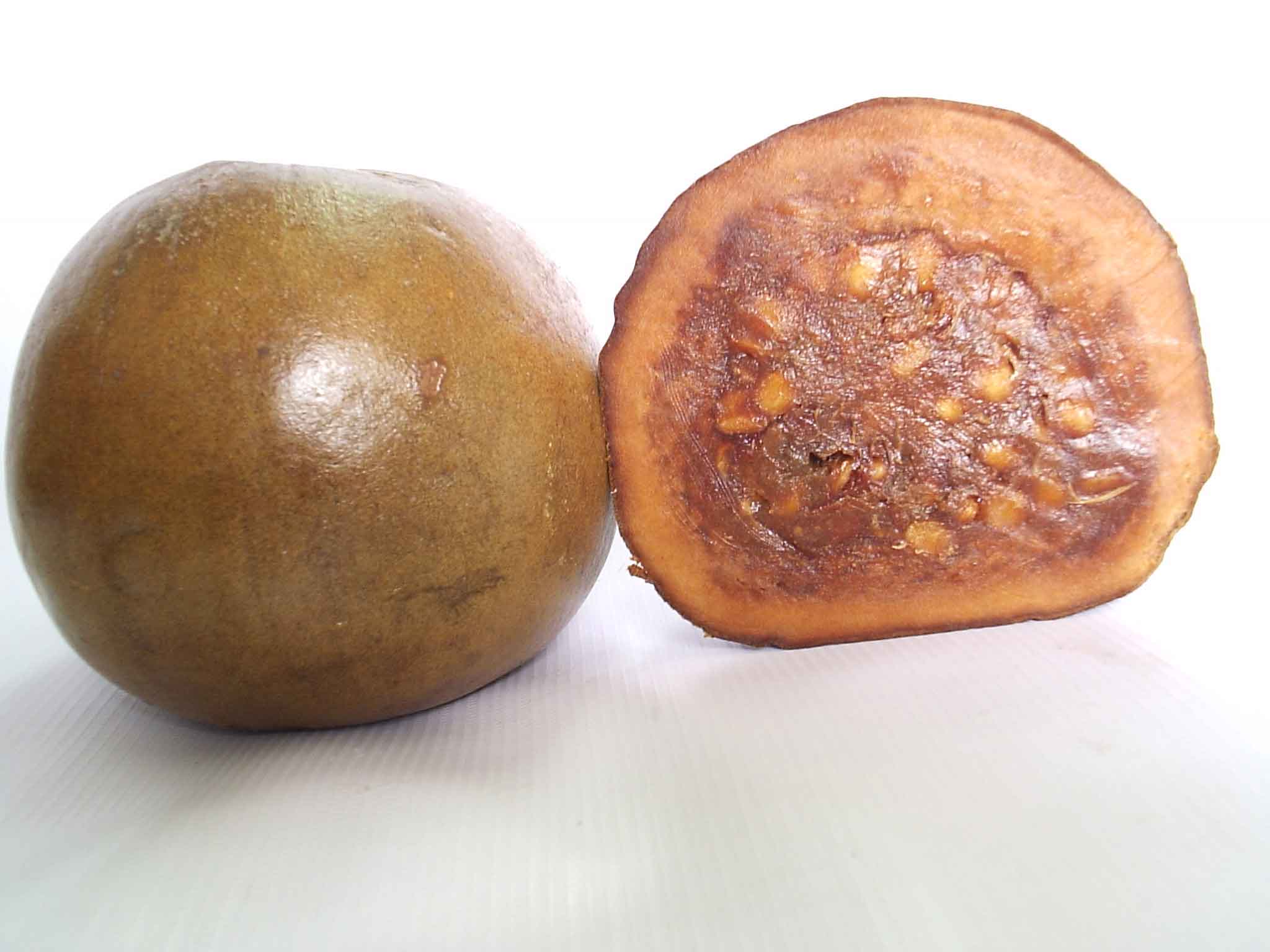

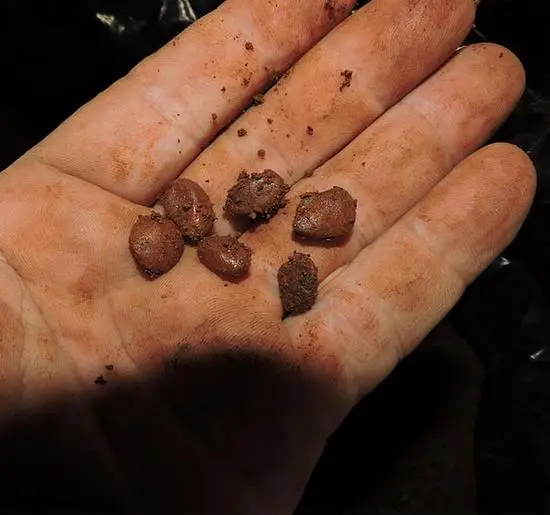
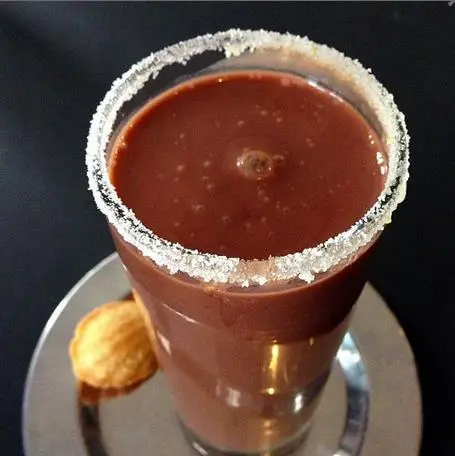
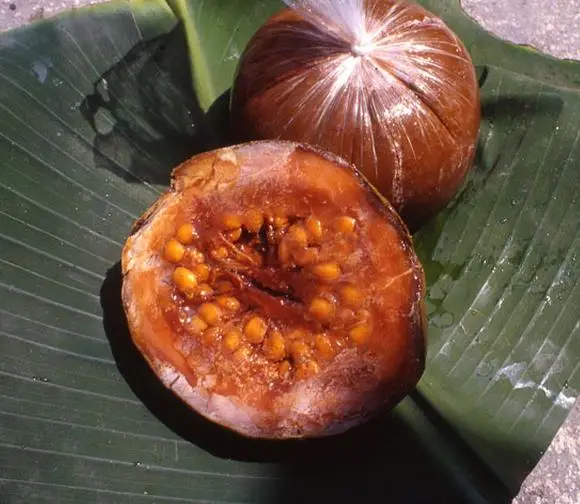
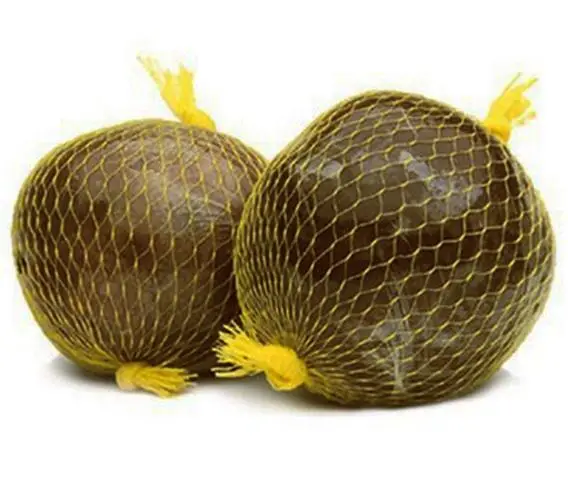
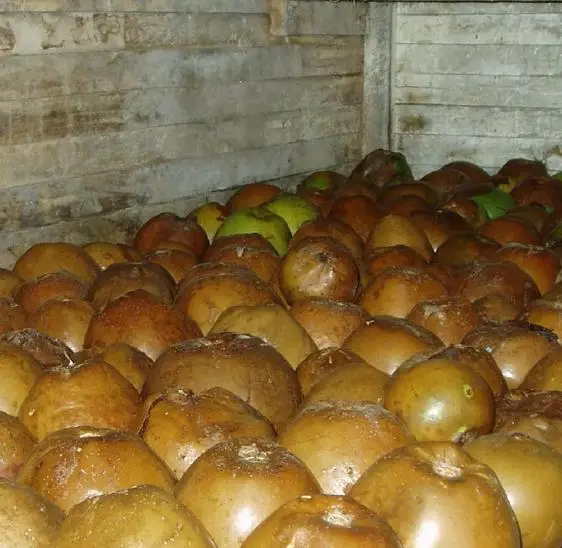
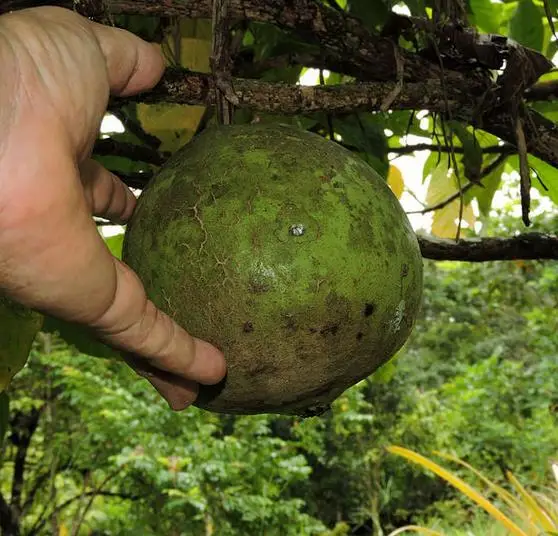
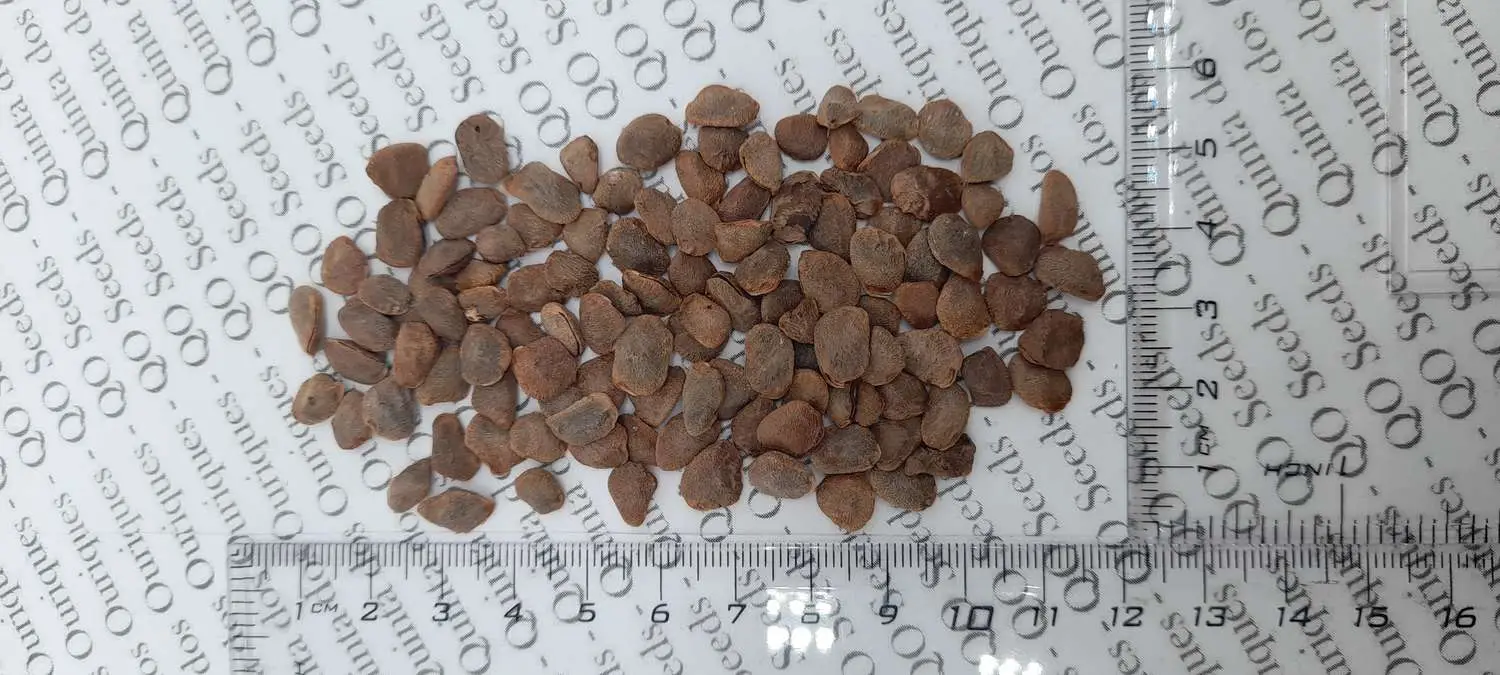
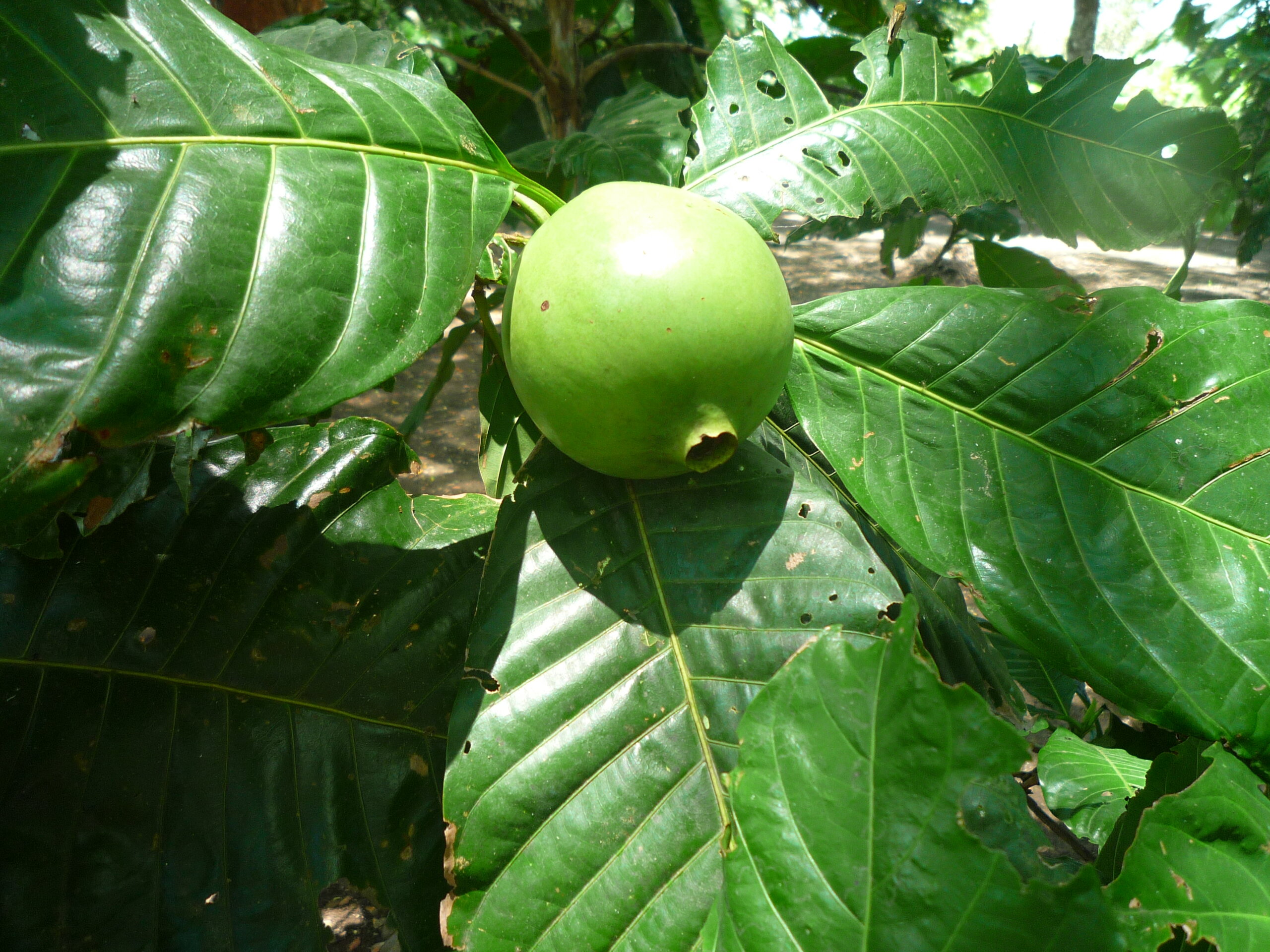
Grow the myth. Borojó is affectionately nicknamed “the love fruit” in Colombia, and the “love juice” extracted from it is very appreciated in Colombia, Ecuador, and Panama. One pound of Borojó fruit is equal to the amino acid content of three pounds of fresh meat—a powerhouse superfruit ready from seed. The tree thrives in hot, humid tropical climates with high
€3.89
Although the western discovery of borojó is as recent as 1948, its several traditional uses in gastronomy and medicine, and its fame as an aphrodisiac are long standing and strong: the “love juice” extracted from it is very appreciated in Colombia, Ecuador, and Panama.
Borojó, native to the world’s wettest lowlands (the Chocó–Darién moist forests ecoregion), grows in the Chocó Department of northwestern Colombia and in the Esmeraldas Province of northwestern Ecuador. Borojó is an Emberá word meaning: boro = head, jo = fruit – head-shaped fruit, or round, globulous fruit. For centuries, indigenous communities have cherished this tree as a tonic and cure-all—and now the world is catching up.
The magic lies in the fruit itself. Borojó is affectionately nicknamed “the love fruit” in Colombia, believed to boost vitality and libido. Local folklore attributes near-mystical properties to its consumption—especially in the Pacific coastal communities, where it is often used in tonic drinks blended with honey, milk, or rum, called “Jugo del Amor” (Juice of Love). Scientists later found that its amino acid profile, especially high levels of lysine and tryptophan, supports serotonin synthesis, explaining its mood-enhancing effects. Beyond romance, one pound of Borojó fruit is equal to the amino acid content of three pounds of fresh meat. This is also good news for people with vegetarian diets, to compensate the protein and amino acid levels in the body. Several bioactive compounds have been identified in borojó with antioxidant, antibacterial and anticancer activities. It is used by the local communities against hypertension, bronchial diseases and malnutrition, while the pulp of the fruit is also commonly used in facial masks as a skin treatment.
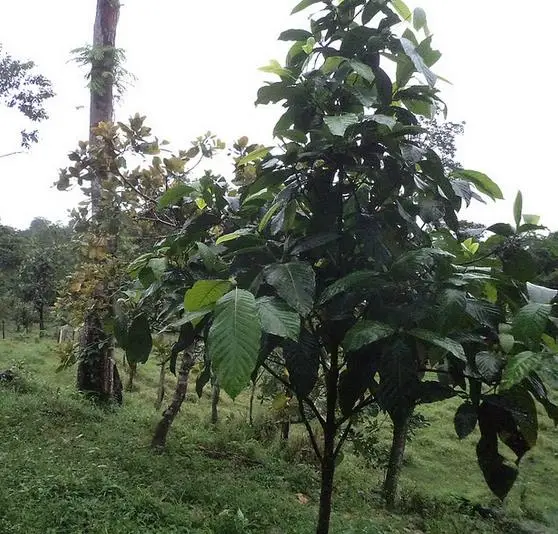
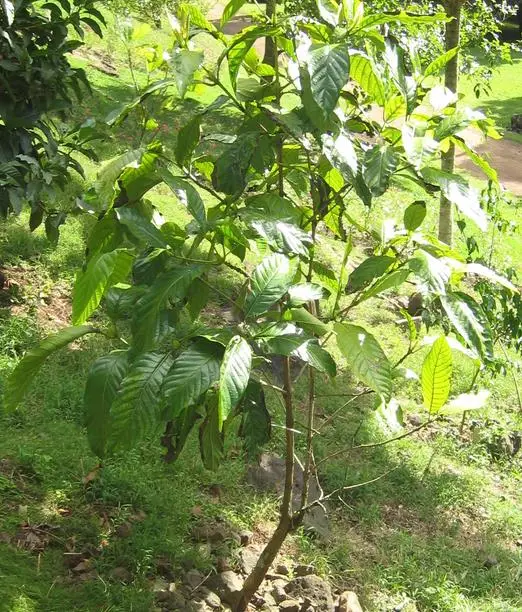
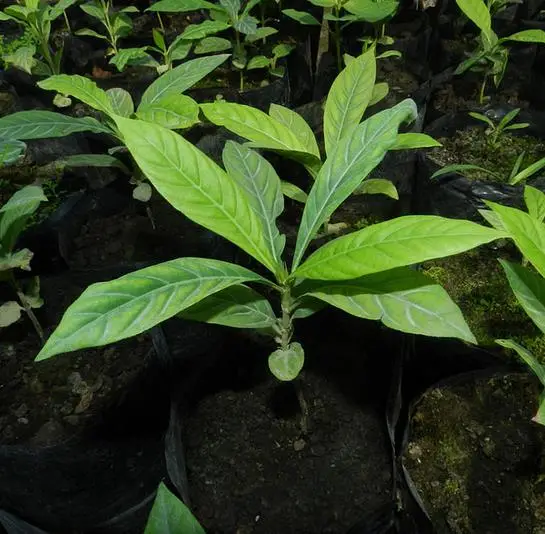
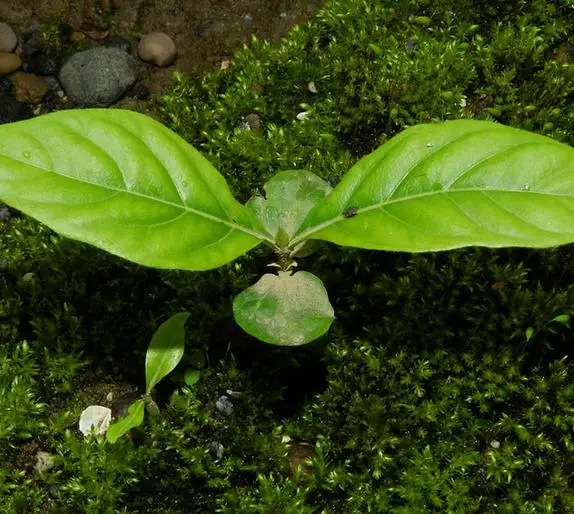
Growing Borojó is a joy. Alibertia patinoi is a small (2-5m), dioecious tropical rainforest tree, one of the few edible fruit bearing species in the Rubiaceae family. The tree grows to about 3 to 5 meters (10 to 16 feet) and thrives in hot, humid tropical climates with high rainfall, often under the canopy of larger trees. It grows well in areas below 800 meters above sea level, in hot and humid climates, with an average temperature of 28 °C, and a relative humidity of 75 to 85%. It is suitable for light (sandy), medium (loamy) and heavy (clay) soils, prefers well-drained soil and can grow in heavy clay soil. Suitable pH: mildly acid, neutral and basic (mildly alkaline) soils. It can grow in full shade (deep woodland) or semi-shade (light woodland). It needs high humidity (over 85%) and temperature (an average of at least 25 °C) to thrive, though it can tolerate brief frosts as well as floods. For cooler climates, it is easily grown in warm greenhouses in cooler climates. The plant begins to bear fruit after three years.
From seed to harvest to the mythical “Jugo del Amor” on your table—grow the legend. This is more than a fruit tree. It’s an heirloom of passion, health, and the living memory of the Chocó rainforest.
Only logged in customers who have purchased this product may leave a review.


Reviews
There are no reviews yet.