Seeds for soil recovery and reforestation
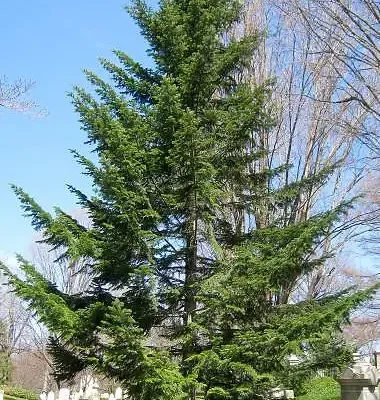
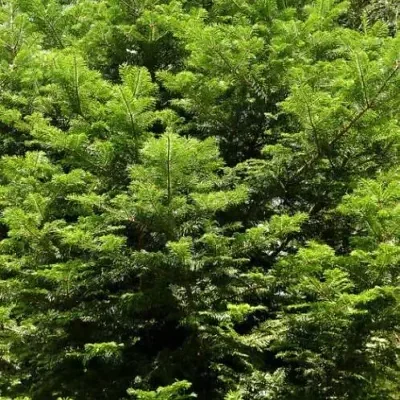
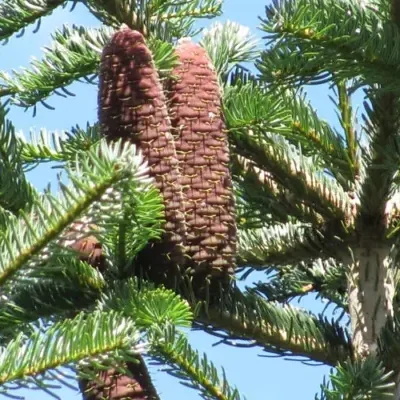
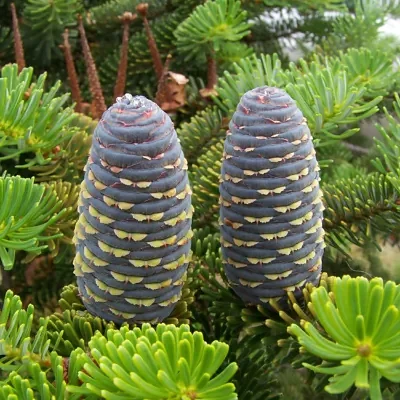
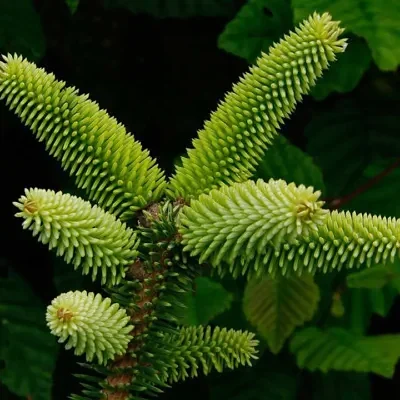
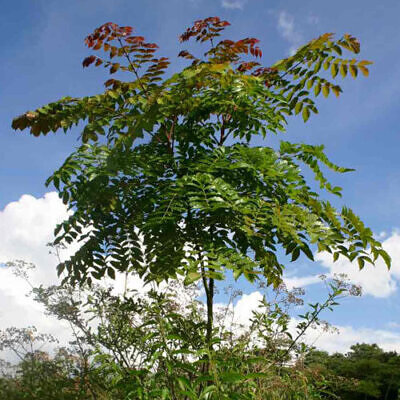
Over 100 species chosen for hard jobs: fast biomass from the Pink Empress Tree (Paulownia elongata); drought- and salt-tolerant trees such as the Toothbrush Tree (Salvadora persica) and Khejri (Prosopis cineraria); nitrogen-fixing legumes such as Gliricidia (Gliricidia sepium); hardy dry-land fruit trees such as Tamarind (Tamarindus indica); and conifers such as the Pindrow Fir (Abies pindrow) and Japanese Black Pine (Pinus thunbergii).
Most of these are pioneer species: they establish quickly in poor or degraded soil, protect it from erosion and create shelter for slower trees. Hard-coated legumes need scarification or a hot-water soak before sowing; Paulownia has tiny seeds that need light and are surface-sown; conifers often germinate better after a short cold stratification. Sow in deep cells or root trainers so the taproot can develop, and plant out before roots circle.
Choose species suited to your climate and check local rules before planting at scale: several countries, including Portugal, regulate the planting of some non-native trees in forestry. Larger quantities are available in our Wholesale section.
Frequently asked questions
Which trees improve the soil?
Nitrogen-fixing legumes such as Gliricidia and Prosopis, together with fast leaf-litter producers. Fixation works best where the right soil bacteria are present.
Can I plant these species on a large scale?
Yes, where they suit the climate and are allowed by local regulations. Check before planting non-native species in natural areas.
Do you sell larger quantities?
Yes. See the Wholesale section or contact us for a quote.
Learn more: Physical dormancy: hard coats