Description
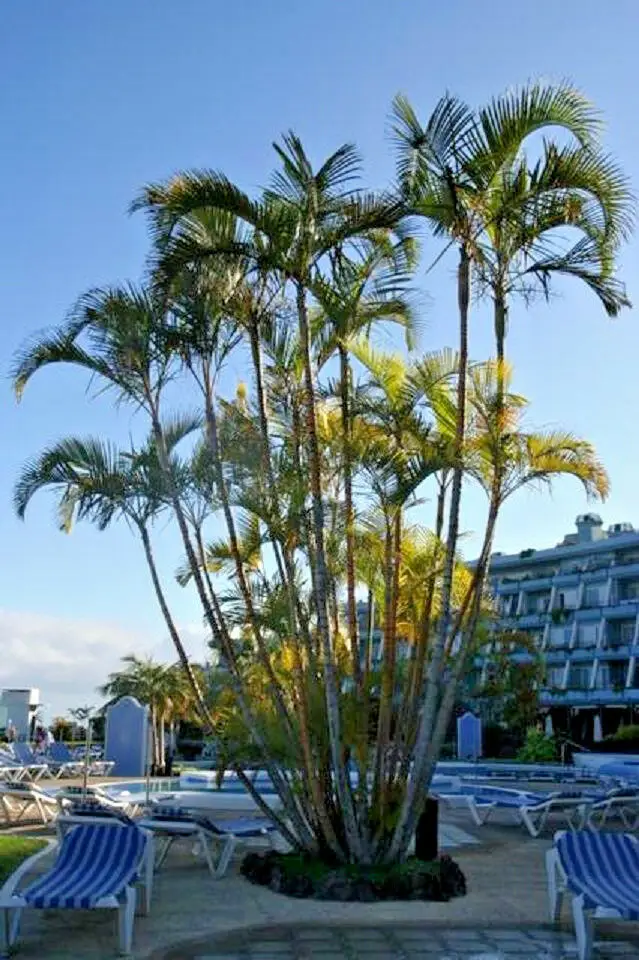
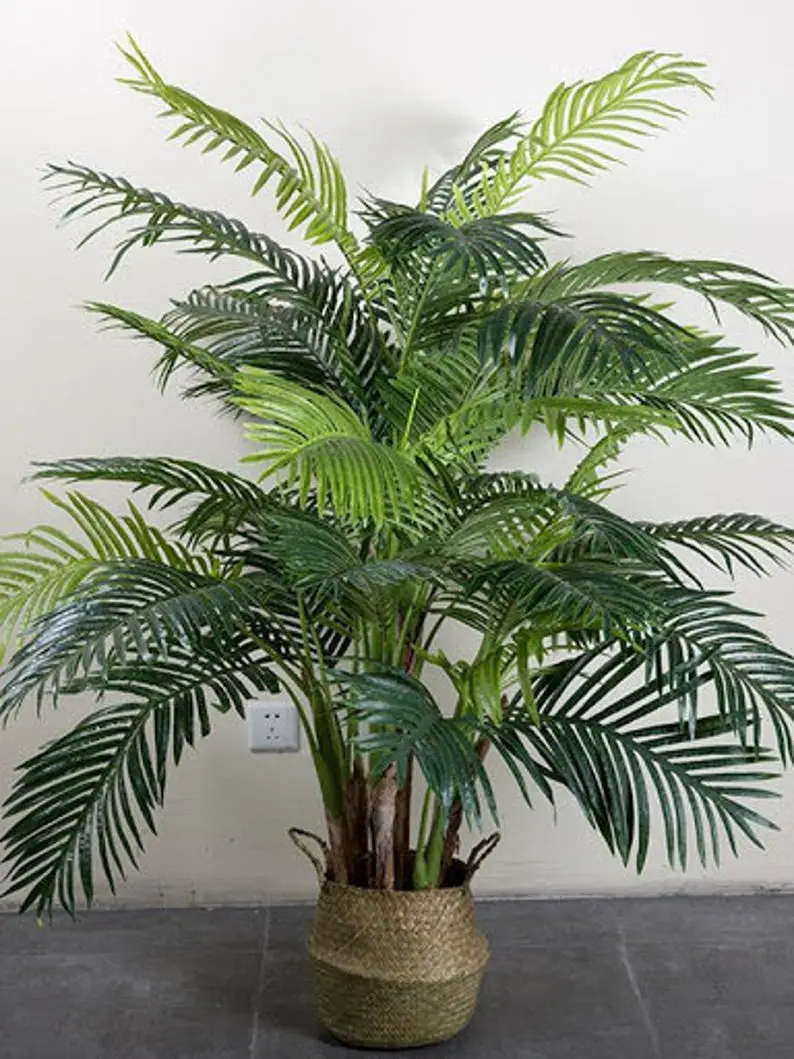
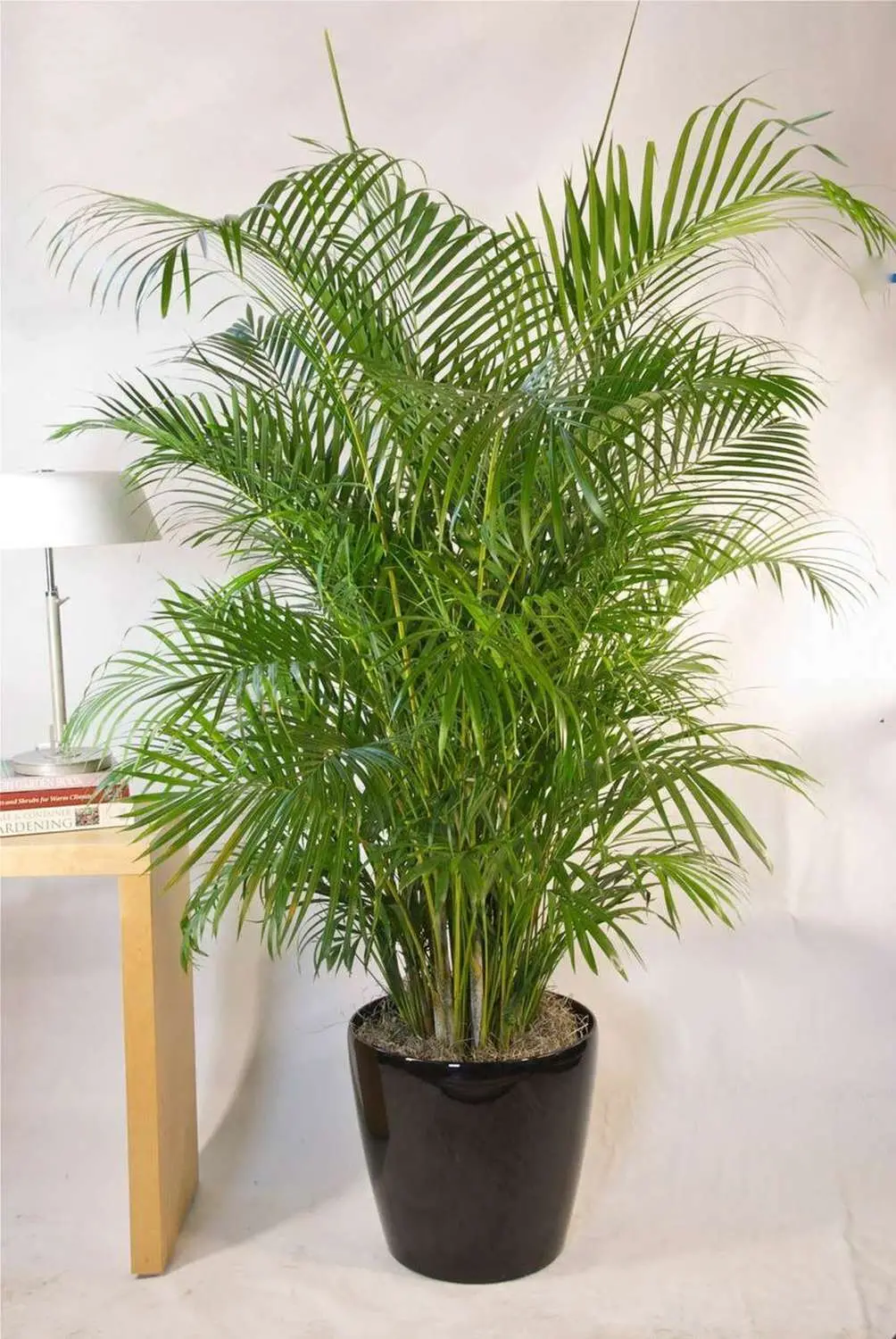
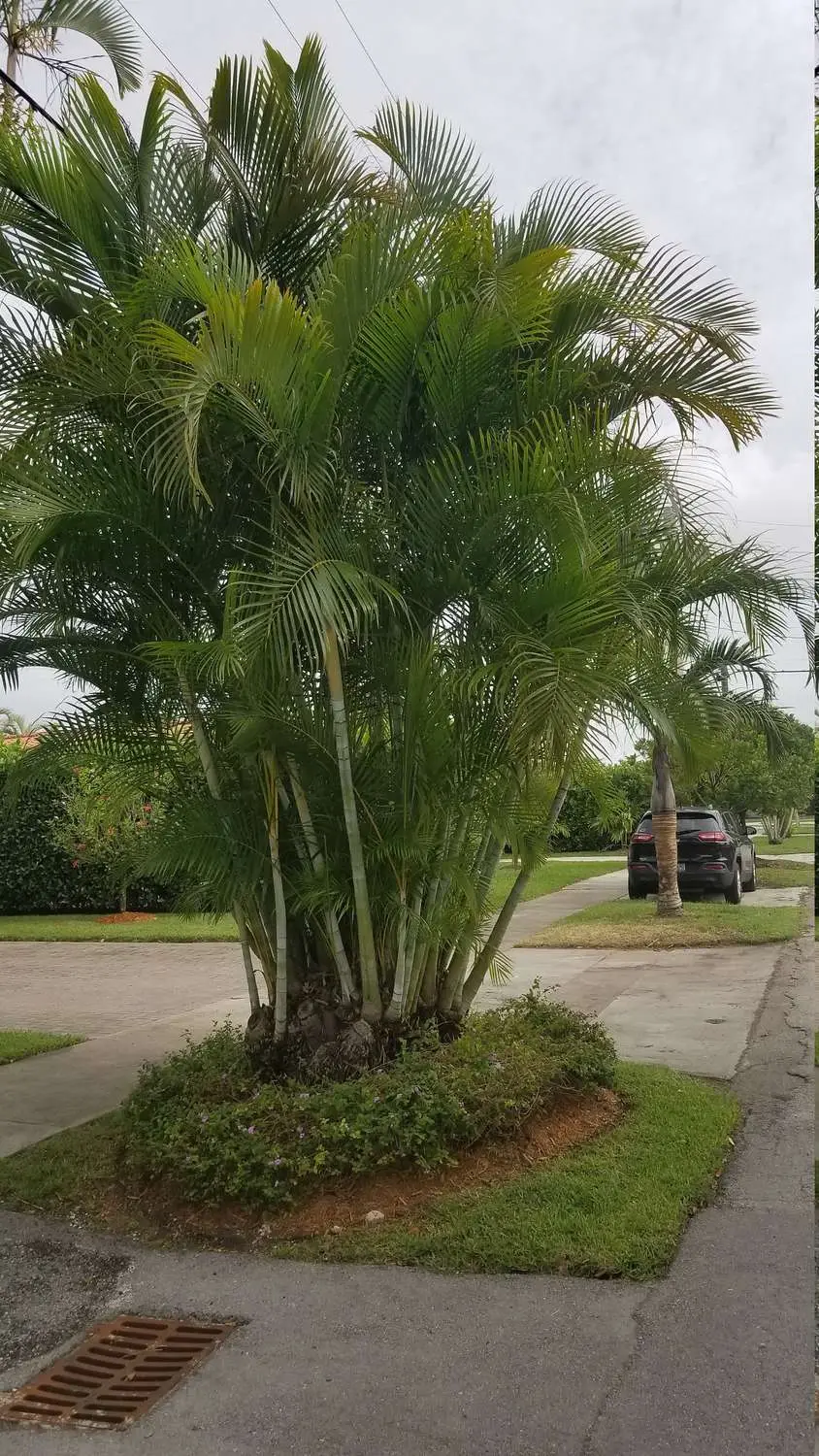
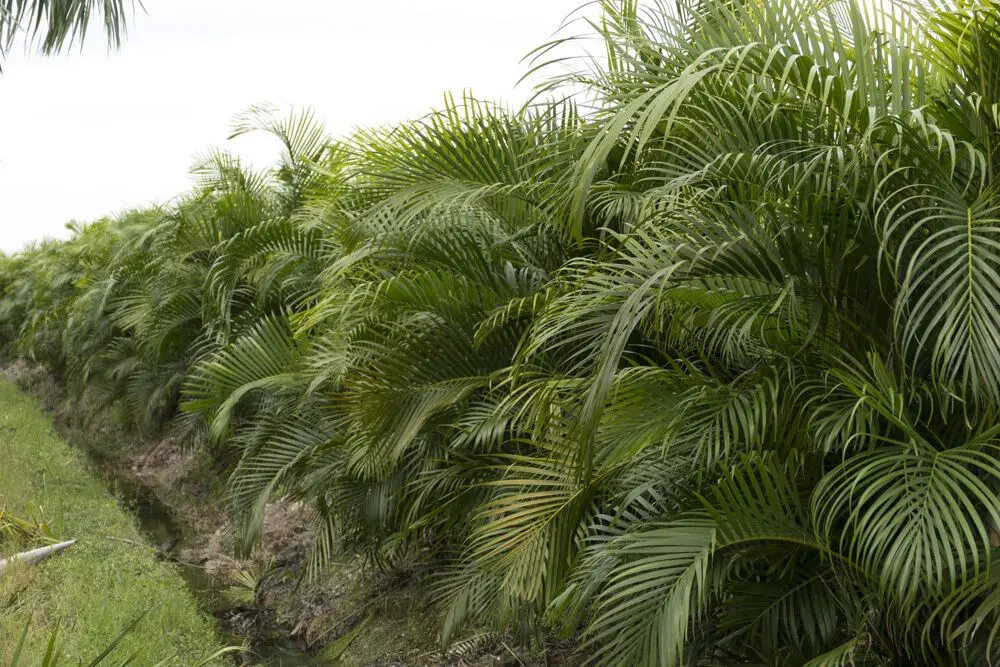
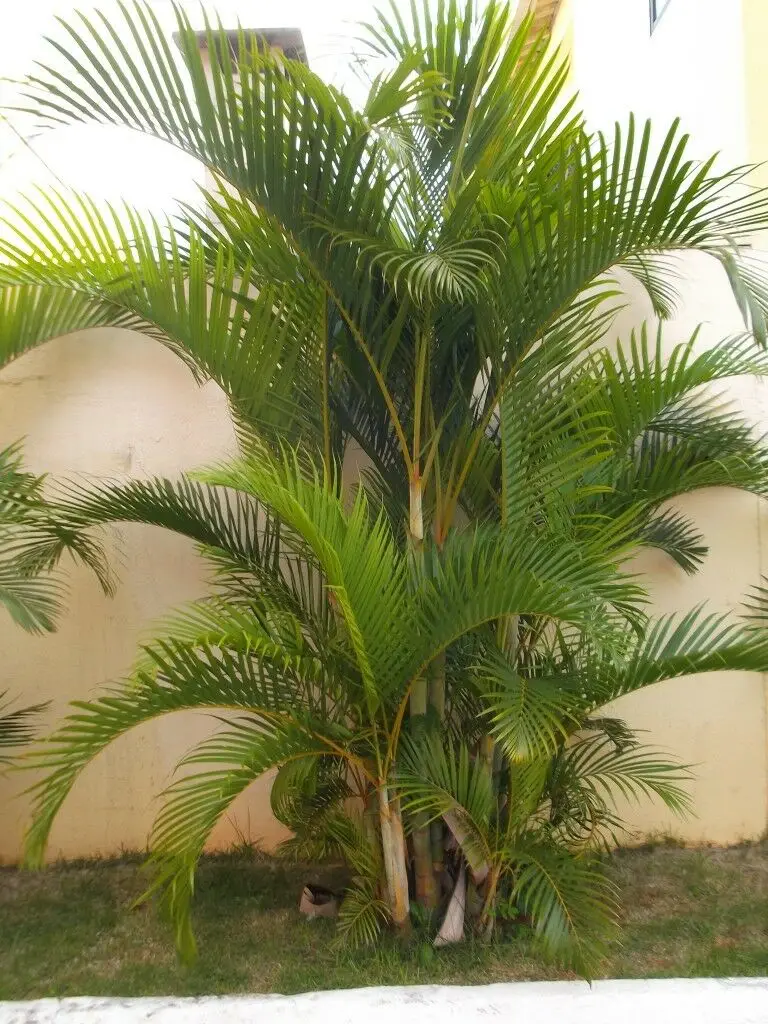
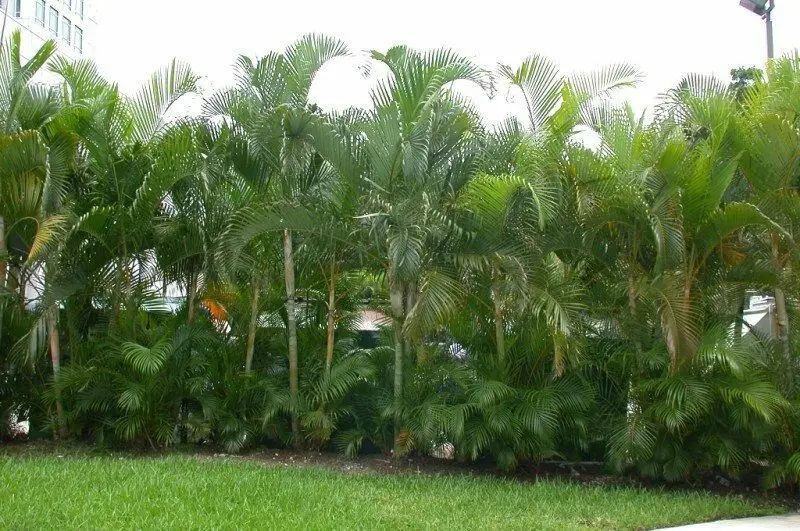
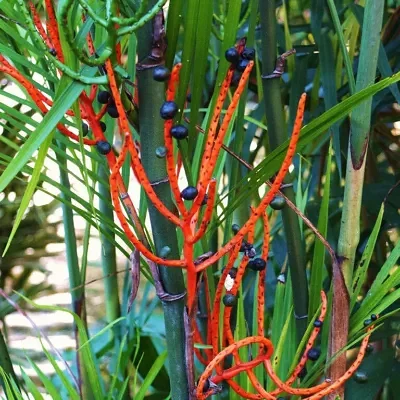
As one of the world’s most popular indoor plants, the Golden Cane or Areca Palm hardly needs an introduction. Outdoors, it quickly develops into an elegant, midsized palm with densely clustering, slender, green trunks; yellow crownshafts and leafstalks; and recurving, keeled leaves. Dypsis lutescens originally comes from Madagascar, the home of so many exciting palms, where it grows in coastal forest on sandy soils. It will tolerate cool conditions to some extent, as well as light frosts, and is best suited to climates ranging from subtropical to tropical.
Germination Guide
🌍 Madagascar
Moderate
Dypsis lutescens, also known as Golden Cane Palm or Butterfly Palm, is a popular tropical palm native to Madagascar. Seeds are slow to germinate, requiring warm temperatures, high humidity, and consistent moisture. Germination is challenging but rewarding, taking 6-26 weeks or longer under proper conditions.
Germination
Germination time
Expect germination in
42 – 180 days
Temperature
Min 25°C
Ideal 27°C
Max 30°C
Substrate moisture
💧💧 High
Sowing depth
Lightly covered
Seed Pre-treatment
-
💧
Soaking — 48 hours
Soak seeds in warm water for 24 to 48 hours to soften the outer seed coat. Water should be changed regularly.
-
📋
Additional notes
Use high-quality, well-draining seed-starting mix or potting soil combined with perlite. Peat-perlite mixture is recommended. Ensure substrate is free of pathogens.
Substrate & Container
Recommended substrate
Peat with perlite or well-draining potting soil with perlite and sand
Recommended container
Transparent plastic container with lid (minimum 20 cm height) or seed tray covered with clear plastic film
Growing Tips
Soak seeds for 24-48 hours in warm water before sowing. Use fresh, orange-colored seeds for better germination rates. Place seeds just beneath the soil surface (approximately 1-2 cm deep). Maintain soil moisture but avoid waterlogging. Cover with transparent plastic to retain humidity and promote air circulation. Use bottom heat (heat mat) set to 25-30°C for optimal results. Keep seedlings in bright, indirect light without direct sun exposure. Do not discard seeds prematurely—germination can take 2-6 months. Once sprouted, gradually acclimate seedlings to ambient conditions before transplanting to individual containers. Space seedlings adequately to allow root development.
Only logged in customers who have purchased this product may leave a review.

Reviews
There are no reviews yet.