
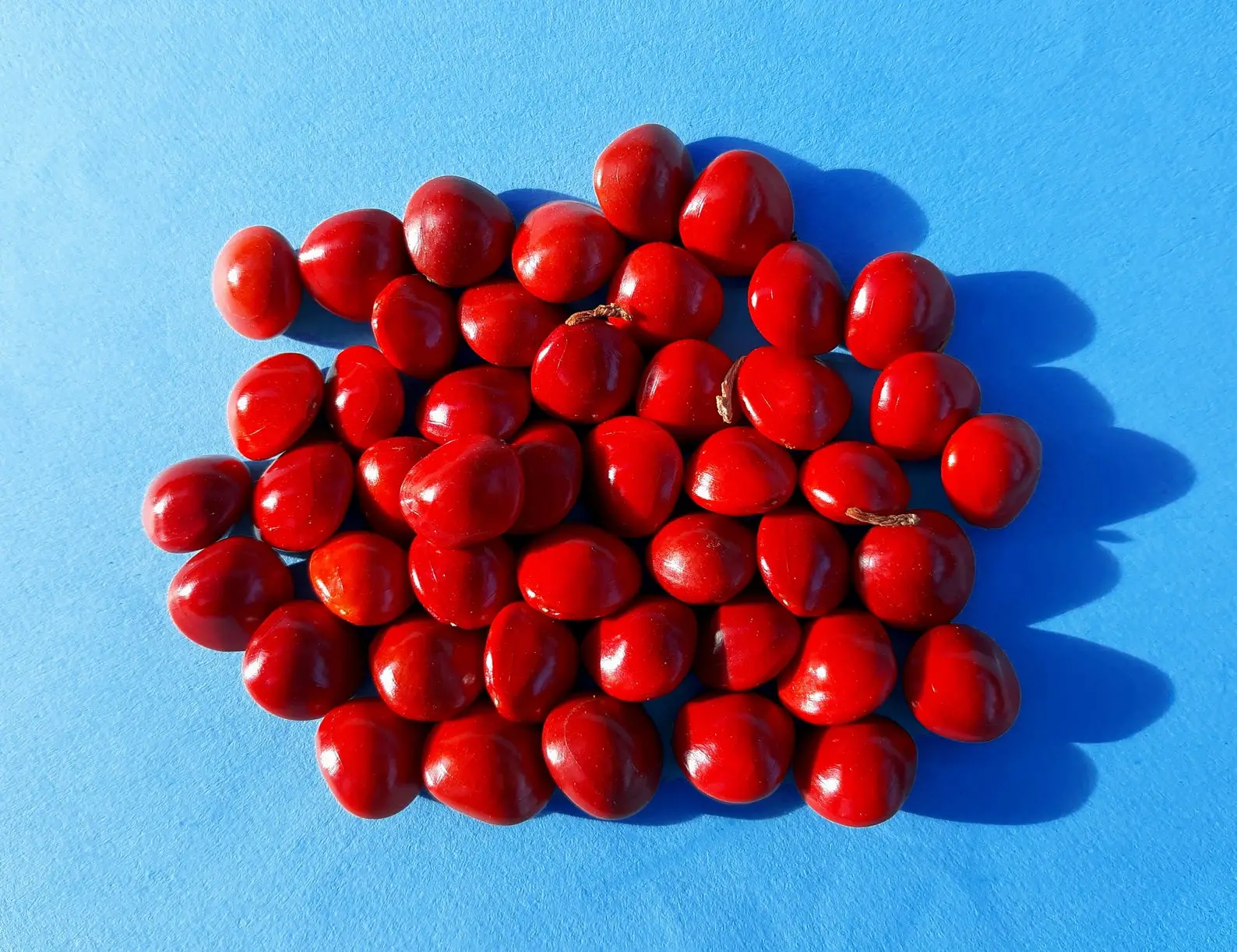
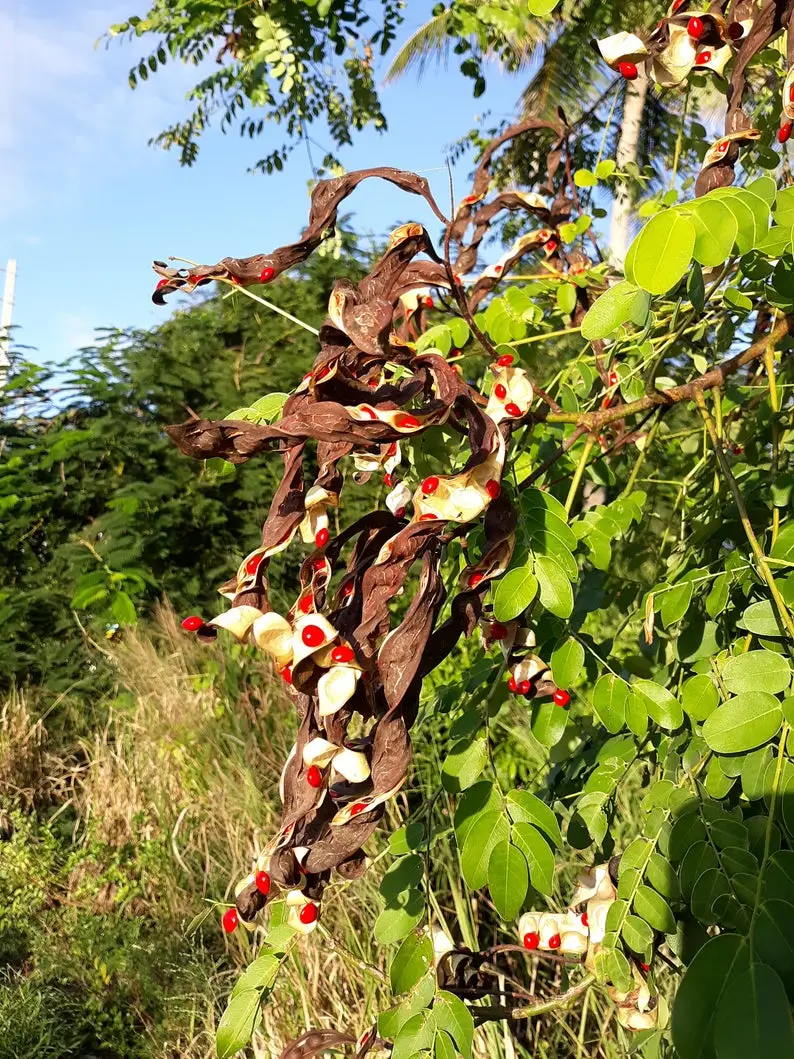
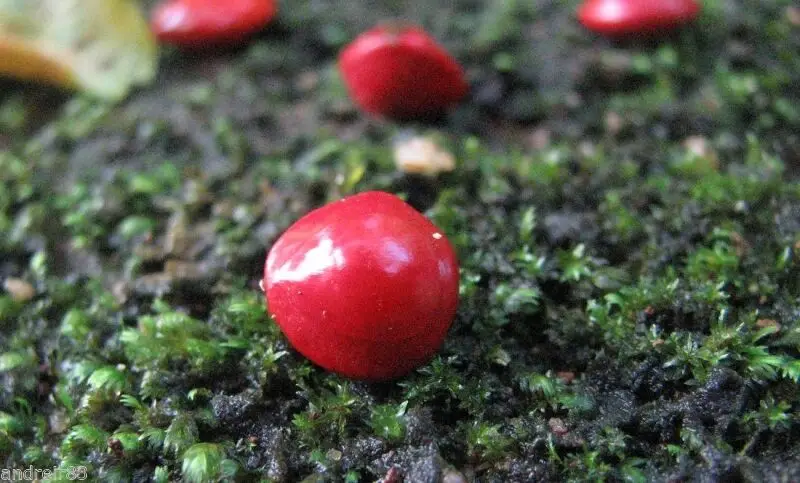

Imagine harvesting your own vivid scarlet beads—glossy, perfectly formed, steeped in centuries of jewelry-making tradition. Adenanthera pavonina produces curved pods containing 8-12 hard, bright red pea-like seeds whose beauty has led to their use as beads for jewellery. This fast-growing tree thrives in tropical and subtropical climates with easy cultivation. Grow a living treasure chest from see
€3.42
Adenanthera pavonina (red sandalwood) is a species of leguminous tree native to southern Asia and northern Australasia, and it holds a secret that has captivated artisans and cultures for centuries: some of the most exquisite seeds in nature.
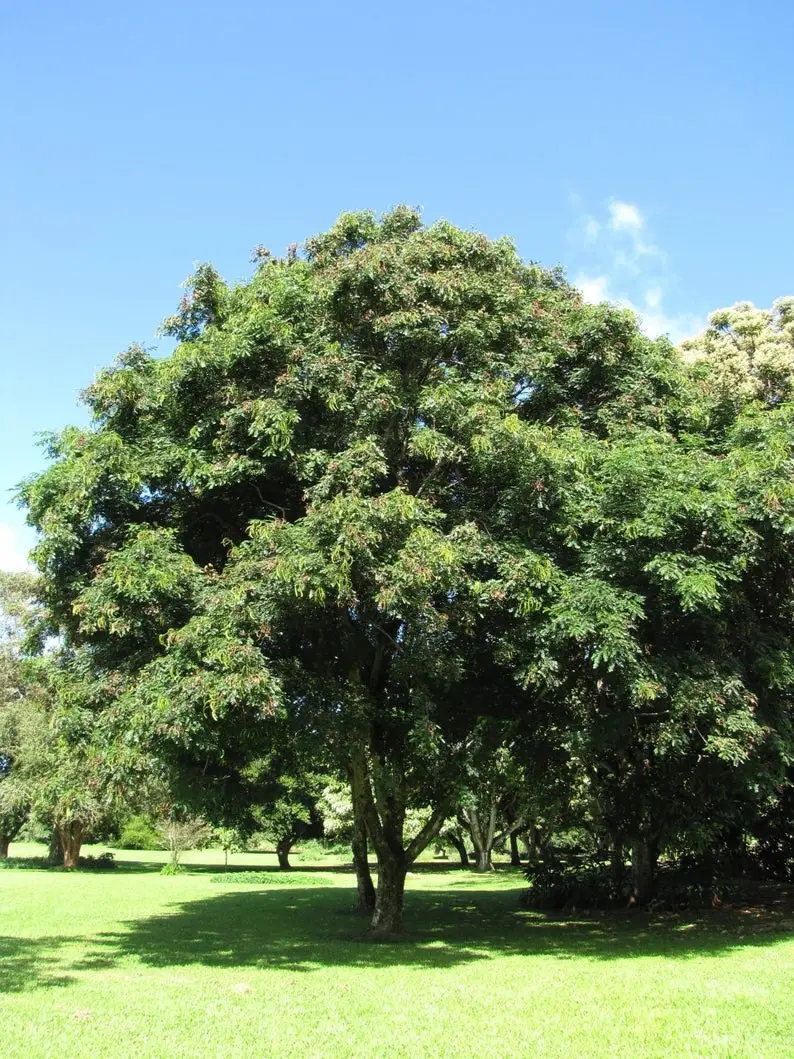
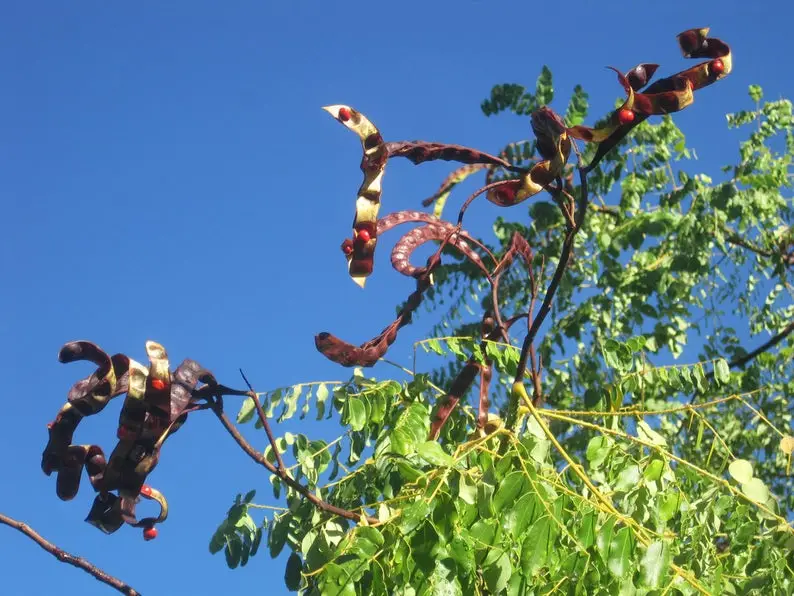
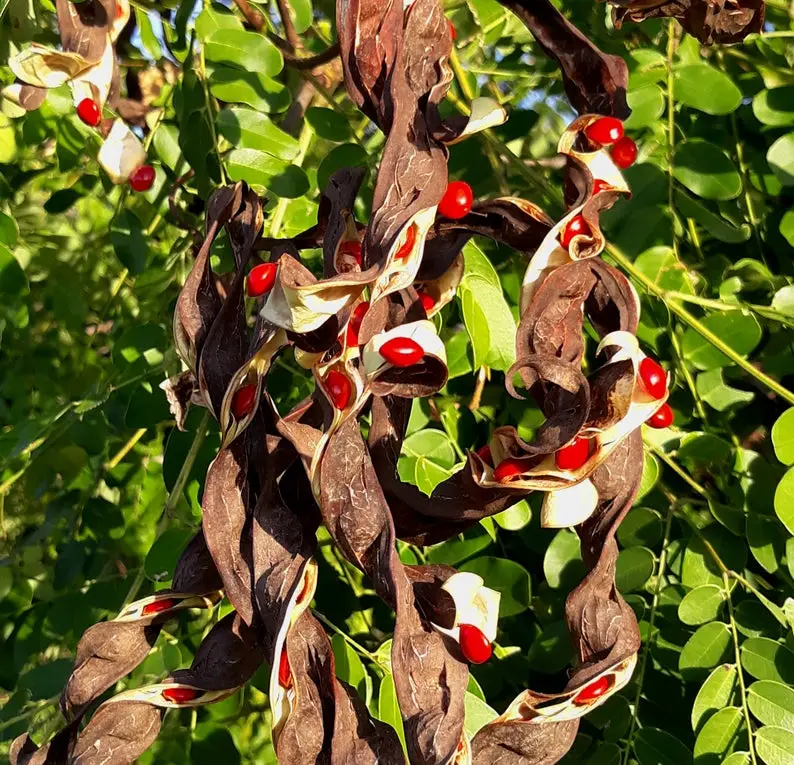
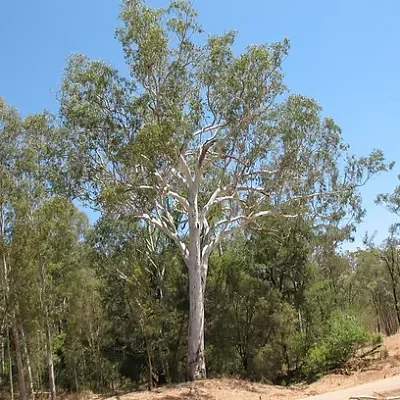
This is a very fast-growing deciduous tree with a spreading crown of light, feathery foliage. A medium-sized tree growing to 15–18 m tall, the leaves are bipinnate, up to 40 cm long, with a soft, delicate appearance. The flowers are produced on slender racemes up to 30 cm long, each flower around 1 cm wide, with five small creamy white petals, and the tiny flowers are said to smell vaguely like orange blossoms. But the real magic is in the fruit: curved pods up to 22 cm long containing 8-12 hard, bright red pea-like seeds that split open into two twisted halves to reveal the hard, scarlet seeds.
These are not ordinary seeds. The red, glossy seeds are used as toys and for beads in necklaces and other ornaments. They were formerly used to weigh gold, silver and diamonds, because they have a narrow range in weight. The seeds are sometimes used as prayer beads or rosaries in Hinduism and Buddhism. In South Asia and throughout tropical regions, these jewels have been strung into necklaces, prayer beads, and sacred ornaments for generations. Each seed is uniform, glossy, and achingly beautiful—a natural bead that needs no cutting, no polishing, no finishing. You simply grow the tree, harvest the pods, and you hold centuries of tradition in your palm. Beyond the beads, the bark is rich in saponins and can be used as a soap for washing clothes and also as a hair shampoo. A red dye is obtained from the shredded bark, used for dyeing clothes and by the Hindus of India for the sacred mark placed on the forehead. In traditional medicine, a decoction of the leaves is used in the treatment of rheumatism and gout, the bark is used to treat leprosy, and a decoction of the bark and leaves is used to treat dysentery, diarrhoea and tonsillitis.
Growing this tree is wonderfully straightforward. Species of fast growth and easy cultivation suitable for tropical and humid or seasonal subtropical climates. It likes a full sun position and well-drained soil, will respond well to regular watering over the warmer months, is drought hardy, and requires no fertilization as it produces its own through an association with rhizobia bacteria. It is suitable for light (sandy), medium (loamy) and heavy (clay) soils, prefers well-drained soil, and can grow in very acid and very alkaline soils. Seeds can be nicked slightly and soaked for several hours before sowing twice their depth in seed raising mix, keeping moist until germination in 1-4 weeks at 24ºC. Growth is initially slow but increases rapidly after the first year, during which average annual growth rates of 23-26mm in diameter and 200-230cm in height can be attained.
Grow a tree that becomes a living heritage—one that shades your garden with feathery grace while slowly, steadily producing those luminous scarlet seeds you can harvest, craft, gift, and treasure. From a single seed you plant today, within a few years you’ll be gathering nature’s perfect beads. This is heirloom cultivation at its finest.
Only logged in customers who have purchased this product may leave a review.
Reviews
There are no reviews yet.