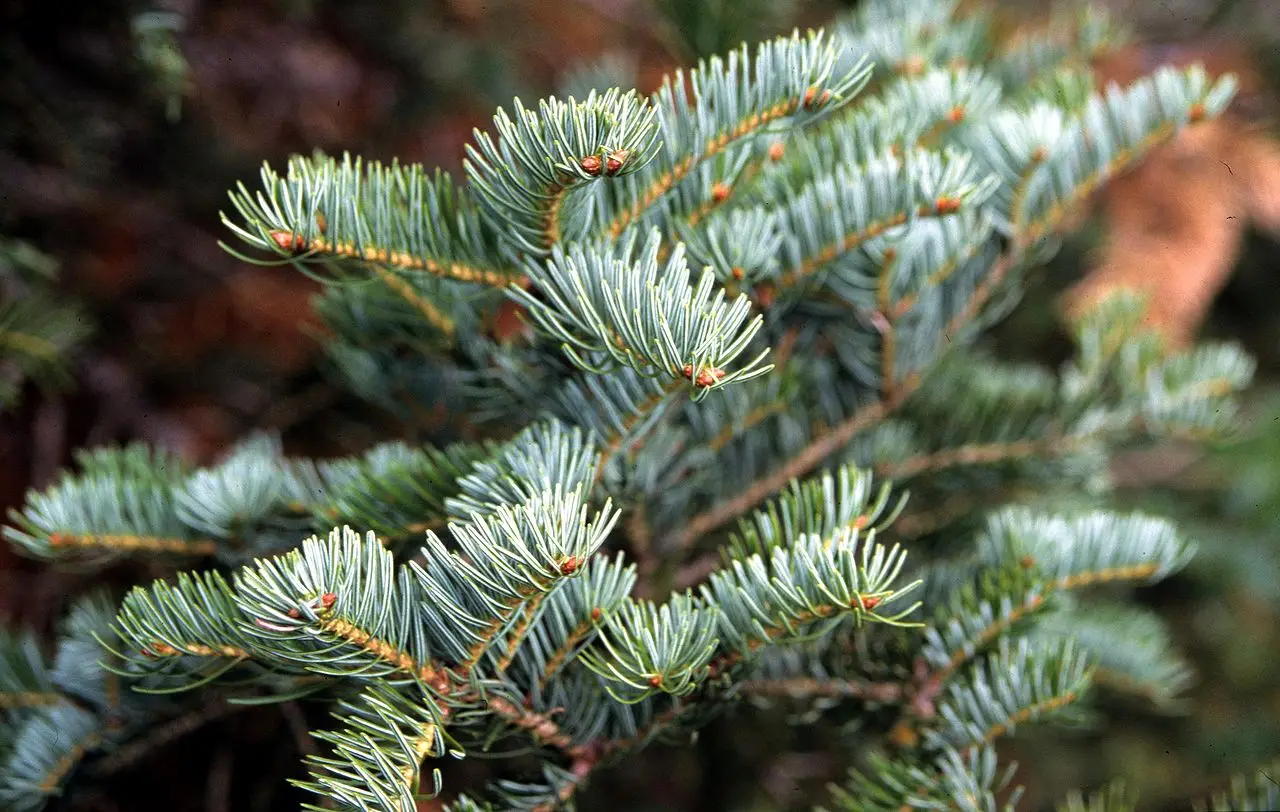
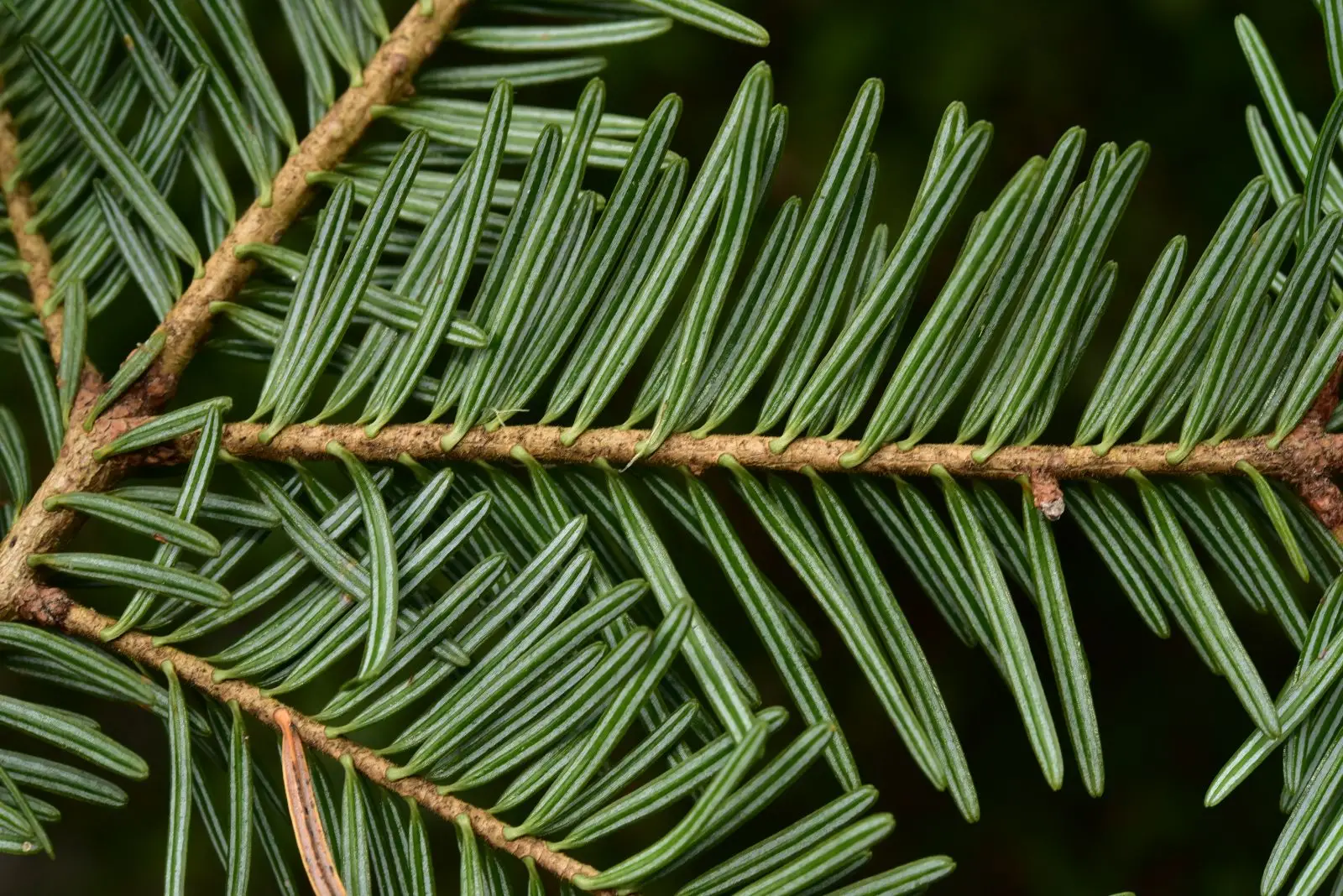
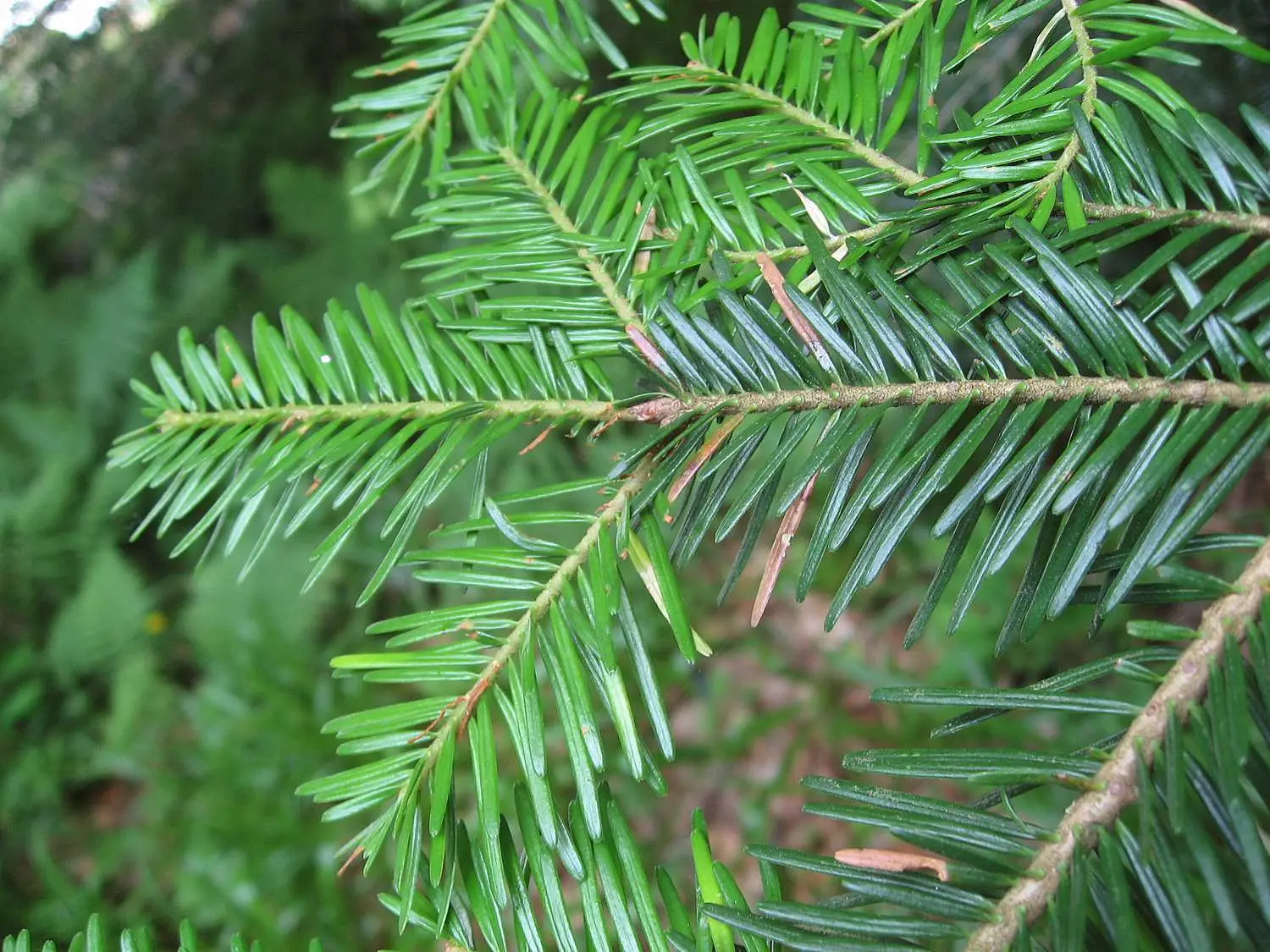
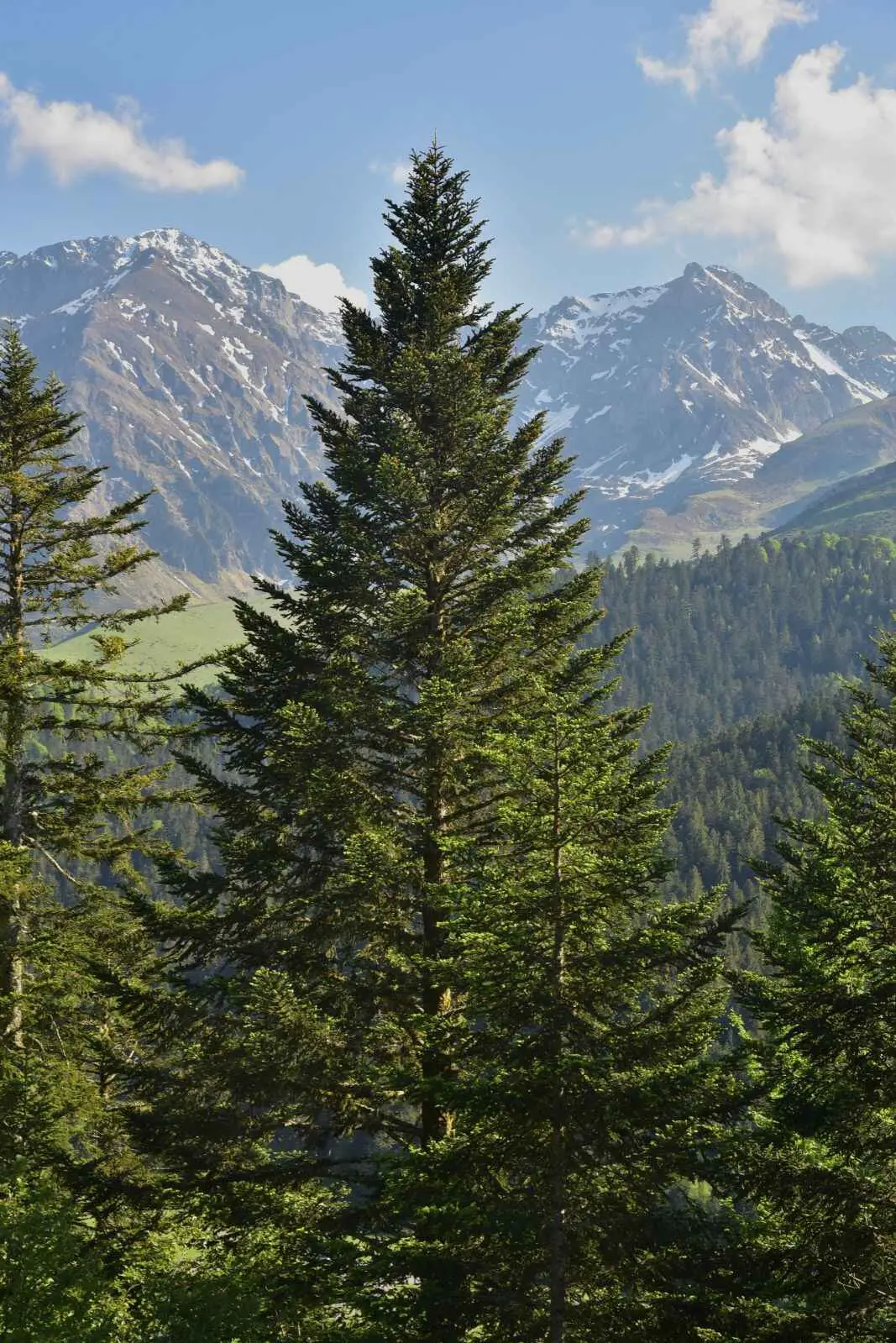
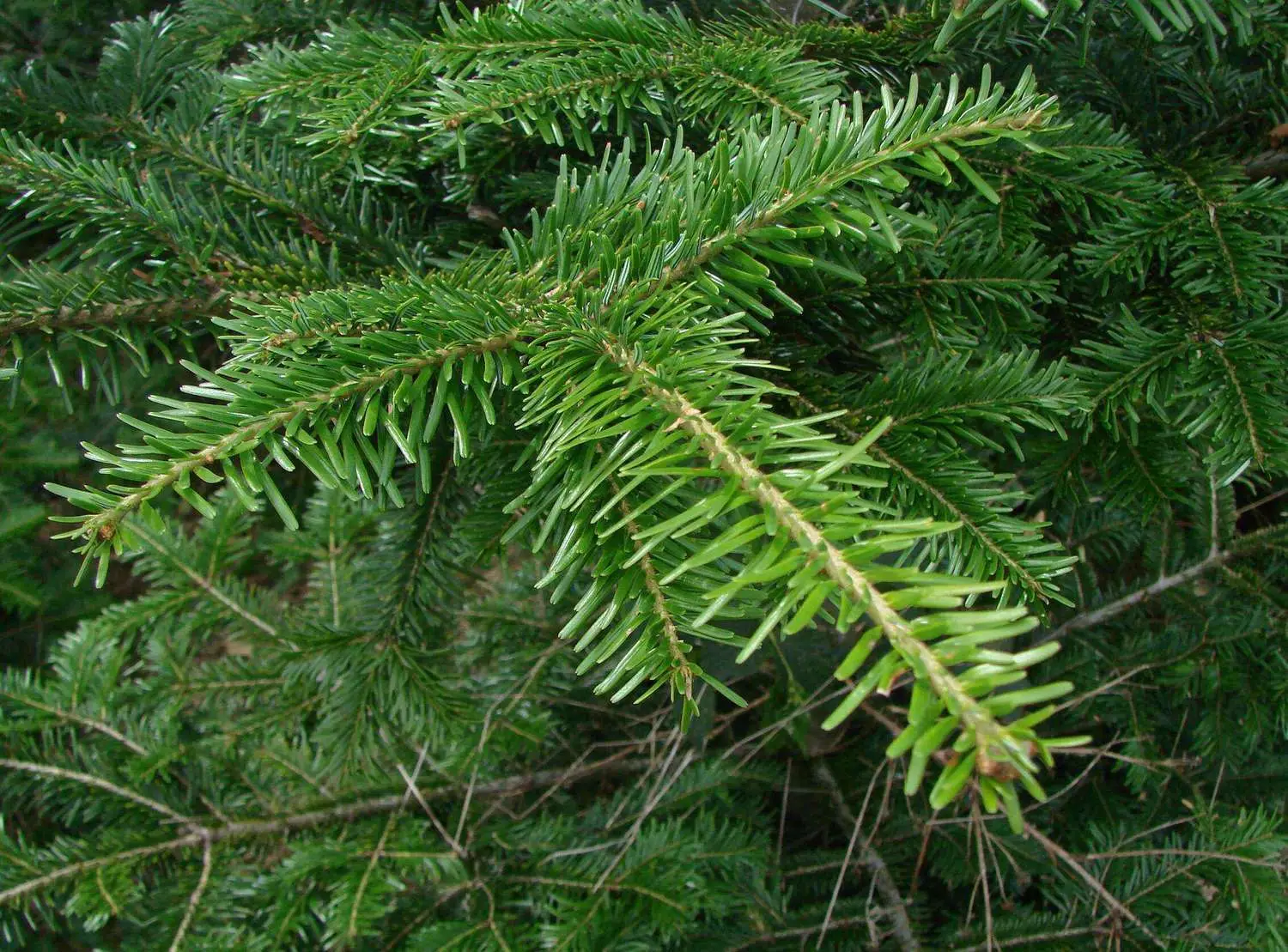
Grow the tree that supplies the world’s finest coniferous oils. Fragrant, pine-scented oils from this dense foliage find their way into luxurious bath products and perfumes, evoking ancient forests. Dark green needles with silvery undersides create stunning silvery shimmer. Revered historically as the world’s first Christmas tree—this is the real thing. Plant from seed and watch you
€2.59
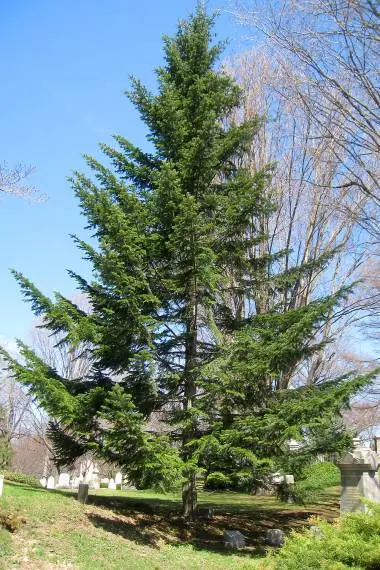
The Abies alba, or Common Silver Fir, is a remarkable European tree known for its striking appearance, valuable timber, and ecological significance in mountainous regions. But here’s what will make you fall in love: this is the tree that supplies the world’s premium fragrance industry with its most coveted coniferous scents.
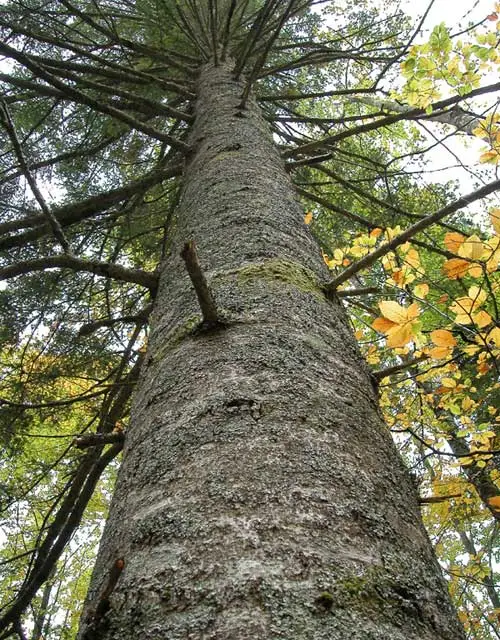
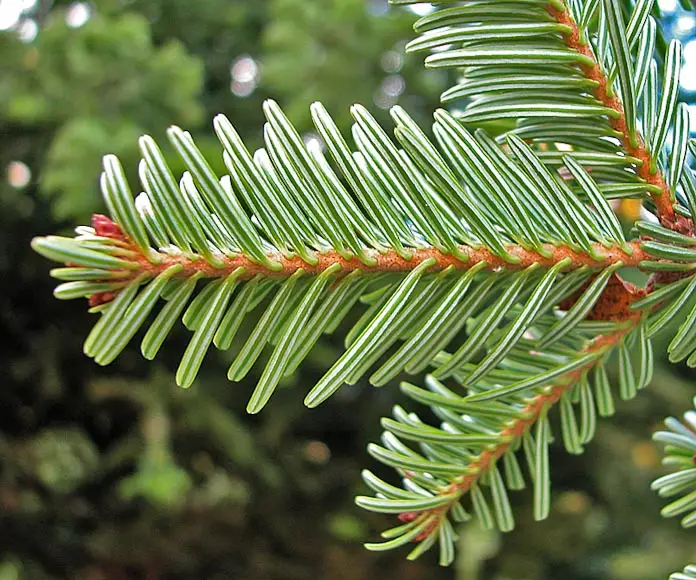
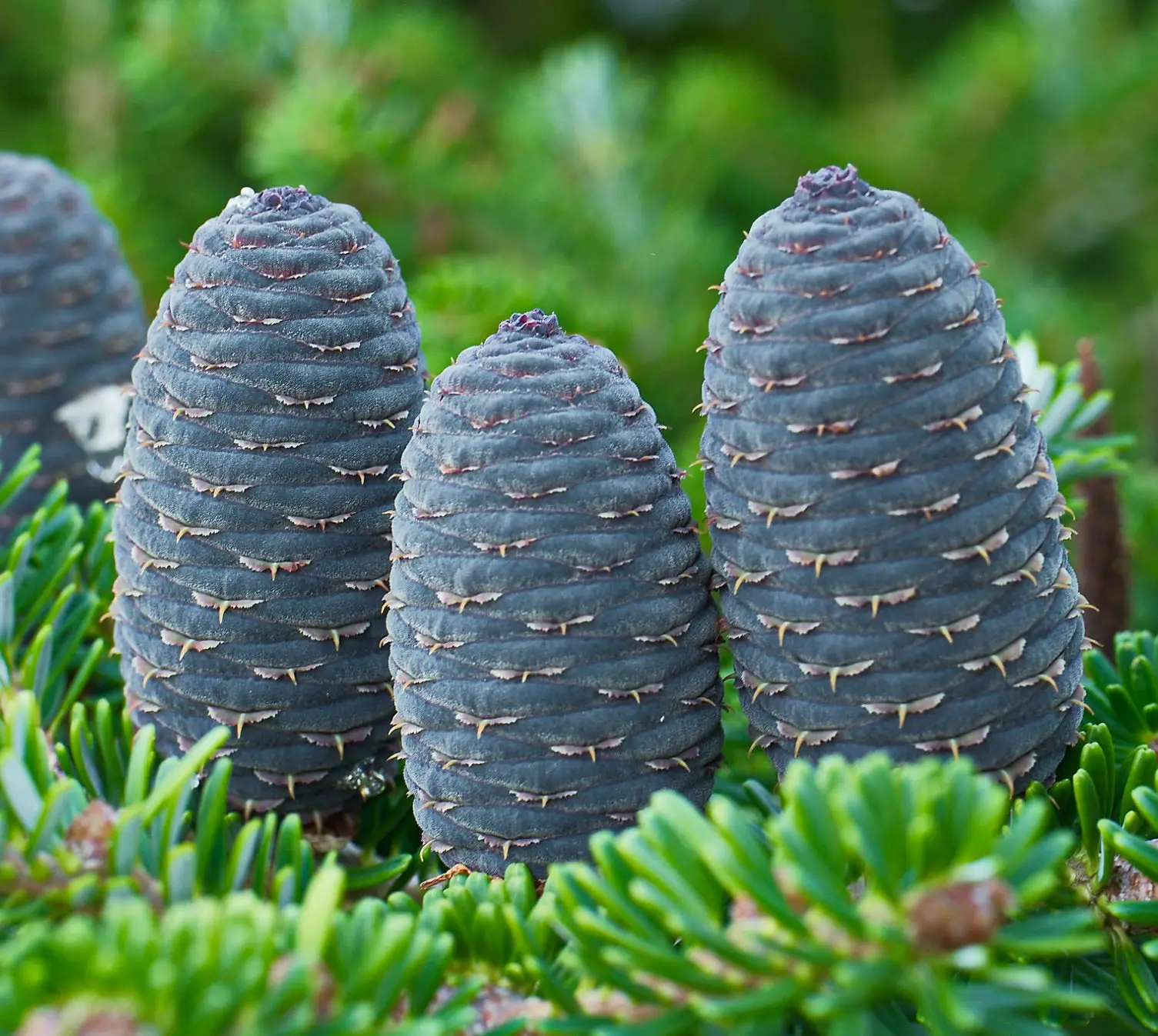
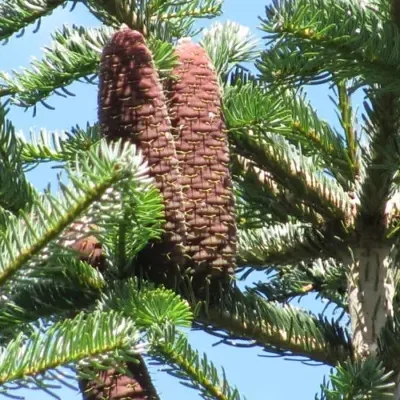
Native to the mountains of central and southern Europe, it possesses pale, resinous bark, soft blue-green needles, and upright cones that give it a distinctive presence in temperate forests. Abies alba is the only European fir with an extensive natural range, occurring from France eastward to the Carpathians and the upper Balkan Peninsula, mostly in mountains. The tree carries centuries of cultural weight—revered historically as the world’s first Christmas tree, this fir remains an enduring symbol of winter celebrations, with its lush, symmetrical form and enduring evergreen scent.
**The Essential Oil Revolution**: This is where Abies alba becomes truly special. Its fragrant, pine-scented oils, extracted from its dense foliage, continue to find their way into luxurious bath products and perfumes, evoking the tranquility of ancient forests. An essential oil obtained from the leaves is used as a disinfectant and also in medicine and perfumery. It is a common ingredient in many bath products, giving them their familiar pine scent. The resin itself is extraordinary: an oleo-resin obtained from blister-like swellings in the bark is harvested in the summer and used fresh, dried or distilled for oil, with the resin extracted from it used in perfumery, medicine and for caulking ships. But it goes deeper still. Long cherished in folk and herbal medicine, its needles, bark, and resin have been traditionally used for respiratory support, pain relief, and immune enhancement. Today, Abies alba is gaining scientific attention for its antioxidant, anti-inflammatory, and antimicrobial properties, often delivered through essential oils, extracts, and teas. Various parts of the plant yield essential oils and other compounds that are used as ingredients in commercial cosmetic preparations as antimicrobials, antioxidants, perfuming agents and skin conditioners.
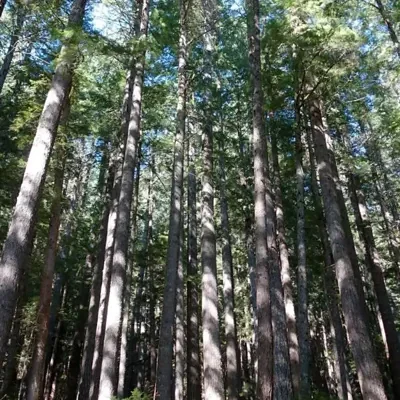
**How to Grow Your Own Fragrant Treasure**: Abies alba requires well-drained soil and a cool, humid climate for optimal growth. It prefers slightly acidic soil (pH 5) and tolerates a neutral pH, planted in a location where it can receive at least six hours of direct sunlight each day, though the tree can tolerate some shade, especially when young. The tree prefers moist, well-drained soils rich in organic matter and can grow in a range of soil types, from sandy loams to clays, as long as the soil is not waterlogged. Growth is very slow in early years, and then rapid as the tree matures. Long-lived (up to 500-600 years), it is among the tallest tree species of the genus Abies in Europe. Young trees thrive in containers with excellent drainage before planting out—patience in youth rewards you with decades of fragrant abundance. Unlike most species of conifers, this tree can be coppiced and will regenerate from the stump, making it remarkably resilient.
There is magic in growing something that will fill your garden—and eventually the world—with its ancient, resinous fragrance. From a single seed, you cultivate a living perfumery, a Christmas memory, and a bridge to the mountains of old Europe. Let Abies alba remind you why trees have always mattered.
Only logged in customers who have purchased this product may leave a review.
Reviews
There are no reviews yet.