
Botanical nomenclature: Abies grandis
Common name: Picea Grandis, Pinus Grandis, Giant Fir, Great Fir, White Fir of Plain, Inland
Origin: west american – british columbia to california, east of montana and idaho
Height: 60 – 100 meters
Luminosity: full sun, partial shading, shadow
Climate: see description.
Kingdom: Plantae
Clade: Tracheophytes
Division: Pinophyta
Class: Pinopsida
Order: Pinales
Family: Pinaceae
Genus: Abies
€6.23
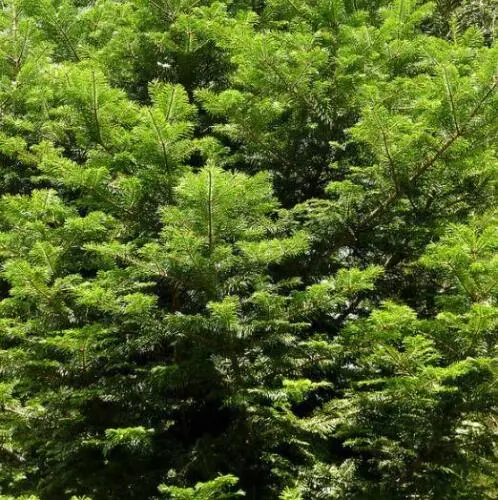
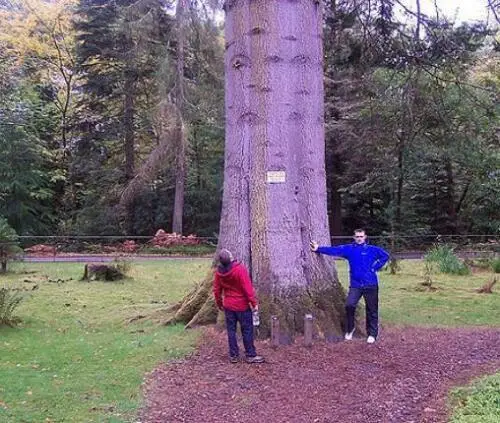
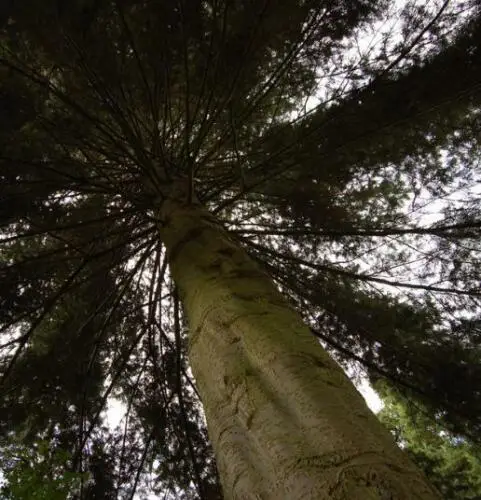
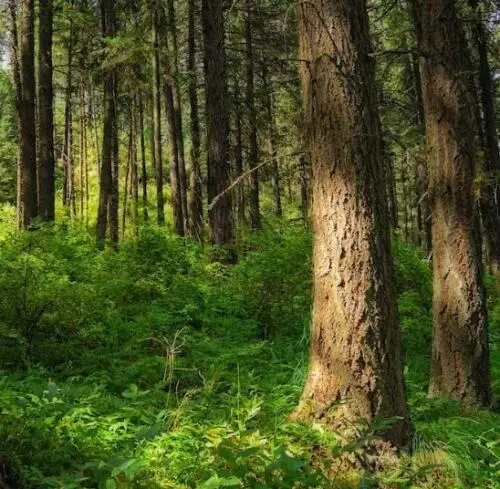
Abies grandis is a large coniferous tree, perene, which grows quickly and can reach up to 75 meters of height (exceptionally 100 meters of height) and with a trunk diameter of up to 2 meters.
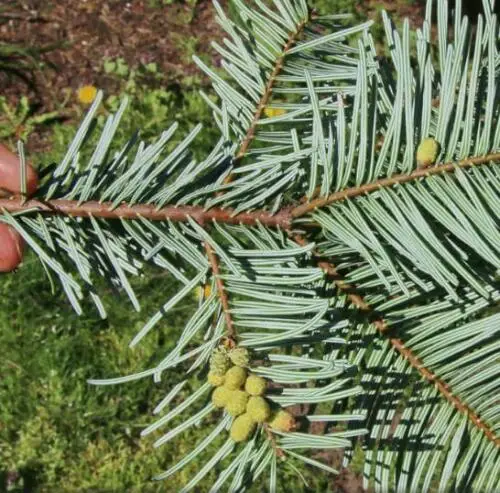
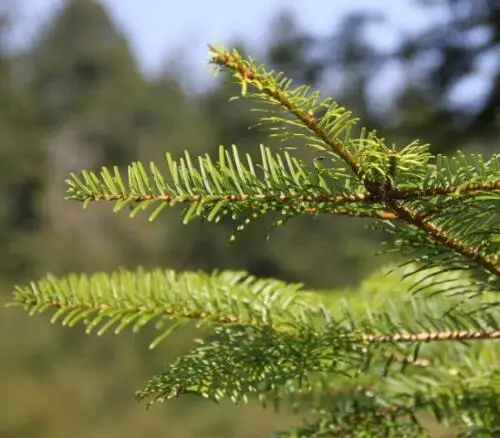
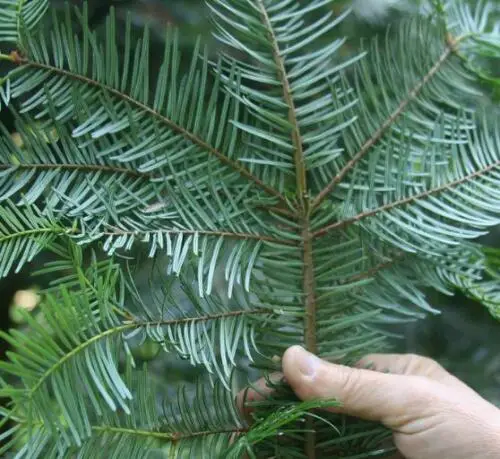
Leaves are similar to needles, finished, bright green-dark up and, shrinked below.
Abies grandis is very very clarifically related to abeto branco (abies concolor), a generic term that also reflects abies amabilis and magnificent abies.
Wood: for being so strong as pseudotsuga menziesii (douglas-fir), many times meet the structural load support requirements for the framework in residential, commercial and light commercial buildings. This species is preferred by many builder machines on the basis of their capacity to keep and not be divided by nails and screws, and its low propensity to be fragmented when sawing. It is frequently used to mold and is able to meet the requirements of extension of code of construction of various construction projects. Large fir wood is non-resin and textured.
Its wood is used in the manufacture of paper, as well as in the construction of structures and floors, where it is very appreciated by its resistance to cracks and lasks. Extremely explored for cellulose and fuel.
Shell has historical medicinal properties, as a nutrition, for washing pain and infected eyes and as a gargle for sore throat; stomach problems, and externally, the rubber is applied as a cataplasm in courts and wounds.
The leaves are extremely aromatic, with fruit orange aroma, and are used as repellent of traces and branches, as incense.
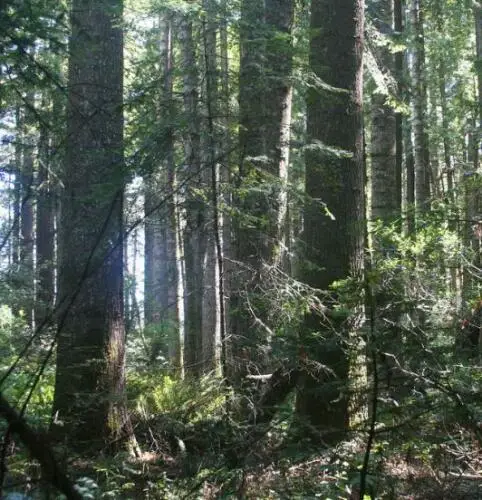
Giant abeto occurs at altitudes from sea level up to 2,000 meters. A variety of soils lives from sandy to argilos or very argilous; but the most suitable ph goes from soils to neutral acids. May grow in total shadow (deep forest), semi-shade (clare forest) or full sun. Prefer only with good moisture, but not flooded and is tolerant to strong winds.
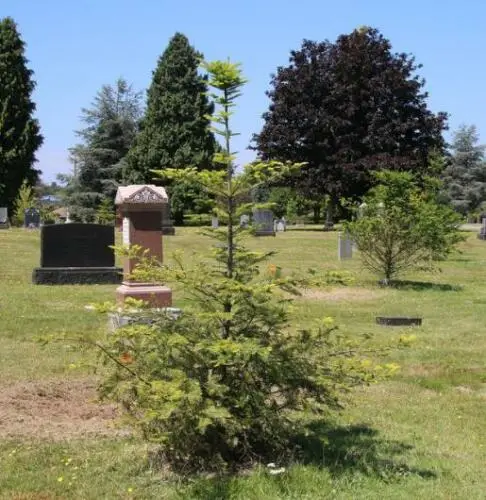
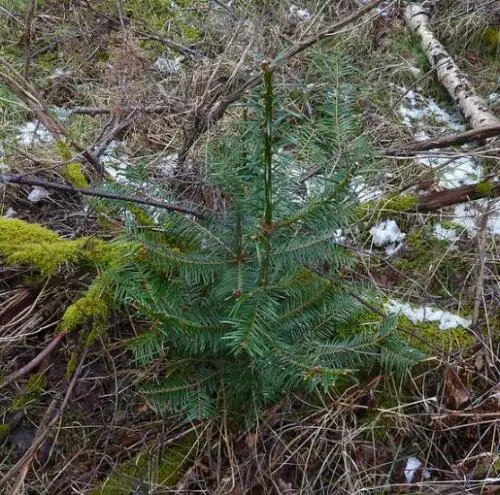
The trees should be planted in their permanent position while young, small people, between 30 and 90 centimeters of height.
Only logged in customers who have purchased this product may leave a review.
Reviews
There are no reviews yet.