Description
Cultivate the most revered medicinal tree of Africa—a living pharmacy that has healed generations and holds secrets modern science is only beginning to unlock.
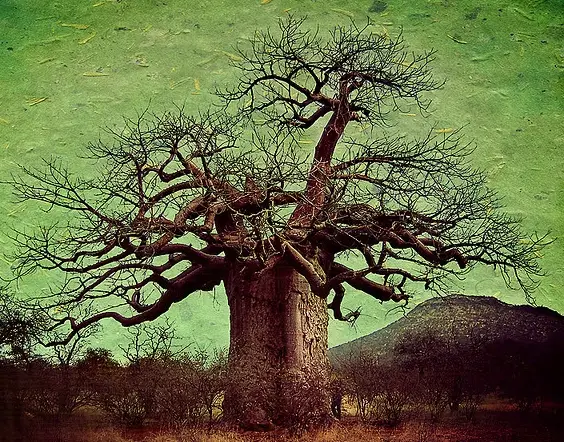
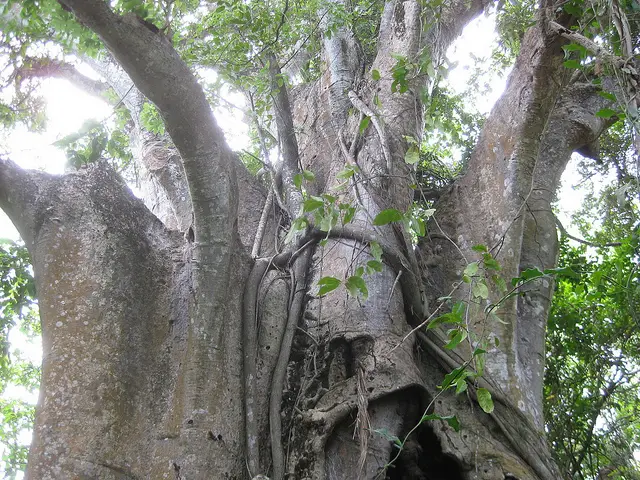
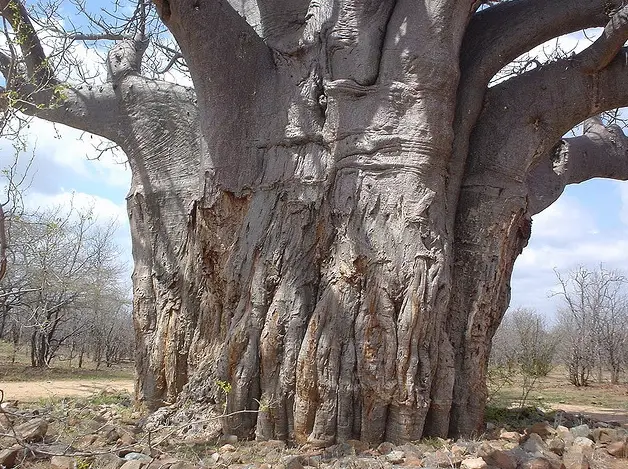
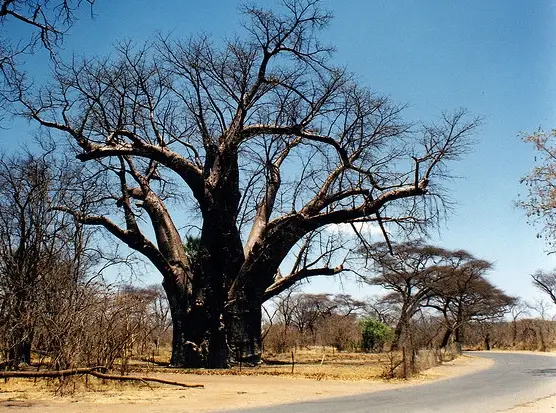
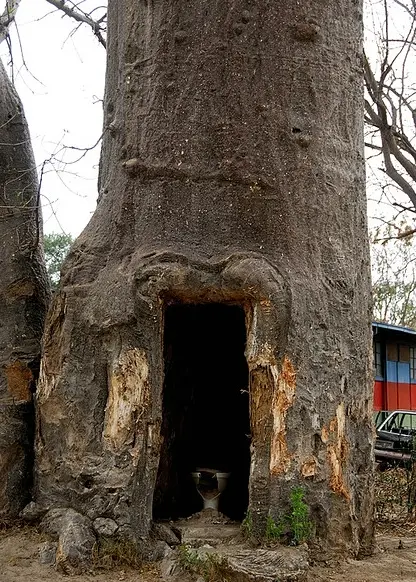
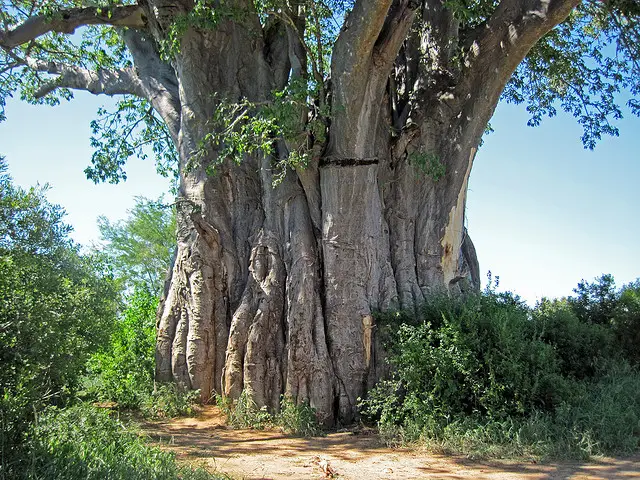
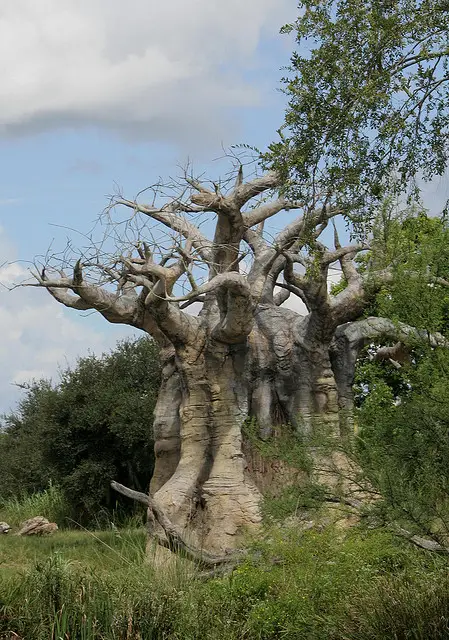
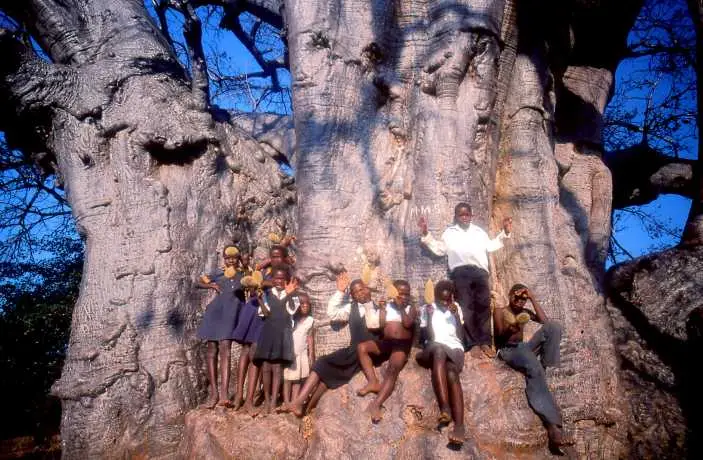
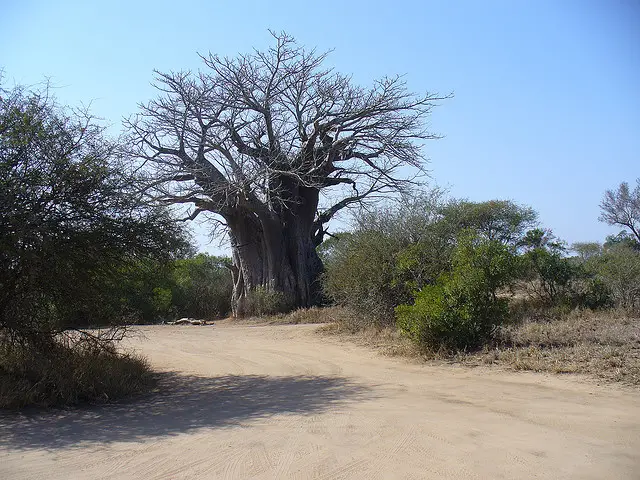
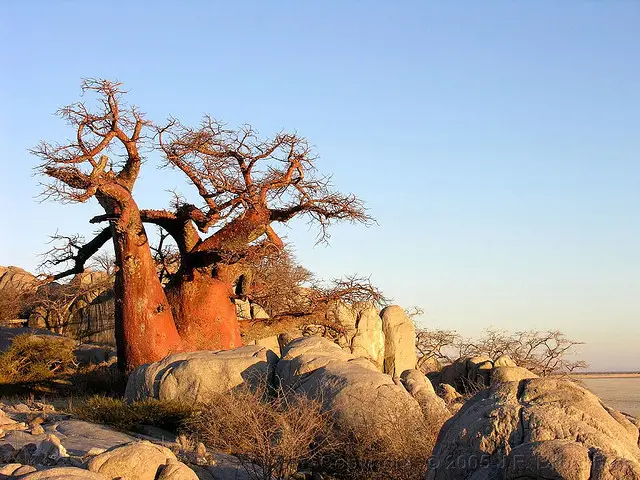
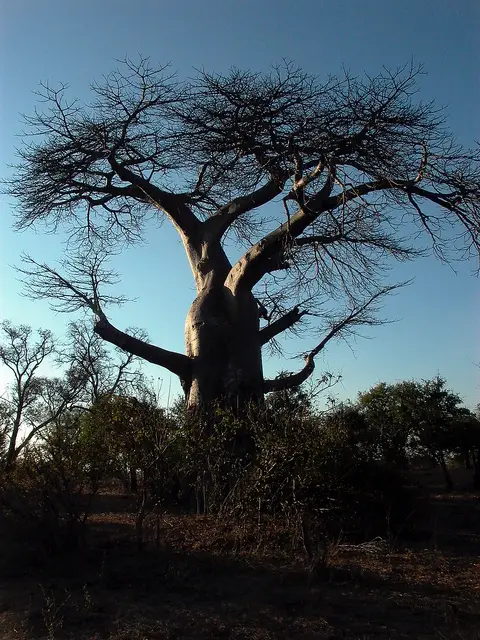
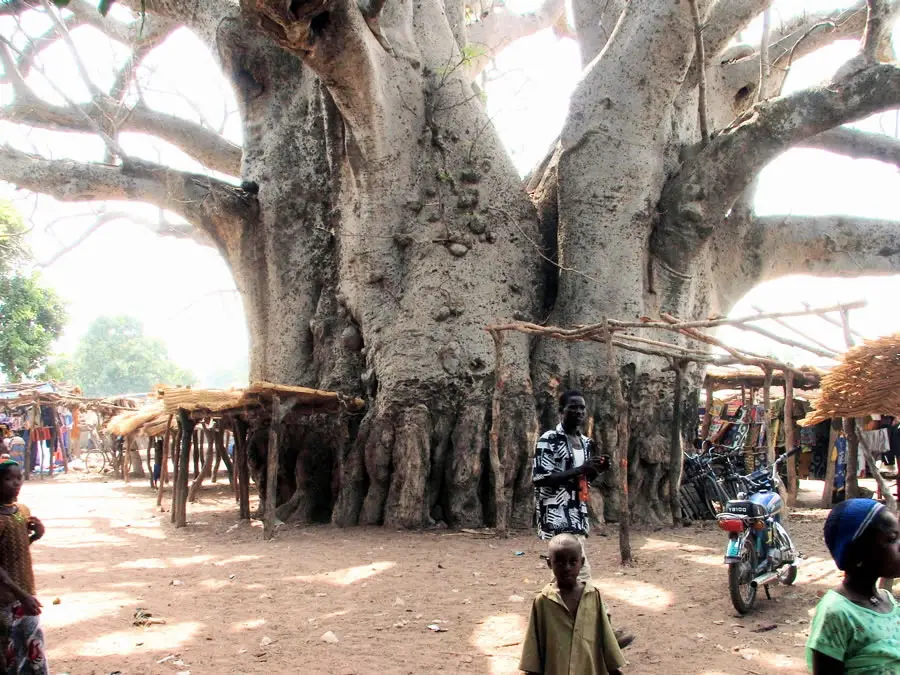
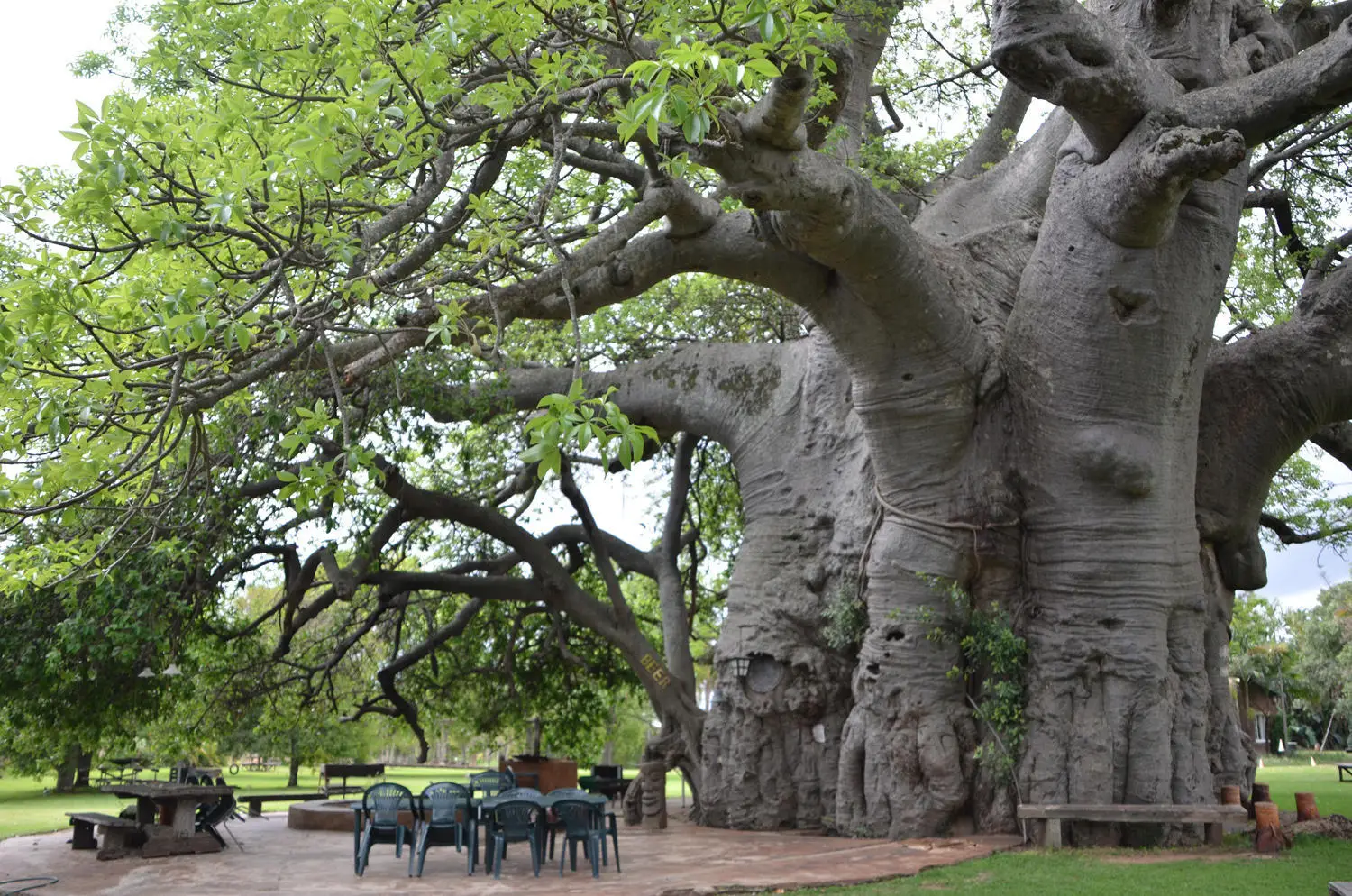
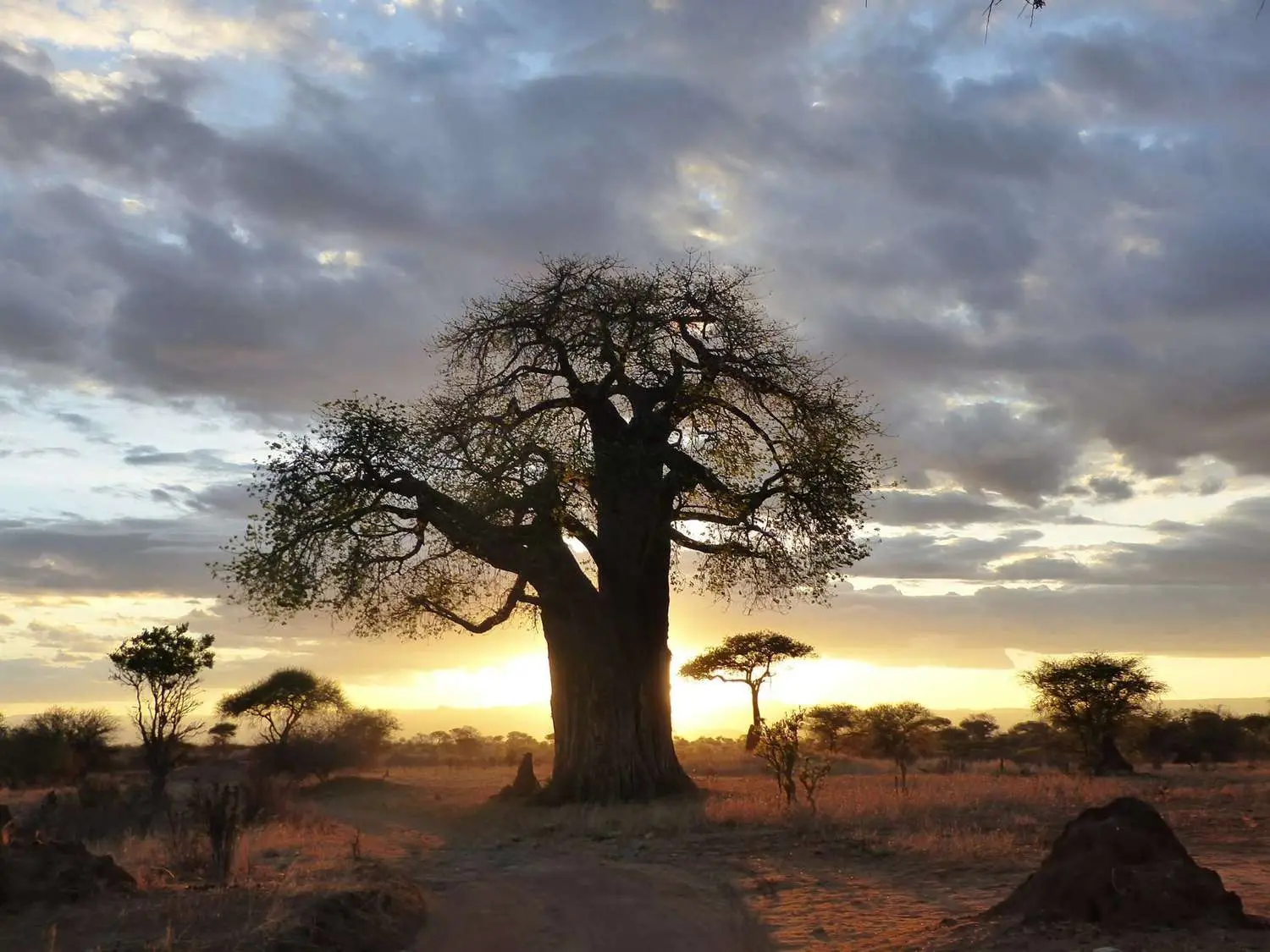
Adansonia digitata, the African baobab, stands as one of the most storied and multi-purpose trees on Earth. Native to sub-Saharan Africa, it defines the savanna landscape with its iconic barrel trunk and sprawling crown—so inverted in appearance it’s called the “upside-down tree.” Yet the baobab’s true wonder lies not in its silhouette but in what every part of it provides: profound medicinal and nutritional treasures. Known as “the chemist tree,” the baobab has been revered for over 4,000 years, with individual trees living that long or longer, bearing witness to centuries of human healing.
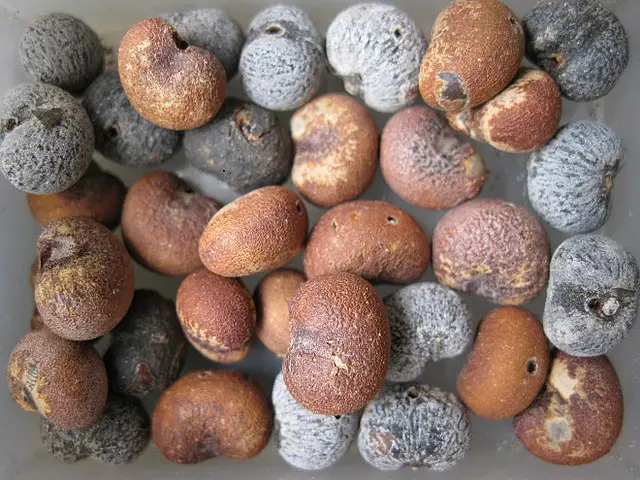
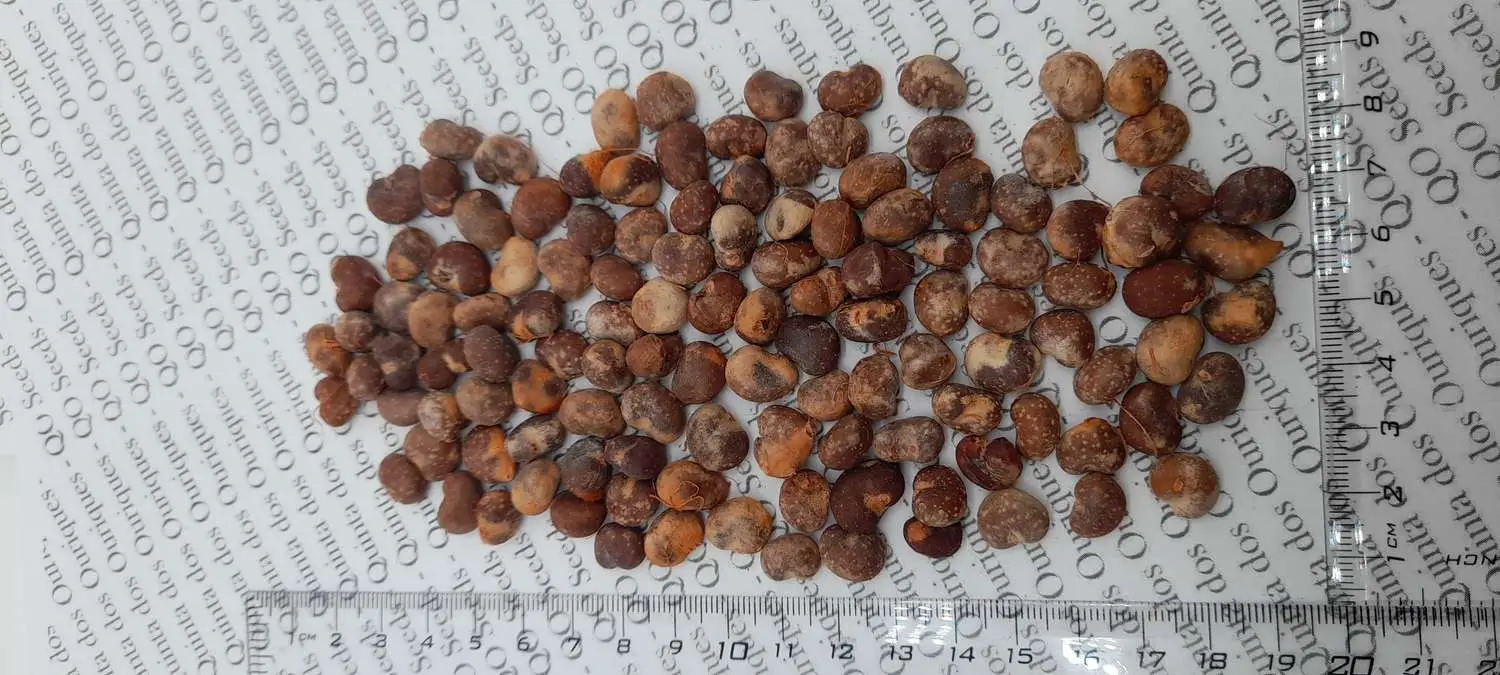
The baobab’s medicine is its main magic. Every component—fruit pulp, seeds, leaves, bark, and roots—contains powerful bioactive compounds. The pale, powdery fruit pulp is packed with vitamin C, antioxidants, calcium, potassium, and fiber, and has been used traditionally to treat fever, diarrhea, dysentery, microbial infections, and malaria. The leaves (superior in vitamin A) are prepared as soups and tonics for anemia, kidney ailments, asthma, and insect bites. The seeds yield analgesic, anti-inflammatory, and antimicrobial properties; in West African medicine, they’re ground into paste for tooth and gum disease. Baobab bark decoctions strengthen immunity and combat infections. Modern research confirms these uses: documented anti-inflammatory, antipyretic, antioxidant, antiviral, antimicrobial, anticarcinogenic, hepatoprotective, and antidiabetic activities. The pulp exhibits the strongest analgesic and anti-inflammatory effects, comparable to pharmaceutical standards. This is ancestral wisdom validated by contemporary science—a tree that offers comprehensive health support in a single species.
Cultivating baobab from seed is a moderate journey, not impossible but rewarding for patient gardeners. Sow seeds indoors in well-draining, nutrient-poor soil; scarify gently with sandpaper and soak to improve germination (which is naturally low and sporadic, taking 1–4 weeks). Keep soil moist but never waterlogged, provide full sun and warmth (above 15°C/59°F), and never water during dormancy. Outdoors, baobab thrives in frost-free, arid and semi-arid climates—full sun, well-drained soil, excellent drought tolerance once established. It grows as an ornamental houseplant or bonsai even in cooler climates, staying manageable in containers while developing that unmistakable character. The tree is deciduous and slow-growing, but its longevity is legendary: maturity comes in 15–20 years, yet your baobab may live a thousand years or more, becoming a multi-generational heirloom.
When you grow baobab from seed, you’re not just planting a tree—you’re inheriting millennia of African healing wisdom and seeding a living monument to resilience, medicine, and abundance. Imagine tending a tree that will outlive you, that transforms sunlight and water into nutrition and remedy for your family and community. This is the baobab: ancient, powerful, and waiting in your hands.
Germination Guide
🌍 Argentina (Salta province, Andes Mountains)
Moderate
Puya yakespala is a rare, hardy terrestrial bromeliad native to high-altitude dry regions of Argentina's Salta province. Seeds require bright light to germinate and must be sown on the substrate surface with only minimal covering. Germination typically begins around day 5, with optimal results within 10-14 days at temperatures between 19-24°C.
Germination
Germination time
Expect germination in
5 – 14 days
Temperature
Min 19°C
Ideal 21°C
Max 24°C
Substrate moisture
💧💧 High
Substrate & Container
Recommended substrate
light, porous, pathogen-free substrate or terrestrial bromeliad compost
Recommended container
transparent plastic container with cover or seed flat
Growing Tips
Keep seeds lightly pressed into the soil surface without burying them. Maintain high humidity by covering the container with transparent film or plastic. Provide continuous bright light exposure, as seeds exposed to darkness will not germinate or may take several months. Use fluorescent or LED grow lights if natural light is insufficient. Avoid direct harsh sunlight once seedlings emerge. Maintain moderate moisture until germination; avoid waterlogging. Once seedlings develop a rosette, transplant to well-draining soil. Acclimate seedlings for 8-12 weeks before transplanting to permanent location.
Only logged in customers who have purchased this product may leave a review.

Reviews
There are no reviews yet.