Description
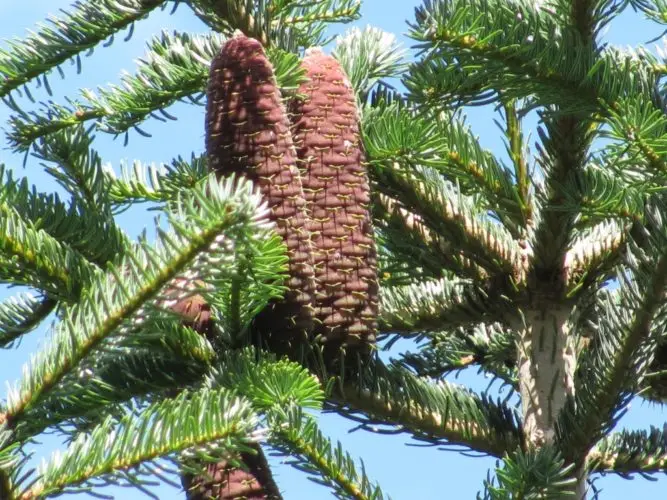
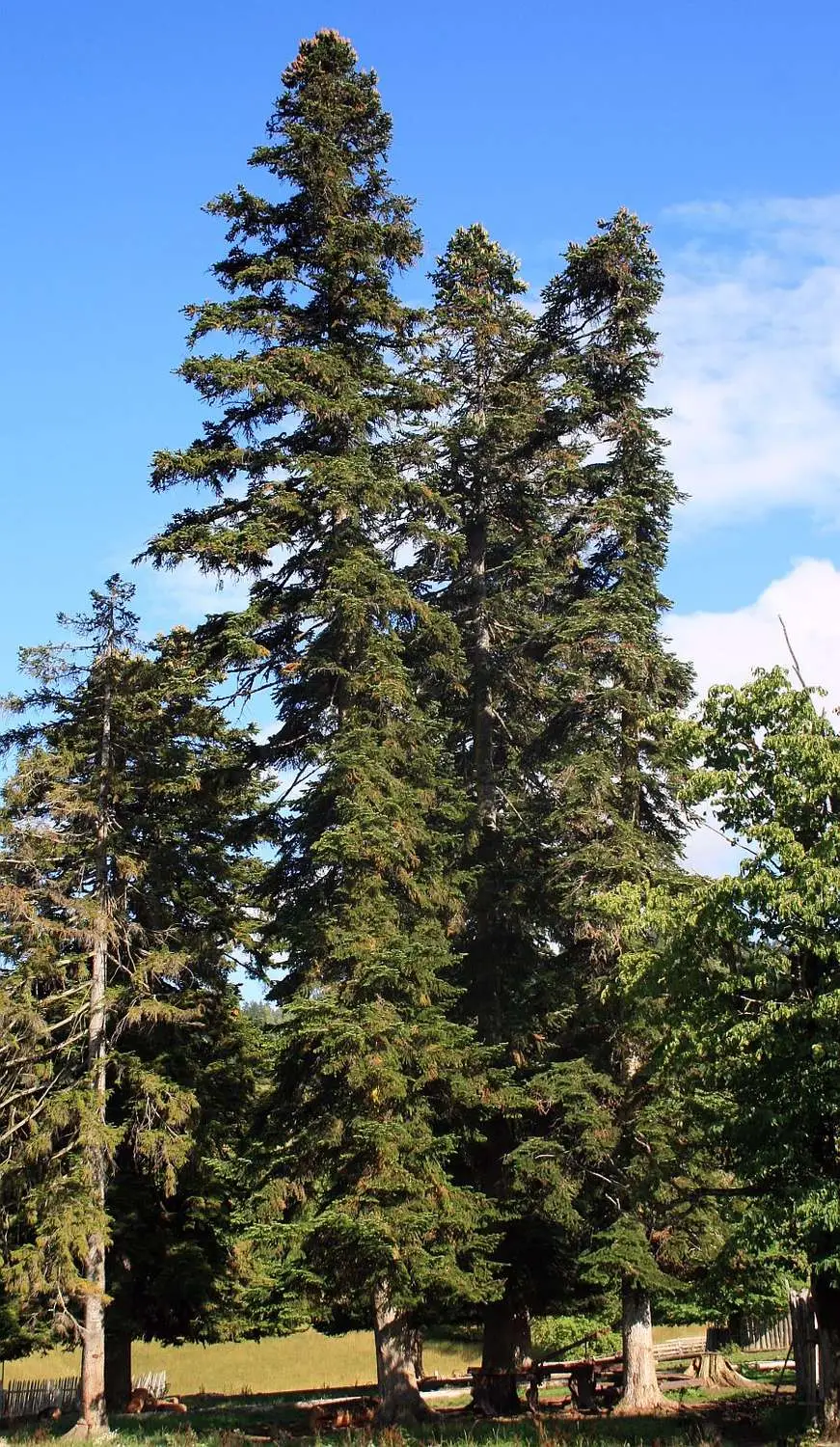
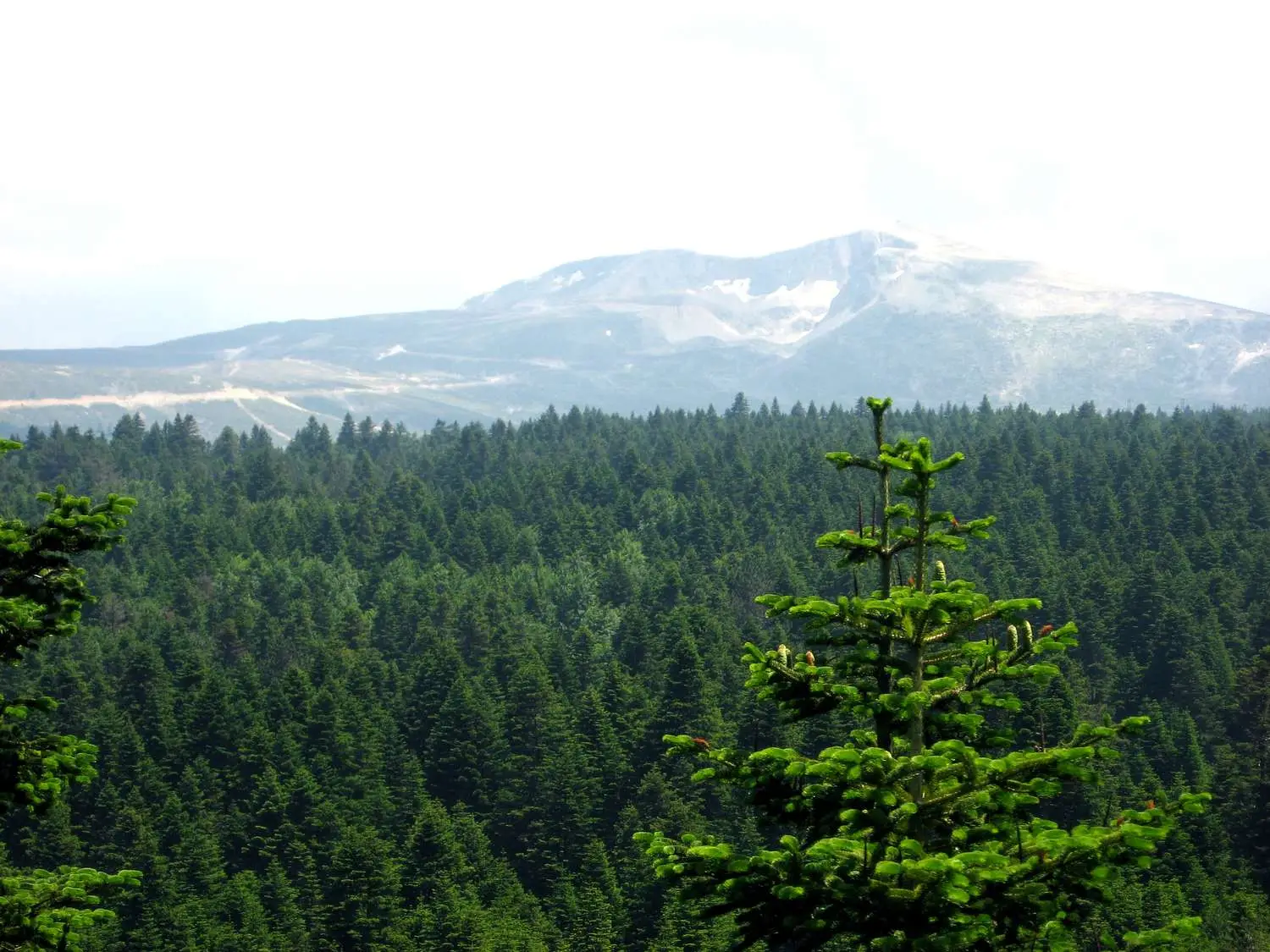
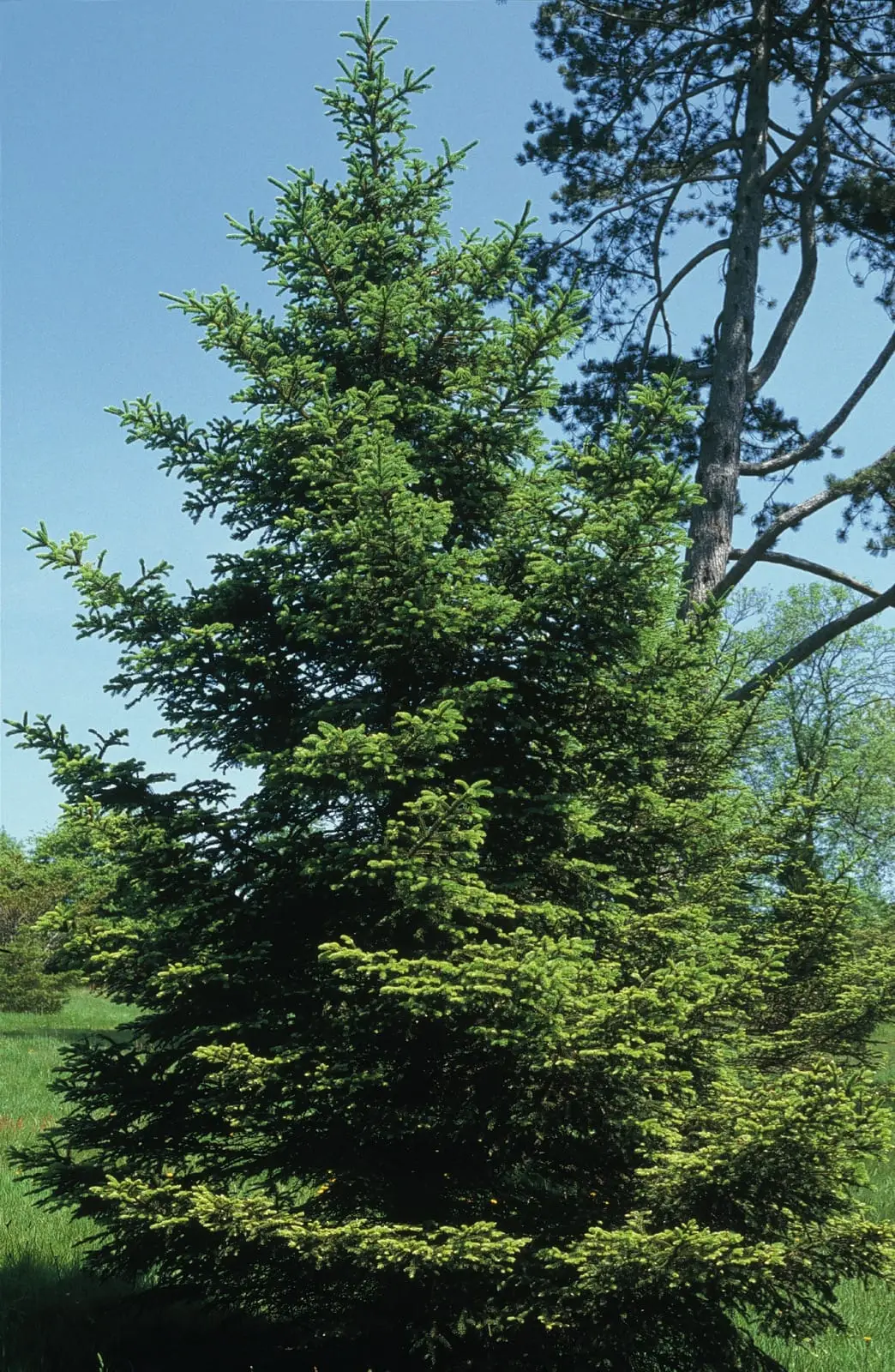
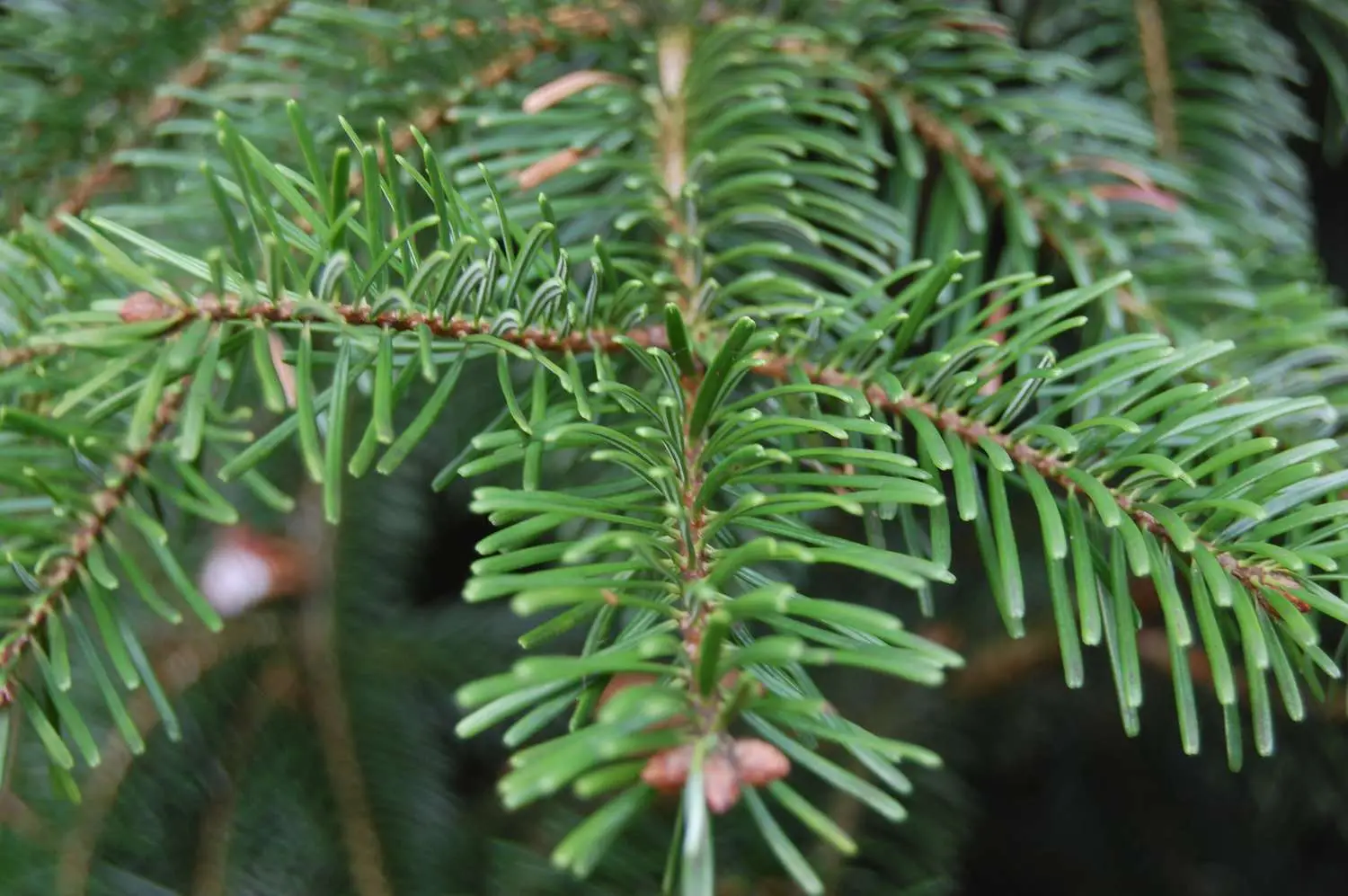
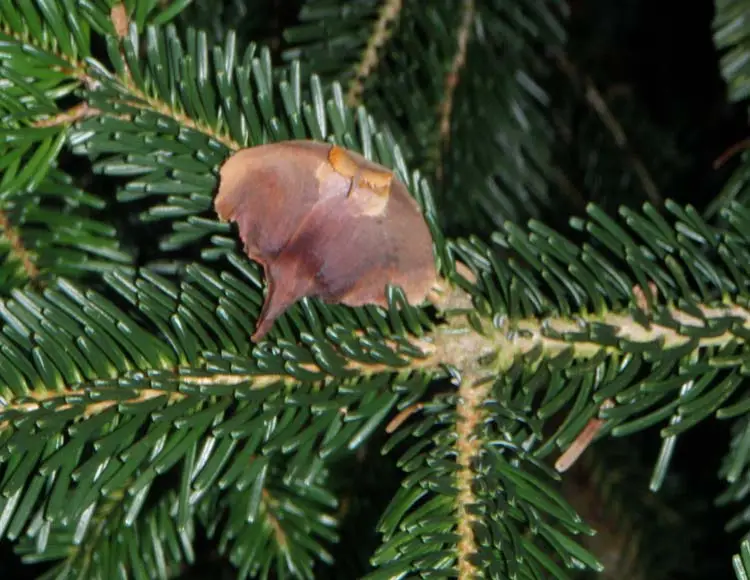
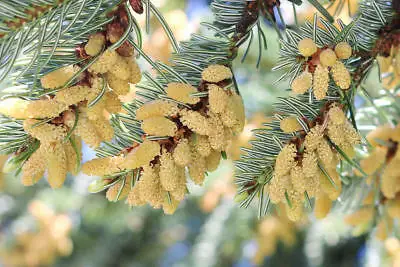
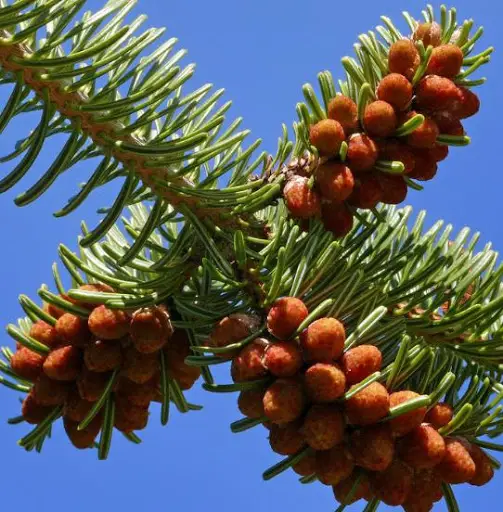
A beautiful, giant conifer with a narrow conical crown of dark green, needlelike leaves that can reach more than 50 m tall. It is native to forests from northern Turkey to western Caucasia (Abkhazia and Georgia) in the mountains around the eastern Black Sea between 900 and 2100 m. Abies nordmanniana makes a wonderful ornamental suited to temperate climates in USDA Zones 4 to 9. It also makes a very attractive Christmas tree. Seeds should be cold stratified for a month after sowing.
Germination Guide
🌍 Mountains south and east of the Black Sea in Turkey, Georgia, and the Russian Caucasus; elevations 900-2,200 meters
Moderate
Abies nordmanniana subsp. nordmanniana, commonly known as Nordmann Fir or Caucasian Fir, is a large evergreen conifer native to the mountains surrounding the eastern Black Sea coast. This species is widely cultivated as a Christmas tree due to its dense dark green foliage, excellent needle retention when cut, and attractive pyramidal form. Seeds require cold stratification to break dormancy and will not germinate without proper pre-treatment.
Germination
Germination time
Expect germination in
21 – 60 days
Temperature
Min 18°C
Ideal 21°C
Max 24°C
Substrate moisture
💧 Medium
Sowing depth
Lightly covered
Seed Pre-treatment
-
💧
Soaking — 24 hours
Soak seeds in water for 24 hours before stratification to enhance dormancy breaking
-
❄️
Cold stratification — 30 days at 5°C
-
📋
Additional notes
Cold stratification in moist medium at 4-5°C for 30 days simulates winter conditions and breaks seed dormancy. Seeds have shallow dormancy and will not germinate without this treatment. Seeds must remain moist, not waterlogged, during stratification.
Substrate & Container
Recommended substrate
Peat and sand mixture, Peat-based potting compost, Vermiculite, or Perlite mix
Recommended container
Seed trays, Plug trays, Pots, or Ziplock bags for stratification
Growing Tips
Soak seeds in water for 24 hours before stratification. Stratify in moist peat-sand mixture in the refrigerator at 4-5°C for 30 days; ensure seeds remain moist but not waterlogged. After stratification, sow seeds 3-8mm deep and lightly cover with vermiculite or fine compost. Keep soil consistently moist during germination; place in cold frame or unheated greenhouse. Germination may begin during stratification and will continue for several weeks after sowing. Protect emerging seedlings from damping-off fungus by ensuring good air circulation. Once large enough to handle, transplant into individual pots and keep in cold frame for the first winter before hardening off outdoors.
Only logged in customers who have purchased this product may leave a review.

Reviews
There are no reviews yet.