





Botanical Name: Albizia lebbeck
Common Names: Sirisa, Siris, Lebbeck, Lebbek Tree, Flea Tree, Frywood, Koko, Woman’S Tongue Tree
Kingdom: Plantae
Clade: Tracheophytes
Clade: Angiosperms
Clade: Eudicots
Clade: Rosids
Order: Fabales
Family: Fabaceae
Subfamily: Caesalpinioideae
Clade: Mimosoid clade
Genus: Albizia
Species: A. lebbeck
€1.92
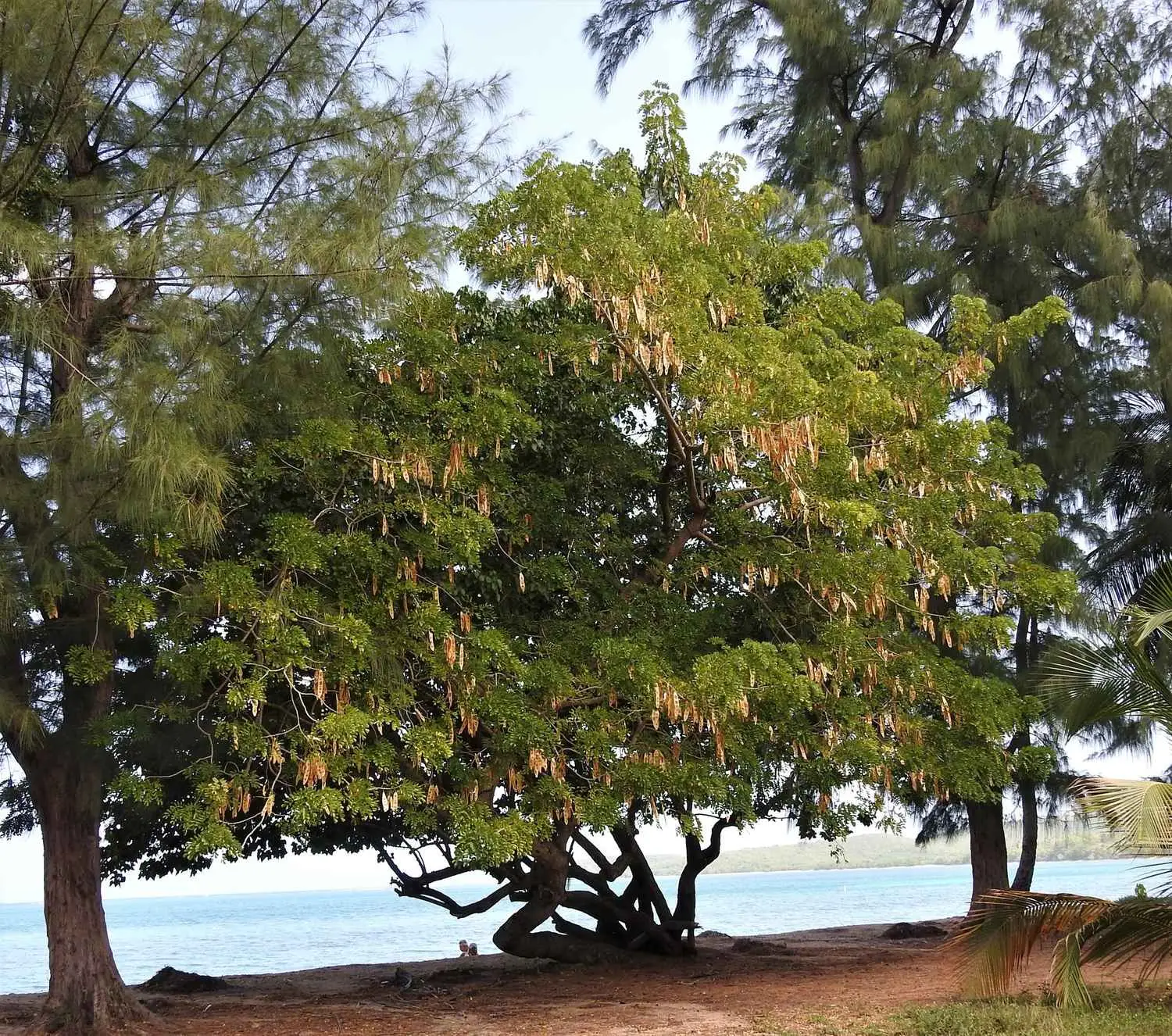
Albizia lebbeck is a species of Albizia, native to Indomalaya, New Guinea and Northern Australia and widely cultivated and naturalised in other tropical and subtropical regions. English names for it include Sirisa, Siris, lebbeck, lebbek tree, flea tree, frywood, koko and woman’s tongue tree. The latter name is a play on the sound the seeds make as they rattle inside the pods. Being one of the most widespread and common species of Albizia worldwide, it is often simply called siris or Sirisa though this name may refer to any locally common member of the genus.
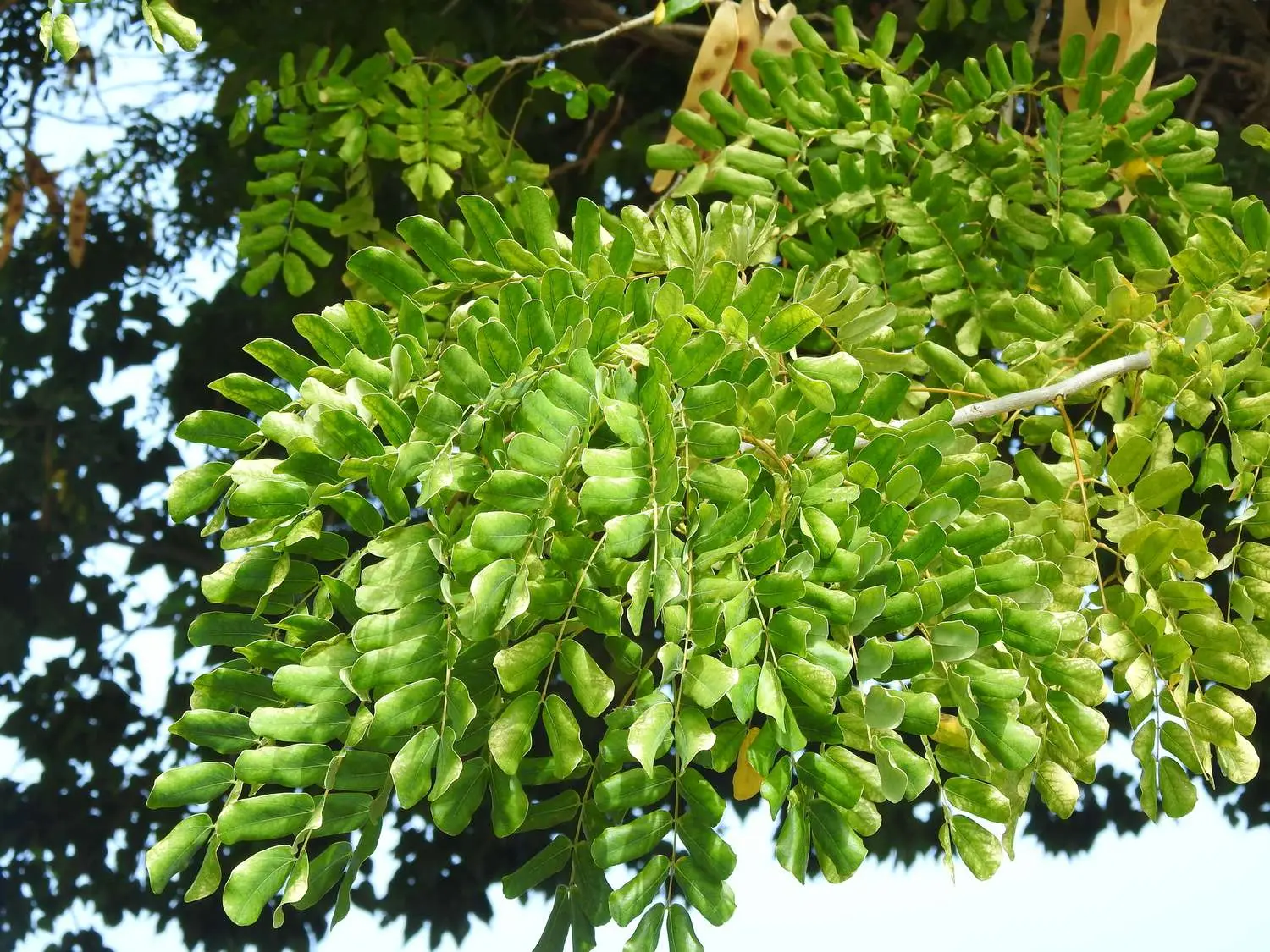
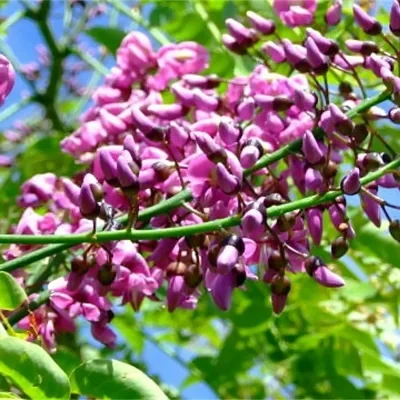
It is a tree growing to a height of 18–30 m tall with a trunk 50 cm to 1 m in diameter. The leaves are bipinnate, 7.5–15 cm long, with one to four pairs of pinnae, each pinna with 6–18 leaflets. The flowers are white, with numerous 2.5–3.8 cm long stamens, and very fragrant. The fruit is a pod 15–30 cm long and 2.5-5.0 cm broad, containing six to twelve seeds.
Mimosa speciosa as described by Nikolaus Joseph von Jacquin refers to Albizia lebbeck. The Mimosa speciosa of Carl Peter Thunberg, however, is Albizia julibrissin. The name Lebbeck is from Arabic.
In Karnataka , the tree is known as ‘Sirisa’ means A fertile region Sirsi
In Tamil Nadu , the tree is known as ‘vaagai’ as the ancient kings of the Sangam Age had worn the garland made by this flower to celebrate victory in battles , with the word ‘vaagai’ meaning ‘victory’ in Tamil.
In the West Indies and certain parts of South America this tree is known as a ‘Shak Shak Tree’ because of the sound the seeds make in the pod.
Its uses include environmental management, forage, medicine and wood. It is cultivated as a shade tree in North and South America. In India and Pakistan, the tree is used to produce timber. Wood from Albizia lebbeck has a density of 0.55-0.66 g/cm3 or higher.
Even where it is not native, some indigenous herbivores are liable to utilize lebbeck as a food resource. For example, the greater rhea (Rhea americana) has been observed feeding on it in the cerrado of Brazil.
Lebbeck is an astringent, also used by some cultures to treat boils, cough, to treat the eye, flu, gingivitis, lung problems, pectoral problems, is used as a tonic, and is used to treat abdominal tumors. The bark is used medicinally to treat inflammation. This information was obtained via ethnobotanical records, which are a reference to how a plant is used by indigenous peoples, not verifiable, scientific or medical evaluation of the effectiveness of these claims. Albizia lebbeck is also psychoactive. It is also very effective in migraine.
Only logged in customers who have purchased this product may leave a review.
Reviews
There are no reviews yet.