

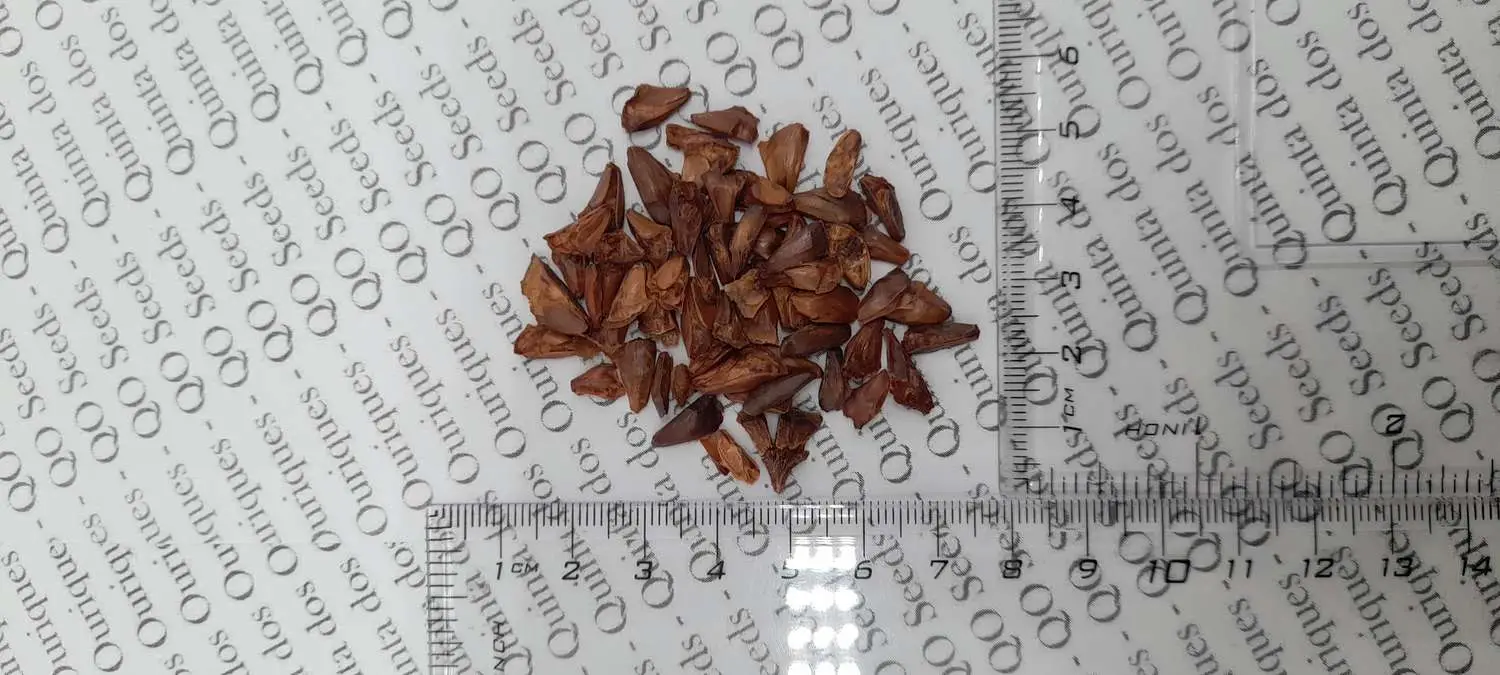
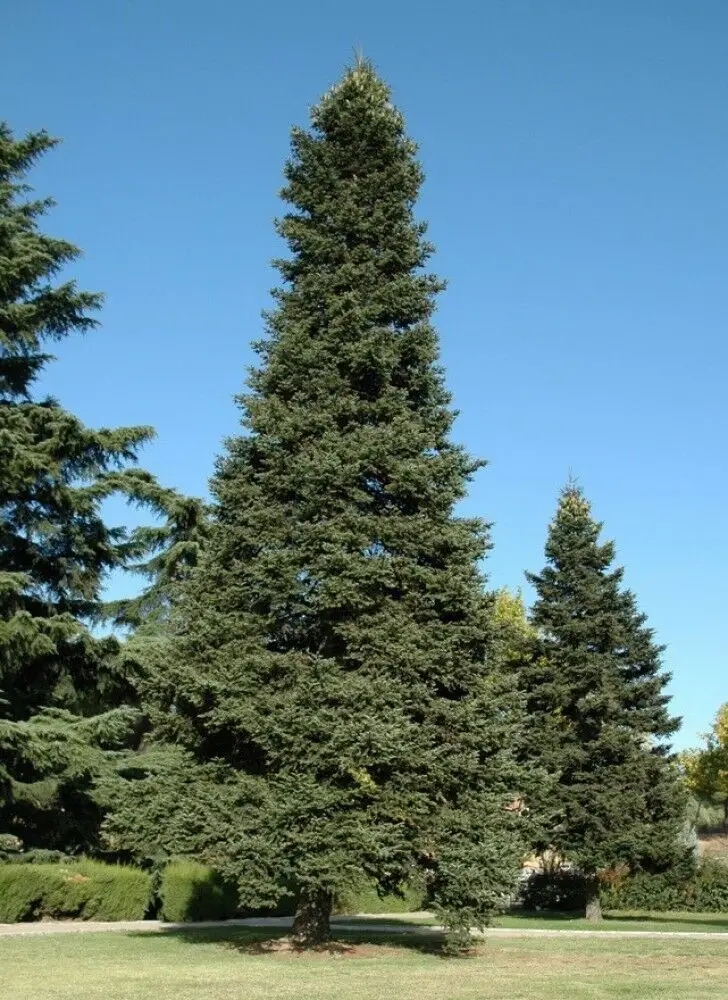
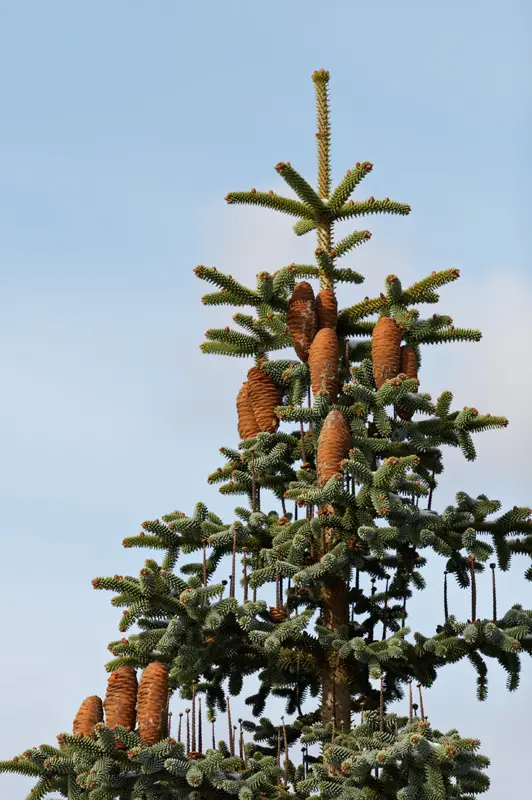
Grow a living legend. Abies pinsapo is the world’s finest bonsai conifer—with stiff, radial blue-green needles, gnarled character wood, and the soul of an ancient Mediterranean relict that survived the last Ice Age. From seed you’ll shape a masterpiece that improves with every decade. Hardy to Zone 6, moderate vigor. This is the tree visionary bonsai masters crave.
€4.15
This is not just another conifer seed. You hold in your hands the genetic legacy of a species that has walked the Earth for 65 million years—through ice ages, deserts, and human empires—and persists today only in the high sierras of Andalucía. Abies pinsapo, the national tree of Andalucía, is one of a very few species that survived through the last major ice age into the modern era. Grow it, and you’re cultivating history.
**A Fir Unlike Any Other**
Native to southern Spain and northern Morocco, it appears at elevations of 900–1,800 metres in the Sierra de Grazalema and the Sierra de las Nieves. The pinsapo is a mountain tree—a relic of Tertiary forests, now listed as Endangered on the Red List of Threatened Vascular Flora of Andalusia. Its scarcity has made it legendary among botanists and conifer collectors. Yet you can own its bloodline from seed, restore what nature has given us, and create living art.
**The Ultimate Bonsai Specimen**
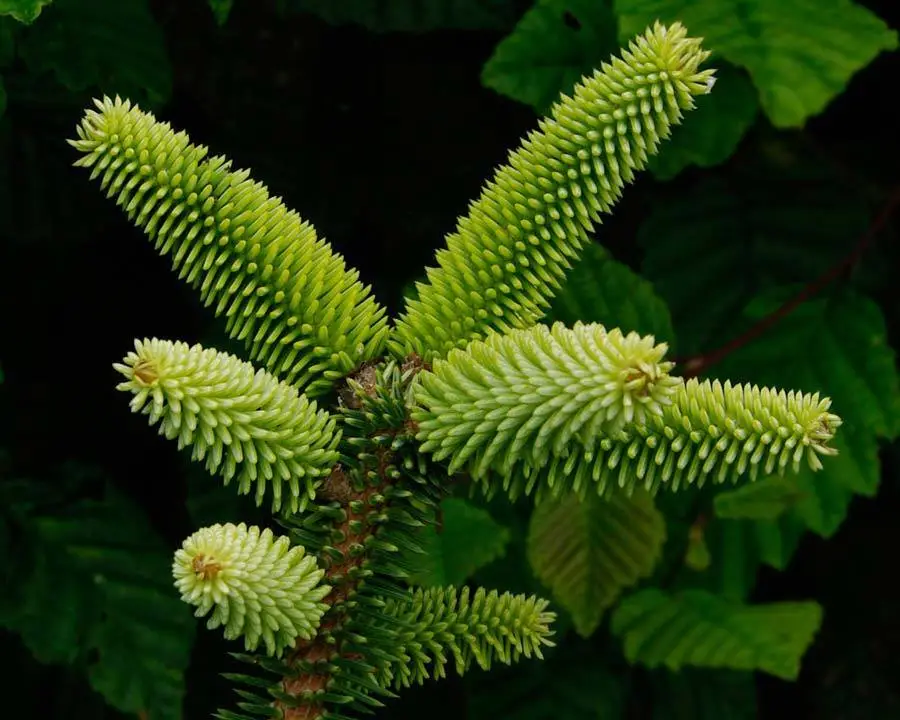
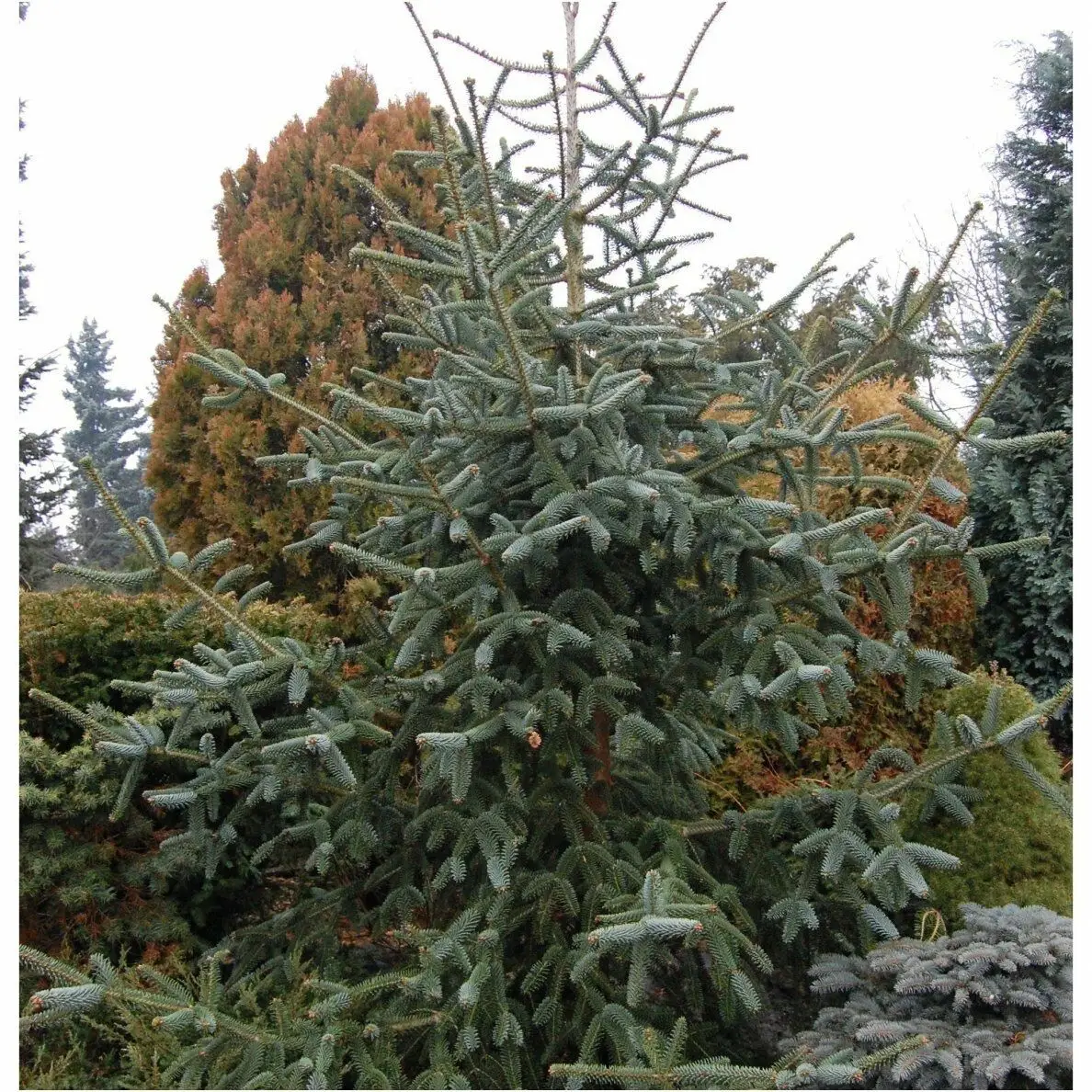
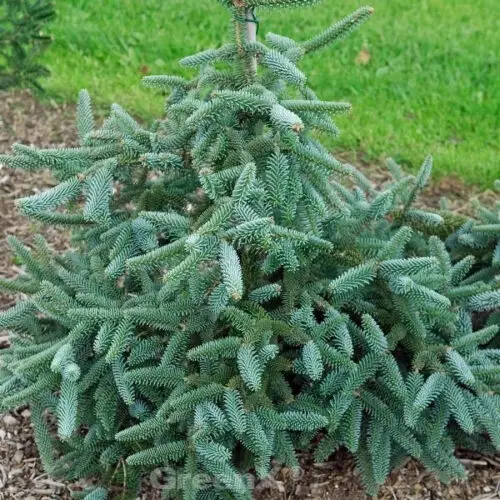
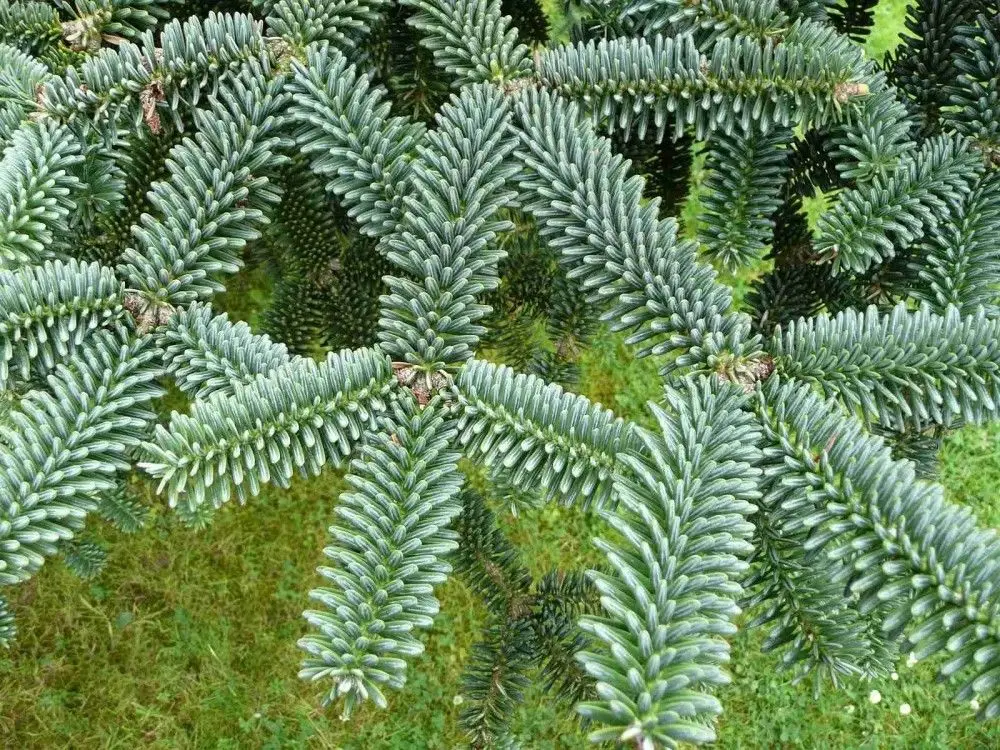
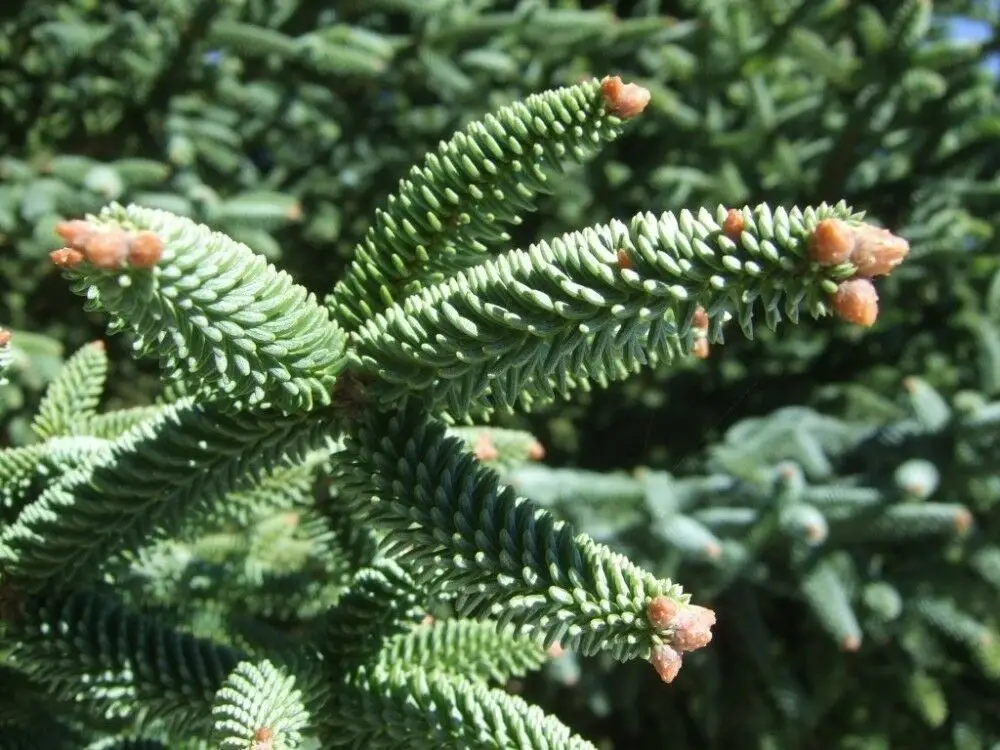
This is where Abies pinsapo excels: as a bonsai artist’s dream. With its unusual appearance, the gnarled branches and the beautiful thick, densely standing needles, it is excellently suited for bonsai design. What makes it superior to almost any other fir for bonsai work? Everything. The leaves are 1.5–2 cm long, arranged radially all round the shoots, and are strongly glaucous pale blue-green, with broad bands of whitish wax on both sides. This radial needle arrangement—like a bottlebrush in 3D—creates incomparable silhouette definition in miniature form. The needles never look sparse or crude; they remain dense, refined, architectural. Twigs are stout and very stiff (more than in perhaps any other species of Abies), meaning they hold the shapes you create, accepting wiring and training with the discipline of a master’s hand. Beautiful raspberry colored buds are borne in spring—surprise pops of color that delight the eye year after year. The bark thickens and fissures with age, giving your bonsai the patina of antiquity even as a young tree.
Grow it for decades, and the character deepens. Pinsapo bonsai are passed down through collectors’ families, each generation refining the form, watching the trunk age into something that looks centuries old. This is not a ten-year project; this is a lifetime commitment to living sculpture.
**How to Grow It**
Abies pinsapo is not difficult—it simply respects honesty in care. Hardy to Zone 6 (cold hardiness limit between -23.2°C and -17.8°C), it will tolerate harsh winters. Provide full sun (essential for maintaining that frosty blue-green hue) and well-draining soil—it thrives on limestone-derived or rocky ground with excellent drainage; waterlogging kills it faster than frost ever could. Moisture matters: cool, moist winters with annual precipitation around 1000 mm are the sweet spot. In hot, dry summers it survives, but its true glory emerges in cooler climates with consistent moisture. Patience is your tool here—growth is deliberate, not rushed. This is a tree that teaches you the art of restraint.
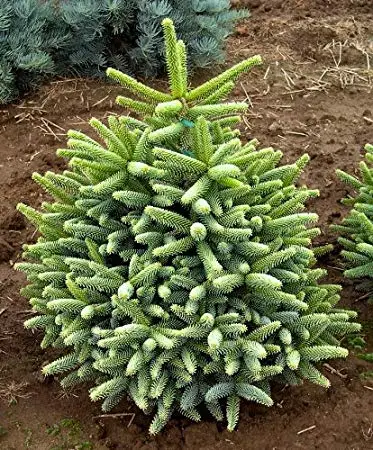
For bonsai: Begin from seed and train young. The slow growth is a gift, not a curse—every millimeter of progress becomes precious, every branch decision permanent, every wire mark a teaching. The species tolerates pruning, responds to refinement, and rewards discipline.
**Your Invitation**
Start these seeds now. In 5–10 years, you will hold a bonsai that looks older than most trees can grow. In 50 years, a masterpiece that carries within it the biological memory of the Ice Age—a living link to epochs past, thriving in your care. Abies pinsapo is not easy to find, and that rarity is part of its magic. Grow it. Preserve it. Shape it. This is the conifer that separates the collector from the visionary.
Only logged in customers who have purchased this product may leave a review.

Reviews
There are no reviews yet.