Abies magnifica — California Red Fir | The Capitol’s Christmas Tree Conifer

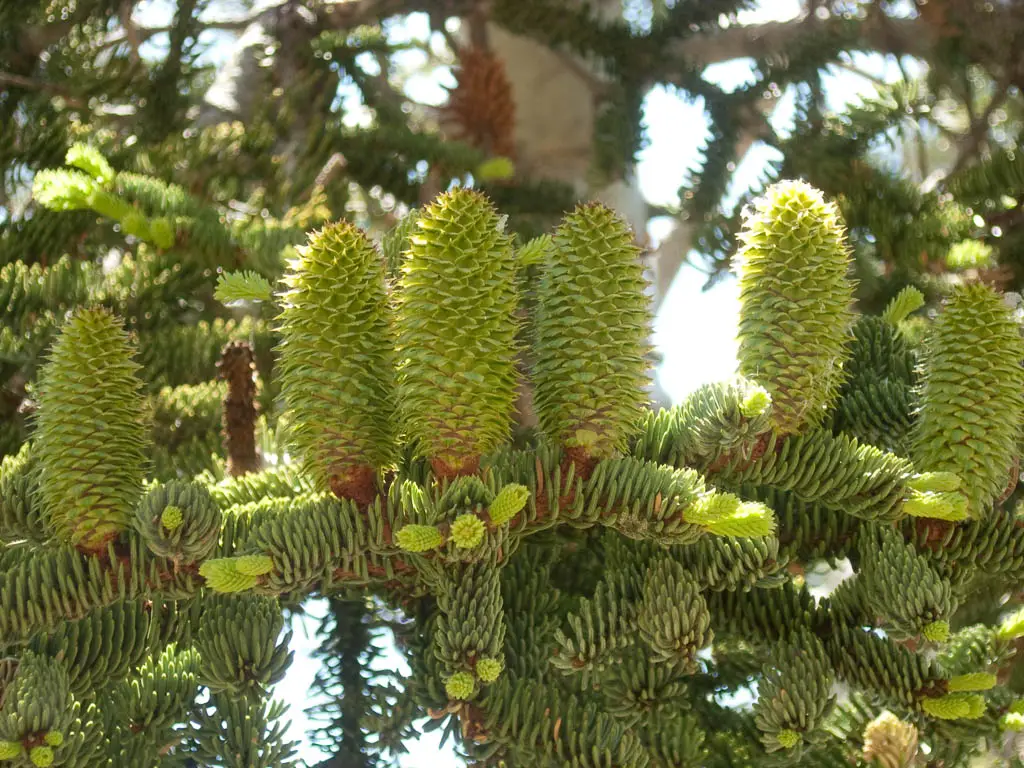
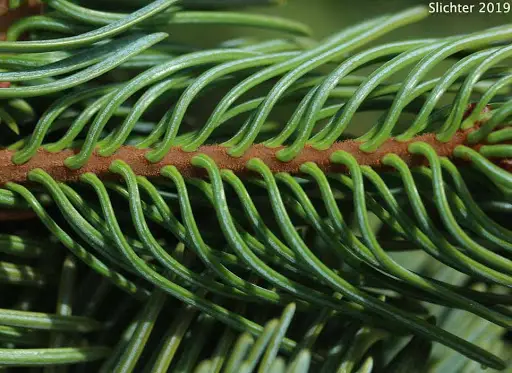
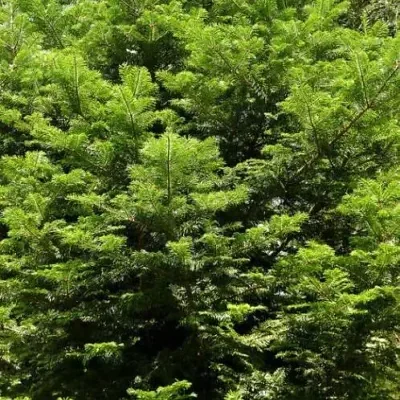
Grow the majestic silvertip fir beloved by America’s finest estates and forests. A 53-foot red fir from the Humboldt–Toiyabe National Forest was used as the 2025 Capitol Christmas Tree. Young foliage has a whitish coating, later becoming blue-green. Strikingly beautiful, surprisingly rewarding: seeds require a simple cold stratification, then patience and cool conditions reward you with a tree of legen

2.07

You May Also Like

Description

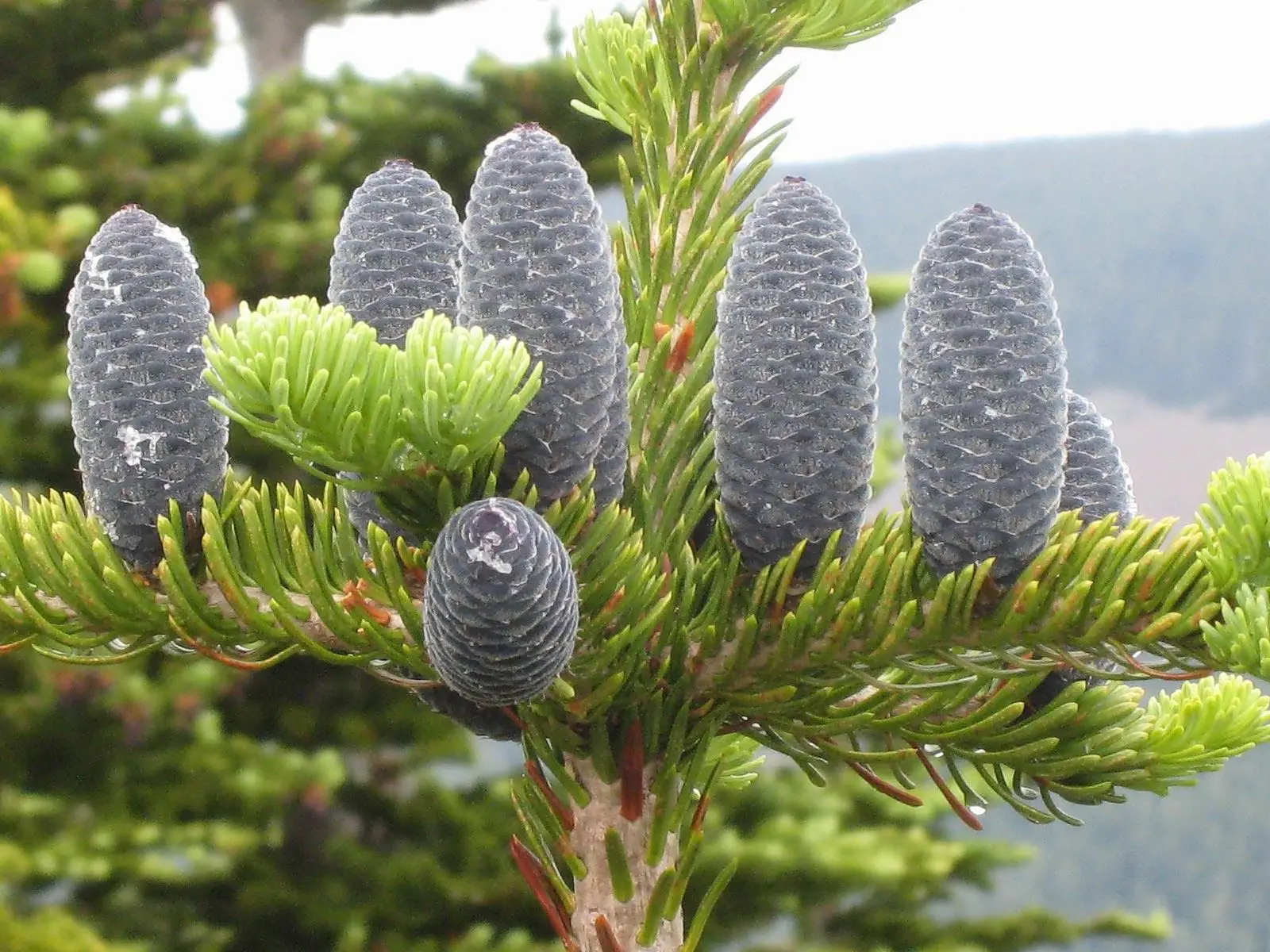
Abies magnifica, the red fir or silvertip fir, is a western North American fir native to the mountains of southwest Oregon and California. When you hold these seeds in your hand, you’re holding the promise of generations—a tree of monumental beauty that will outlive you and reshape the landscape you love.

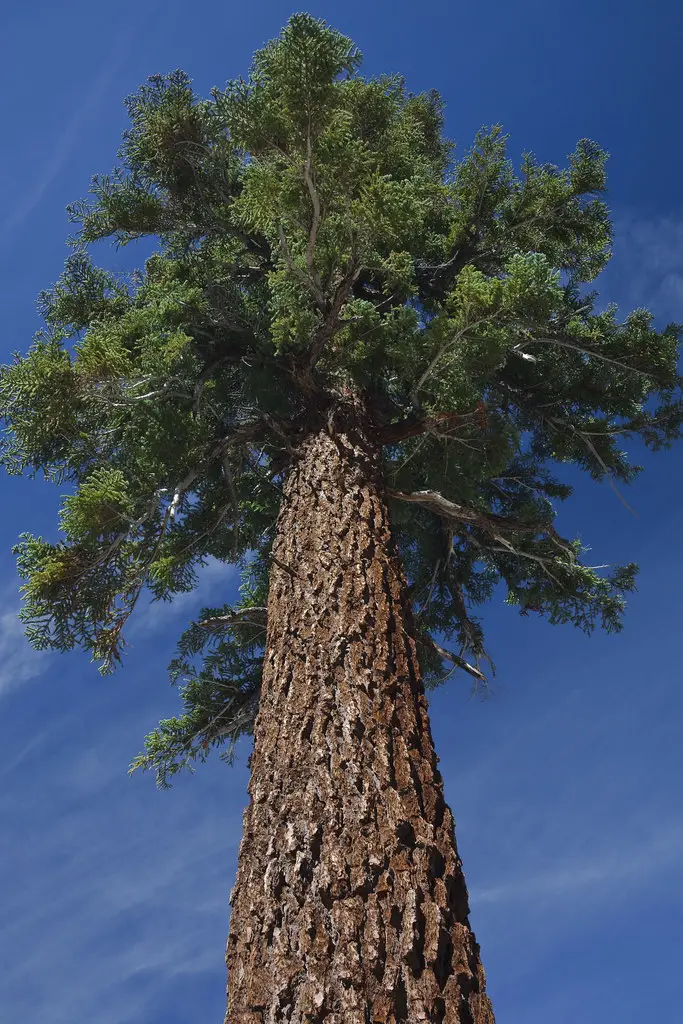
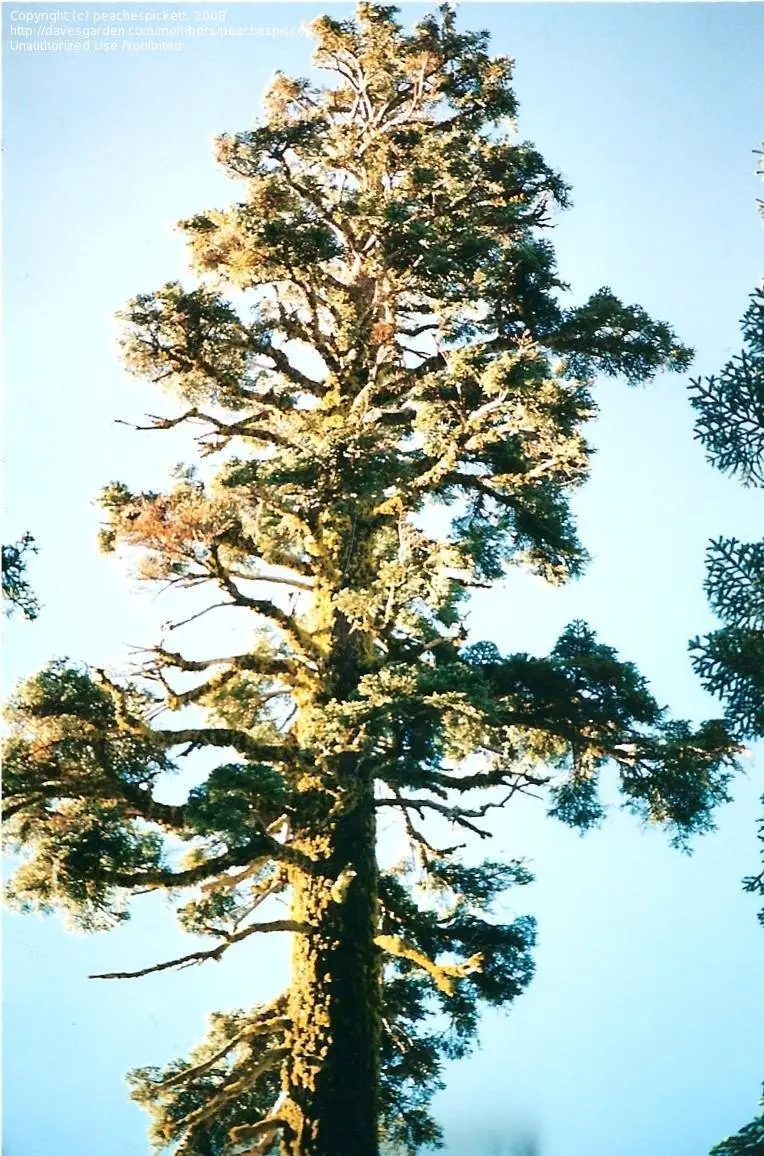
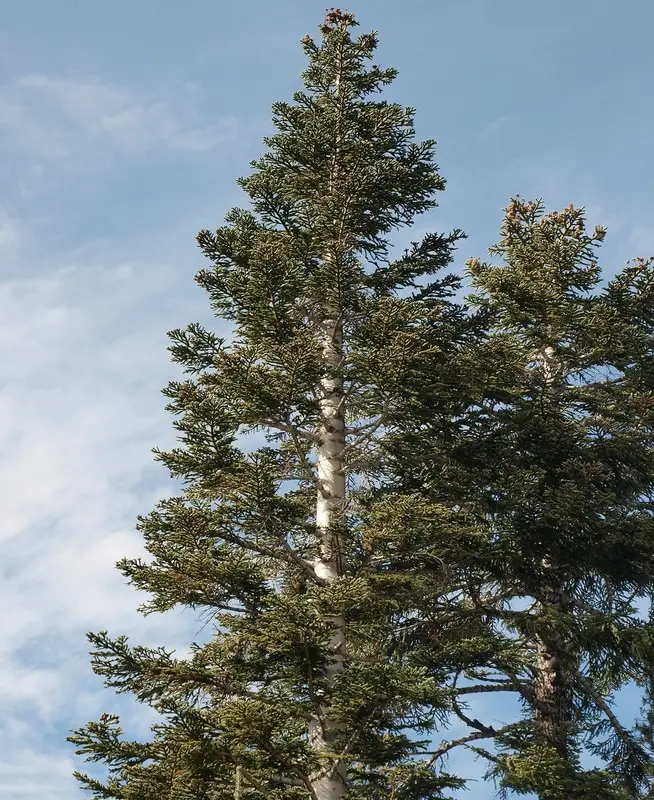
Named for its characteristic bark, this magnificent conifer forms almost pure forests at high altitudes along the western slopes of Sierra Nevada. The red fir was first identified by William Lobb during his 1849–1853 expedition to California. The species speaks to the wild heart of North America, to untamed peaks and pristine snow. Typically up to 40–60 metres tall and 2 m trunk diameter, rarely to 76.5 m tall and 3 m diameter, with a narrow conic crown. The bark on young trees is smooth, grey, and has resin blisters, becoming orange-red, rough and fissured on old trees—a transformation as stunning as any living thing on Earth.

But here’s what makes this tree truly irresistible: it makes up a significant portion of the premium Christmas tree market. This is not a utility conifer—this is the tree of presidents, of country estates, of families who demand the finest. These trees, often called ‘silvertip fir’ due to their lustrous needles, are prized as Christmas trees. Imagine nurturing a seedling into a specimen so magnificent it graces the Capitol itself. Even at modest dimensions, red fir makes an extraordinary ornamental centerpiece—valued for its ornamental qualities, particularly the striking bark and attractive foliage. Suited for bonsai cultivation or large-scale forest restoration, this species opens doors to multiple expressions of your passion. Red fir dominates large areas of high country that are a major source of water, especially in California—growers are literally participating in watershed and forest regeneration.

Growing red fir demands patience and respect. Flourishing at high elevations from the Cascade Mountains in Oregon to the Sierra Nevada in California, it thrives in cool, moist climates with distinctive 4- to 5-month summer dry spells. For cultivation it requires a cool location in good moist but not waterlogged soil but also grows in heavy clay soils. It is a very shade tolerant tree, especially when young, but growth is slower in dense shade. Stratification for 3 months at 30 degrees improves germination. Once established, it has high wood production per hectare even in natural, unmanaged stands, making it increasingly valuable as a timber tree used for general construction and plywood. In cultivation, it requires full sun exposure and well-drained soils. Start small, think big—trees should be planted into their permanent positions when quite small, between 30 and 90cm in height; larger trees will check badly and hardly put on any growth for several years. Dormant trees are very cold hardy, although new shoots are susceptible to late frost.

This is the tree of the high mountains, of ancient forests, of permanence. Growing Abies magnifica from seed is an act of faith in the future—you’re planting not just a tree, but a legacy. Whether you’re dreaming of a Christmas tree worthy of the nation’s capital, an ornamental specimen that turns heads for decades, or a cornerstone of ecological restoration, this seed opens that door. Start your journey now with one of nature’s noblest conifers.

Germination Guide

🌍 High-elevation mountains of southwestern Oregon, California Sierra Nevada, and western Nevada, at elevations of 1,400-2,700 meters (4,600-8,900 feet)
Moderate

Abies magnifica, commonly known as California Red Fir, is a large evergreen conifer native to the high-elevation mountains of California, Oregon, and Nevada. This species produces seeds that germinate more evenly and successfully when subjected to cold stratification, which mimics the natural winter dormancy period they experience in their native alpine habitat. Germination typically begins within 2-8 weeks after stratification and sowing.

Germination
Germination time
Expect germination in

14 – 56 days

Temperature

Min 4°C
Ideal 15°C
Max 20°C

Light
☁️ Indifferent

Substrate moisture
💧 Medium

Sowing depth
0.5 cm

Press seed
👆 Yes

Germination rate
50 %


Seed Pre-treatment
  • 💧

    Soaking — 24 hours
    Soak seeds in room temperature water for 24 hours before stratification to improve germination
  • 🔨

    Hot water scarification
    Soak seeds in room temperature water for 24 hours before cold stratification
  • ❄️


    Cold stratification — 30 days at 4°C
  • 📋

    Additional notes
    A short period of cold stratification in refrigerator improves germination rate and synchronizes seedling emergence

Substrate & Container
Recommended substrate
Well-drained, acid soil or seed compost with vermiculite

Recommended container
Plant pots, seed trays, plug trays with drainage holes


Growing Tips
Seeds may start germinating during cold stratification; sow seeds 1/4 inch deep (approximately 6mm) into moist seed compost. Tamp soil gently and apply a light mulch to the seed bed to maintain moisture. Keep seedlings well-watered and free from weeds; protect from fungal diseases like damping-off by avoiding dense sowing and ensuring good air circulation. Seedlings benefit from full sun but are shade-tolerant when young. Transplant seedlings to individual pots during their first growing season for best establishment.

Reviews

There are no reviews yet.

Only logged in customers who have purchased this product may leave a review.

Related Products