
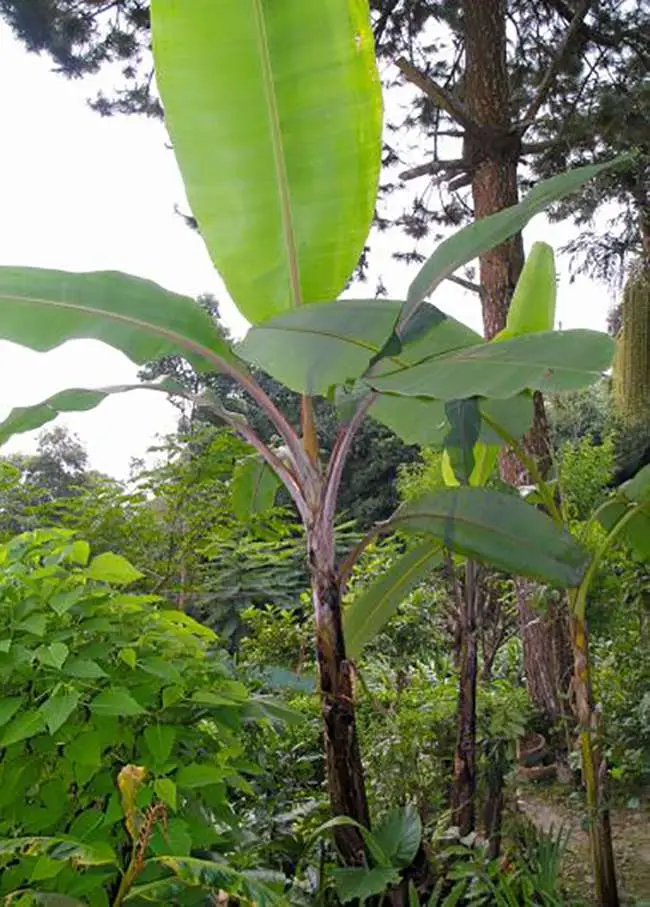
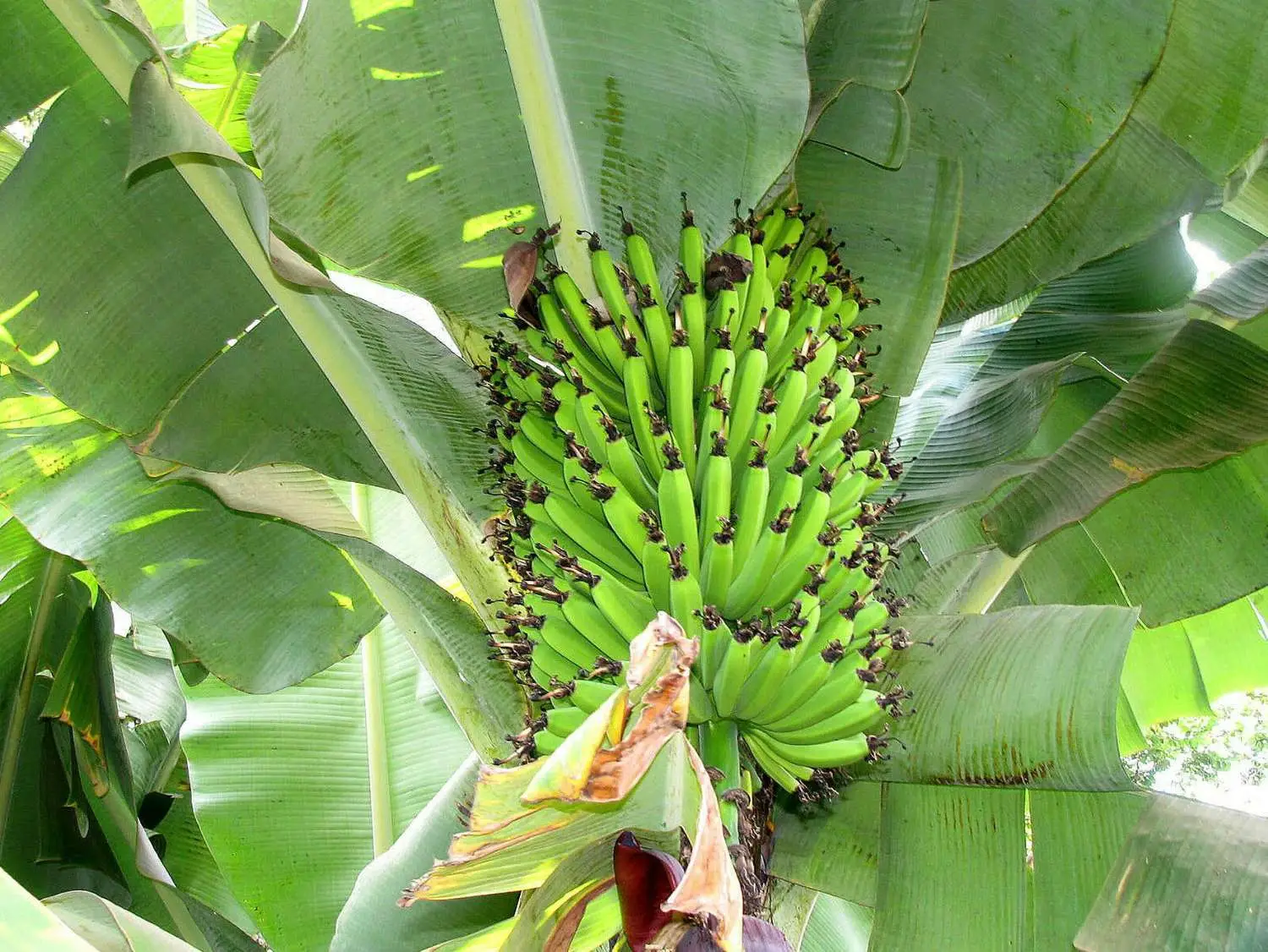
Discover the banana that breaks all the rules: cold-hardiness combined with genuine fruiting capability. Born at 5,000 feet in Darjeeling’s misty foothills, this stunning hybrid yields sweet, tropical-flavored fruits even in cooler climates. Large, lush leaves flaunt vibrant green with deep maroon hues—ornamental beauty that actually produces. Quick to sprout from seed and explosive in growth, even at low temperatures. Grow this rare treasure and own a pie
A recently discovered banana from around 5,000 feet elevation in the plant-rich eastern Himalayan region of Darjeeling, India—and it will change everything you thought you knew about growing bananas in cool climates.
Musa ‘Helens Hybrid’ is a cold-hardy banana cultivar resulting from a cross between Musa sikkimensis and ‘Chini Champa’, combining the hardiness of M. sikkimensis with the fruiting capabilities of ‘Chini Champa’. This isn’t merely ornamental theater; it’s genuine fruit production where most gardeners thought it impossible. The ‘Chini Champa’ parent brings superior fruit quality and distinctive color—red leaf-midribs, reddish leaf undersides, waxy white leafstalks—while Musa sikkimensis contributes the cold-hardiness that enables growth in the Darjeeling district. Born in the mountains, refined in the garden.
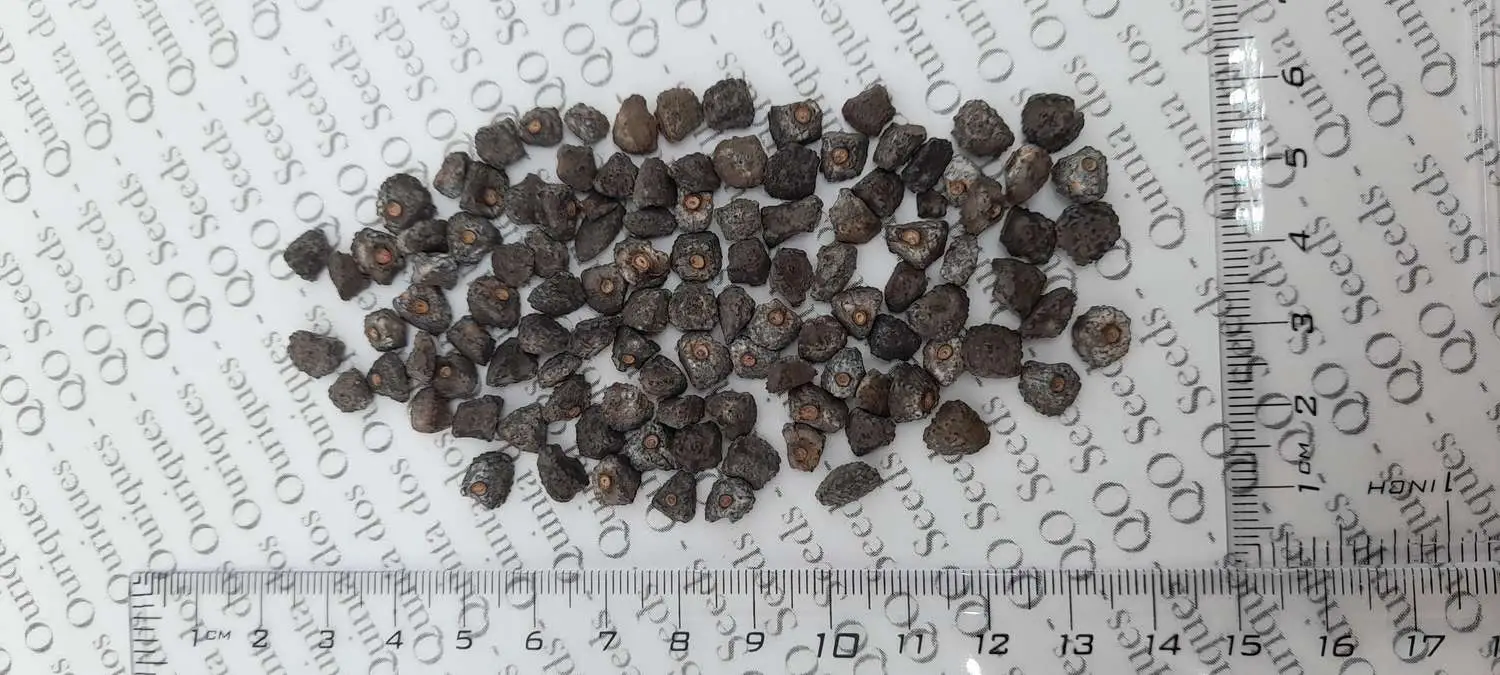
Here lies the magic: The fruits are small to medium-sized and possess a sweet, tropical flavor, and while not as commonly consumed as commercial varieties, these fruits can be enjoyed fresh or incorporated into smoothies, fruit salads, baking, or desserts, offering a unique and delicious twist. Unlike purely ornamental bananas that mock you with sterile flowers, Helen produces—genuinely, reliably. Tasty fruits that, although they contain seeds, are not bothersome and are pleasant to the palate. Grow it for the promise of your own homegrown banana harvest, tender and sun-warmed and impossible to find in commerce.
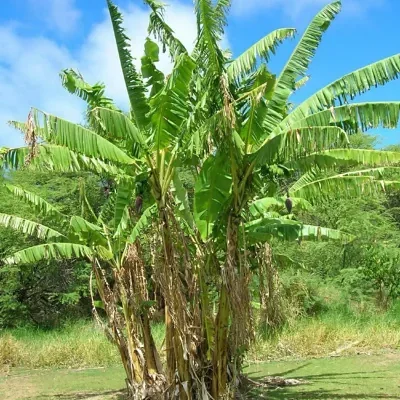
Cultivating Helen is refreshingly straightforward. Plant in fertile, well-drained soil in a sunny to partially shaded position, ideally sheltered from strong winds; regular watering is essential, keeping soil moist but not waterlogged; during growing season (May to August), apply liquid fertiliser. Helen is a quick sprouter from seed and displays extreme vigour and fast growth even at low temperatures—this means you’ll watch it rocket skyward season after season. It can reach heights of 3-5 metres, creating instant tropical drama in your garden. In colder climates, protect the pseudostems during winter by wrapping them in straw, hessian, or fleece to prevent frost damage; alternatively, planting in containers allows easier relocation to frost-free areas during winter. Helen can be propagated through rhizomes, although it’s also possible to grow it from seed. Starting from seed is the true collector’s path—watching the seedling burst into a giant within months feels like magic made real.
Imagine this: a towering banana draped in deep-green leaves blushed crimson on their undersides, unfurling new growth that glows red in morning light. By summer’s peak, the inflorescence emerges—and then the fruit. Your fruit. The knowledge that you’ve succeeded where temperate gardeners are told it’s impossible. That’s Helen. That’s your Darjeeling dream, rooted in your own soil, growing from a single seed you nurtured. Plant her now, and taste the mountains.
Only logged in customers who have purchased this product may leave a review.


Reviews
There are no reviews yet.