



Grow the Himalayan banana that commercial hybrids forgot—sweet, seeded fruit your hand can grow from seed. Glossy green leaves with crimson undersides turn heads while your plant rewards patience with honey-toned bananas. Cold-hardy, fast-growing, surprisingly easy. This is a living heirloom, not supermarket plastic.
€5.71
Imagine stepping into your own garden in June and seeing the first red flower bracts unfurl—wild, impossible, yours. Musa thomsonii is the banana the modern fruit industry abandoned: a wild-rooted species from the high Himalayan foothills of Bhutan, Sikkim, and northeastern India that still remembers how to taste like something real.
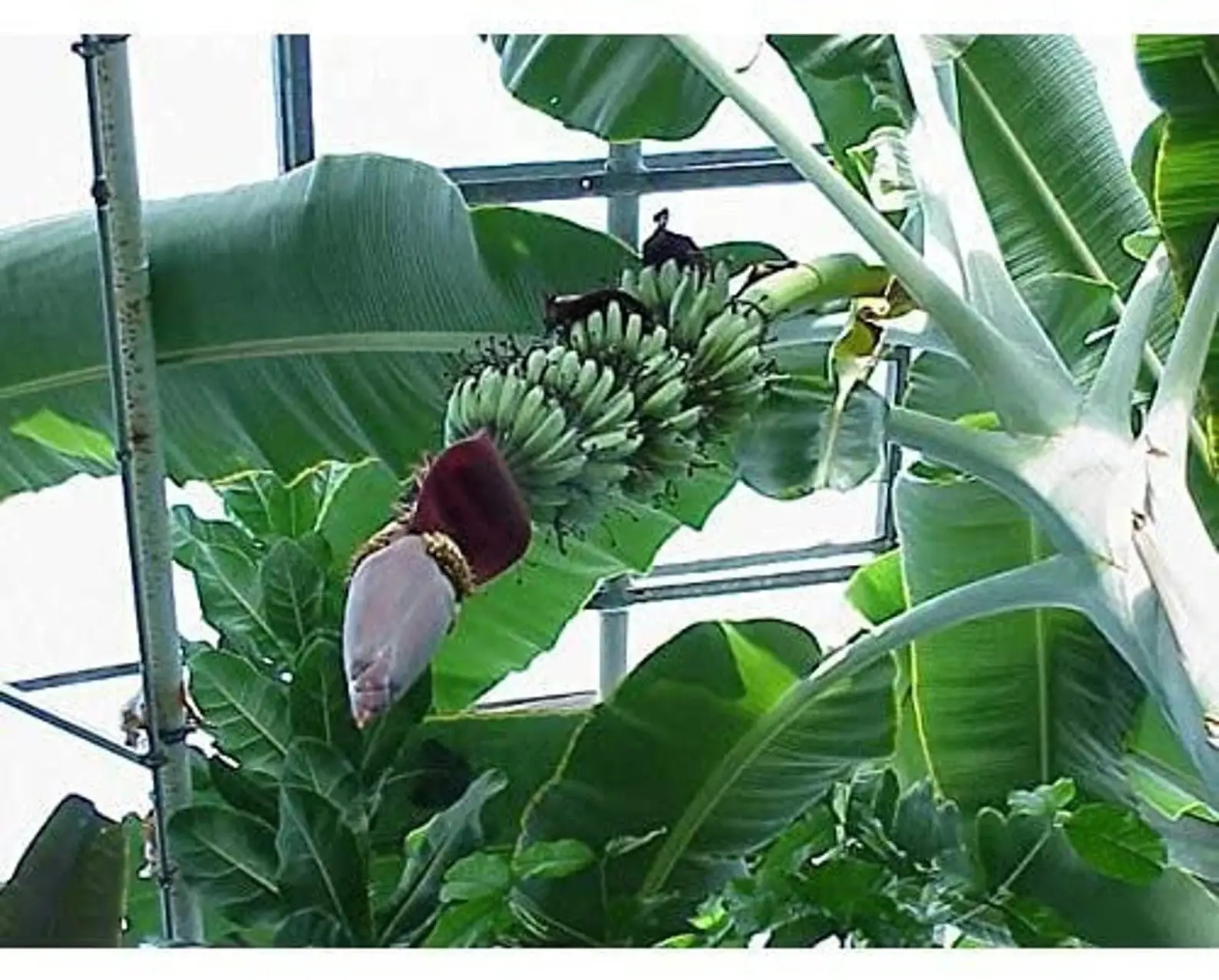
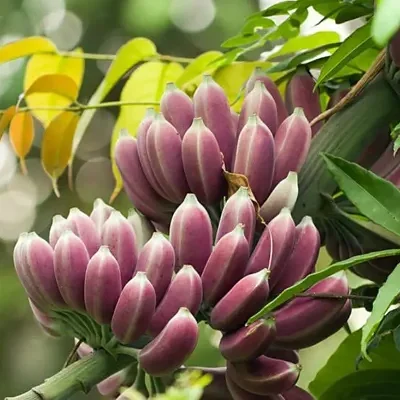
This is where the story gets interesting. While most bananas sold in supermarkets are sterile commercial hybrids—seedless, bland, engineered to survive shipping—Thomson’s banana carries authentic genetics. It grows naturally seeded fruit: small, ivory-fleshed bananas that are genuinely sweet, with flavor that tastes like memory. You’ll find real seeds when you bite into the yellow ripeness, just as people have for centuries in the mountain valleys where this species evolved. That’s not a flaw. That’s heritage.
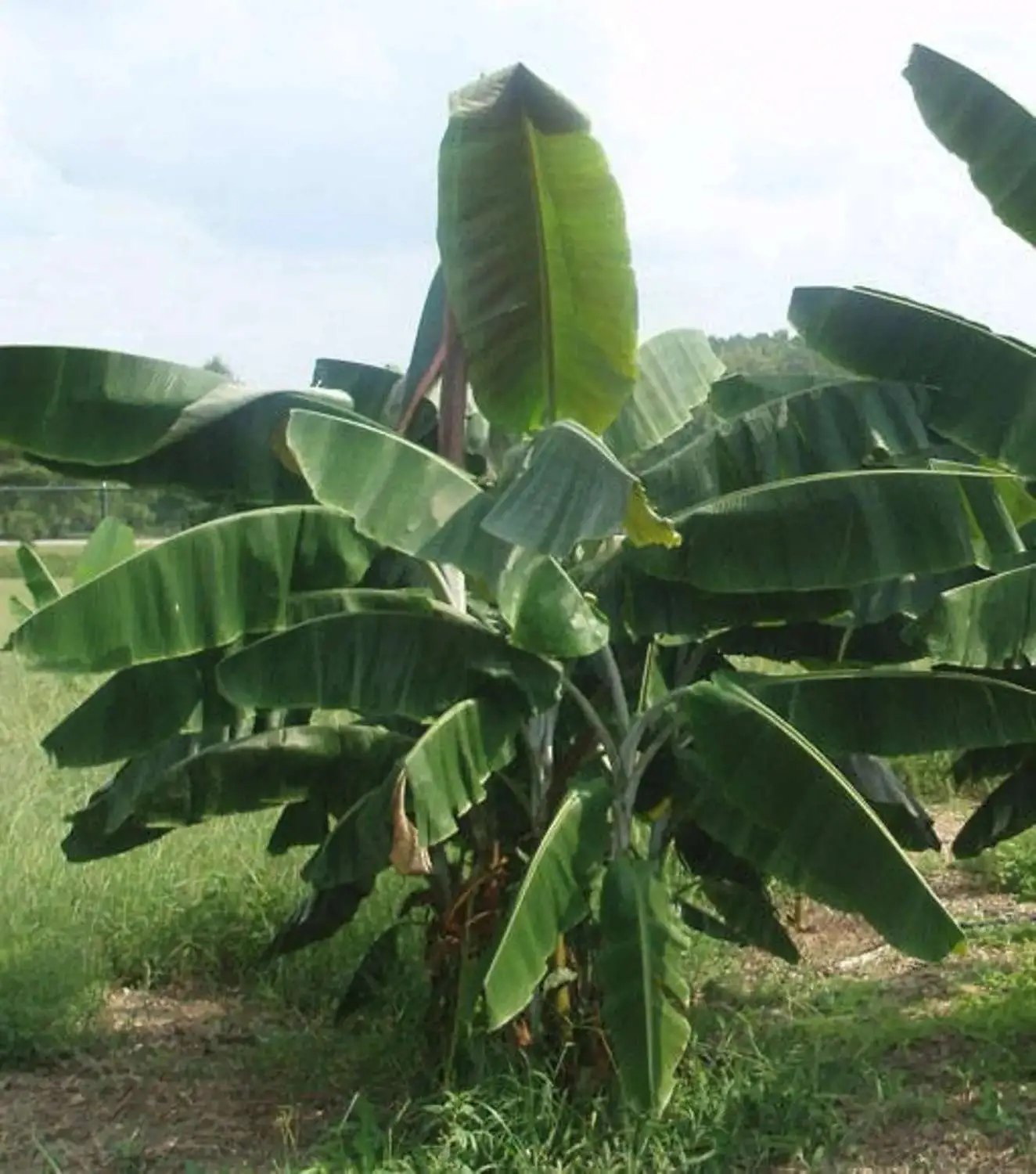
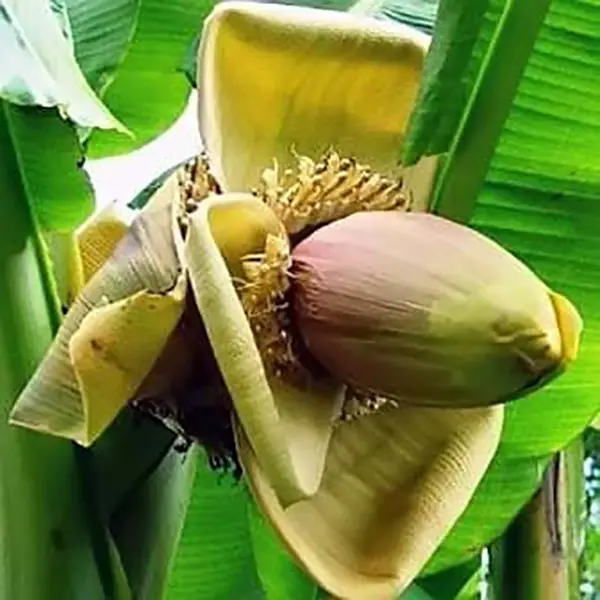
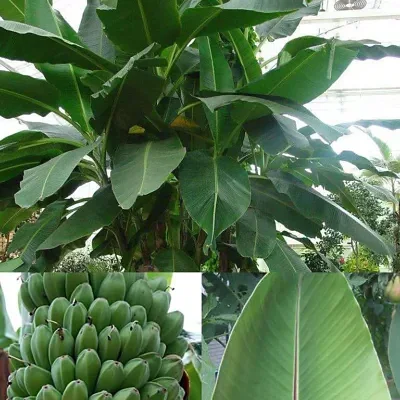
But here’s what makes this species truly irresistible: the fruit is only half the story. Musa thomsonii is a dramatic ornamental specimen that makes every visitor stop. The pseudostems (that elegant trunk-like structure) emerge in waxy grey-green, and the leaves—long, slender, almost ethereal—are glazed deep green with stunning crimson or maroon undersides that blaze when backlit by sun. The flower bracts are intense red, almost violent in their beauty. Plant this where morning light catches the foliage and you’ve created living art that also feeds you. It’s rare to find a plant that excels at both roles: the botanical garden piece and the productive edible. This one does both without apology.
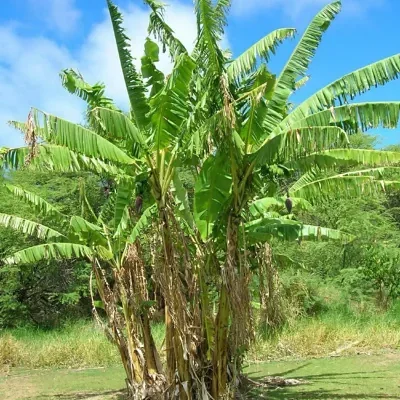
Growing Musa thomsonii is surprisingly forgiving—it’s one of the few bananas you can succeed with if you’re willing to pay attention. It demands full sun or bright partial shade and rich, well-draining organic compost (the better the soil, the faster and more dramatic the growth). Water deeply and regularly during the growing season; let it dry slightly between waterings in dormancy. The plant is cold-hardy in zones 8 and above—it can tolerate light frost and even occasional snow with minimal protection, a rare gift among tropical fruits. In temperate zones, grow it in a container (3+ gallons once mature) and overwinter indoors or under protection, or plant it permanently outdoors if your climate allows. From seed to first flowers typically takes 12-18 months. It’s a fast grower that rewards your effort with a commanding presence: 9-12 feet tall as a specimen, 4-8 feet in a large pot. The plant clusters naturally, creating a lush, architectural silhouette. Every stage of its life—seedling, juvenile, flowering, fruiting—is visually compelling.
This is your chance to grow something real. Not a specimen engineered by agribusiness. Not a decorative houseplant with no purpose beyond prettiness. Musa thomsonii asks only for sun, rich soil, and your patience—three seasons of care—and returns with a plant that is simultaneously a conversation piece, a source of genuine edible fruit, and a living connection to the mountain valleys of the eastern Himalayas. From seed to fruiting banana. From your own hand.
Only logged in customers who have purchased this product may leave a review.
Reviews
There are no reviews yet.