

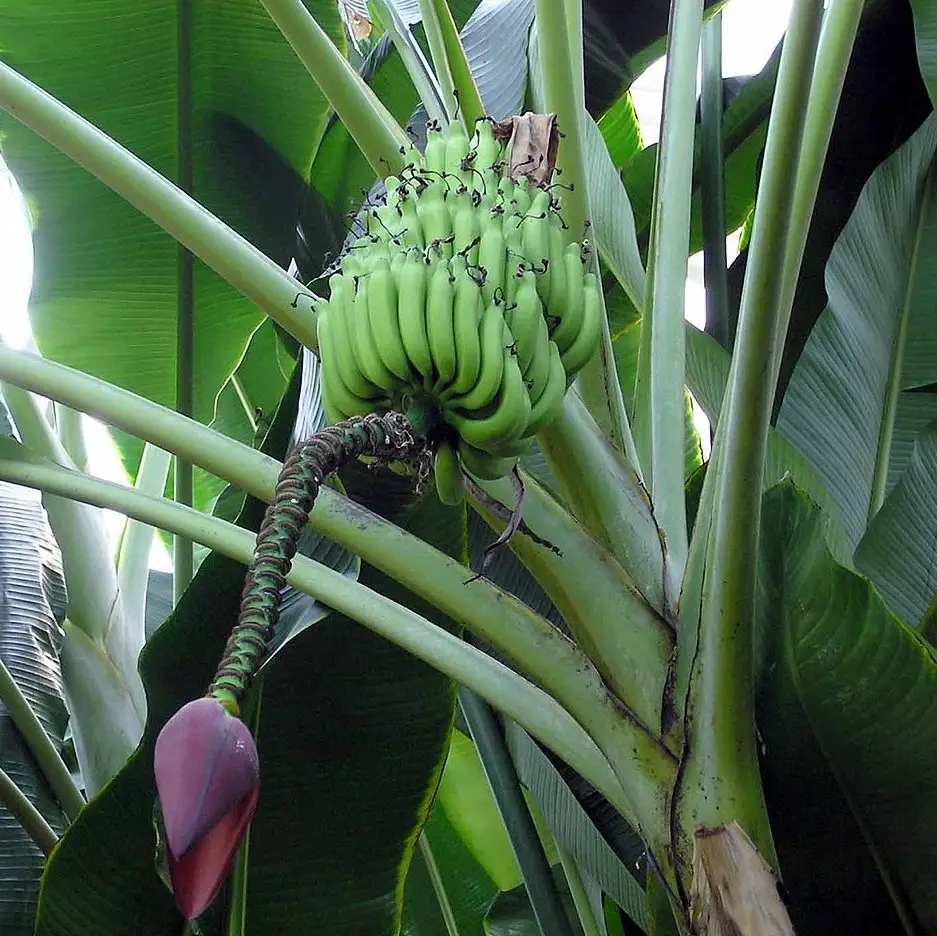
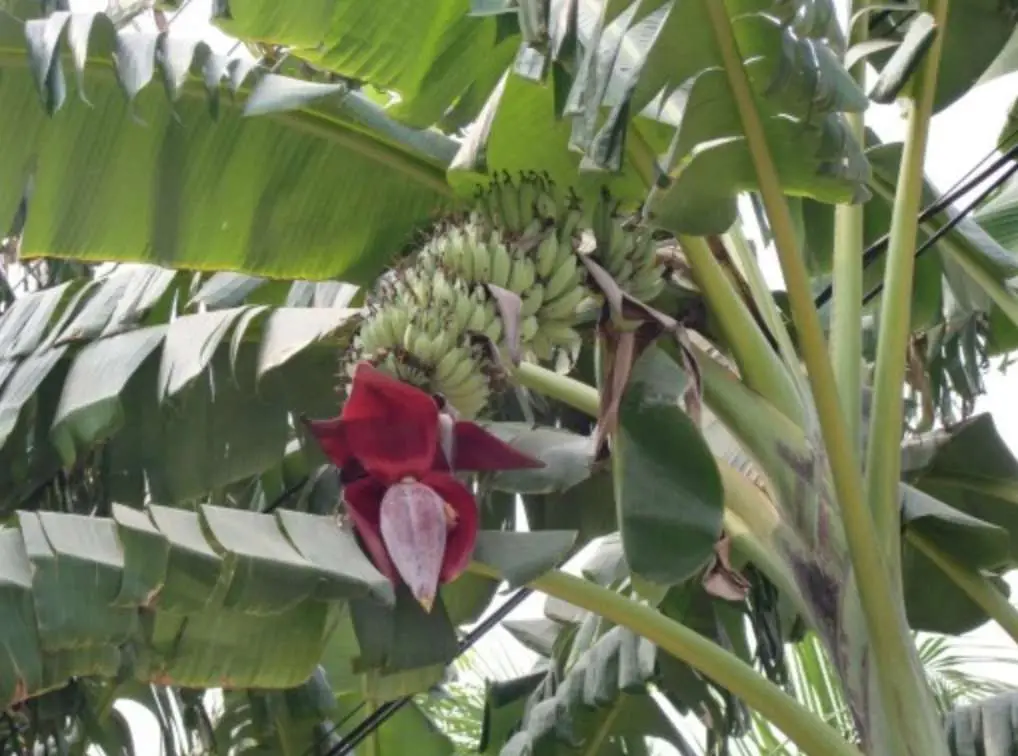
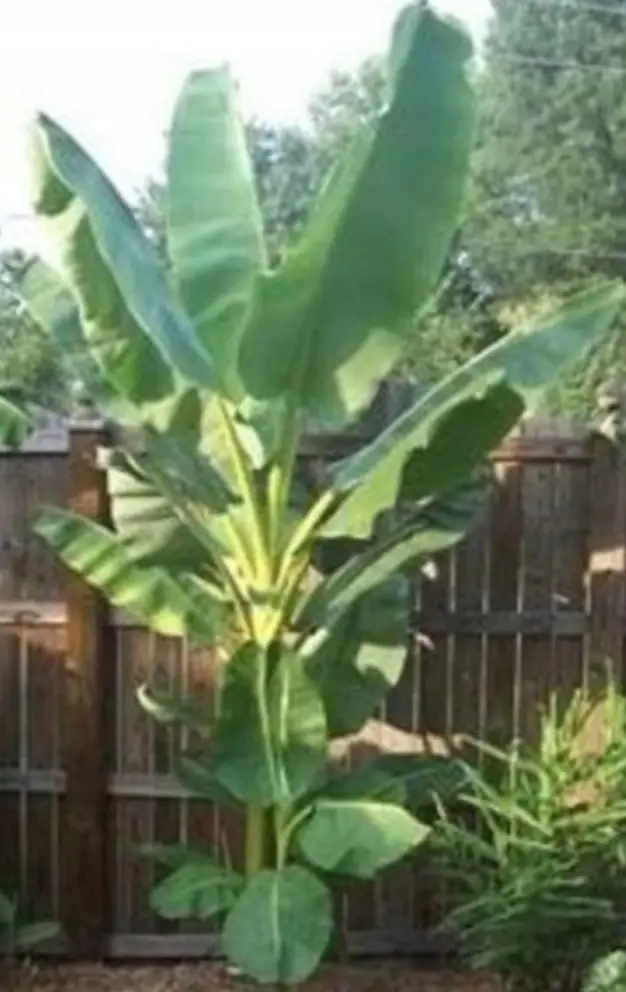
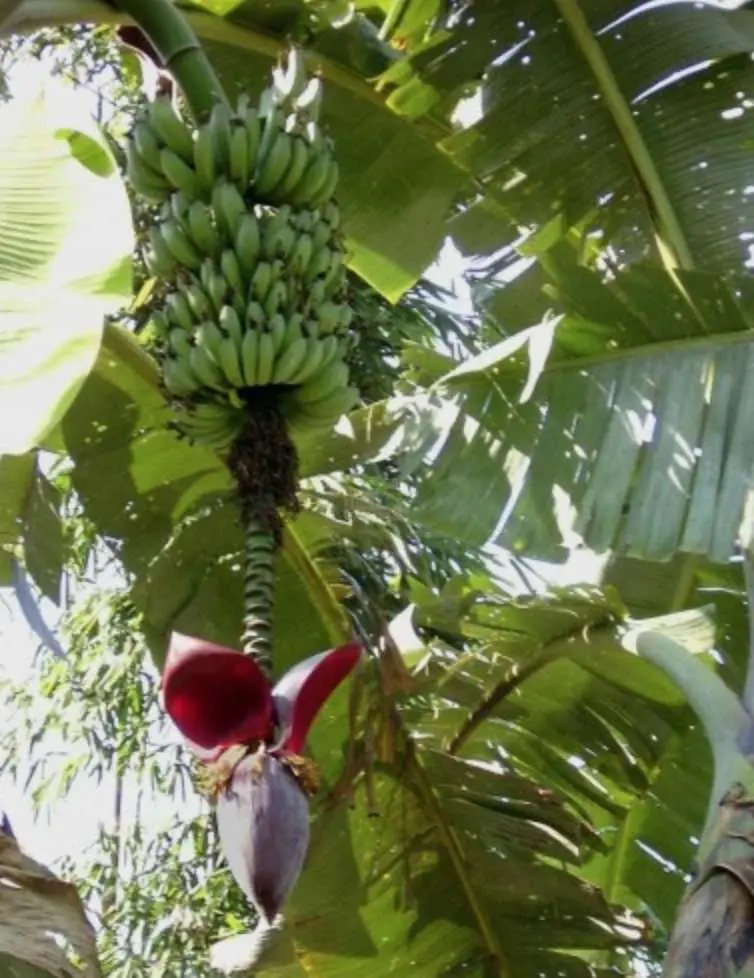
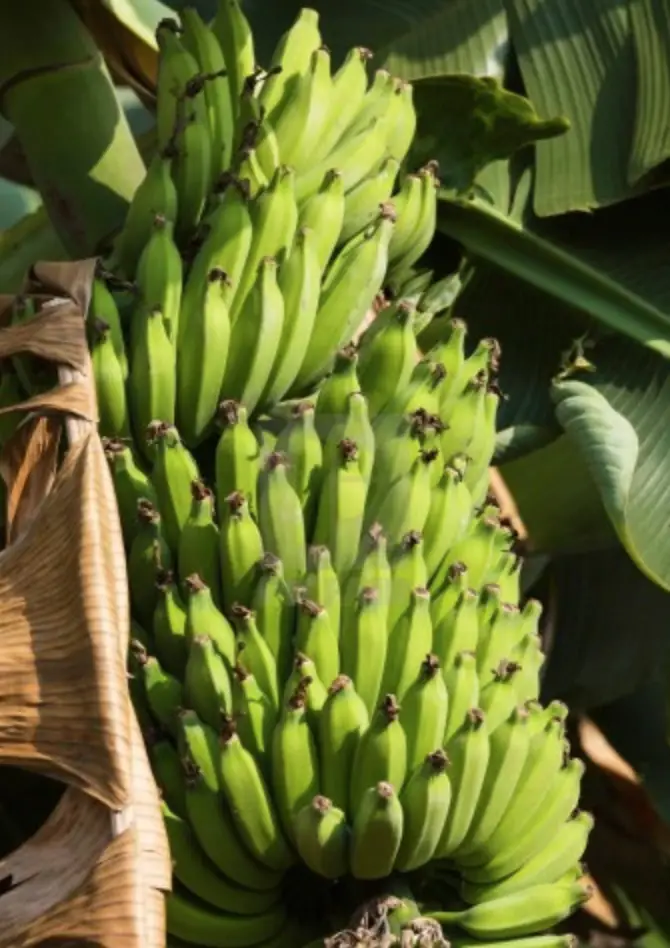
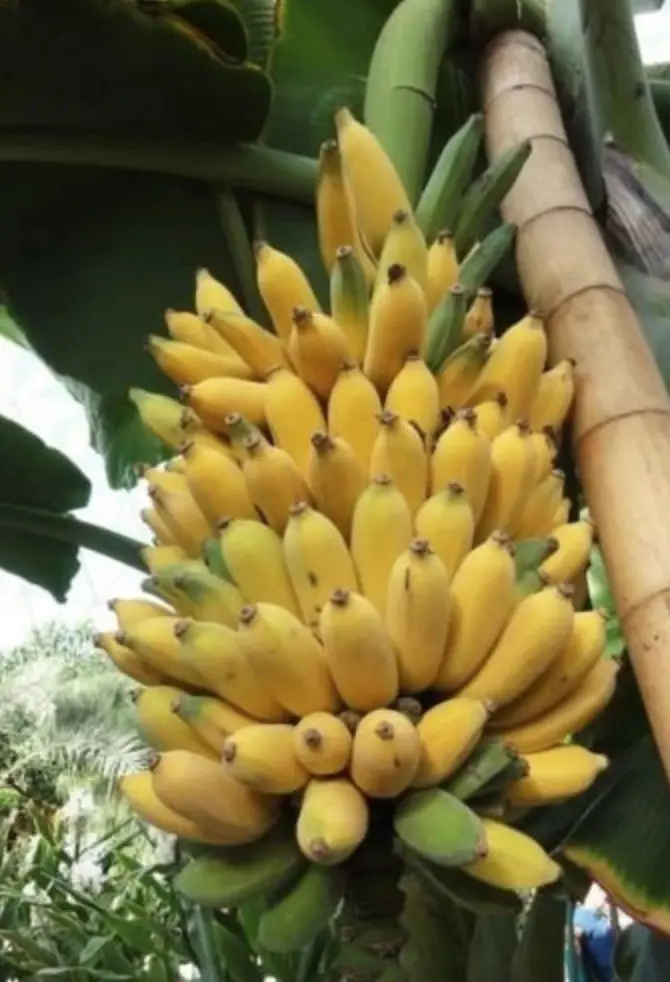
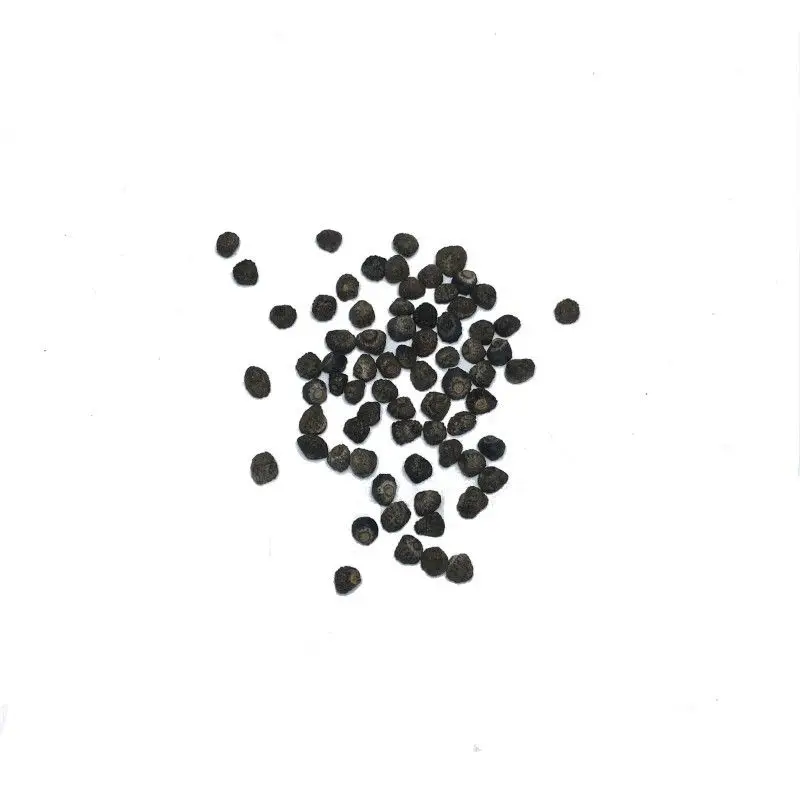
Grow the wild ancestor of modern bananas—a culinary treasure prized across Asia for starchy, versatile fruit unlike any supermarket banana. Magnificent paddle leaves up to 3 meters long transform any space into lush jungle. Boil, fry, roast, or curry your own harvest within 15–24 months. Thrives in tropical warmth with consistent moisture. Own a piece of banana evolution.
€3.76
Musa balbisiana, a wild-type species of banana, is one of the ancestors of modern cultivated bananas, along with Musa acuminata. This is no ornamental novelty—this is the genuine genetic foundation that growers, chefs, and heritage plant lovers covet.
Native to the humid climate of Asia, India, and southern China, Musa balbisiana var. balbisiana is a living bridge to banana domestication. It was first scientifically described in 1820 by the Italian botanist Luigi Aloysius Colla. Centuries of human selection have shaped this species into something remarkable: a wild banana that still retains seeds, yet offers culinary complexity that modern dessert bananas have abandoned.
**THE COOKING BANANA REVELATION**
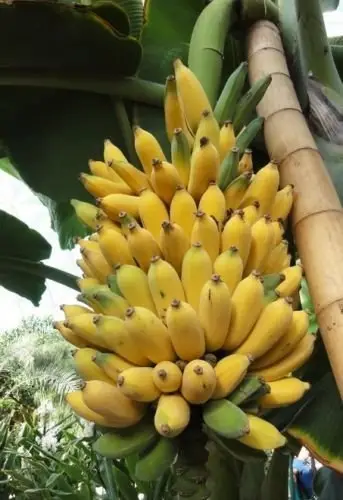
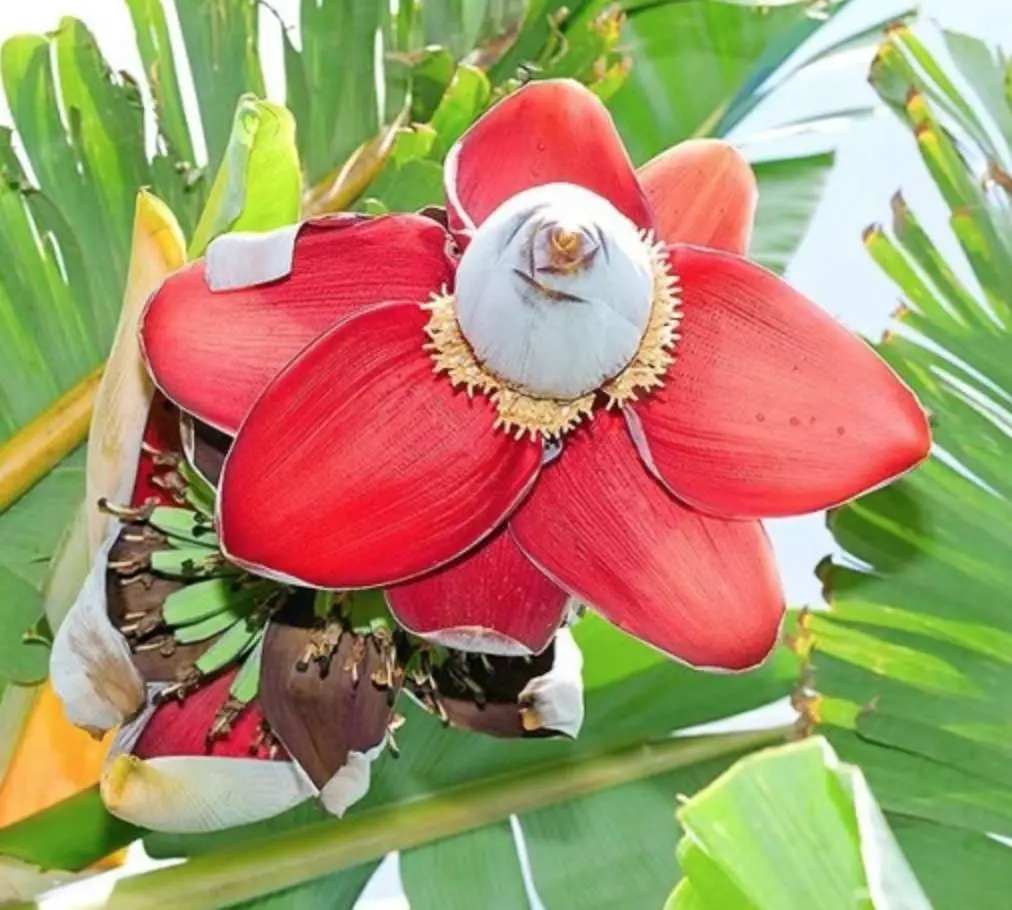
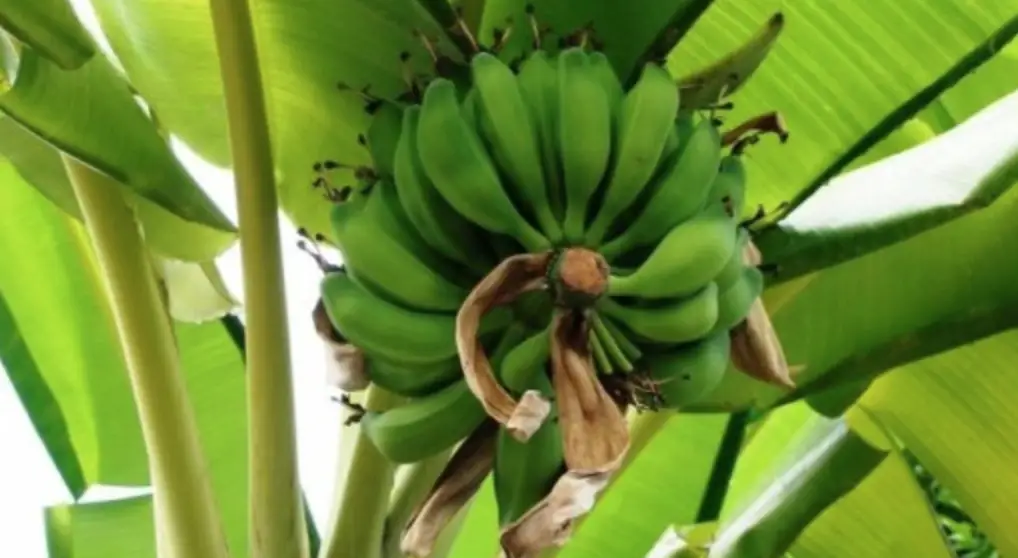
Here is what makes this species essential for serious gardeners and cooks: Its fruit is edible but less sweet compared to cultivated varieties, making it more suitable for cooking rather than for eating raw. This isn’t a limitation—it’s the entire point. The ripe fruit is boiled, baked, fried, or roasted, and the underground stem can be eaten as a vegetable, and the inner stem and male flower clusters are used in curries. Think of it as the plantain’s sophisticated wild cousin: starchy when green, caramel-sweet when ripened, infinitely more versatile than a supermarket banana.
In the Philippines, seeded Musa balbisiana fruit are called butuhan (‘with seeds’), and in Thailand, its leaves are used for packaging and crafts. Those same leaves—up to 2.5 meters long—become your kitchen’s secret weapon. The leaves are used for wrapping foods, for cooking and as plates, transforming a humble meal into something ceremonial. In some cultures, the plant is utilized for its fibers to create products such as mats and ropes. One plant becomes an entire ecosystem of utility.
Beyond the kitchen, the plant is recognized within traditional medicine for its potential health benefits, such as anti-inflammatory properties.
**HOW TO GROW YOUR WILD BANANA**
It grows lush leaves in clumps with a more upright habit than most cultivated bananas. Musa balbisiana is an evergreen Perennial growing to 5 m (16ft) by 3 m (9ft) at a fast rate. This is a bold architectural plant.
*Light & Temperature:* Prefers a position in full sun or light shade. It grows best in areas where annual daytime temperatures are within the range 23 – 28°c, but can tolerate 16 – 38°c. Mature growth can be killed by temperatures of 8°c or lower, whilst young growth can be killed at 12°c. This is a tropical plant, non-negotiable about warmth.
*Soil & Water:* Musa balbisiana Colla requires well-drained, fertile soil with a pH of 5.5 to 7.0, and thrives in soil rich in organic matter, which provides essential nutrients to the plant. It prefers moist soil—consistent moisture without waterlogging is the sweet spot. It prefers a mean annual rainfall in the range 1,300 – 3,000mm, but tolerates 1,000 – 5,000mm. In containers or in-ground, keep it humid and fed.
*The Plot Twist:* The plant is not wind tolerant. Find it a sheltered pocket of your tropical or subtropical garden where it can unfurl those architectural leaves without shredding. This one detail—protection from wind—is what separates a magnificent specimen from a battered, frustrated plant.
**FROM SEED TO FRUIT**
Growing from seed connects you directly to the wild. Wild bananas can be propagated by seeds, which usually germinate in 3—4 weeks time. Yes, it takes time—expect
Only logged in customers who have purchased this product may leave a review.
Reviews
There are no reviews yet.