FREE SHIPPING OVER €30 FREE SHIPPING OVER €30

Musa sikkimensis ‘Red Tiger’ — Himalayan Tiger Banana | Cold-Hardy Tropical Drama

Grow a towering Himalayan treasure with burgundy-flashed, tiger-striped leaves that stop every conversation. This cold-hardy banana thrives in temperate zones—no tropical greenhouse required. Reach 10 to 15 feet in a single season, creating instant exotic drama. Easy to grow from seed with warmth and water.

2.65

SKU: P-2019 Category: Tags: , , ,

You May Also Like

Description

The Musa sikkimensis ‘Red Tiger’ is pure botanical theater: a Himalayan giant that breaks every rule about where bananas belong. This is the plant that makes gardeners in cool climates finally say “yes, I can grow that.” Native to high elevations of Bhutan and India, this incredible banana species is one of the most cold-hardy varieties in cultivation. It arrives from a world of snow and mist—yet produces the unmistakable majesty of tropical foliage. Here is where East meets West in your own garden. Named after Sikkim, the species grows at some of the highest known elevations of any banana, noted as growing at roughly 1780 metres above sea level. This cultivar was only recently introduced to Western horticulture, making it still a rarity among serious plant collectors.

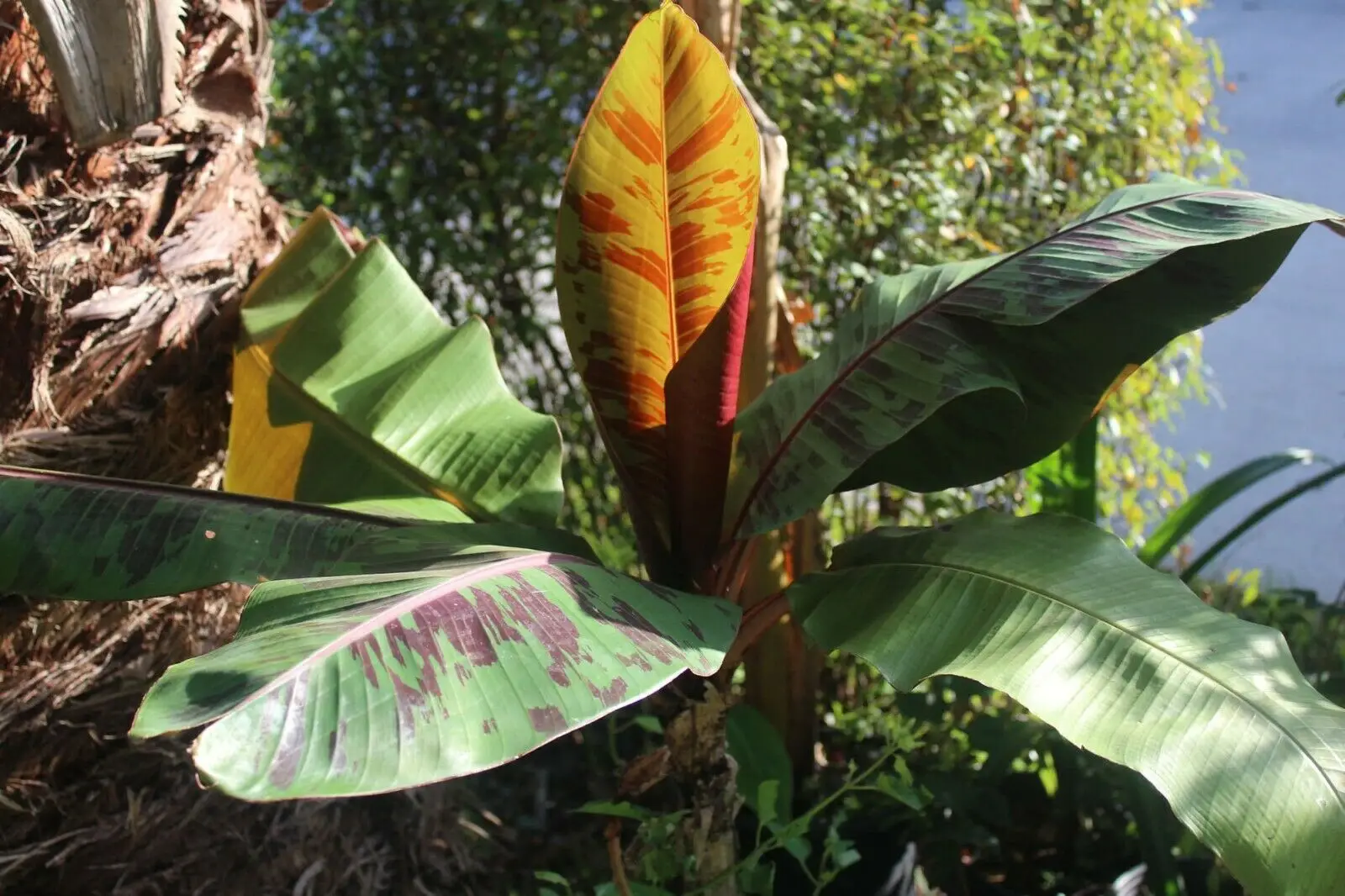
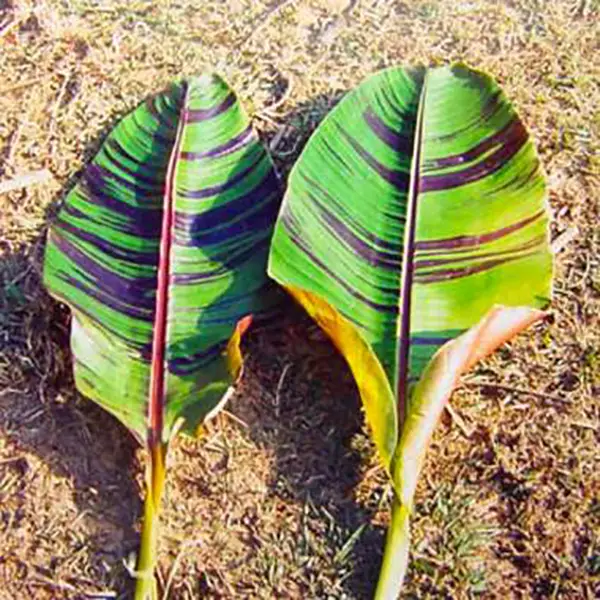
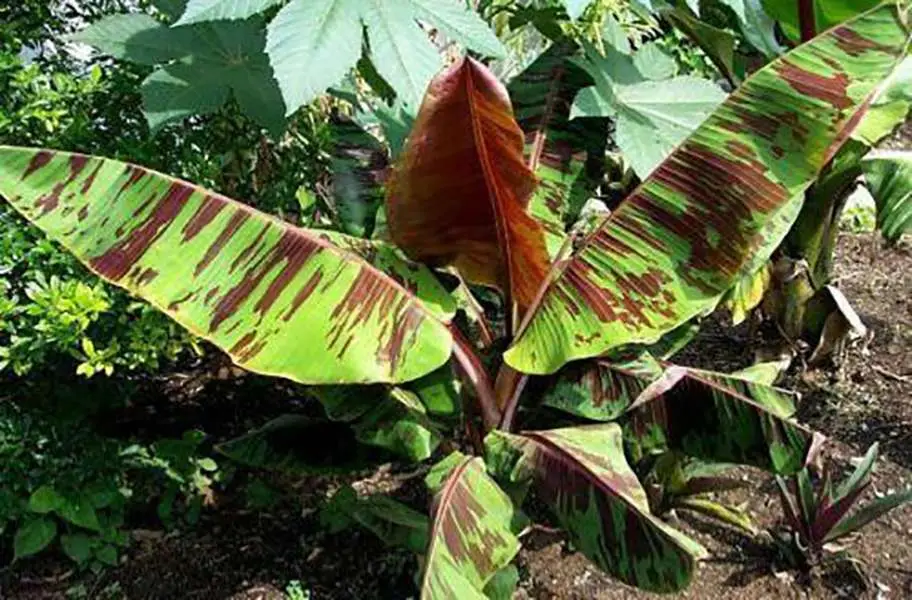
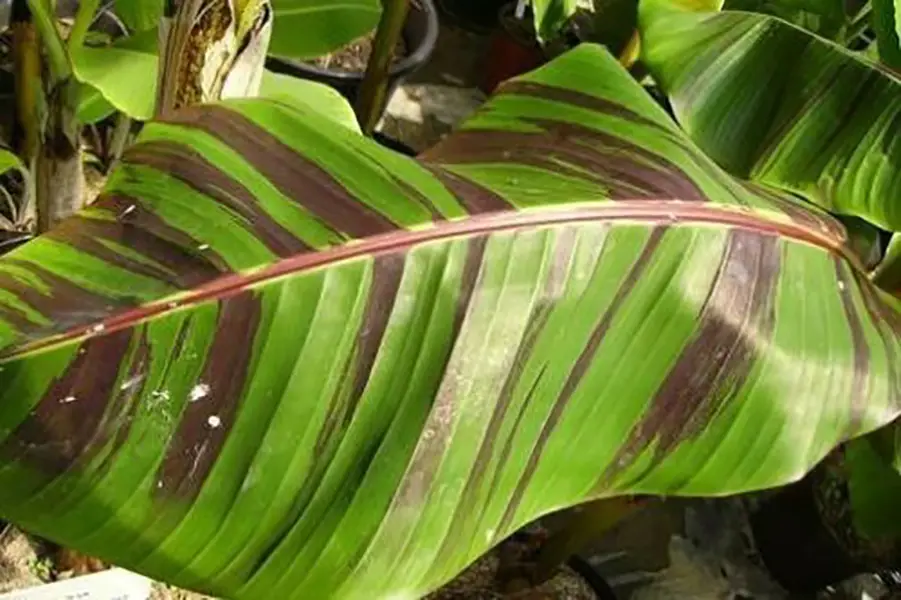
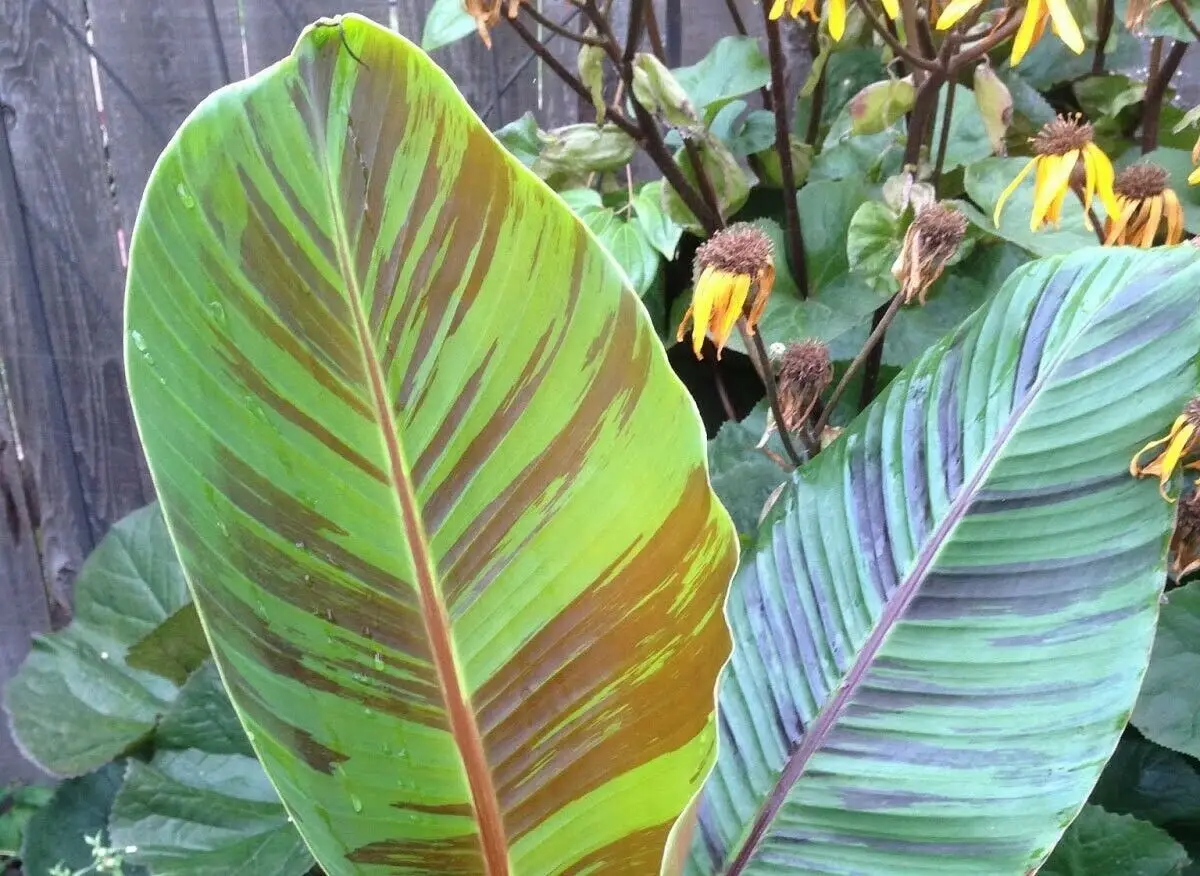
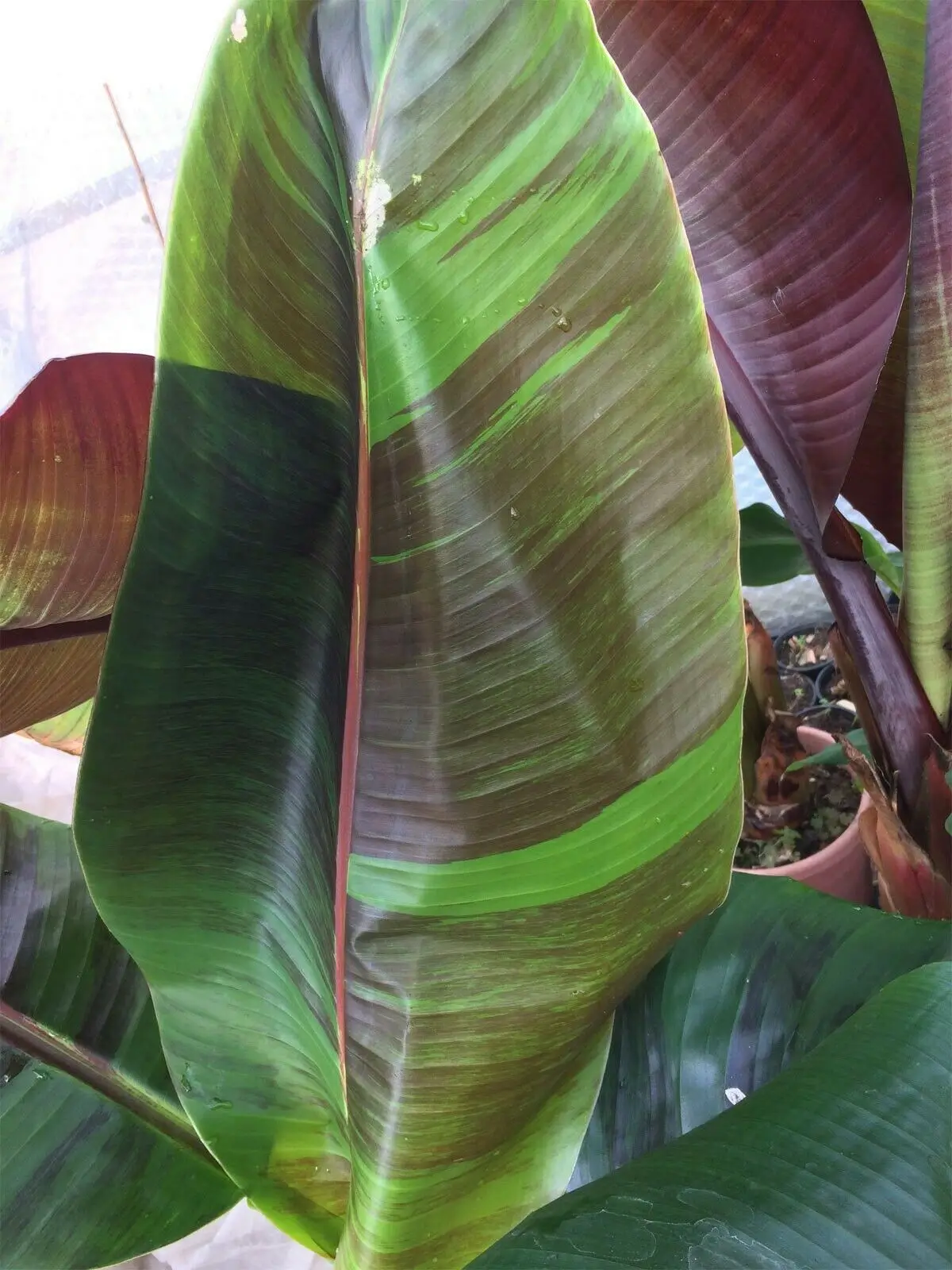
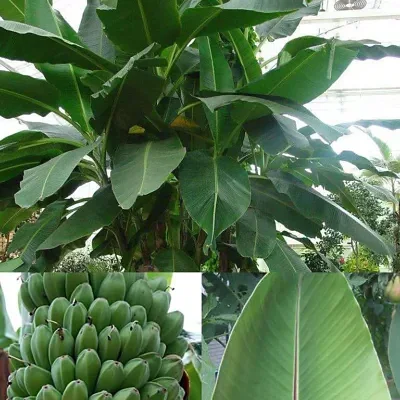
What sets ‘Red Tiger’ apart isn’t just hardiness—it’s the intoxicating visual spectacle. ‘Red Tiger’ is a particularly colorful cultivar, with strong purple banding on the leaf upper side. Young plants have a most stunning pattern to their leaves, with dark purple zebra stripes on the upper surface and a reddish purple below. Flip a leaf over and you’ll discover a metallic mauve sheen—nature’s secret luxury. The Darjeeling Banana is an attractive ornamental plant with massive, dramatic leaves that can reach 2–3 meters long, creating a striking tropical ambiance. Every new leaf is a fresh revelation. During the growing season, the plant can repay your care with a new 3-metre long leaf every week. This is pure living sculpture.

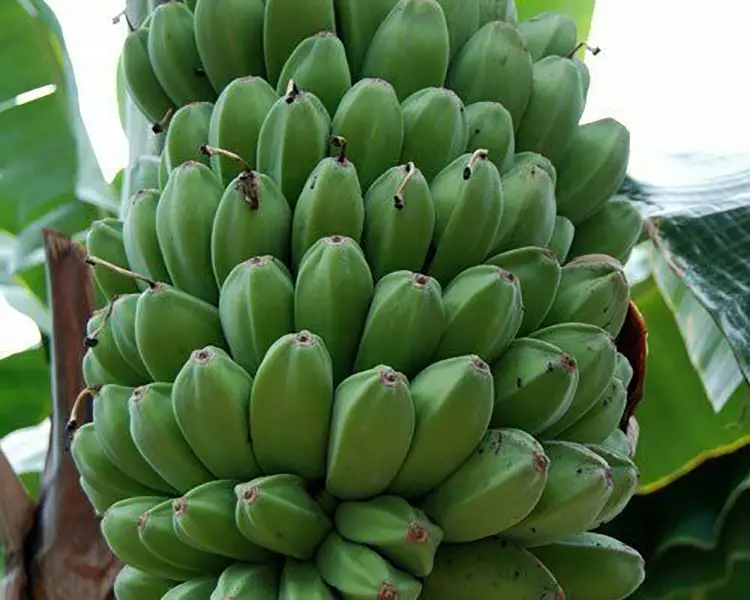
Beyond foliage lies a delightful bonus: the plant produces beautiful yellow flowers followed by small, edible, sweet-tasting yellow bananas. The plant typically flowers 18–24 months after germination, with small golden-yellow bananas developing in clusters, ready to harvest when fully yellow, usually 2–3 weeks after the plant’s flowering period ends. This isn’t agricultural banana production—it’s a novelty, a conversation piece, fruit that says “I grew this in my temperate garden and *it worked*.” The pulp carries a hint of honey sweetness. The fruits are edible, though they contain hard seeds typical of wild banana species, with the pulp generally consumed cooked in the species’ native range. Expect the unexpected.

Cultivation is refreshingly straightforward for such an exotic specimen. Musa sikkimensis ‘Red Tiger’ is a fast-growing broadleaf evergreen tree with burgundy, green and variegated foliage. While just as easy to grow and just as cold tolerant as the regular M. sikkimensis, the Red Tiger strain delivers maximum visual drama. It grows well with sun—mostly sun—and regular water, doing well in average and well-drained soil. Like all bananas, it is extremely fast growing given rich soil and an abundance of water. Indoors or in containers, grow in peat-free, loam-based potting compost in full light, with shade from hot sun, watering freely while in growth and applying a balanced liquid fertiliser every month. Outdoors, grow in sheltered site in humus-rich soil and provide winter protection in the form of biodegradable horticultural fleece and hessian wraps. The roots of the Red Tiger Banana can survive freezing temperatures, tolerating down to at least 10 degrees Fahrenheit—the true cold-hardiness magic lies below ground. Cold frames and mulching work wonders. Seed germination requires patience and warmth: soak seeds for 24 hours in warm water before sowing, and be aware that germination can be slow and erratic, taking between

Germination Guide

🌍 Eastern Himalayas, India (Sikkim), Bhutan, Nepal, Bangladesh, and Myanmar
Difficult

Musa sikkimensis, also known as the Darjeeling Banana or Red Tiger Banana, is a cold-hardy ornamental banana native to the montane forests of the Eastern Himalayas at altitudes up to 2000m. Seed germination is notoriously erratic and slow, often taking 1-12 months or longer, requiring fresh seed, proper temperature fluctuations, and patience for successful propagation.

Germination
Germination time
Expect germination in

14 – 365 days

Temperature

Min 20°C
Ideal 25°C
Max 28°C
🌡️ Temperature alternation recommended
— Fluctuating temperatures essential for germination. Hot days (around 30°C) and cool nights (12-15°C) significantly improve germination rates. Can use heated propagator at 28°C or provide bottom heat.

Light
☀️ Light required

Substrate moisture
💧 Medium

Sowing depth
0.5 cm

Germination rate
30 %


Seed Pre-treatment
  • 💧

    Soaking — 48 hours
    Soak seeds in lukewarm to hand-hot water for 24-48 hours to soften seed coat and remove chemical inhibitors. If soaking longer than 24 hours, change water daily. Remove seeds immediately as they swell.
  • 🔨

    Mechanical scarification
    Gently abrade seed coat with sandpaper or rough brick to soften hard seed coat
  • 📋

    Additional notes
    Sow in seed compost or loamy compost, covering with 6mm (quarter inch) or 2cm of soil. Use transparent container or propagator to maintain moisture and allow light exposure. Fresh seed is critical for germination success.

Substrate & Container
Recommended substrate
Peat-free loam-based compost, seed compost, or loamy well-draining potting mix

Recommended container
Transparent seed tray or small pot in heated propagator or warm place with transparent cover to maintain humidity and light exposure


Growing Tips
Use only fresh seed for optimal germination rates. Sow during late winter/late spring or late summer/autumn. Ensure light exposure as seeds require it to germinate. Maintain consistent moisture without waterlogging. Once germinated, improve ventilation immediately to prevent fungal infections on delicate roots and foliage. Do not discard seed pots prematurely as germination can be delayed. Pot seedlings individually into 9cm pots once root system establishes, using coarse loose compost for rapid growth. After potting, keep in warm, frost-free position with bright indirect light. Water well during growing season and fertilize every 2 weeks with liquid soluble fertilizer.

Reviews

There are no reviews yet.

Only logged in customers who have purchased this product may leave a review.

Related Products