FREE SHIPPING OVER €30 FREE SHIPPING OVER €30

Musa ochracea — Crêpe Banana | Rare Himalayan ornamental with electric color

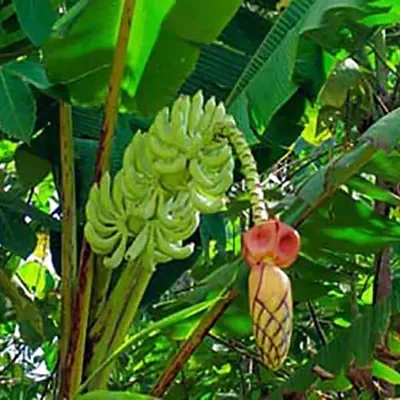
Grow the rarest treasure from the Himalayan foothills: a fast-flowering banana that turns heads with its electric yellow-orange stems, purple flowers, and reddish-brown fruit that literally splits open when ripe. Unlike common bananas, ochracea rewards you with edible, sweet fruit AND pure botanical drama. Medium-growing to 3 meters, moderate water needs. Sow now—watch tropical magic unfold from seed.

1.92

SKU: P-2037 Categories: , , Tags: ,

You May Also Like

Description

Imagine a banana that doesn’t just produce fruit—it becomes living art in your garden or conservatory, unfolding daily like a slow-motion revelation of color and form.

Musa ochracea, the Crêpe Banana, originates from the rainforests of the eastern Himalayan foothills, a species so rare it remained largely unknown until the late 1950s and has recently been rediscovered by passionate collectors. This is not a banana to eat from the supermarket shelf; this is a banana to become obsessed with—a living sculpture that makes every gardener near it stop and ask questions.

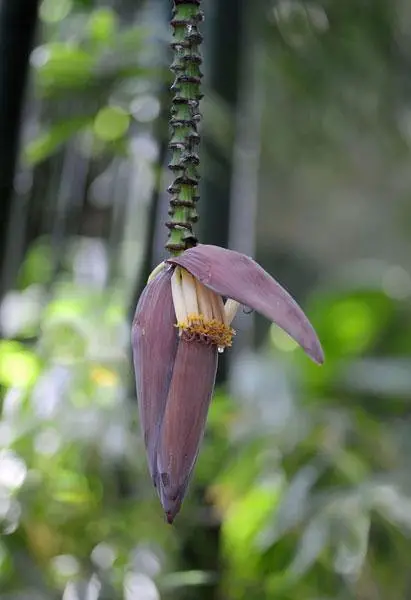
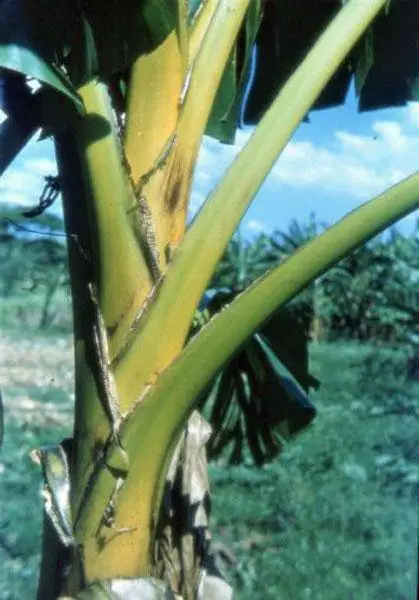
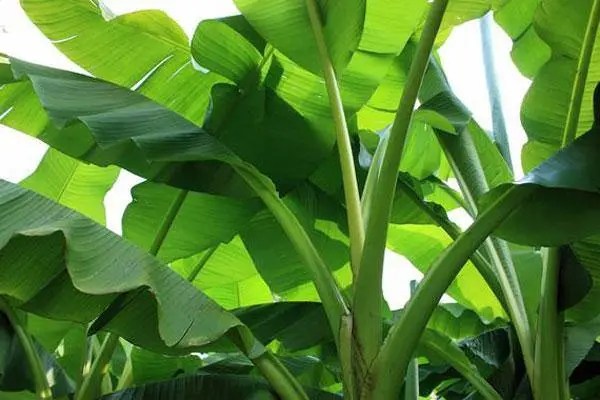
What sets ochracea apart is its spectacular ornamental presence combined with genuine fruitfulness. The plant develops slender, graceful stems in brilliant yellow to orange—colors that seem to glow in morning light. Large, elongated leaves flow in dark green with striking red or purple undersides, creating a visual depth that changes with the angle of sun. But the real showstopper? The flowers. Erect inflorescences emerge with yellow-green to purplish-brown bracts—those showy, almost metallic-looking structures that eclipse the blooms themselves. And unlike purely ornamental cousins, your ochracea rewards patience with genuine fruit: small, seeded bananas that mature to reddish-brown and split open dramatically when ripe. The fruit is edible and sweet—a bonus that deepens the romance. This plant flowers remarkably fast, often producing blooms in its first year, ensuring you won’t wait years to witness its transformation. For the collector seeking both beauty and function, ochracea is the ultimate hybrid: ornamental splendor with the genuine satisfaction of homegrown tropical fruit.

Ochracea thrives in warm zones (8–11), reaching a manageable 3 meters tall, making it perfect for spacious gardens, container cultivation, or tropical landscapes. It demands full sun to part shade and generous water—think of it as a tropical plant that loves moisture but insists on good drainage. Well-draining soil is essential; loamy, rich mixes (enriched with compost or orchid bark) encourage vigorous growth. Once established, it becomes relatively low-maintenance, though it appreciates regular feeding during the growing season to fuel that prolific leaf production and flower formation. In colder zones, grow it in a large container and move it indoors during winter—the Victorian conservatory plant of choice, now elevated to exotic botanical treasure.

This is your invitation to grow something genuinely rare from seed—to witness the entire journey from germination through that first glorious flower spike. Seeds require scarification and warm, humid conditions to germinate (3–9 months, patience required), but the reward is profound: you’ll be cultivating a plant that collectors worldwide covet, a living ambassador of the Himalayan rain forests, a daily reminder that beauty and function need not compete. Sow Musa ochracea now and plant yourself in the future.

Germination Guide

🌍 Tropical Asia, Eastern Himalayan foothills of India
Difficult

Musa ochracea, commonly known as the yellow-stem banana or pink-flower banana, is a rare ornamental banana species native to the eastern Himalayan foothills of tropical Asia. This distinctive plant features a brilliant yellow-orange pseudostem and produces attractive purple-pink flowers followed by small, seeded fruits. Germination is challenging and requires patience, as seeds can take 1 to 9 months to sprout, necessitating precise environmental conditions including warmth, humidity, and proper seed preparation.

Germination
Germination time
Expect germination in

14 – 270 days

Temperature

Min 25°C
Ideal 27°C
Max 30°C
🌡️ Temperature alternation recommended
— Most bananas benefit from temperature alternation. Some sources recommend constant warmth (25-30°C) while others suggest day/night temperature fluctuation for better results

Light
☀️ Light required

Substrate moisture
💧 Medium

Sowing depth
Lightly covered


Seed Pre-treatment
  • 💧

    Soaking — 48 hours
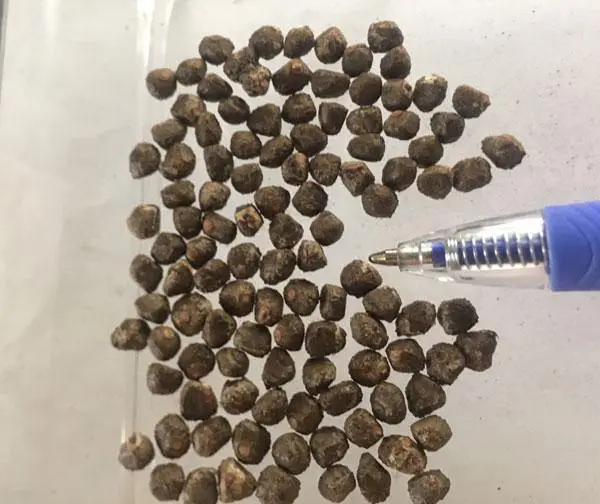
    Soak seeds in warm water (30-35°C or 86-95°F) for 24-48 hours to soften hard coats. Change water every 12 hours if possible
  • 🔨

    Mechanical scarification
    Lightly scarify with sandpaper, nail file, or nick with sharp knife to help water penetrate and speed up germination
  • 📋

    Additional notes
    Use well-draining potting mix, coco coir, peat moss, or perlite mixture. Substrate should be moist but not waterlogged. Place seeds in transparent container (pot or tray) covered with plastic cover or dome to maintain humidity. Label with species name and date

Substrate & Container
Recommended substrate
Well-draining potting mix, coco coir, peat moss, perlite, or sand mixture

Recommended container
Seed tray, pots, or transparent container with clear plastic cover or dome to retain humidity


Growing Tips
Light mechanical scarification combined with warm water soaking dramatically improves germination rates. Maintain consistent warmth (27-29°C or 80-85°F) using a heat mat if necessary. Keep substrate moist but never waterlogged to prevent fungal issues. Do not discard seed containers prematurely as germination can be extremely delayed and irregular. Use fresh seeds whenever possible as viability decreases with age. Monitor weekly for white root emergence. Provide bright, filtered light but avoid direct intense sunlight during germination. After sprouting and developing several true leaves, transplant seedlings to larger containers with well-drained substrate and gradually acclimate to brighter conditions. The plant prefers high humidity and protection from wind during establishment.

Reviews

There are no reviews yet.

Only logged in customers who have purchased this product may leave a review.

Related Products