
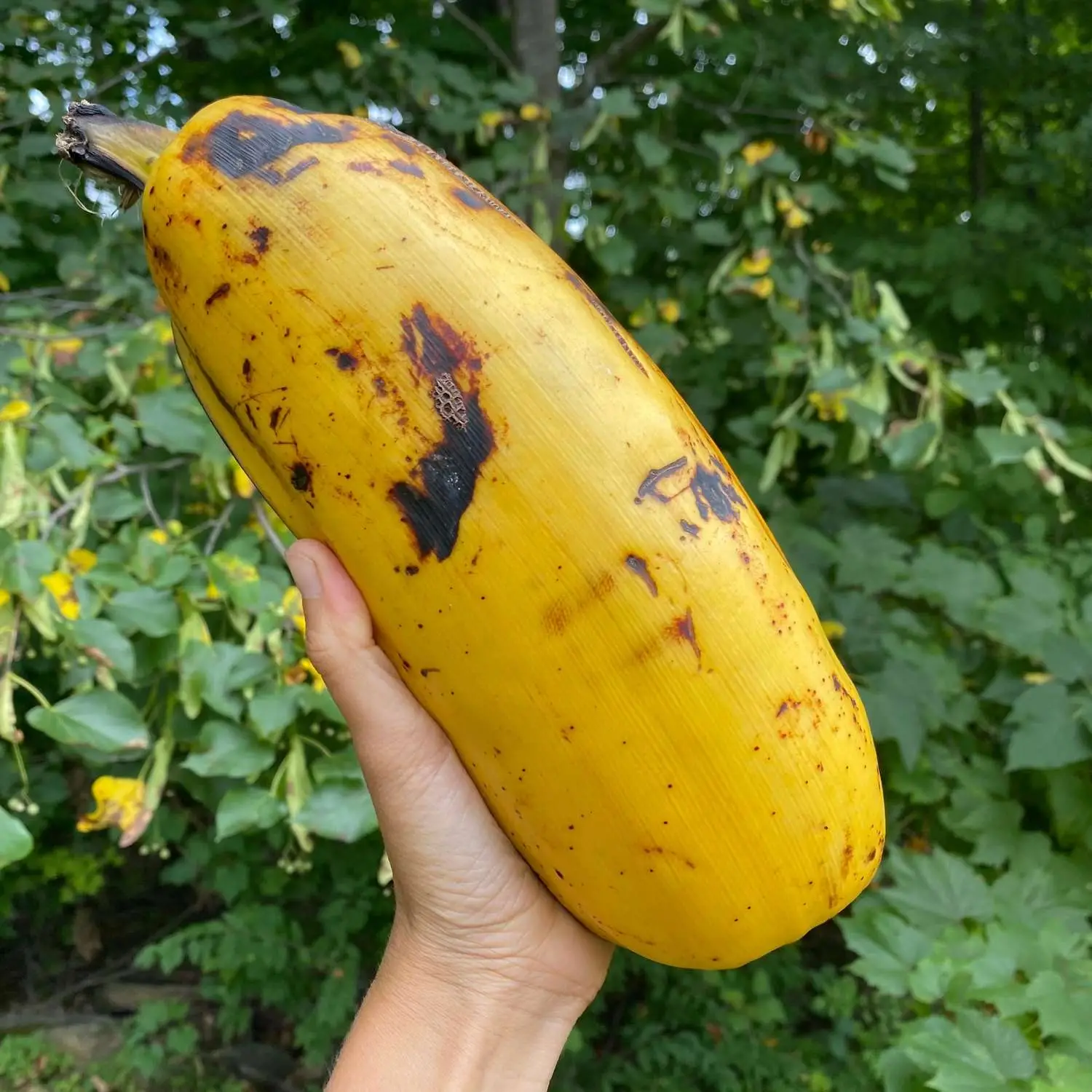
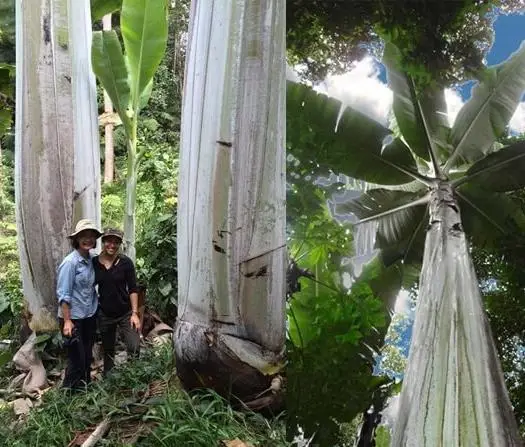
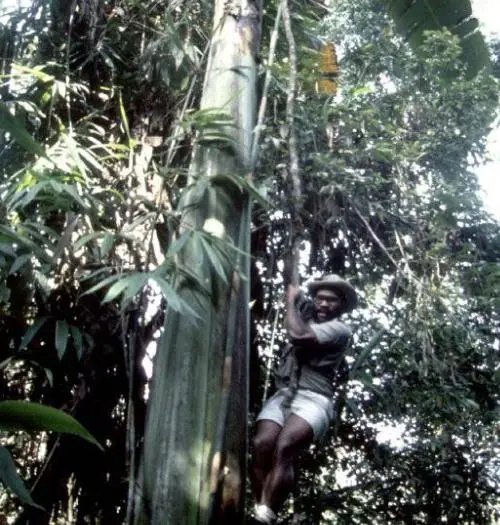
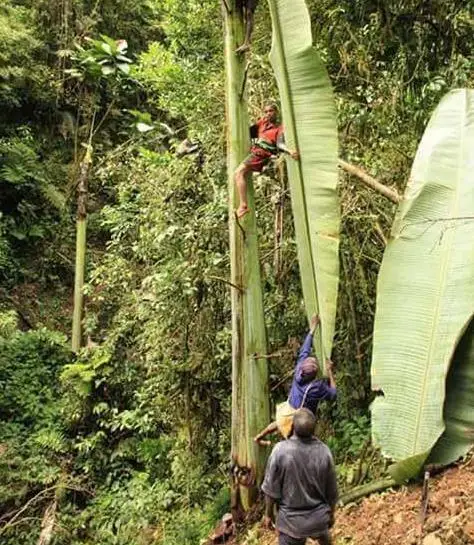
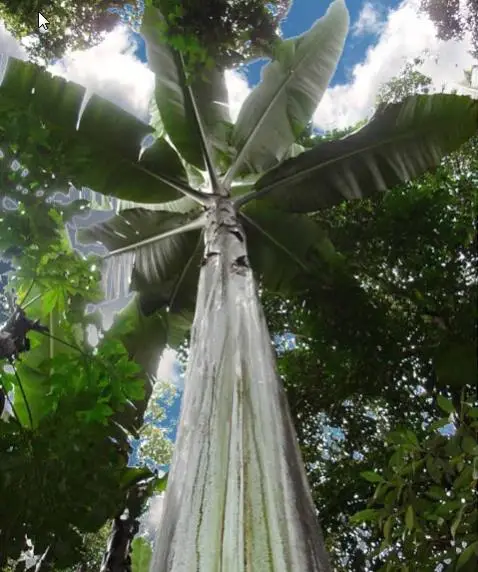


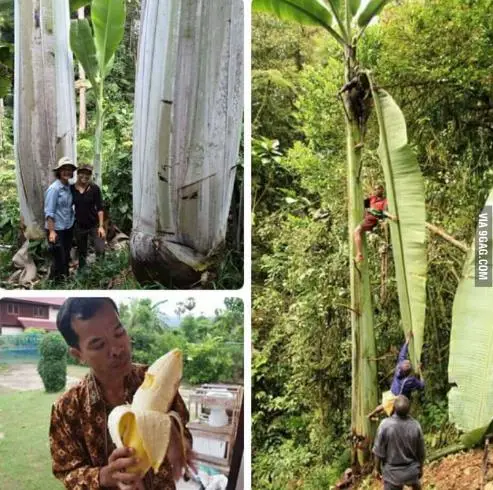
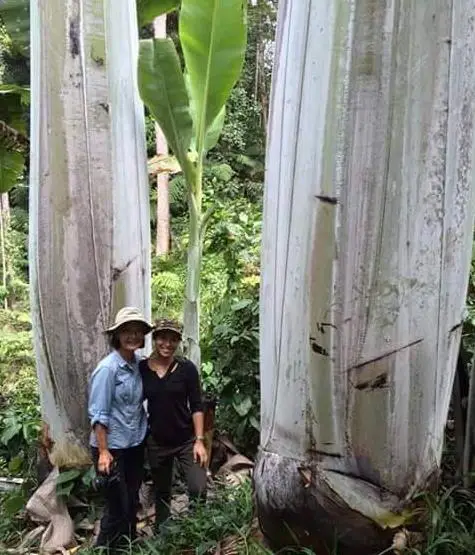
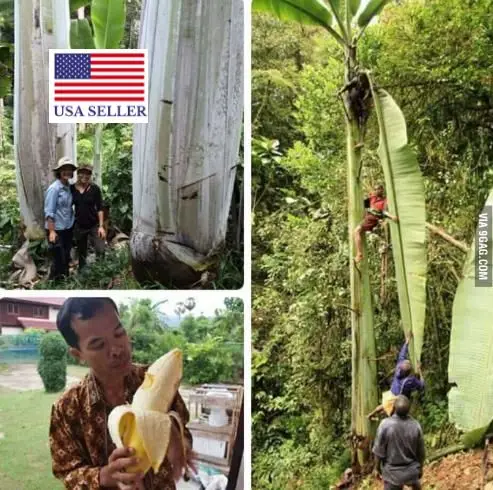
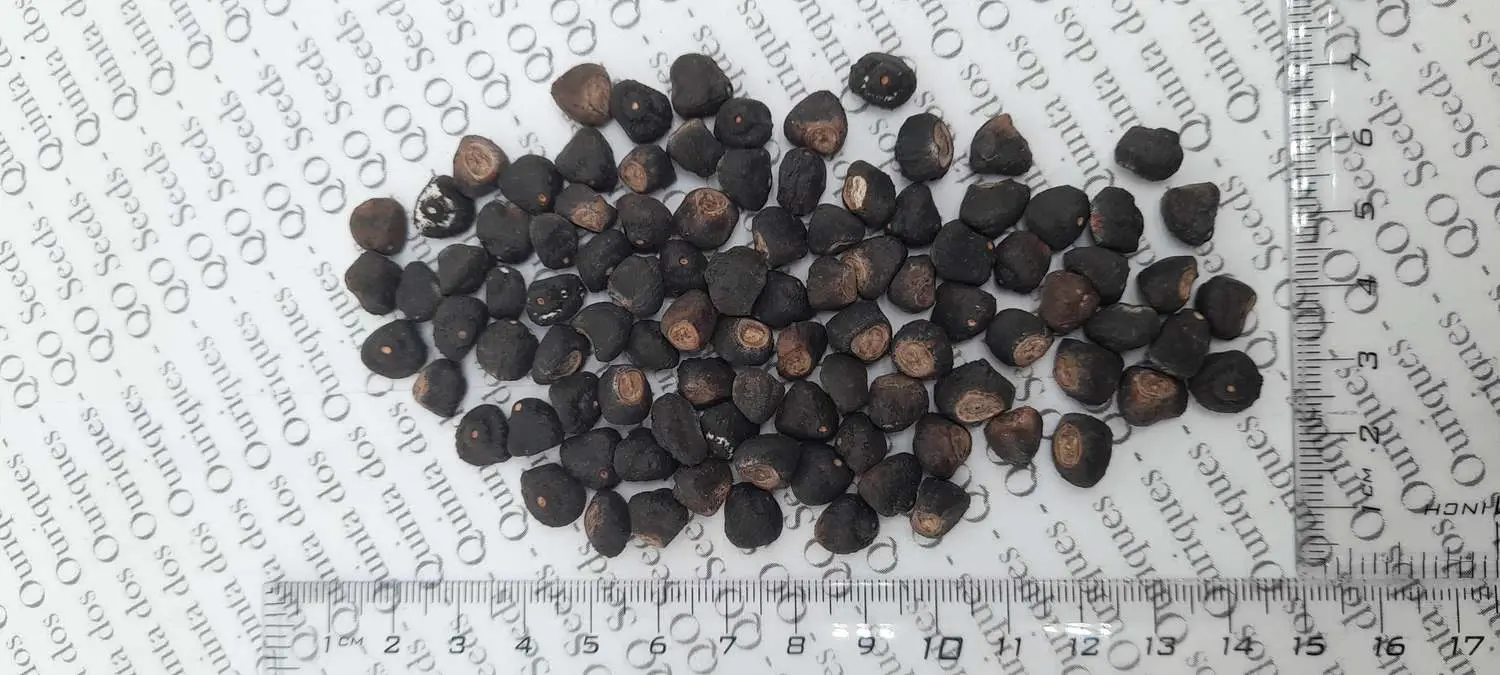
Grow the plant that defied science until 1954. Musa ingens is the world’s largest herbaceous plant—a living skyscraper reaching 50+ feet with colossal leaves the size of surfboards. This is the unicorn of banana species: mysterious, rare, and irresistibly dramatic. Bonus: cooked fruit tastes like butternut squash meets wild banana. For cool-climate collectors only—challenge accepted?
€13.67
Imagine a plant so massive it was unknown to Western science until 1954. That’s Musa ingens—the Giant Highland Banana, a botanical marvel that holds an uncontested title: the world’s largest non-woody plant. Native to the mist-shrouded highlands of Papua New Guinea, this species is a living monument to nature’s architectural ambition, and it’s the ultimate prize for collectors who dare to grow beyond the ordinary.
Musa ingens emerges from Papua New Guinea’s montane rainforests between 1,300 and 2,000 meters elevation, where it thrives in the cool, humid conditions of highland ravines and forest margins. Its discovery in 1954 was a sensation—a specimen so enormous that botanists realized an entirely new taxonomic section (Ingentimusa) had to be created to classify it. It stands alone as the only member of its section, making it not just massive, but taxonomically singular. The ancient Papuan name “Oem” hints at a deep history with indigenous communities who have long woven this giant into their cultural and practical lives.
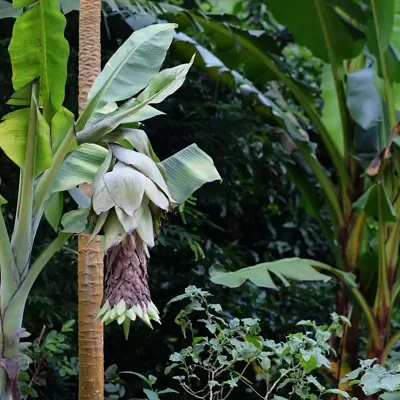
Here’s what makes Musa ingens the crown jewel for ornamental collectors: sheer, jaw-dropping scale. The pseudostem (technically, tightly rolled leaf sheaths, not wood) reaches 50 feet tall with a documented trunk diameter approaching 37 inches at breast height. Crown it with leaves that sprawl 16 feet long and 3 feet wide—bright green, fanning dramatically from the apex—and you have a living architectural statement that commands any landscape. When the wind moves through those enormous blades, the sound and motion are theatrical, operatic. The plant produces over 300 oblong fruits (each 7 inches long) in pendulous bunches that can weigh 130+ pounds, though unlike cultivated bananas, they’re loaded with large seeds. But here’s the revelation: when cooked, the yellowish flesh is edible, sweet, and delicious, tasting of fine butternut squash blended with banana and a whisper of citrus—a flavor experience you cannot find anywhere else. Indigenous Papuans have used the enormous leaves for wrapping and serving food, and fibers from the pseudostem for rope and weaving, understanding this plant’s utility as well as its majesty.
Cultivating Musa ingens is not for the faint-hearted. Unlike tropical lowland bananas, this highland species demands cool nights and conditions that resemble tree-fern habitat more than standard banana cultivation. Seed germination is notoriously difficult and slow—dormant seeds require scarification (24-hour hot-water soak) and sowing in humid, well-aerated medium of peat, sand, and perlite. Optimal germination occurs at 25–30°C daytime with cool nights (15–20°C), ideally under strong light on a heat mat. Expect 2–6 months for germination with low success rates; this is a test of botanical faith. Once established, the plant needs rich, well-draining soil, consistent moisture (simulating its native swamp-margin habitat), bright light, and protection from excessive heat. It thrives outdoors only in cool mountain regions (Hawaii, parts of California, New Zealand highlands), oceanic warm-temperate climates (Portugal, Madeira, Canary Islands), or in controlled greenhouse conditions. In-ground cultivation requires mimicking montane conditions; container growing offers more control. Mature plants demand space—20+ feet of headroom and substantial soil volume—making this a landscape commitment, not a casual houseplant.
To hold Musa ingens is to hold a living rarity that fewer collectors worldwide have successfully nurtured. It represents the untamed splendor of Papua New Guinea’s cloud forests and the boundless ambition of nature itself. From seed, you inherit the patience of botanists, the mystery of a recently discovered species, and the privilege of coaxing one of Earth’s mightiest herbaceous plants into being. This is not easy. This is unforgettable. Grow it from seed, and you are growing a legend.
Only logged in customers who have purchased this product may leave a review.
Reviews
There are no reviews yet.