

Bring the Himalayas to your garden. The Darjeeling Banana is the cold-hardy banana revolution—surviving down to -12°C while delivering theatrical purple-maroon foliage and massive, wind-resistant leaves. Unlike tropical bananas, this species thrives in cool temperate climates and is remarkably easy to grow from seed. Transform your garden from ordinary to extraordinary.
€4.93
Imagine a banana plant that doesn’t flinch at winter frost. The Darjeeling Banana is the ornamental breakthrough temperate gardeners have been waiting for—a towering Himalayan native that shatters the myth that bananas belong only in the tropics.
Origin and What Makes It Legendary
Native to the montane forests of Northeast India, Bhutan, and Nepal at altitudes up to 2000 meters where snow falls and temperatures plummet, Musa sikkimensis is named after the Sikkim region where it evolved to thrive in cool, misty conditions. This is not a tropical softie. It’s been proven hardy across the coldest climates—recent trials in Britain, Germany, Switzerland, and the northern United States have confirmed its exceptional frost resistance. The species represents decades of horticultural underestimation finally corrected: here is a banana that outperforms the hardy Musa basjoo in multiple ways.
The Ultimate Cold-Hardy Specimen Tree
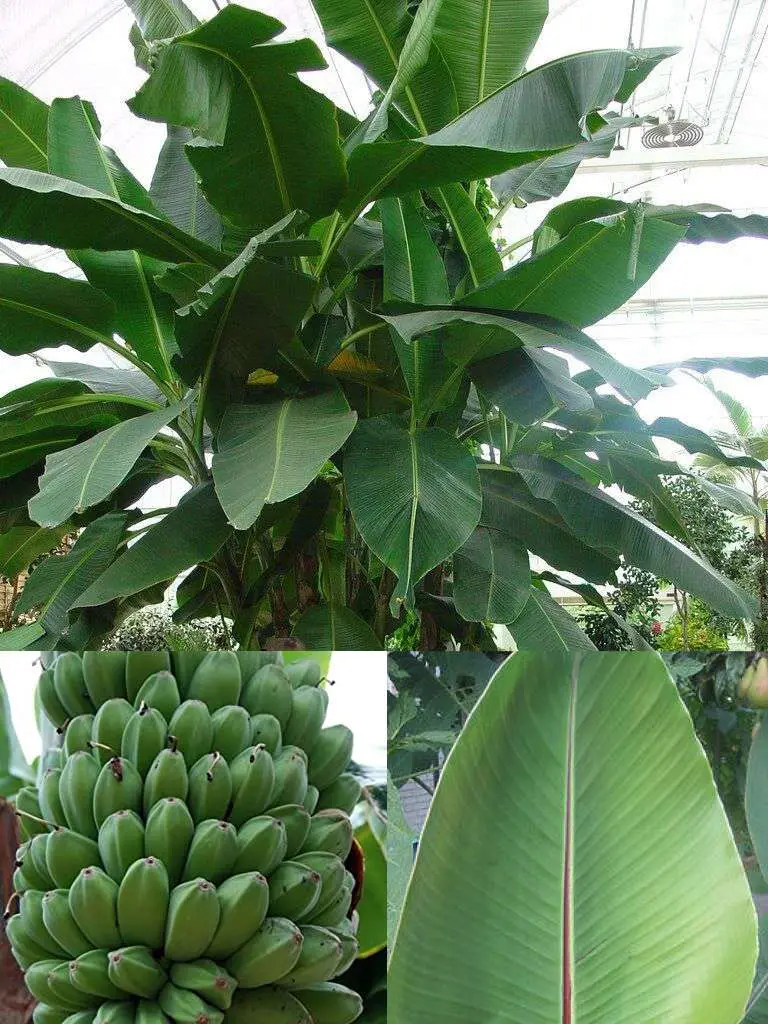
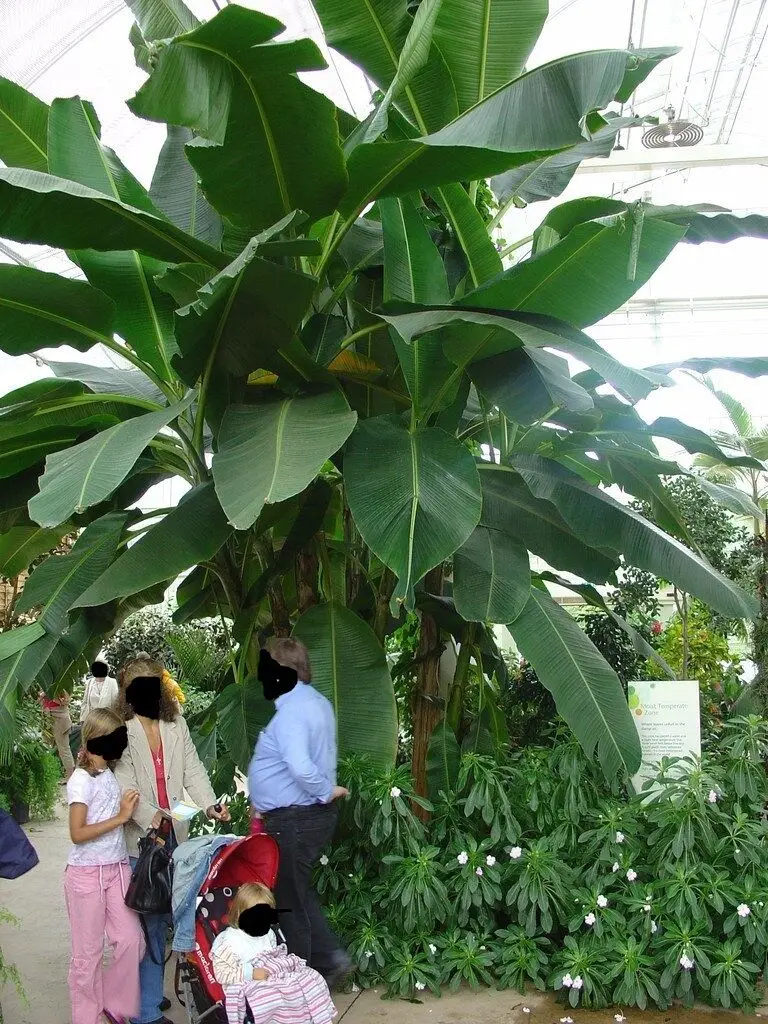
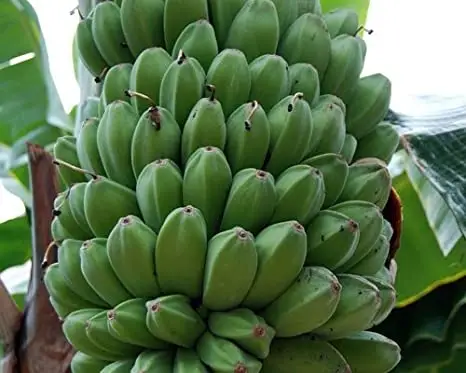
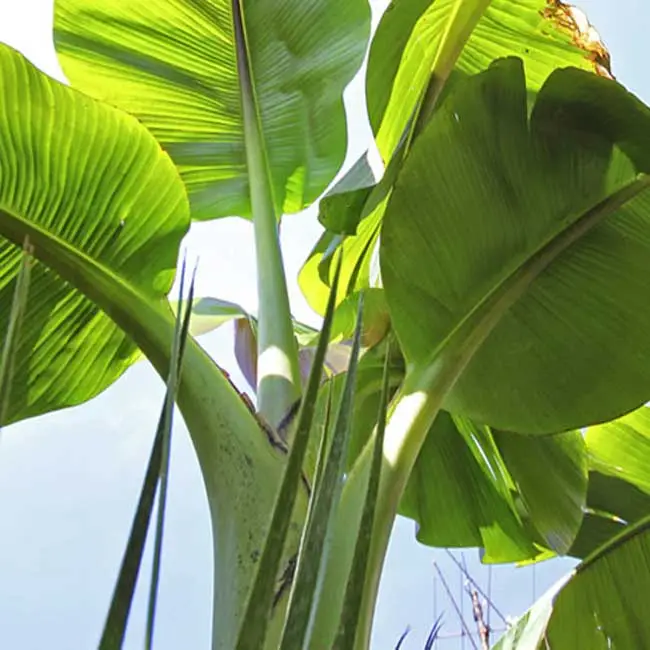
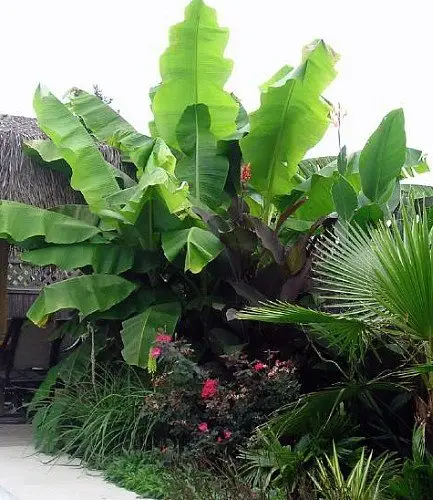
What makes the Darjeeling Banana truly precious is its combination of hardiness and ornamental drama—a pairing almost unheard of in tropical plants. This is your ticket to creating a jungle garden in a temperate climate without constant coddling. Plant it in spring, watch it surge upward at an impressive pace (especially with rich feeding and consistent water), and by mid-to-late summer, observe massive paddle-shaped leaves unfurling in deep green adorned with burgundy and maroon mottling underneath. New foliage emerges flushed with purple; the red-tinged pseudo-trunk can reach 4.5 meters, creating a sculptural presence that transforms any garden into something exotic and unapologetically bold. Some cultivars, like ‘Red Tiger,’ display almost striped patterns—deep purple bands across the upper leaf surface paired with a metallic mauve sheen beneath. In warmer seasons, mature plants produce charming yellow flowers enclosed in purple bracts, followed by small edible fruits (though seedy, they’re a delightful novelty and sweeter than you’d expect). The leaves are remarkably wind-resistant and sturdier than other bananas, making this the perfect choice for exposed gardens. Your neighbors won’t believe you’re growing tropical grandeur on your latitude.
How to Grow Your Darjeeling Banana
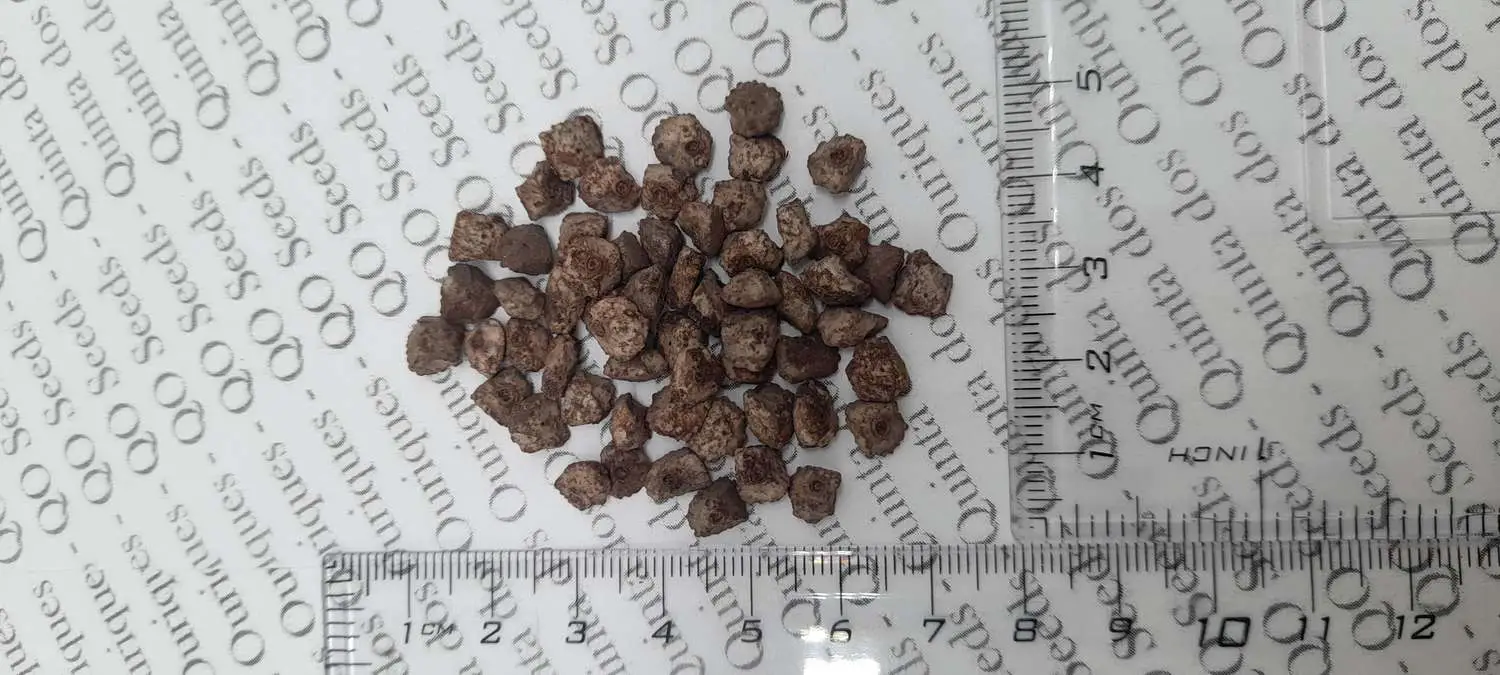
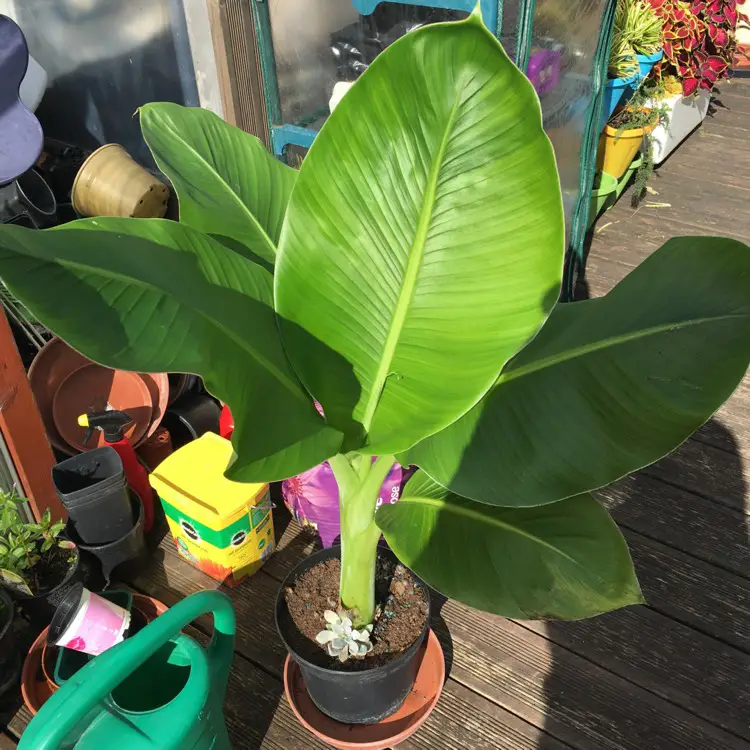
Growing Musa sikkimensis is refreshingly straightforward. Soak seeds in lukewarm water for 48 hours before sowing; germination is slow and may take weeks to months, but the payoff is a plant genetically hardwired for your climate. Plant in full sun to partial shade—at least 6 hours of direct sunlight daily ensures vigorous growth and rich leaf coloration. Soil should be rich, fertile, and well-draining; amend with abundant compost or organic matter to support heavy feeding. This is a thirsty plant: keep soil consistently moist (never waterlogged) and increase watering during warm spells. Feed monthly during the growing season with a balanced fertilizer or high-nitrogen formula. Container growing is entirely feasible—use large, deep pots with excellent drainage. In cold regions, mulch heavily around the base after the first hard frost, or wrap the stem with horticultural fleece for extra protection. The roots are extraordinarily cold-tolerant; the foliage will die back at -2°C, but the plant reliably re-sprouts from the rhizomes come spring. This is hardy banana gardening made simple and beautiful.
Grow Your Own Himalayan Treasure from Seed
There’s something profound about growing a plant from seed that survived Ice Age-like conditions in mountain mist. Start your Darjeeling Banana now, and within a few seasons, you’ll have a living monument to resilience—a plant that proves you don’t need tropical heat to create tropical magic. This is the cold-hardy banana that rewrites the rules.
Only logged in customers who have purchased this product may leave a review.



Reviews
There are no reviews yet.