
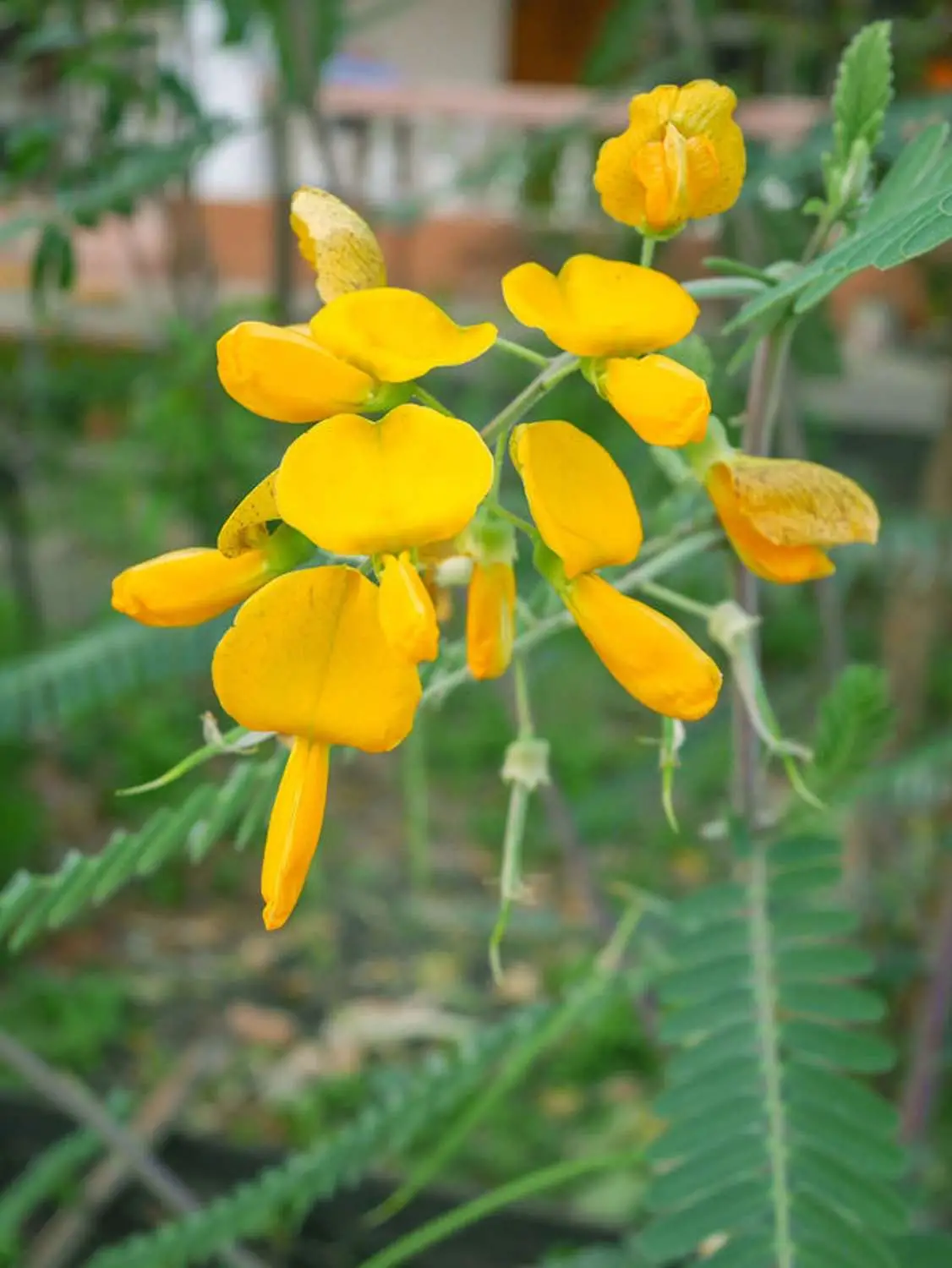
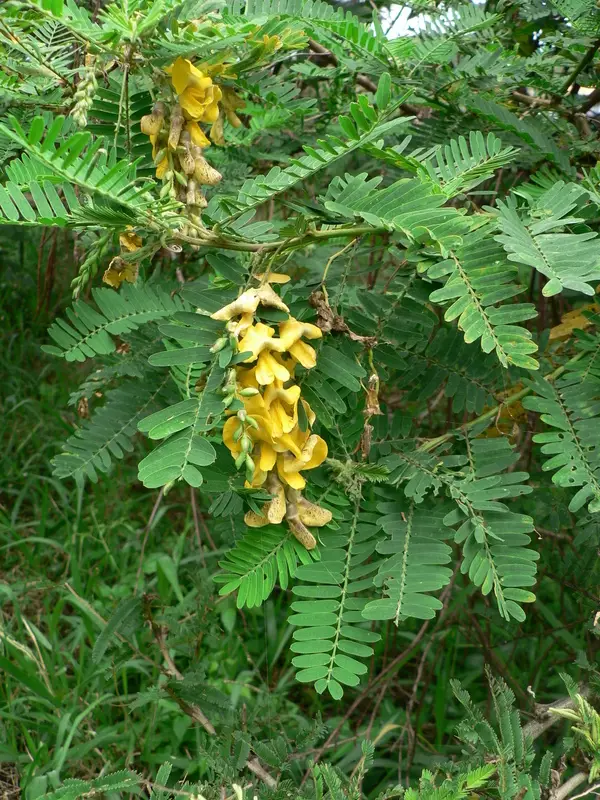
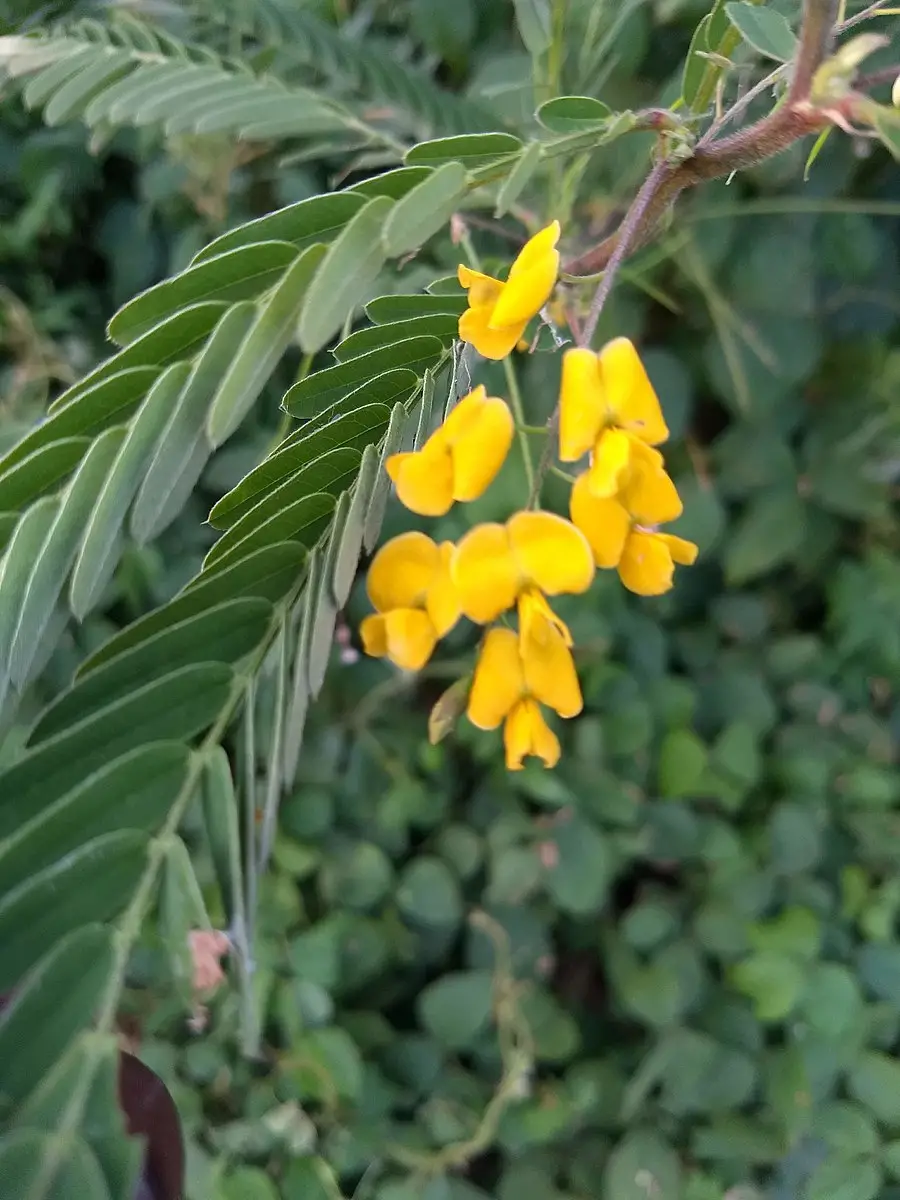
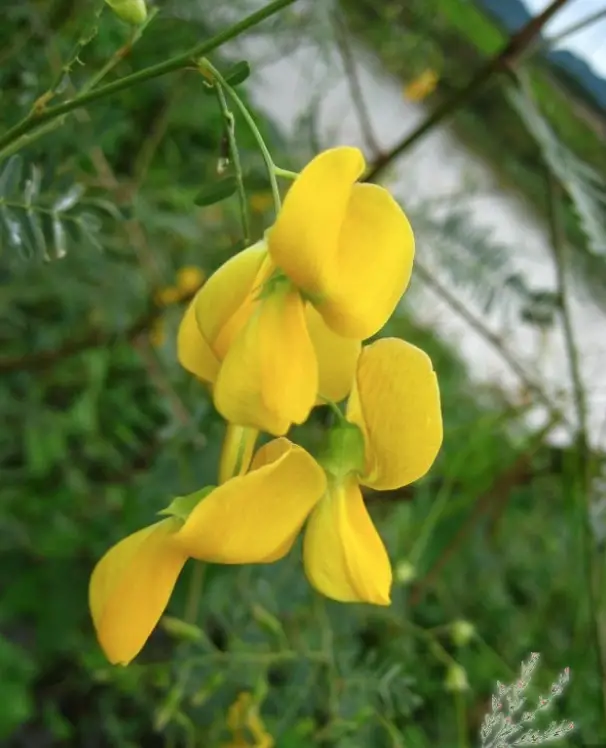
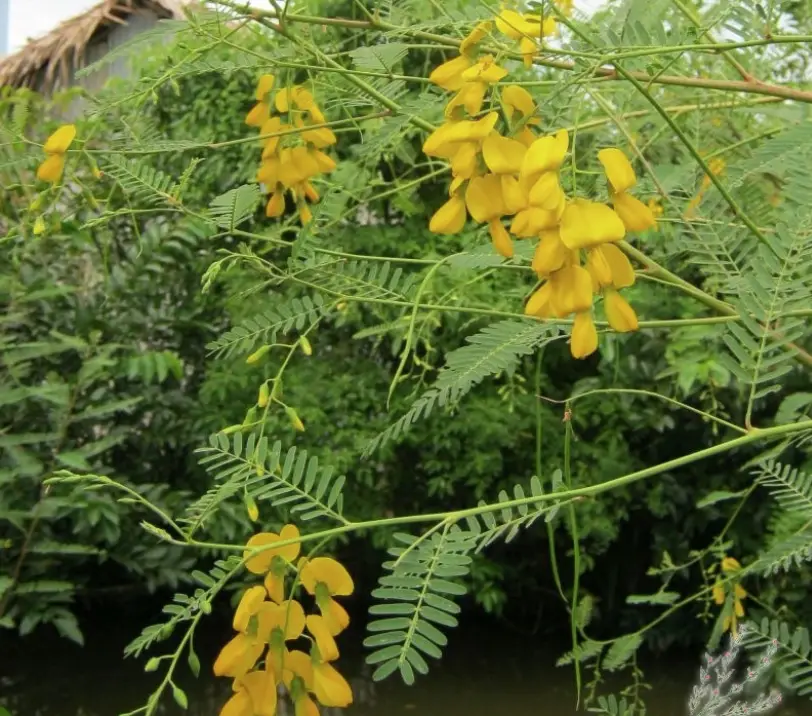
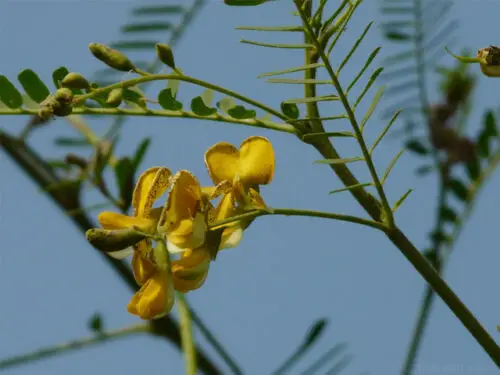
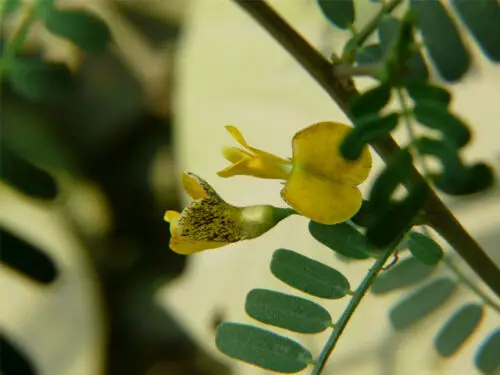
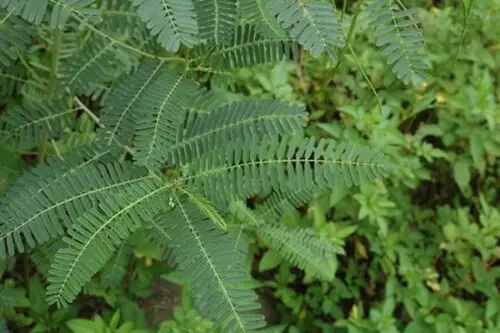
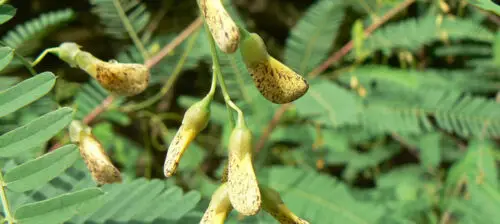
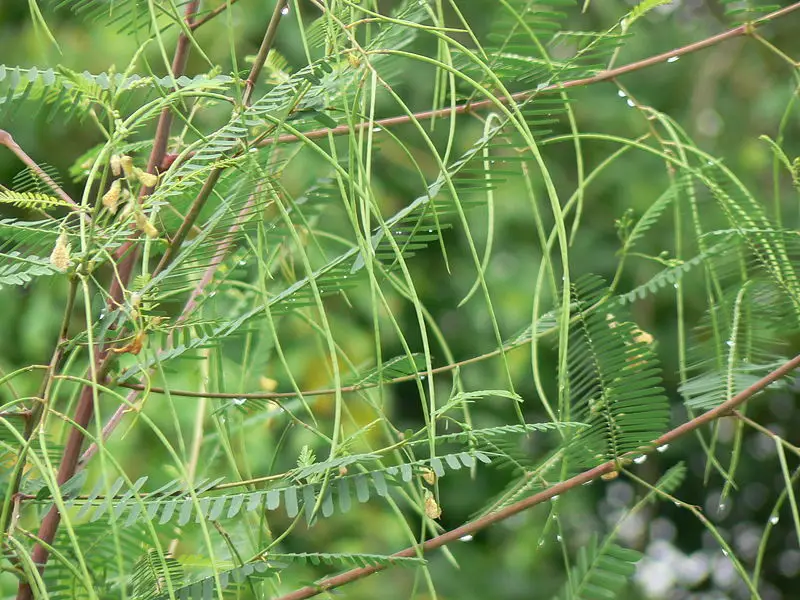
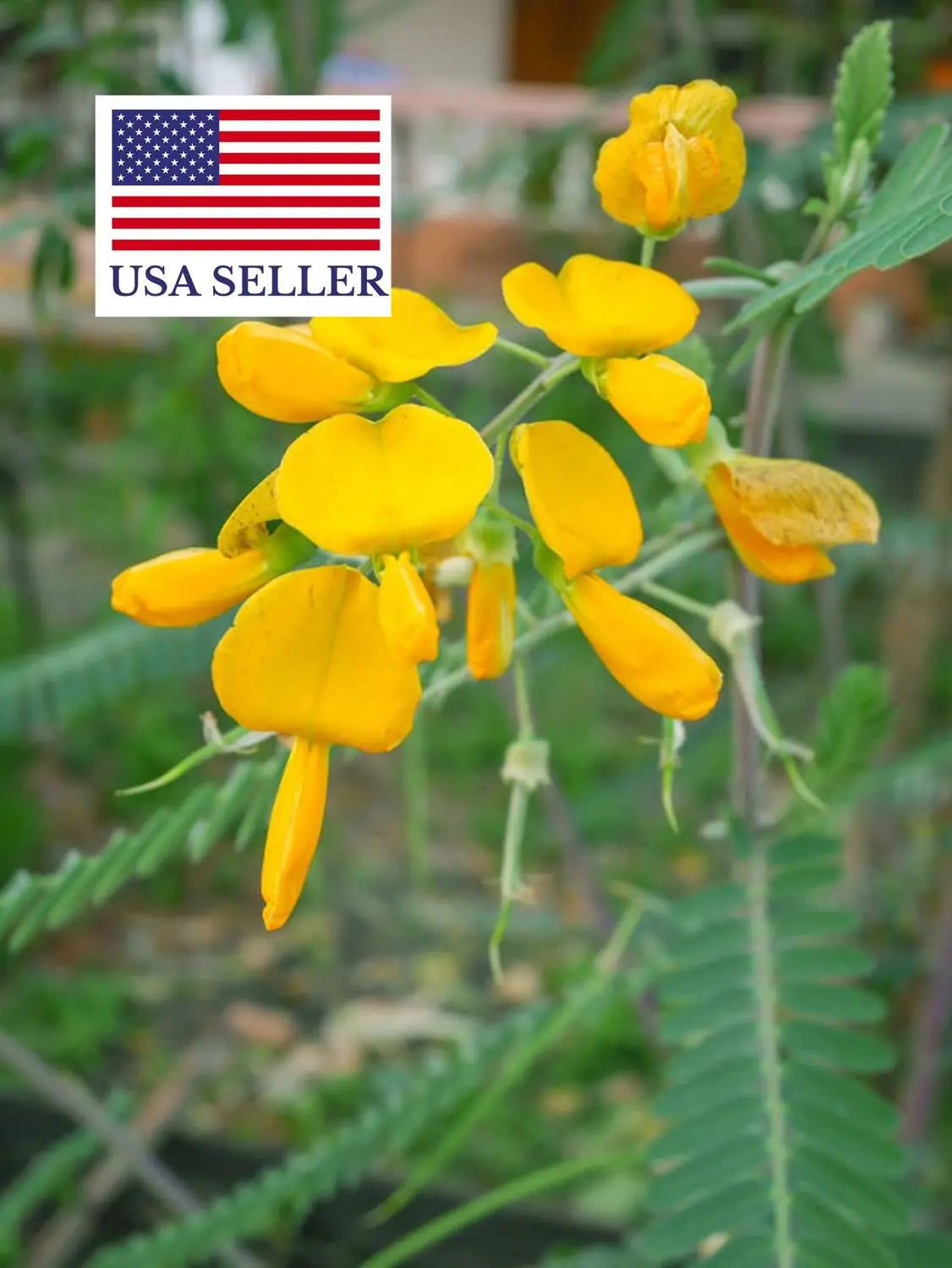
Grow a living fertilizer that transforms depleted soil into fertile ground. This fast-growing legume thrives where others fail, quietly enriching your earth with nitrogen while producing gorgeous yellow flowers that draw pollinators. Plant from seed and watch it surge—a 6-month miracle worker for any gardener or farmer ready to reclaim their soil without chemicals.
€1.92
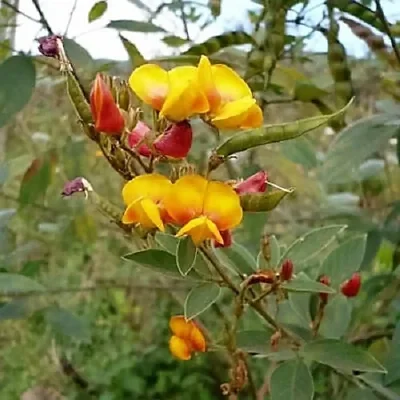
Sesbania sesban is not just another pretty shrub—it’s a soil revolutionizer wrapped in bright yellow blooms. This is the plant you grow when you’re tired of feeding depleted earth with synthetic fertilizers and you want nature to do the heavy lifting instead.
Native to tropical Africa and Asia, Egyptian Riverhemp earned its place in sustainable agriculture and heirloom gardening because it does something almost miraculous: through its symbiotic relationship with soil bacteria, it captures nitrogen from the air itself and locks it directly into the earth beneath your feet. For centuries, farmers have relied on this legume to restore balance to exhausted fields. Yet it remains remarkably underutilized in Western gardens—a hidden treasure waiting to transform your land.
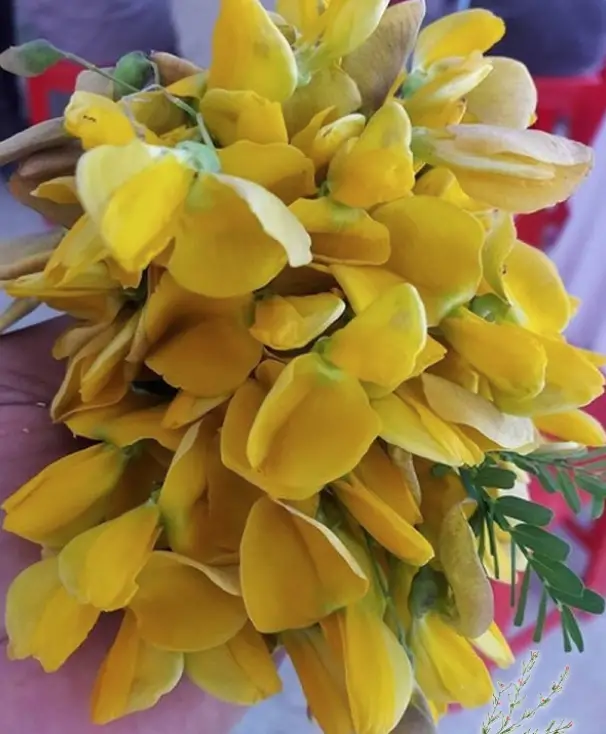
Here’s what makes it irresistible for serious growers: Sesbania sesban is a nitrogen-fixing powerhouse. Plant it as a green manure crop and you’ll add between 100–150 kg of nitrogen per hectare to your soil in a single growing season. Unlike chemical fertilizers that leach away and damage microbial life, this nitrogen becomes integrated into organic matter and living soil biology. Gardeners report the sheer vigor: the plant reaches 4–5 meters in just 6 months under good conditions. You can chop and drop the leaves and branches directly into beds to enrich them, or till them in as green manure before your next crop. The leaves contain a crude protein content greater than 20%—often above 25%—making them exceptional livestock fodder as well. And if you’re patient, you can harvest the edible yellow flowers for salads and stir-fries, or use young leaves as a vegetable; roots and leaves have been treasured in traditional African and Asian medicine for generations. A true multipurpose plant.
Growing Sesbania sesban is refreshingly straightforward. It thrives in full sun and adapts to almost any soil—sandy, clay, even nutritionally poor earth. This plant actually loves the conditions that defeat most crops: it tolerates waterlogging beautifully, making it ideal for seasonally flooded bottomlands and swamp margins, and it can handle both drought and moderate salinity. Plant in warm climates (zones 9+), keep moisture moderate, and let the tropical warmth do the work. Seeds have a hard coat, so scarify them lightly (a nick or brief filing works) and soak for 24 hours before planting in well-draining soil. Germination happens within 7–14 days at warm temperatures. Young seedlings grow rapidly and are remarkably unfussy—no special feeding required, no coddling. Within weeks you’ll have a vigorous shrub ready to reshape your soil.
Imagine this: a garden or smallholding where the soil grows richer every season, where you harvest food and medicine alongside fertility itself, where nitrogen cycles through living plants instead of fossil fuel bags. That’s the gift of Sesbania sesban from seed. Grow it, and you’re not just planting a plant—you’re restoring the ancient conversation between earth and sky that modern agriculture abandoned. Start from seed and be part of the quiet revolution.
Only logged in customers who have purchased this product may leave a review.

Reviews
There are no reviews yet.