
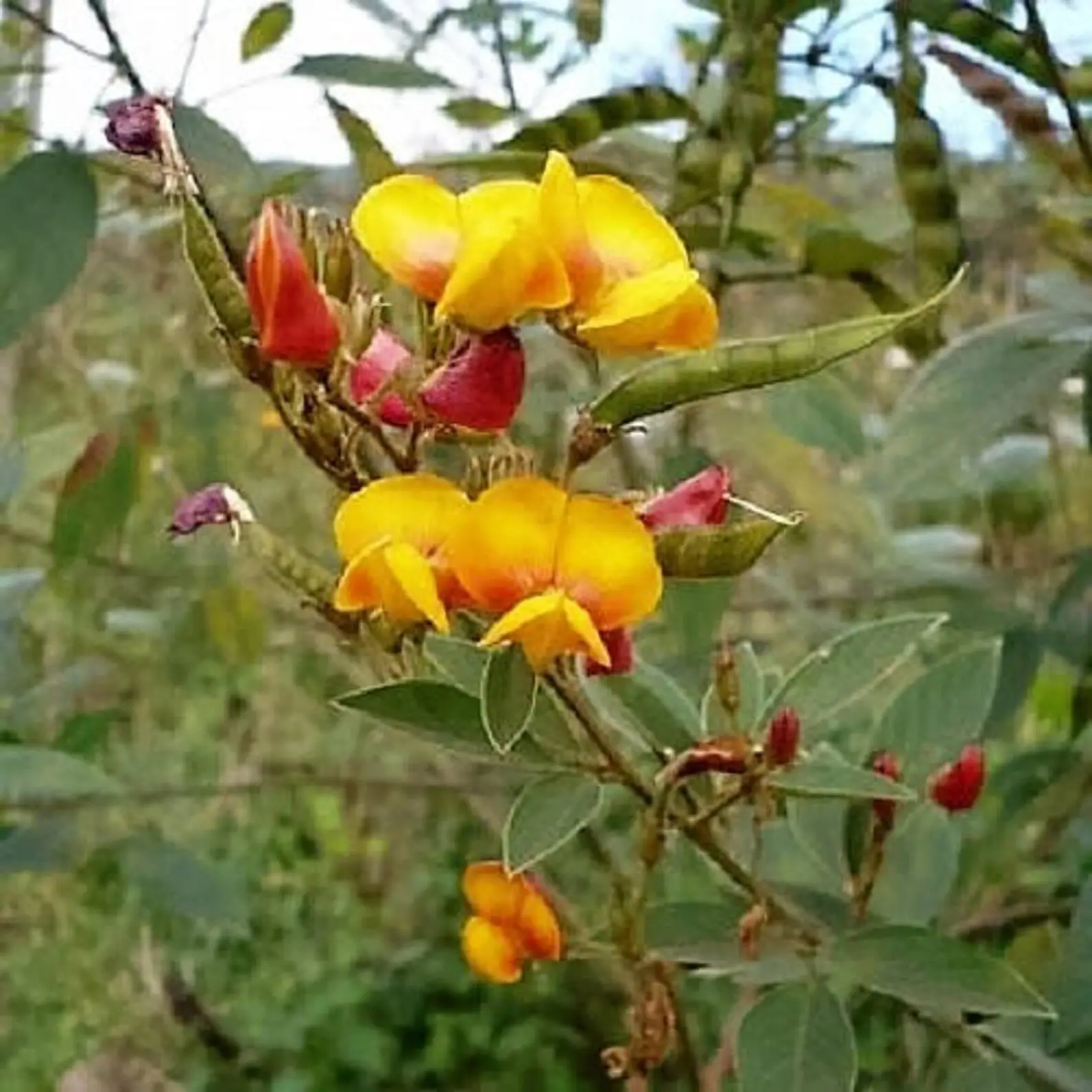
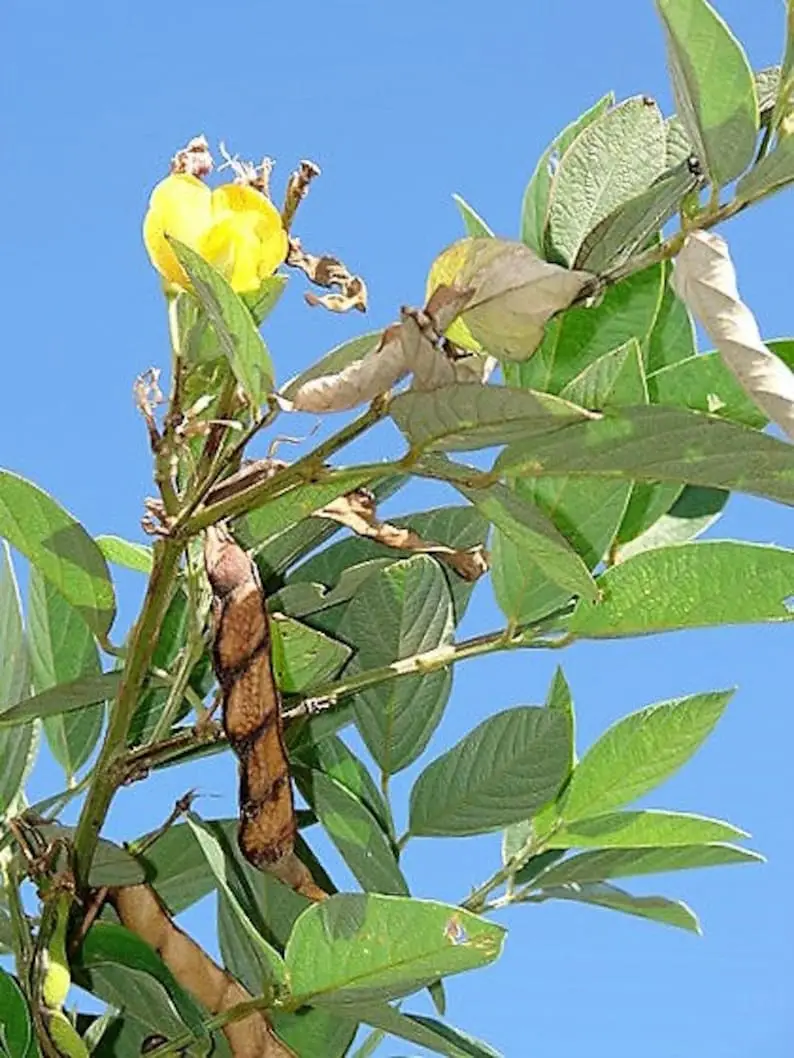
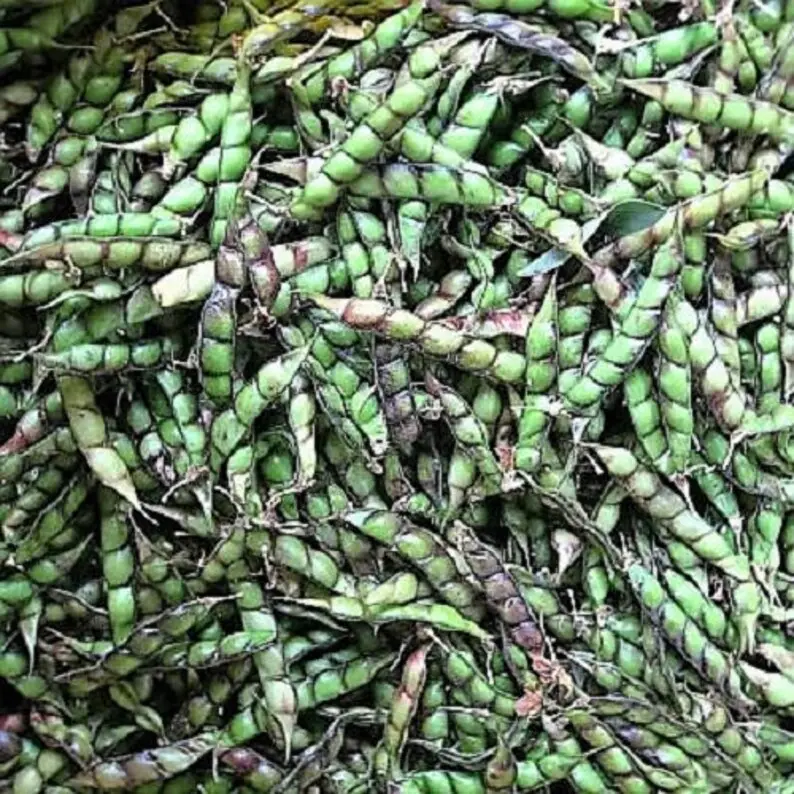
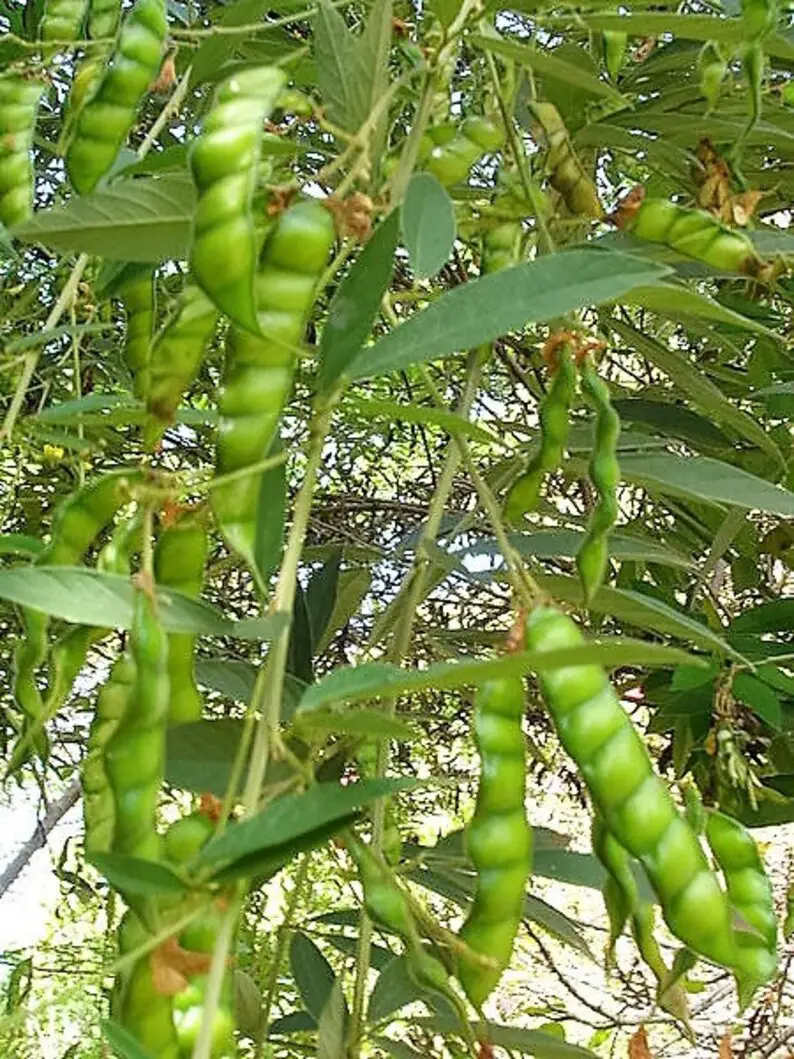
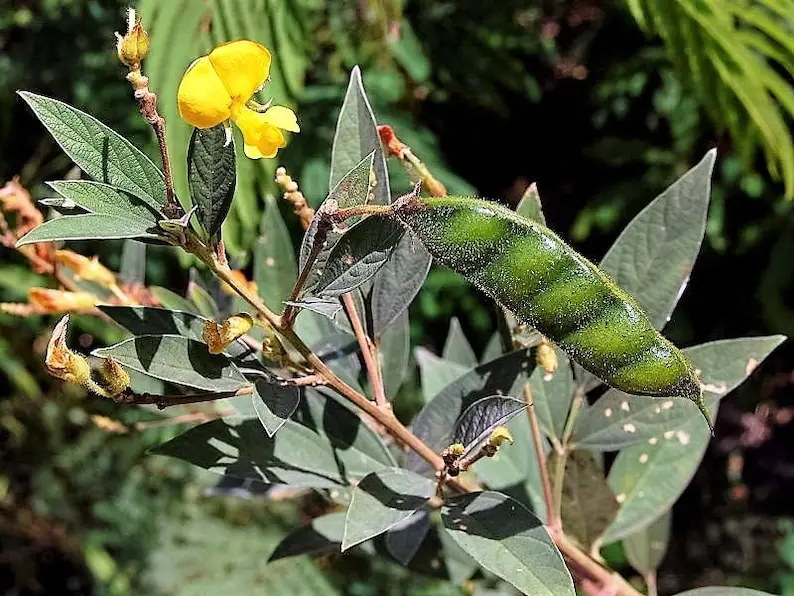
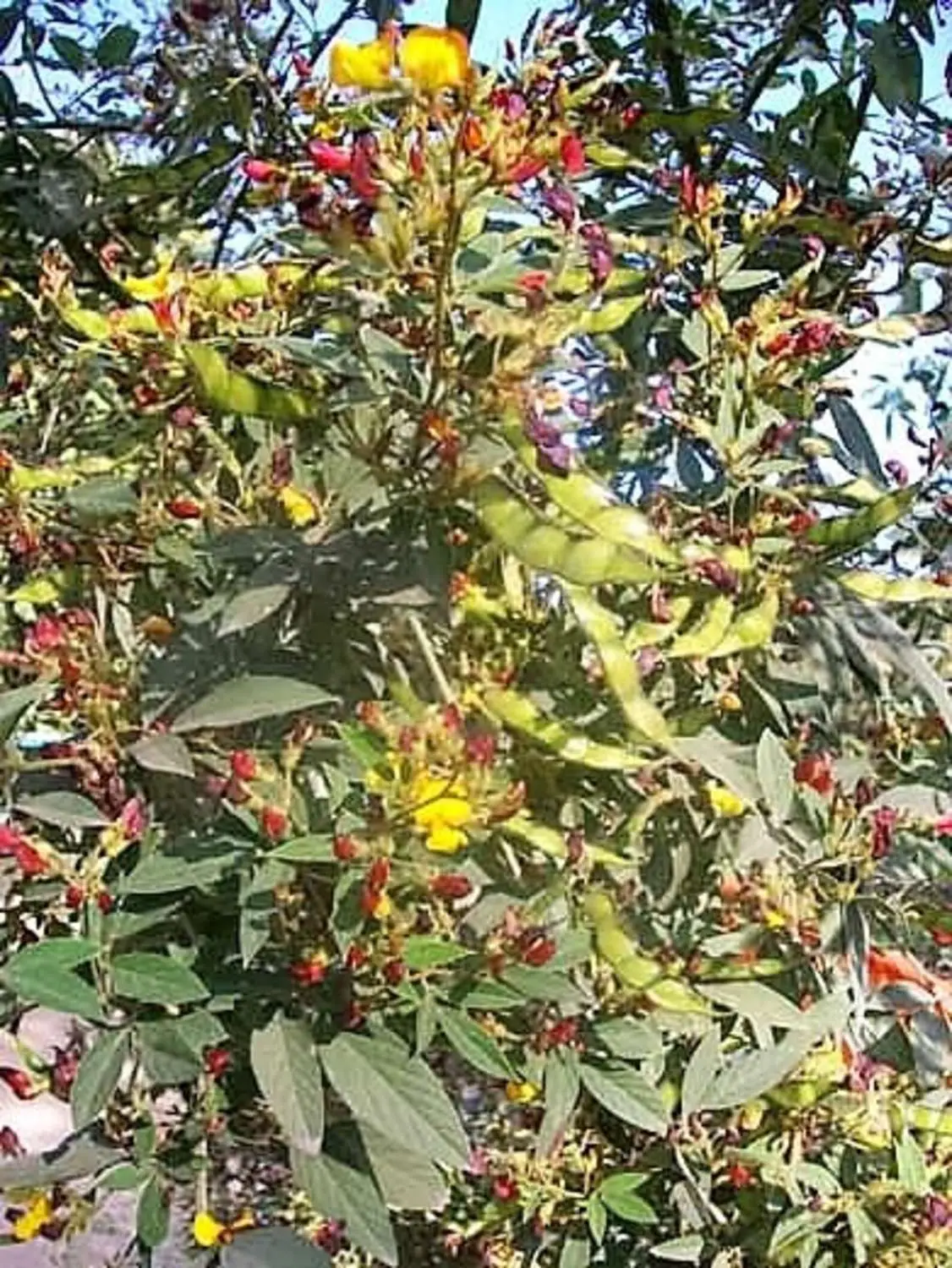
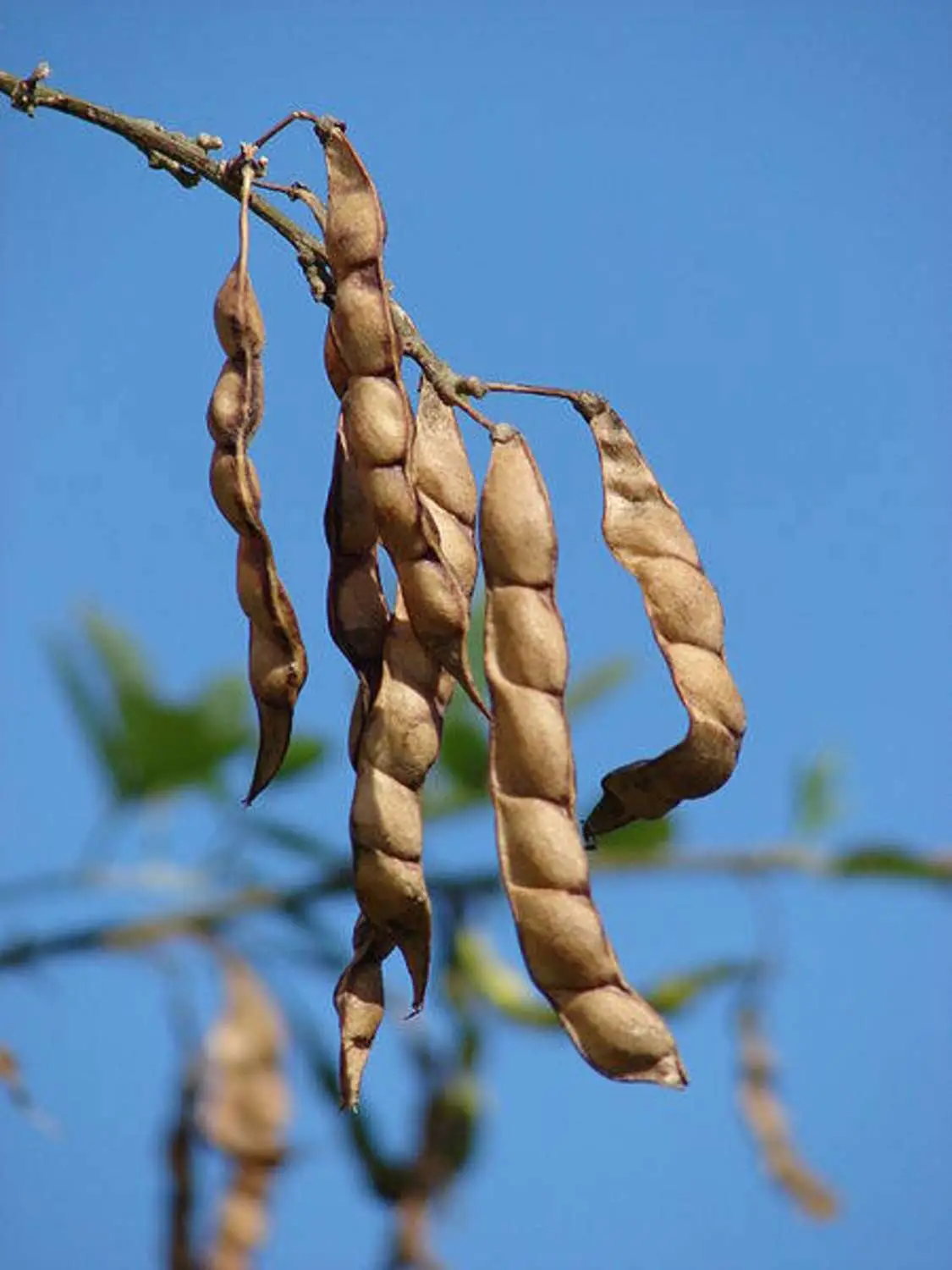
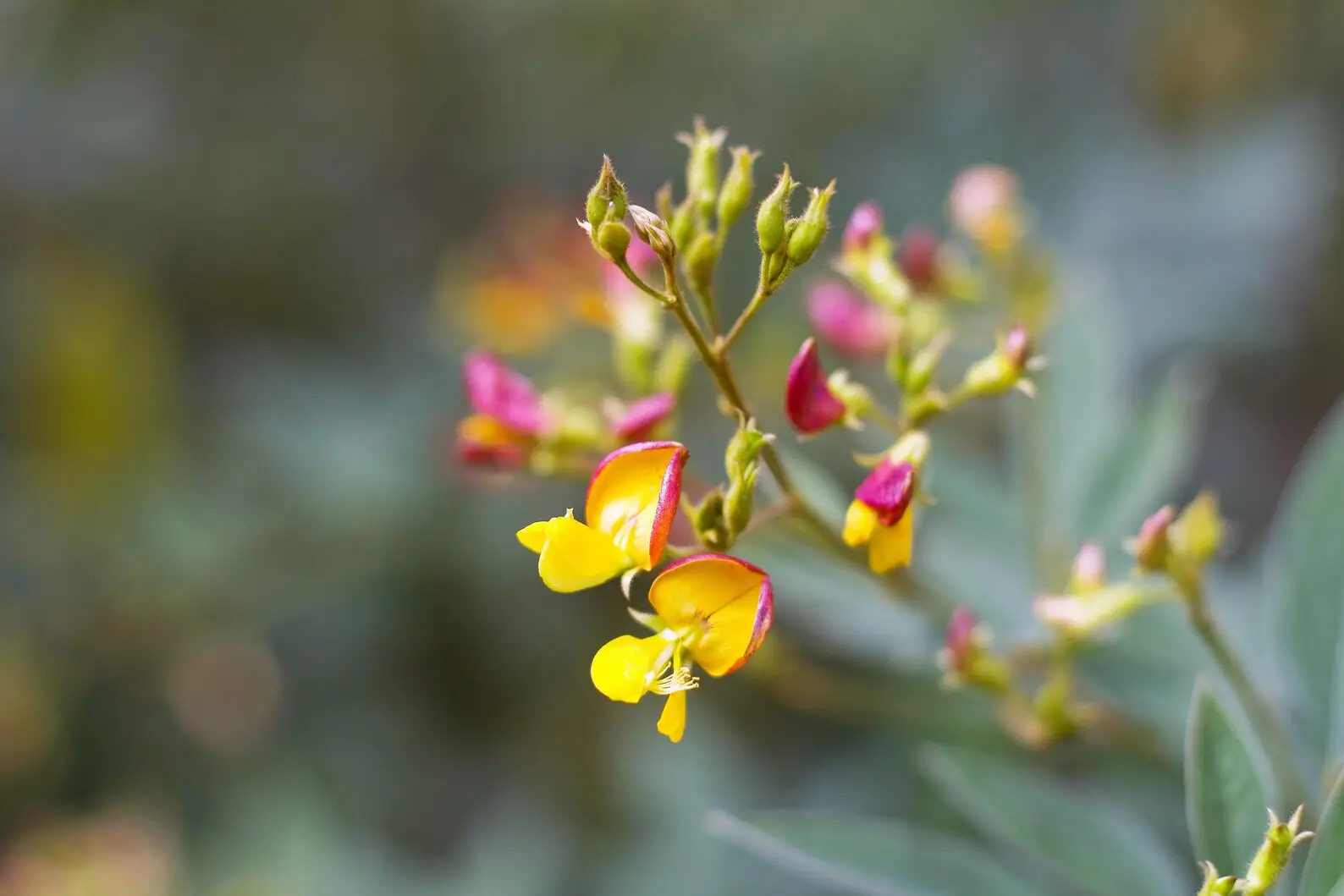
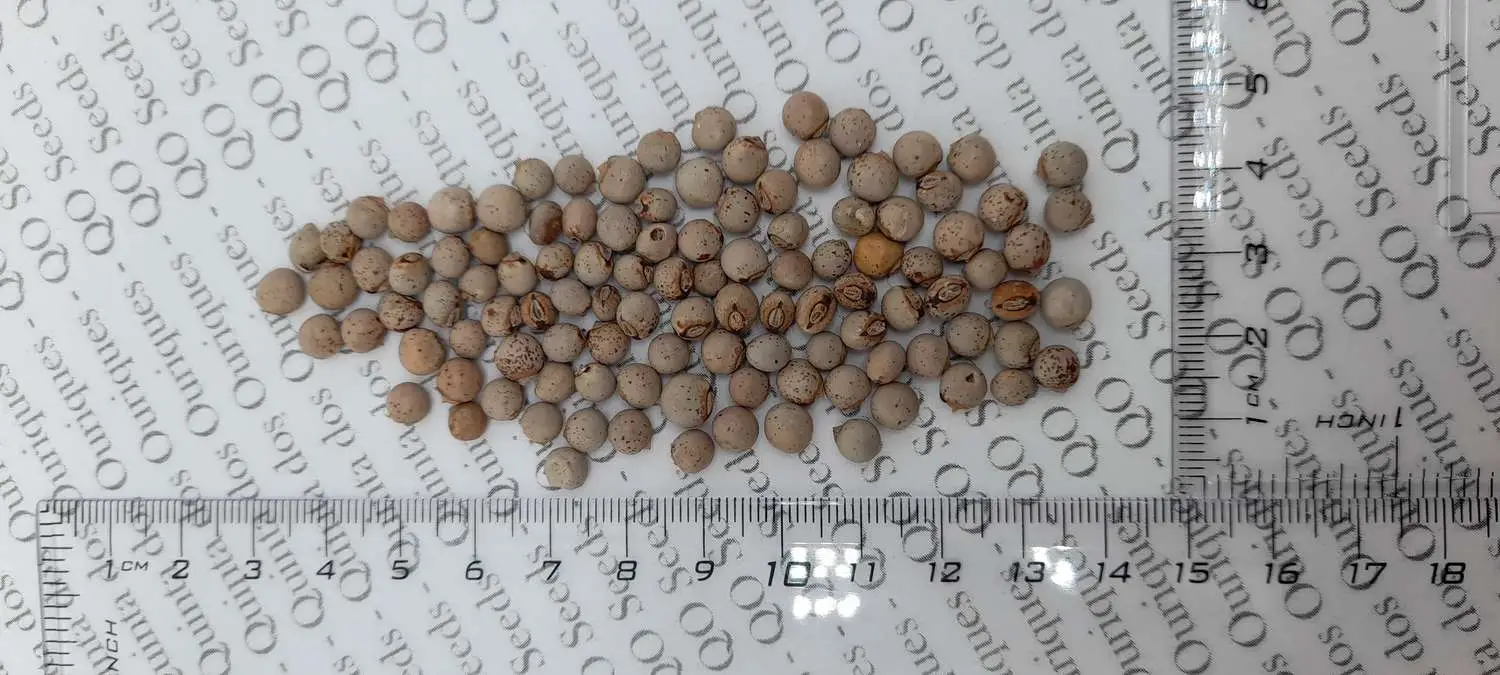
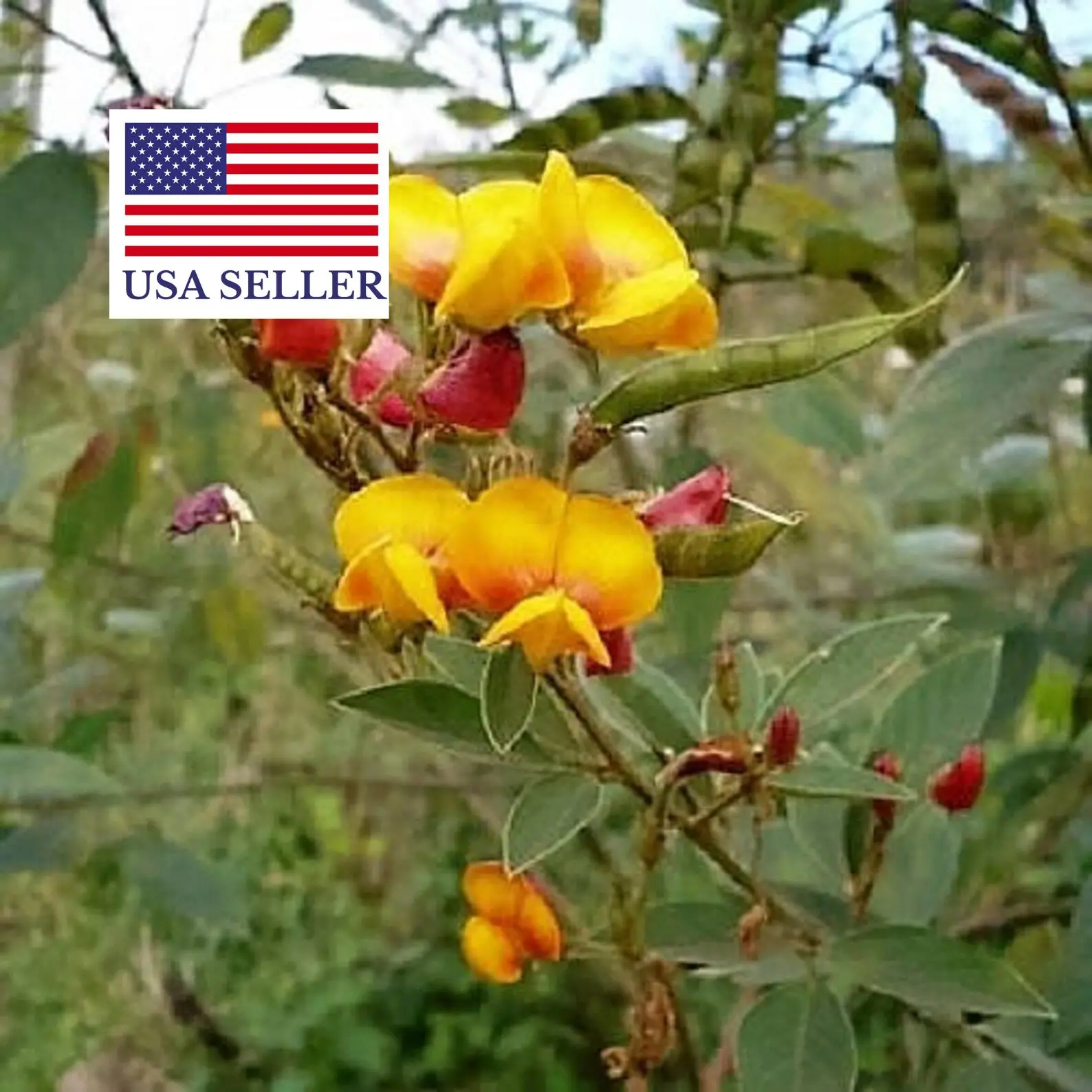
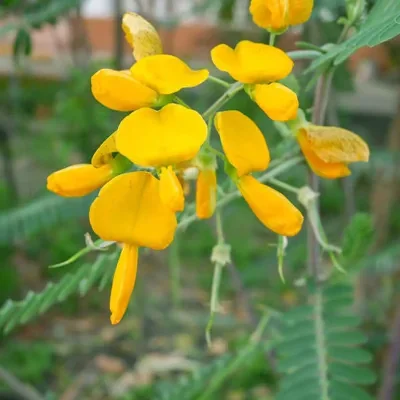
Grow your own protein goldmine from seed. Pigeon pea yields abundant edible pods brimming with 21% protein—plus naturally enriches soil with nitrogen. Beautiful red-and-yellow flowers precede mottled pods. Thrives in poor soil, drought-resistant, and remarkably easy. Harvest green as vegetables or dry for dhal, curries, and staple dishes. One plant feeds your kitchen for years.
€3.38
Pigeon pea isn’t just another legume—it’s a 3,500-year-old staple that fed civilizations and still anchors kitchens across India, Africa, and the Caribbean.
Originally cultivated in the Indian subcontinent, this remarkable shrub has traveled the world on trade winds and human hands, becoming the sixth most important edible legume globally. More than 85% of global production happens in India, yet pigeon pea remains quietly underappreciated in Western gardens. That’s your opportunity: to grow a plant with deep historical roots and genuine culinary magic.
The culinary magic is real. Pigeon peas deliver 21–24% protein per weight—higher than most legumes—making them a plant-based protein superstar. They’re rich in lysine, fiber, and essential minerals like iron and potassium. You can harvest them green and cook the tender whole pods like green beans (a Caribbean and East African delicacy), or let them mature and dry for the iconic dhal and dal curries that define South Asian cuisine. Immature pods go into stews and relishes; mature seeds are ground into flour for biscuits and flatbreads. The leaves themselves? Excellent fodder—and traditional medicine in China and the Philippines has long used them for pain relief and digestive health. Every part of this plant earns its place in your kitchen and life.
But here’s the secret that permaculturists and regenerative farmers have always known: while you’re feeding your family, pigeon pea is feeding your soil. This legume forms a symbiotic relationship with soil bacteria, fixing atmospheric nitrogen and depositing it into the earth—returning roughly 40 kg of nitrogen per hectare through fallen leaves alone. Its deep taproot breaks through compacted soils, improving water-holding capacity and bringing nutrients from lower layers to the surface where other plants can access them. Plant pigeon pea and watch poor, degraded land transform. It’s a pioneer species, a healer, a nitrogen factory that asks for almost nothing in return.
Growing pigeon pea is refreshingly simple. This is an easy-to-medium crop that tolerates drought, poor sandy soils, and neglect better than most plants. Sow seeds directly in warm soil—they germinate in 1–2 weeks. Once established, water sparingly; drought resistance is one of its superpowers. The plant thrives in well-drained, slightly acidic to neutral soil and doesn’t demand fertilizer (it makes its own nitrogen). Space plants 1–2 meters apart to accommodate their bushy, upright growth, which reaches 1–4 meters tall. The plant lives 3–4 years as a productive perennial, producing abundant harvests each season with light pruning. Full sun is ideal, and it adapts to both pot and ground cultivation. Avoid waterlogging, and you’re golden. Even gardeners in temperate zones can start pigeon pea in pots indoors and move it outdoors in summer, or grow it as an annual.
Imagine stepping into your garden and seeing those distinctive red-and-yellow papilionaceous flowers clustered at branch tips, each one a promise of food and fertility to come. Imagine harvesting fresh green pods for tonight’s curry, or watching mature pods dry on the plant, ready to shell for your winter store of protein-rich seeds. Imagine knowing that with every plant you grow, you’re not just feeding yourself—you’re rebuilding soil, sequestering carbon, and participating in an agricultural tradition thousands of years old. Start your pigeon pea from seed today. Watch it grow where other plants fail. Taste the satisfaction of ancient food, modern resilience, and genuine abundance.
Only logged in customers who have purchased this product may leave a review.
Reviews
There are no reviews yet.