
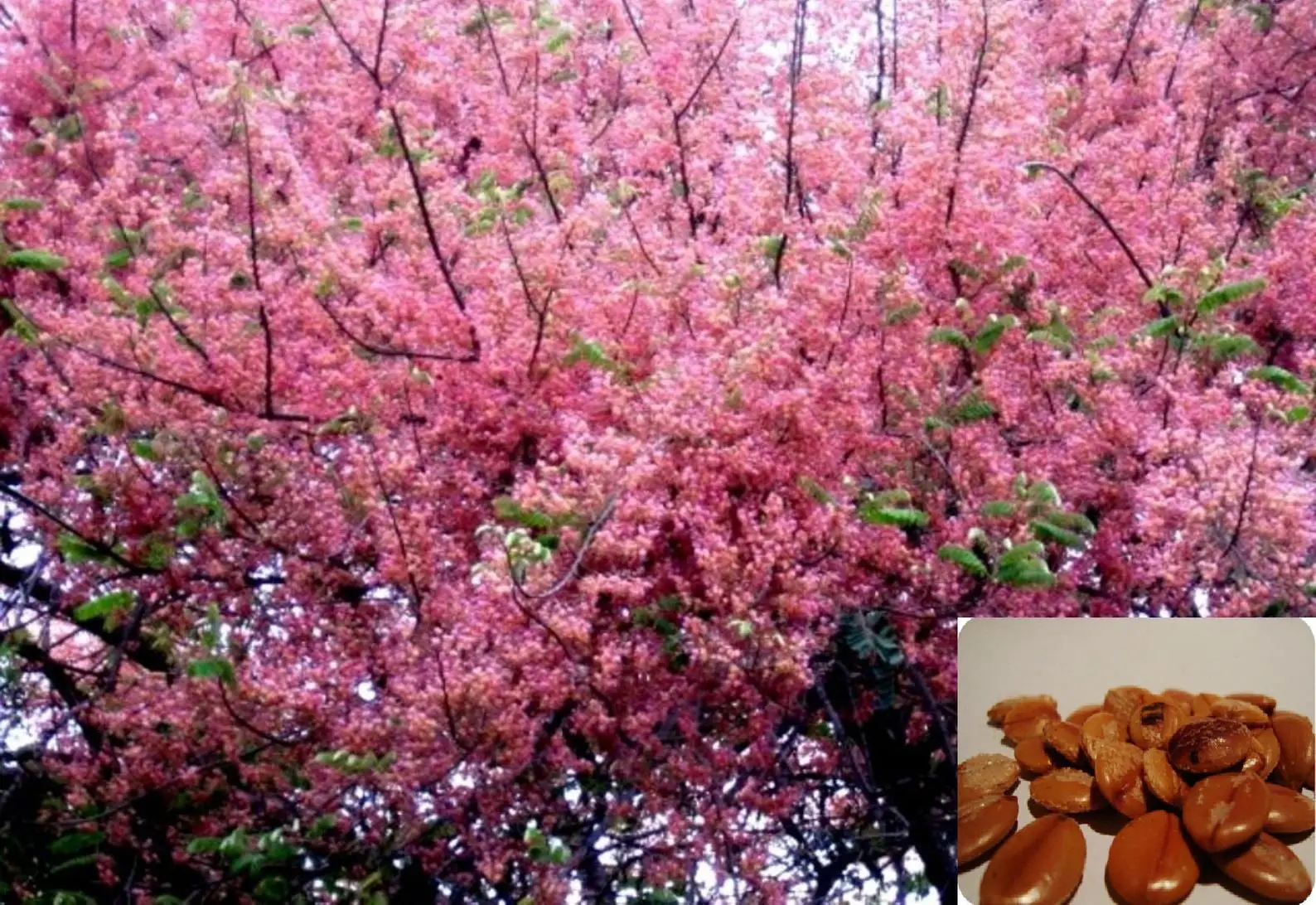

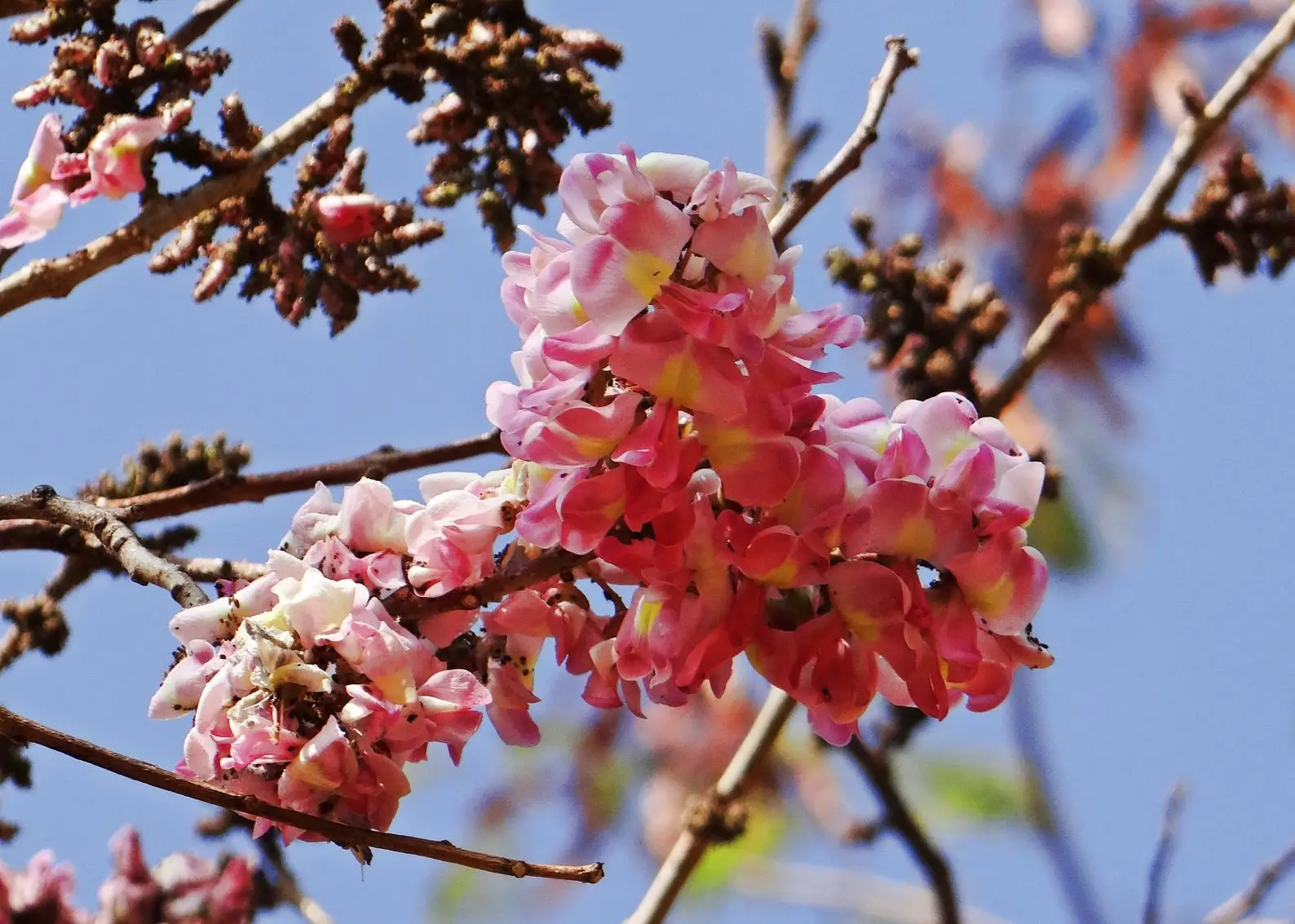
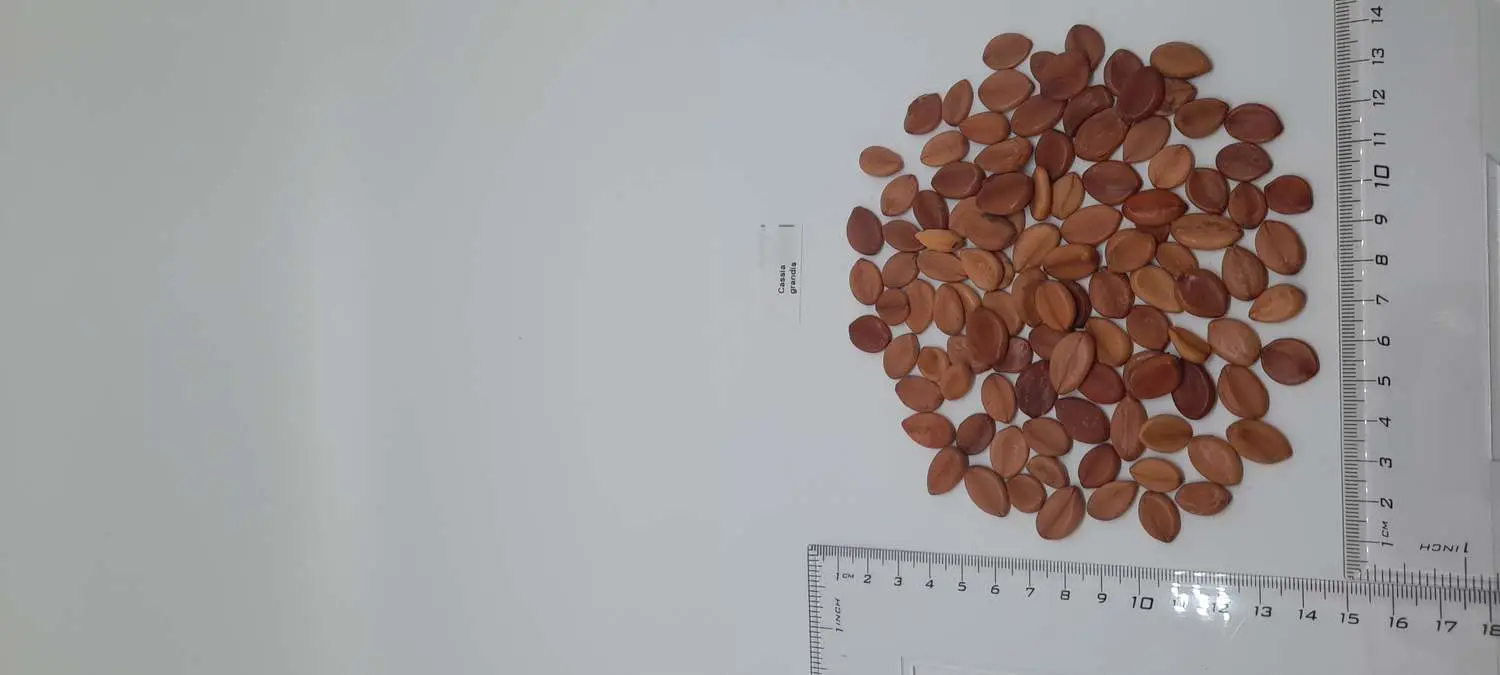
Coral-pink cascades of springtime magic. But this is no ordinary ornament—the long woody pods harbor a prized honey-like pulp, used for centuries in Caribbean tradition as a natural iron tonic for anemia and wellness. Grow this fast-establishing tropical treasure from seed and own both healing beauty and sculptural presence.
€3.30
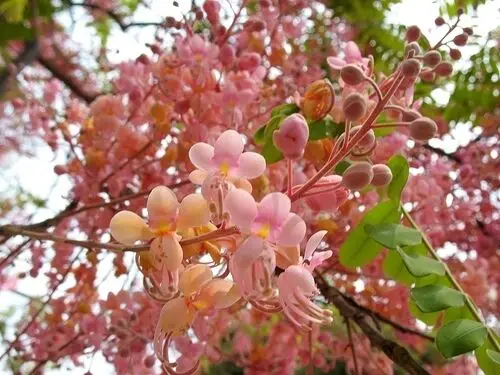
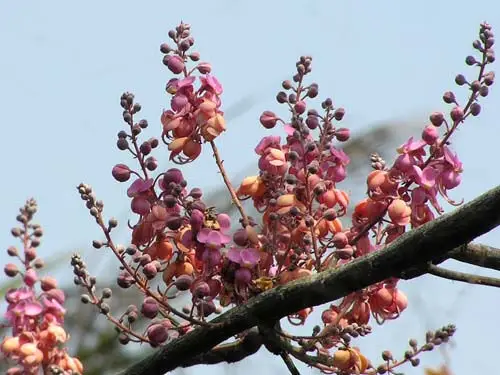
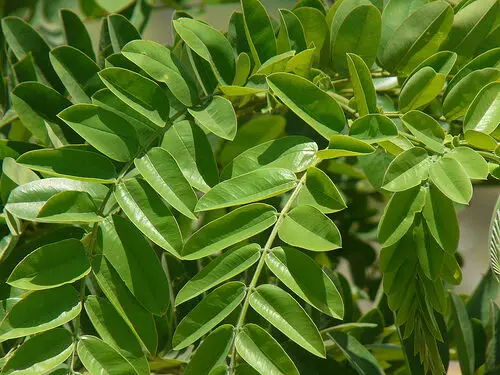
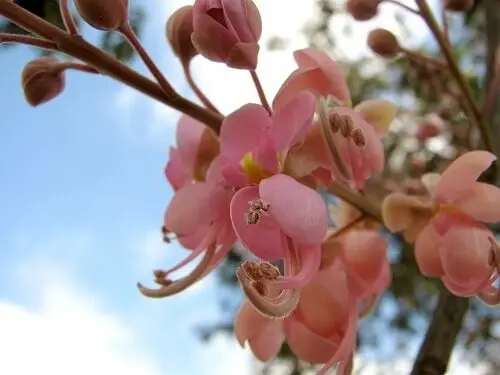
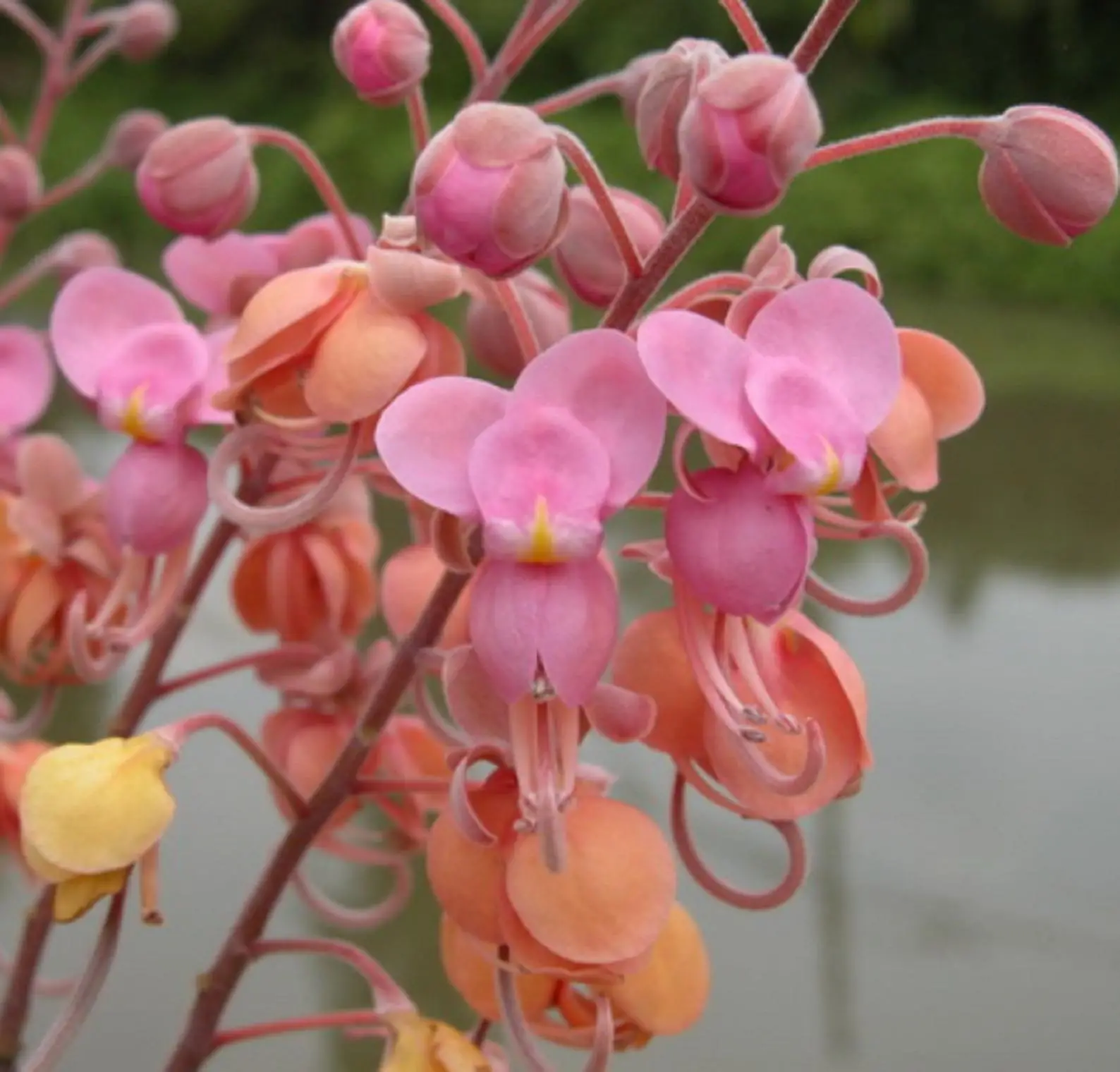
Watch the transformation when bare branches erupt in pastel coral-pink. Cassia grandis is a spectacle that stops traffic—a deciduous tropical giant that sheds its feathery pinnate leaves, then drowns in clusters of salmon-pink flowers while the canopy is still bare, creating an almost unreal visual shock. The blooms come in drooping racemes so heavy with buds that branches bow. Then the flowers give way to something far more valuable than beauty alone.
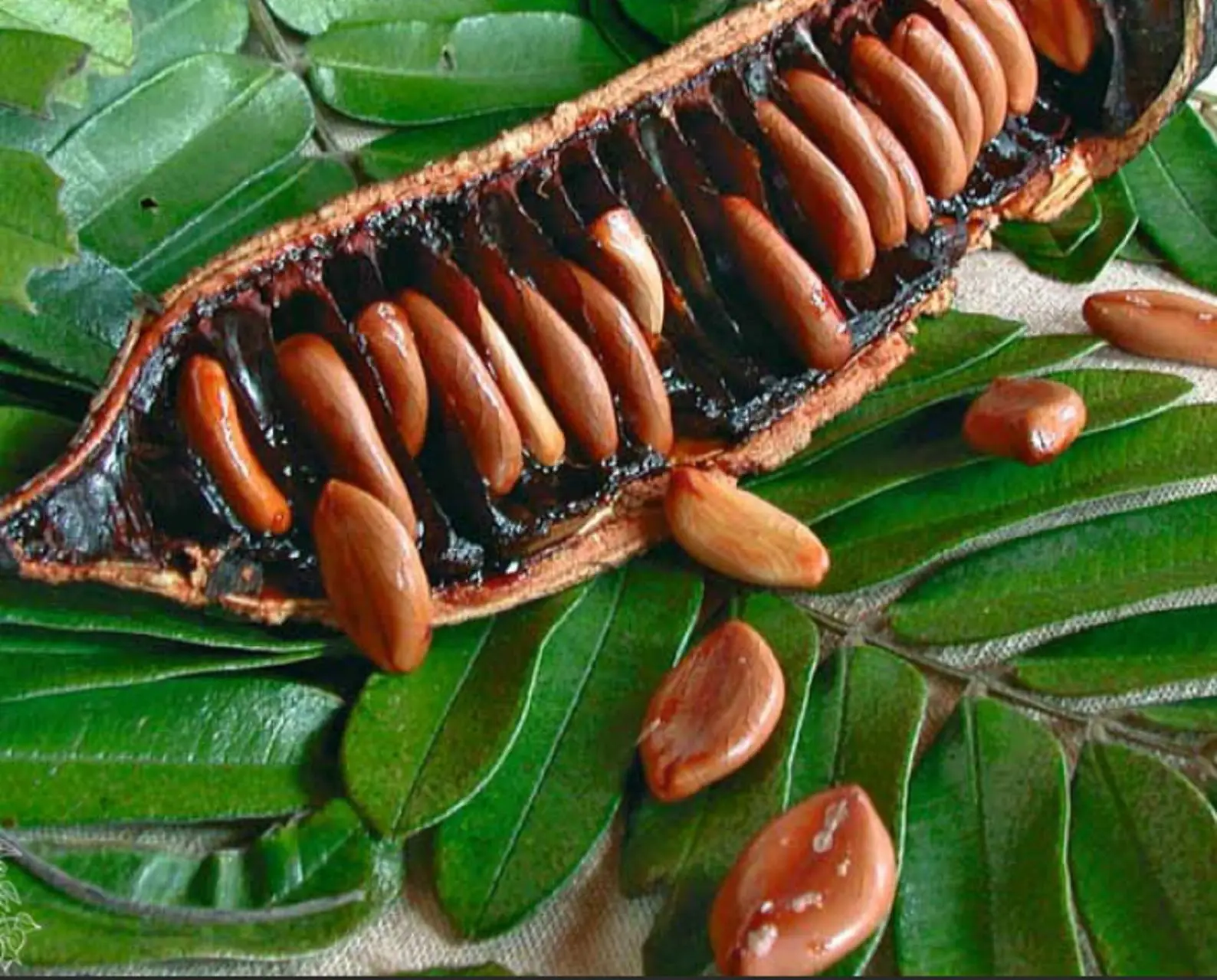
Native to Mexico, the Amazon basin, and the Caribbean, Cassia grandis has been planted and cherished across tropical continents not just for its show, but for what lies hidden in those long, woody seed pods. For generations, Indigenous and Caribbean peoples have extracted the dark, honey-like pulp from the mature black pods and used it as a potent natural remedy—mixing it with milk as a powerful iron supplement to treat anemia, employing it as a gentle laxative, and weaving it into traditional wellness practices that modern science is only now beginning to validate.
The medicinal soul of this tree is its greatest treasure. That precious brown pulp—sweet, pungent, concentrated—contains iron and has been called a miracle worker in regions where anemia is common. In Central America, the pulp is reduced into Jarabe de Carao, a molasses-like syrup taken as both a sweetener and a nutritional tonic. The pods also contain compounds used to treat ringworm and skin ailments, and the leaves yield decoctions for digestive and dermatological applications. This is a living pharmacy, cloaked in stunning beauty. Beyond medicine, the pulp is edible and occasionally made into beverages, and the seeds yield gums with pharmaceutical potential. Growing Cassia grandis from seed means cultivating a tree that offers medicine, drama, and legacy.
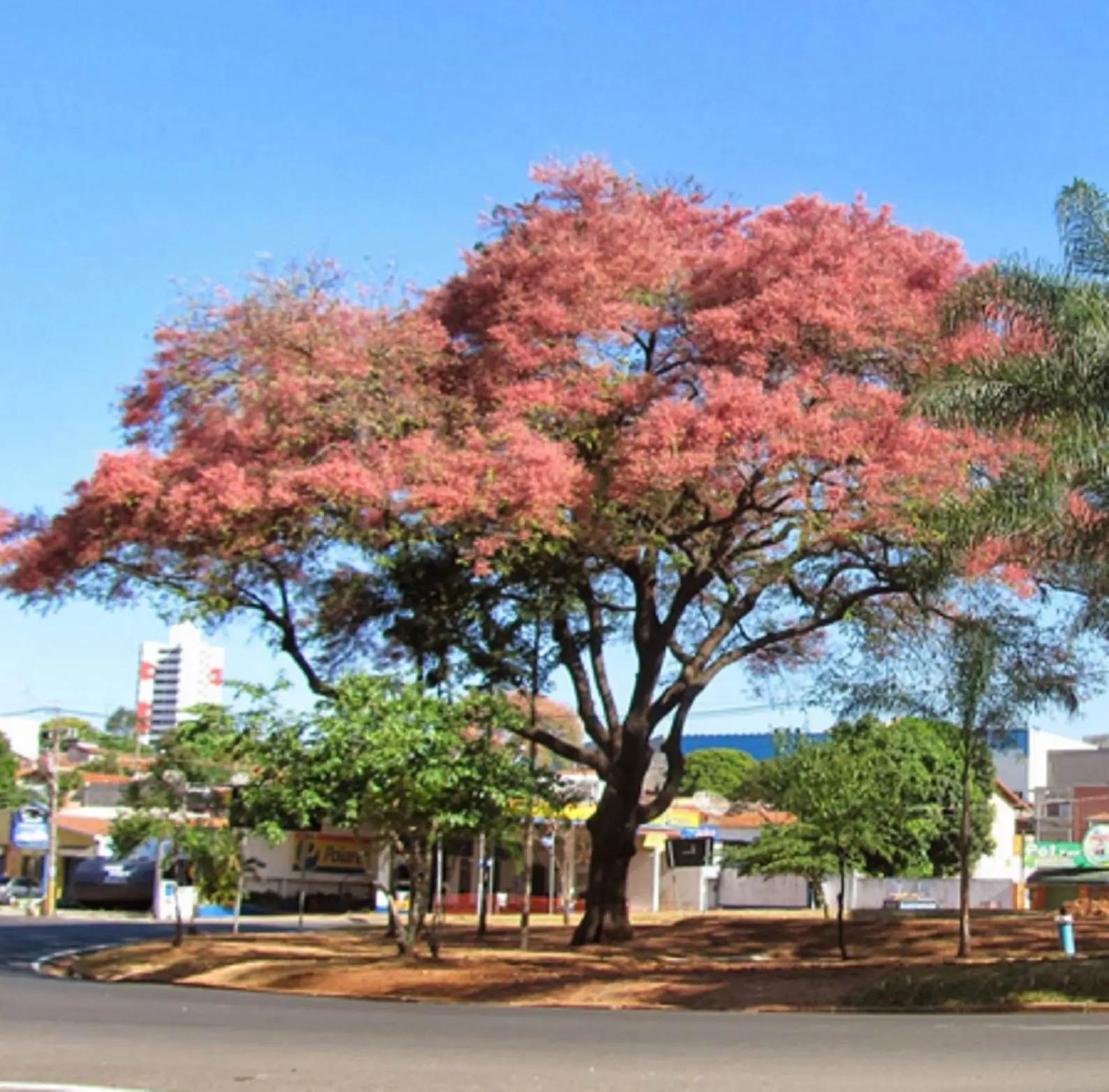
Cassia grandis is refreshingly easy to establish. It is a fast-growing pioneer tree that thrives in warm, tropical and subtropical climates (zones 10–11), preferring full sun and consistently moist, well-drained soil. It will tolerate a range of soil types, including clay, and actually improves soil through nitrogen fixation courtesy of its Fabaceae family membership. Seeds germinate readily, especially when scarified; plant in moist soil in bright light. The tree reaches 40–60 feet in its maturity but can be managed in large containers while young. It is deciduous to semi-evergreen, dropping leaves during dry seasons—exactly when it produces its show.
From your first seed lies the promise of a tree that will heal as it transforms. Imagine standing beneath a canopy exploding with coral-pink light each spring, knowing that the pods will carry centuries of traditional wisdom into your own hands. Start one today. This is not merely beauty—it is medicine with roots.
Only logged in customers who have purchased this product may leave a review.
Reviews
There are no reviews yet.