
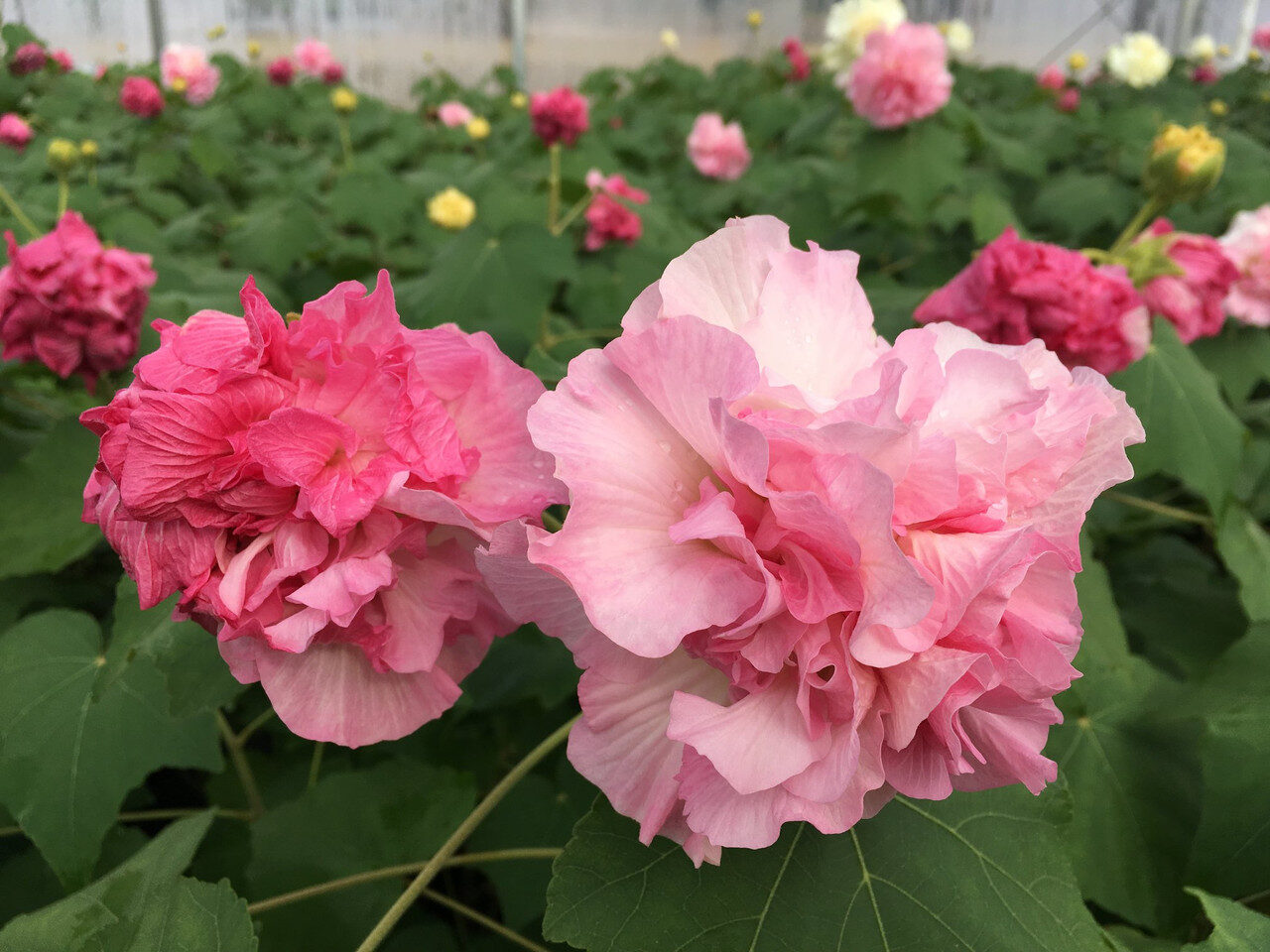
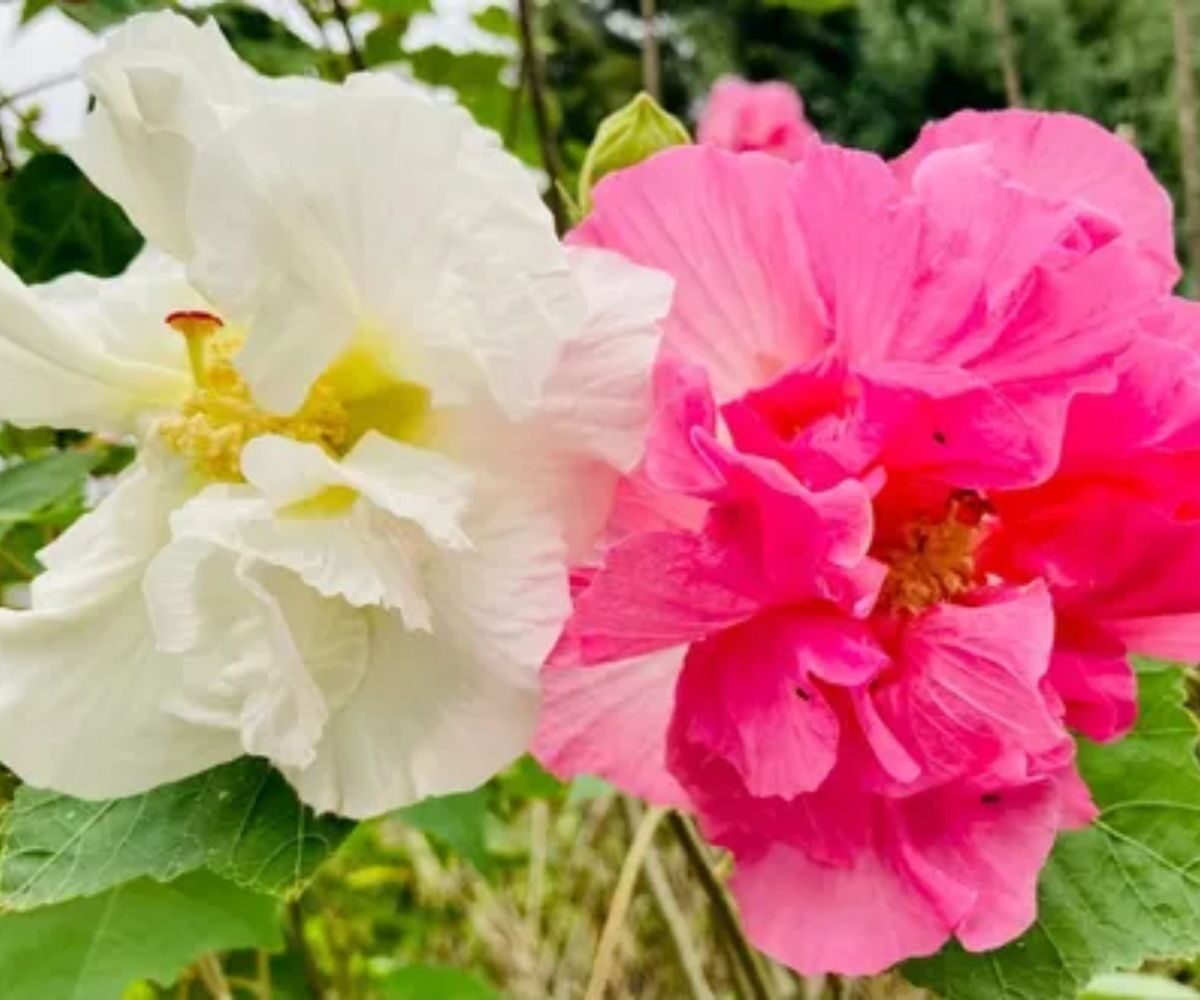
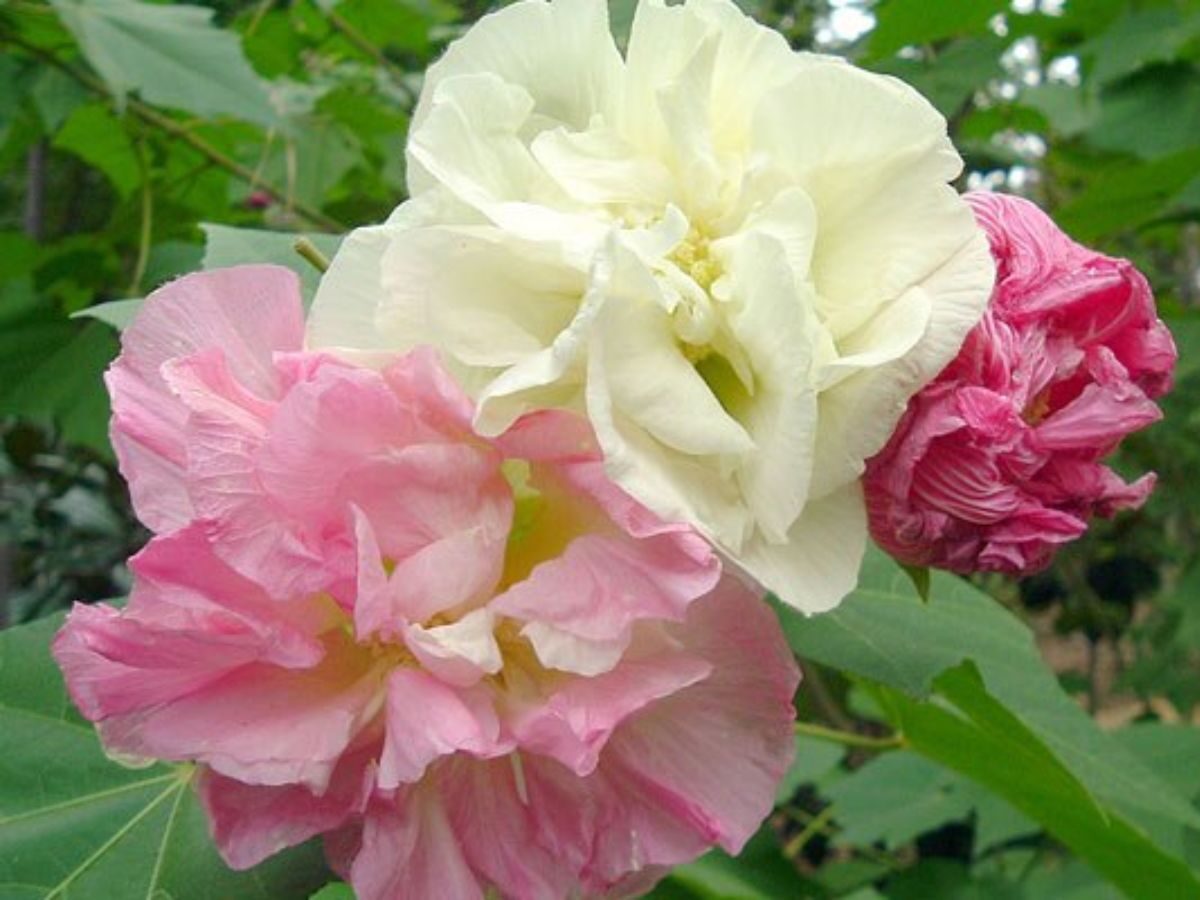
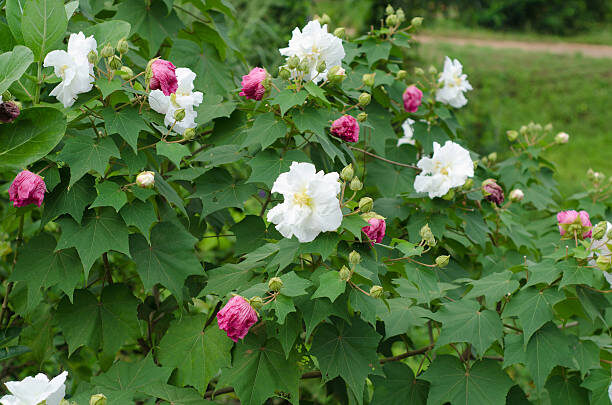
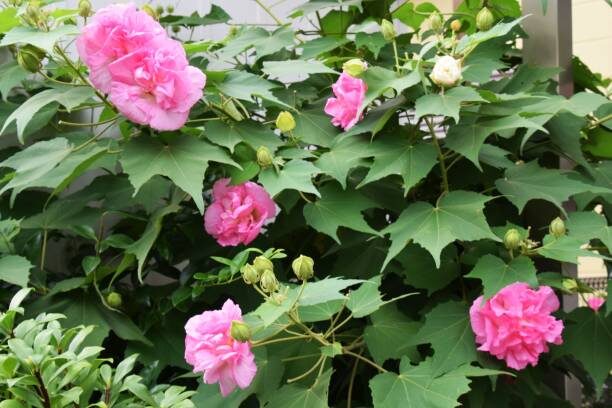
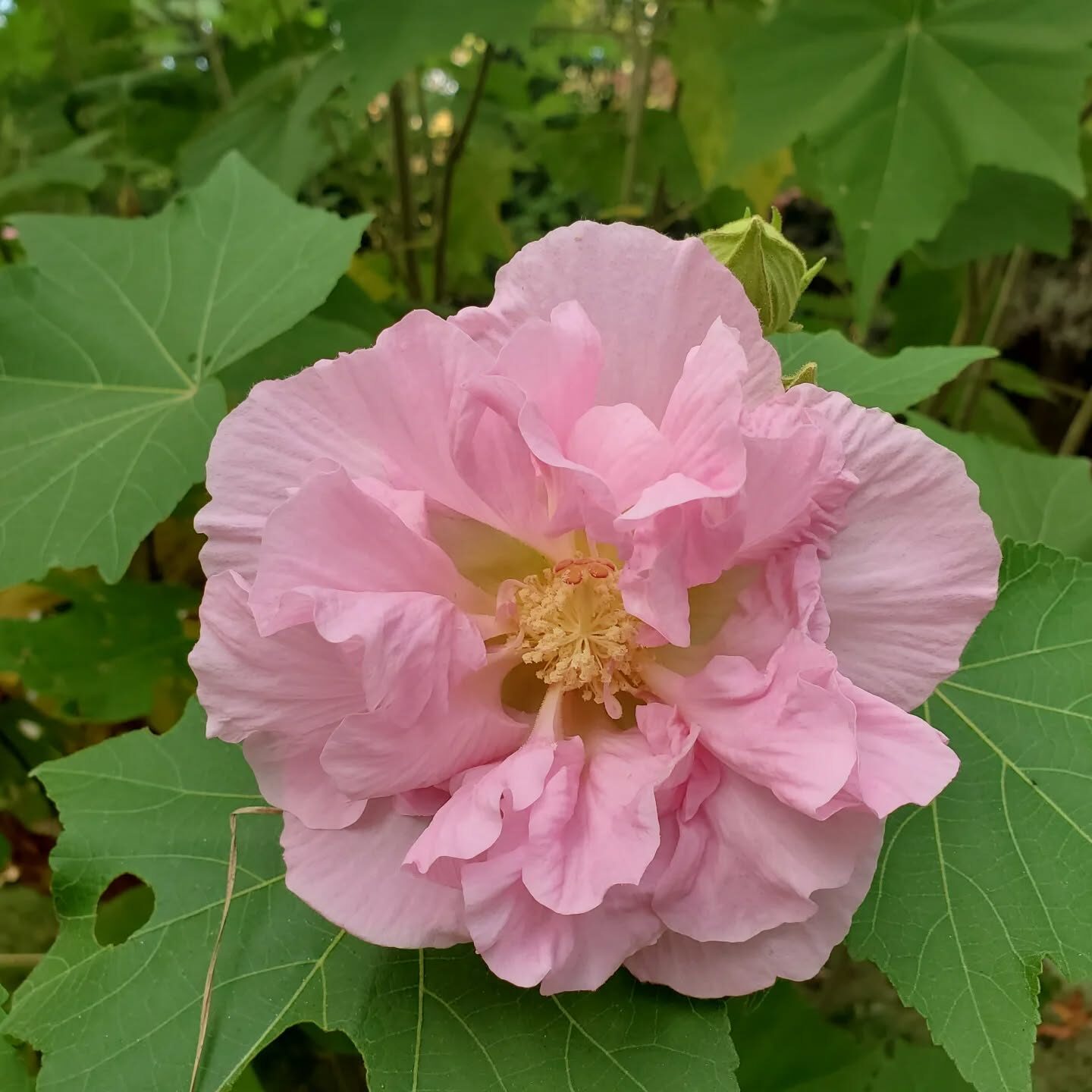
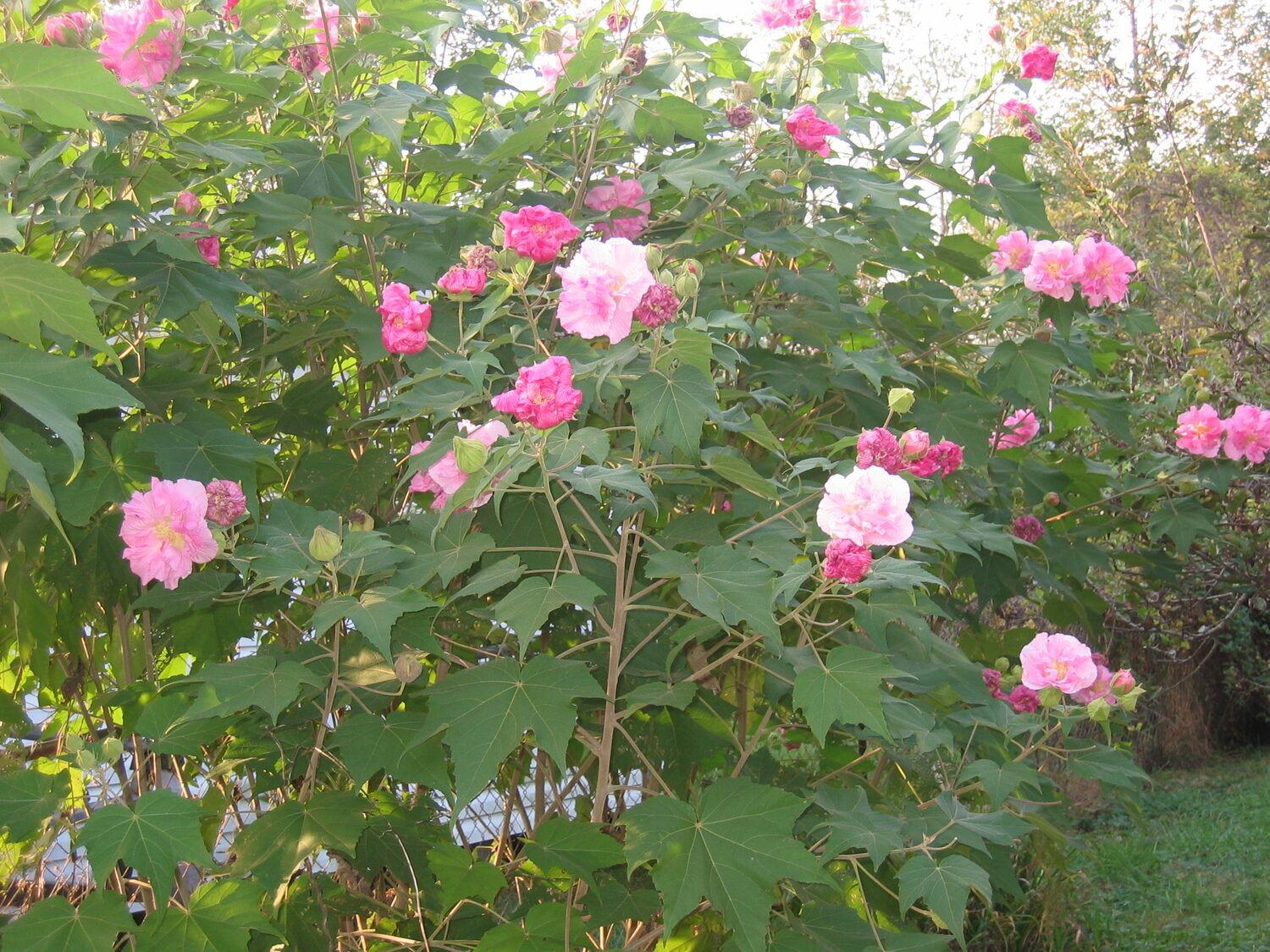
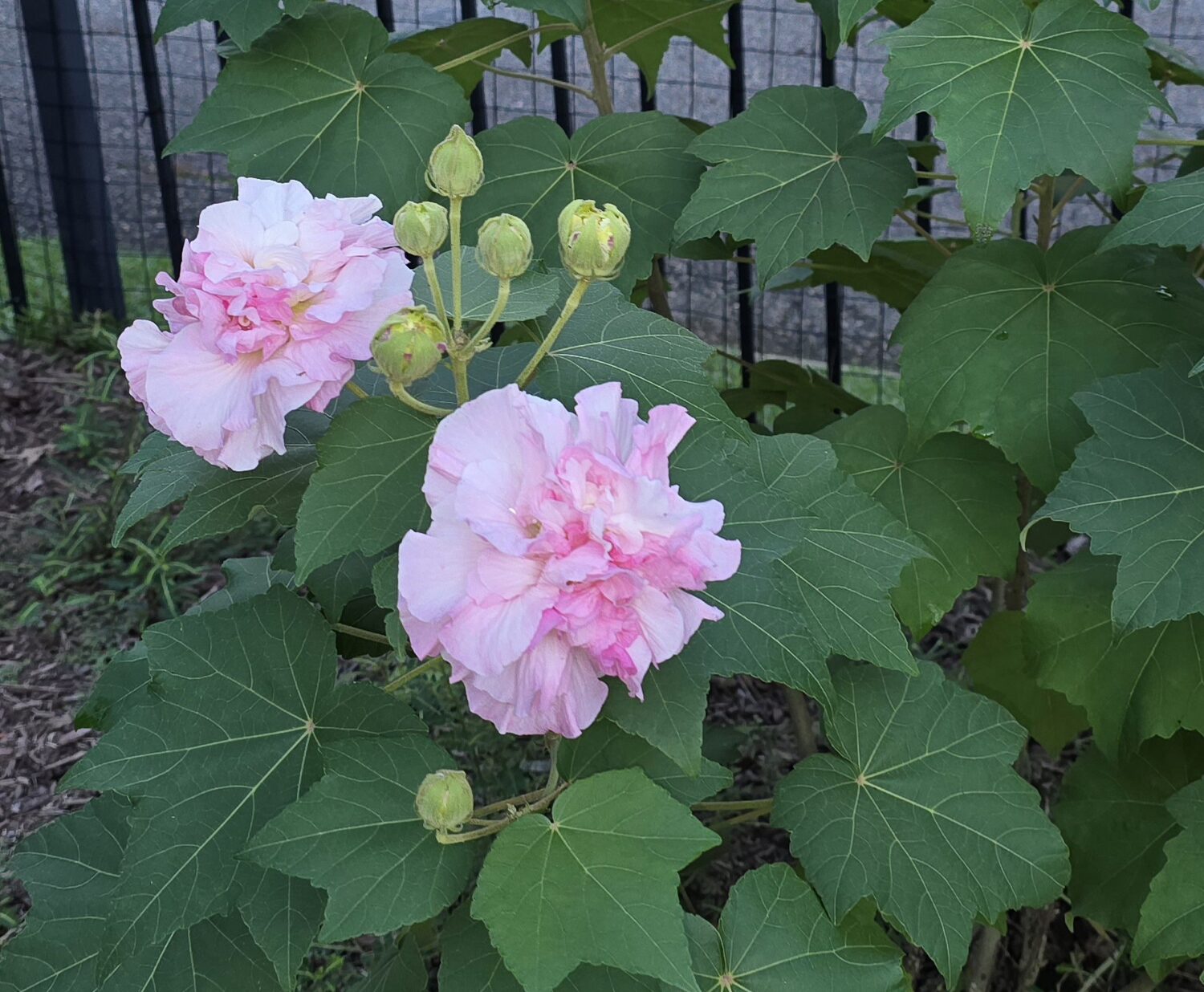
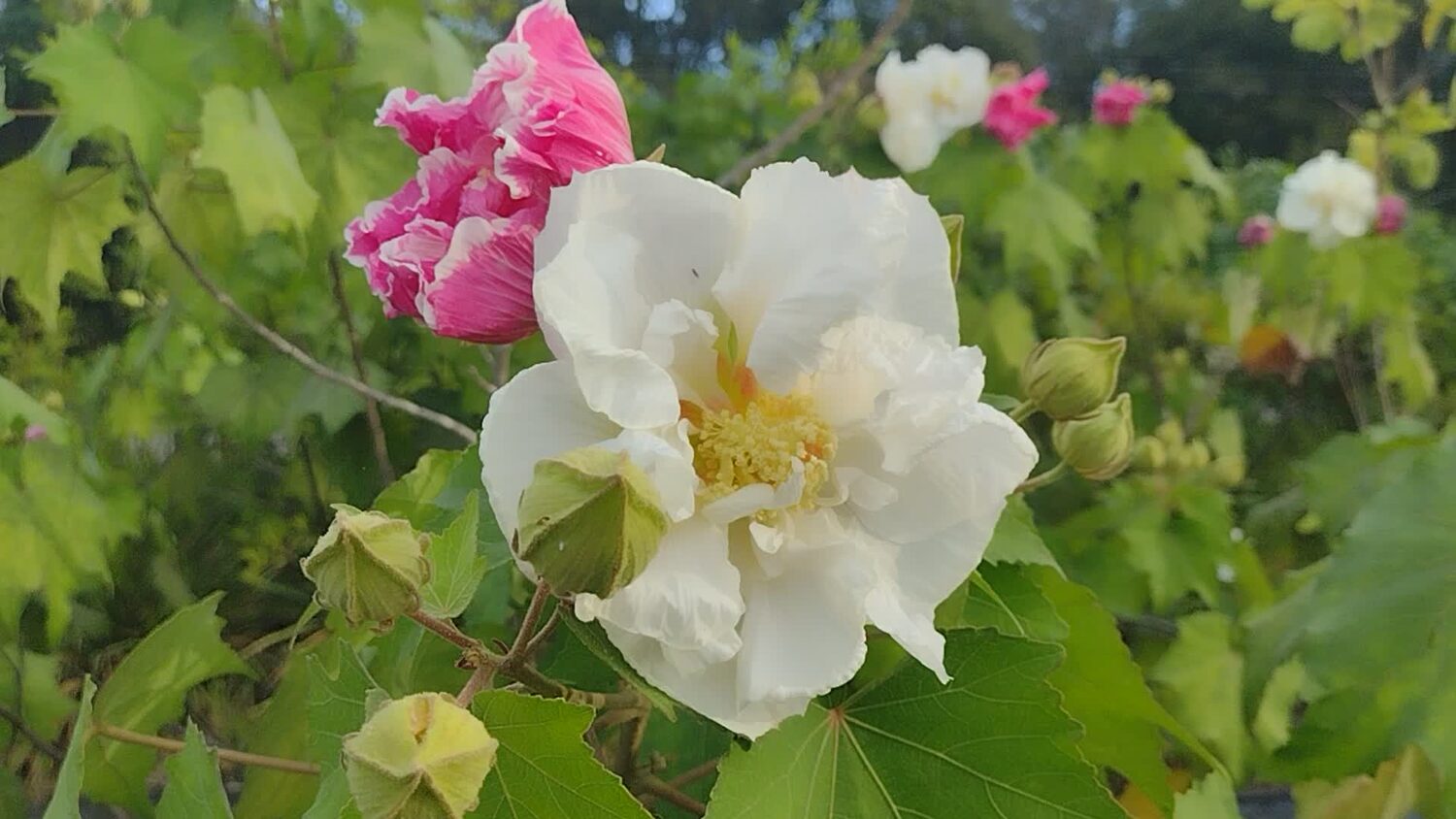
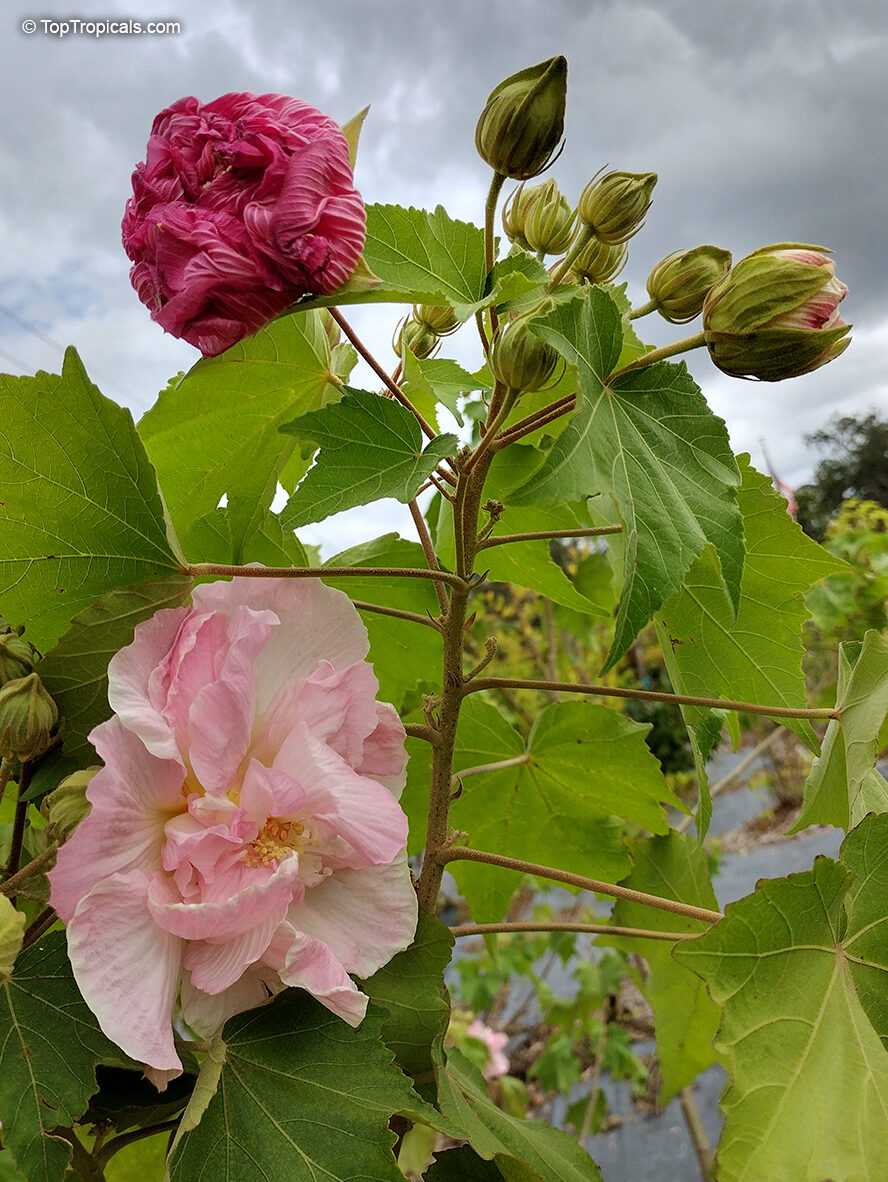
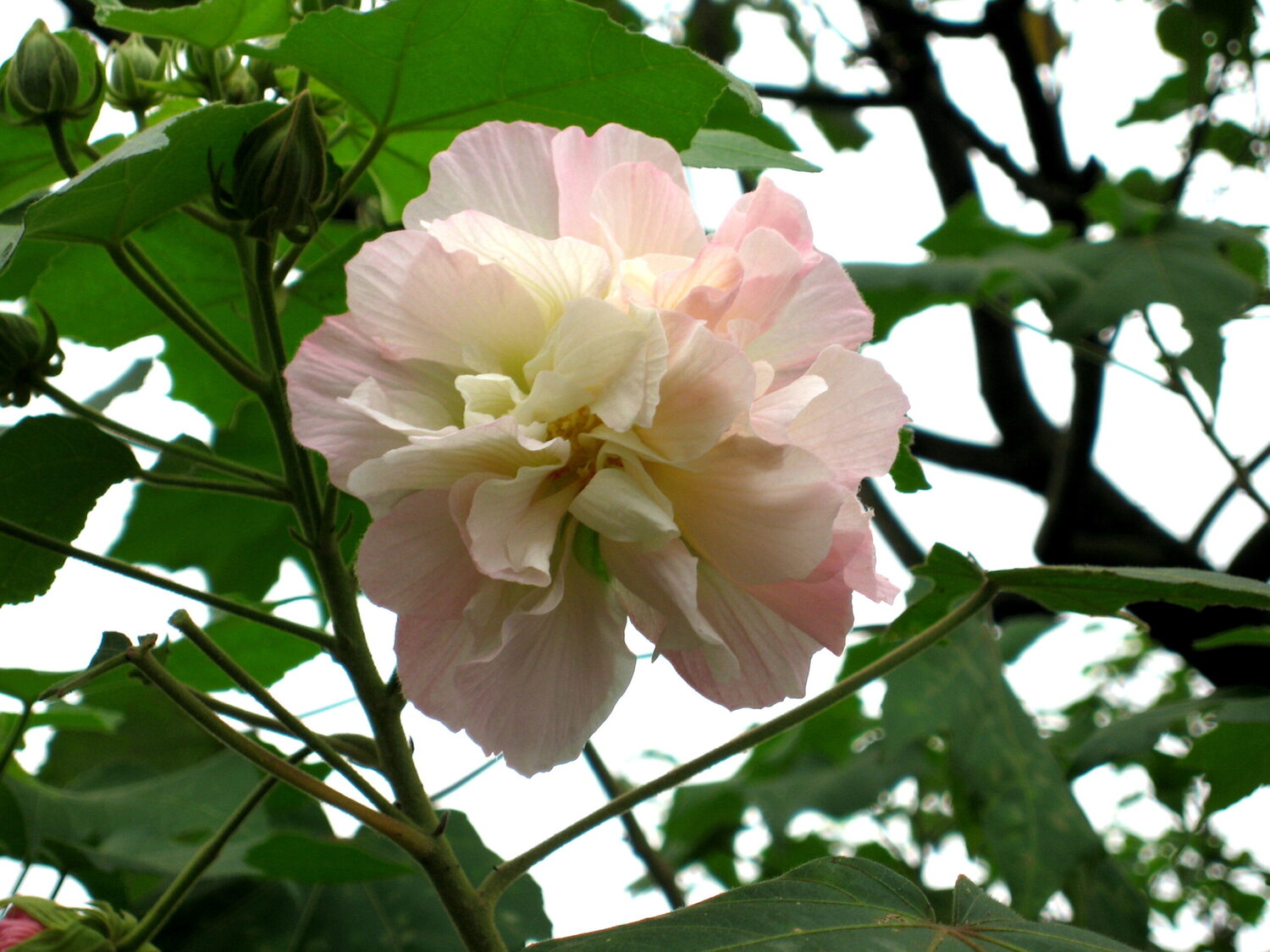
Watch in awe as these massive blooms open pure white at dawn and transform to deep crimson by dusk—all on the same day. This ancient Chinese healer, prized for centuries in traditional medicine and cuisine, produces hundreds of stunning flowers from late summer through fall. Adaptable, vigorous, and easy to grow from seed. The living pharmacy meets living artwork.
€2.82
Imagine waking to a garden that performs a daily color symphony—white flowers turning pink by noon, then burning crimson by evening, with all three shades blooming simultaneously on the same plant.
This is Hibiscus mutabilis, the Confederate Rose, a botanical treasure native to southern China that has captivated gardeners for over a thousand years. Despite its misleading name, it’s no rose—it’s a powerhouse hibiscus in the Malvaceae family that produces massive, rose-like blooms measuring 4 to 6 inches across. The flowers come single or double, and they’re just the beginning of what makes this plant extraordinary.
But here’s what sets mutabilis apart from ordinary ornamentals: it’s a working plant with serious credentials. In traditional Chinese medicine, both the flowers and leaves are celebrated for cooling the blood, detoxification, reducing inflammation, and pain relief—documented in classical texts like the Illustrated Classic of Materia Medica and the modern Chinese Pharmacopoeia. The leaves are edible and packed with rutin, a powerful antioxidant; the flowers serve as natural food coloring and are used in culinary dishes throughout Asia. Recent research confirms the plant contains impressive levels of anthocyanins, flavonoids, and phenolics—real bioactive compounds with measurable antioxidant power. You’re not just growing beauty; you’re cultivating a functional food and medicine.
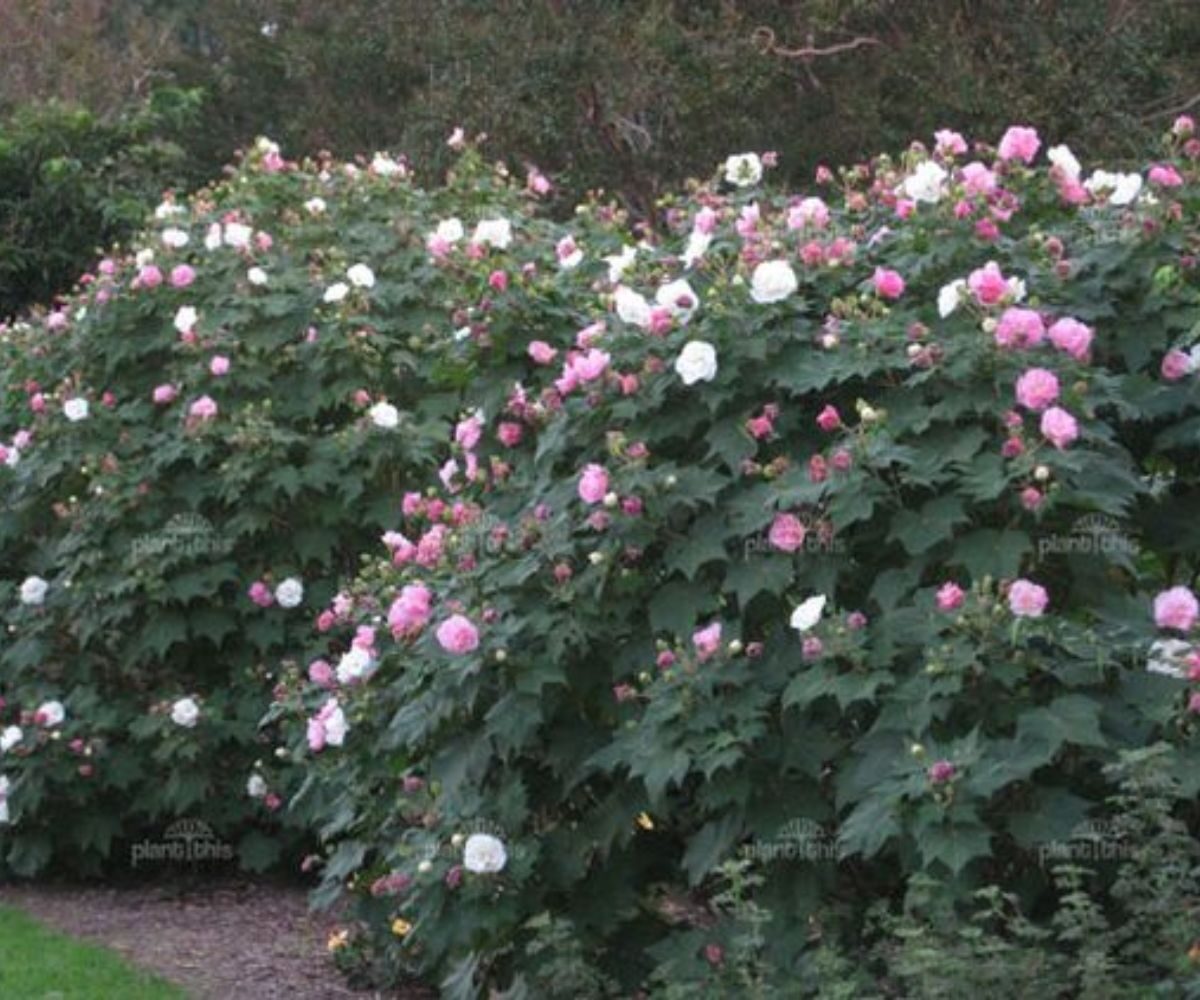
What makes mutabilis truly irresistible to grow: it’s practically unstoppable. This shrub has a ferociously fast growth rate, shooting 8 to 10 feet skyward in a single season. It’s forgiving—tolerant of variable soils, happy in full sun or partial shade, and drought-tolerant once established. Water it freely during the growing season, then back off in winter. It prefers rich, well-drained soil with organic matter, but it won’t complain if conditions are less than perfect. The foliage is lush and tropical-looking, with large, deeply lobed soft leaves that create a stunning backdrop even before the flowers appear. Hardy in USDA zones 7-11 (or zone 9-10 for best performance), it’s surprisingly adaptable. In colder zones, it may die back to the ground in winter but will vigorously resprout each spring—with even more flowering.
Grow it from seed and you’ll have a thriving medicinal specimen within months, producing hundreds of blooms from late summer through fall. As older flowers fade and drop, new ones open continuously. Imagine harvesting your own medicine and natural food coloring while that incomparable daily color show unfolds. This isn’t just an ornamental—it’s a living calendar, a healing garden, and a conversation piece all in one. Start your seeds now and join the tradition of gardeners who’ve treasured this plant for over a thousand years.
Only logged in customers who have purchased this product may leave a review.
Reviews
There are no reviews yet.