FREE SHIPPING OVER €30 FREE SHIPPING OVER €30

Crotalaria pallida — Smooth Rattlebox | The Living Nitrogen Factory

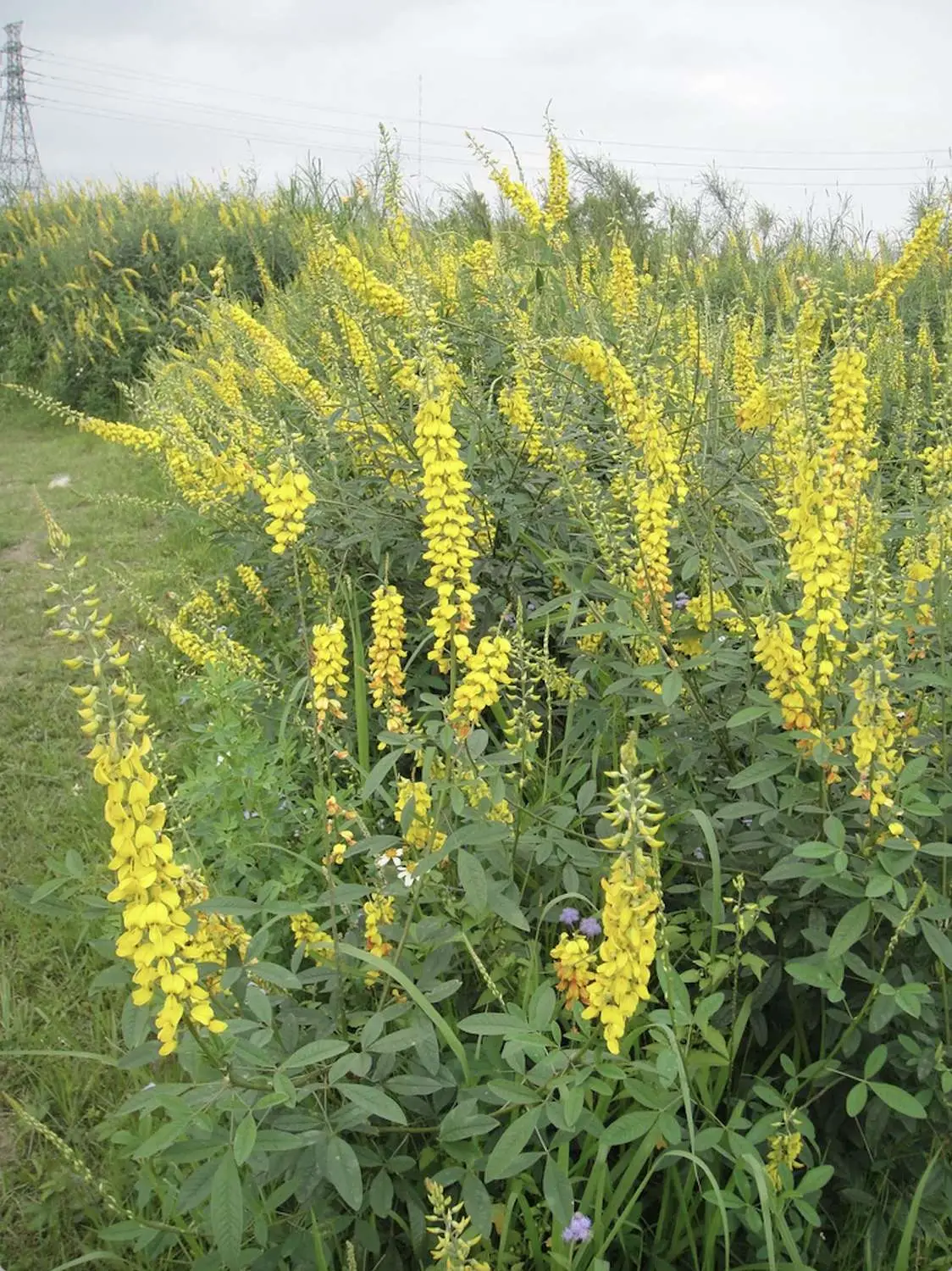
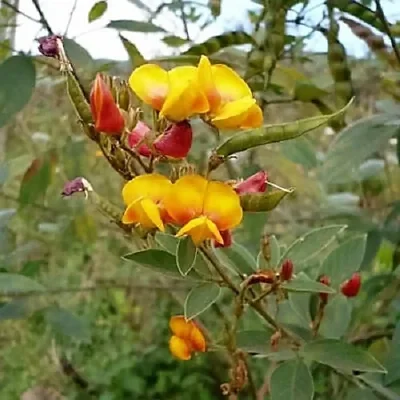
Grow your own soil. Crotalaria species add nitrogen and organic matter to improve soils, and the yield of the crops following them. Bright yellow and orange flowers make it highly desirable for attracting butterflies and hummingbirds. This hardy plant is easy to grow and will tolerate harsh sites, poor soils, drought, and even a short freeze of temperatures at least down to 30s F.</cit

2.57

SKU: P-2070 Category: Tags: , , ,

You May Also Like

Description

Crotalaria pallida is native to tropical and subtropical regions and is known for its bright yellow flowers and rattling seed pods. This extraordinary legume is far more than a pretty face—it’s a living soil healer, and once you grow it, you’ll understand why sustainable farmers around the world have relied on it for centuries.

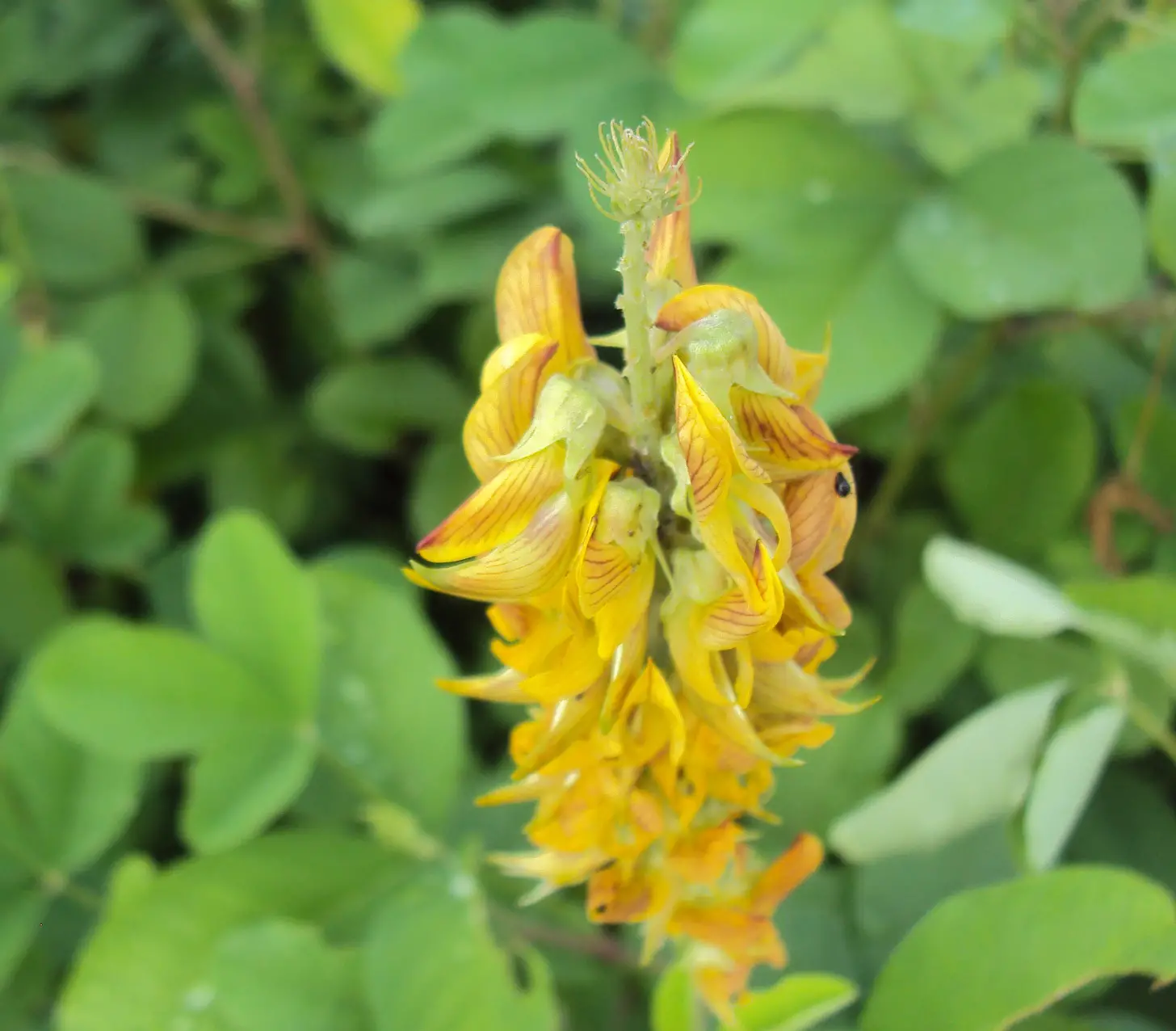
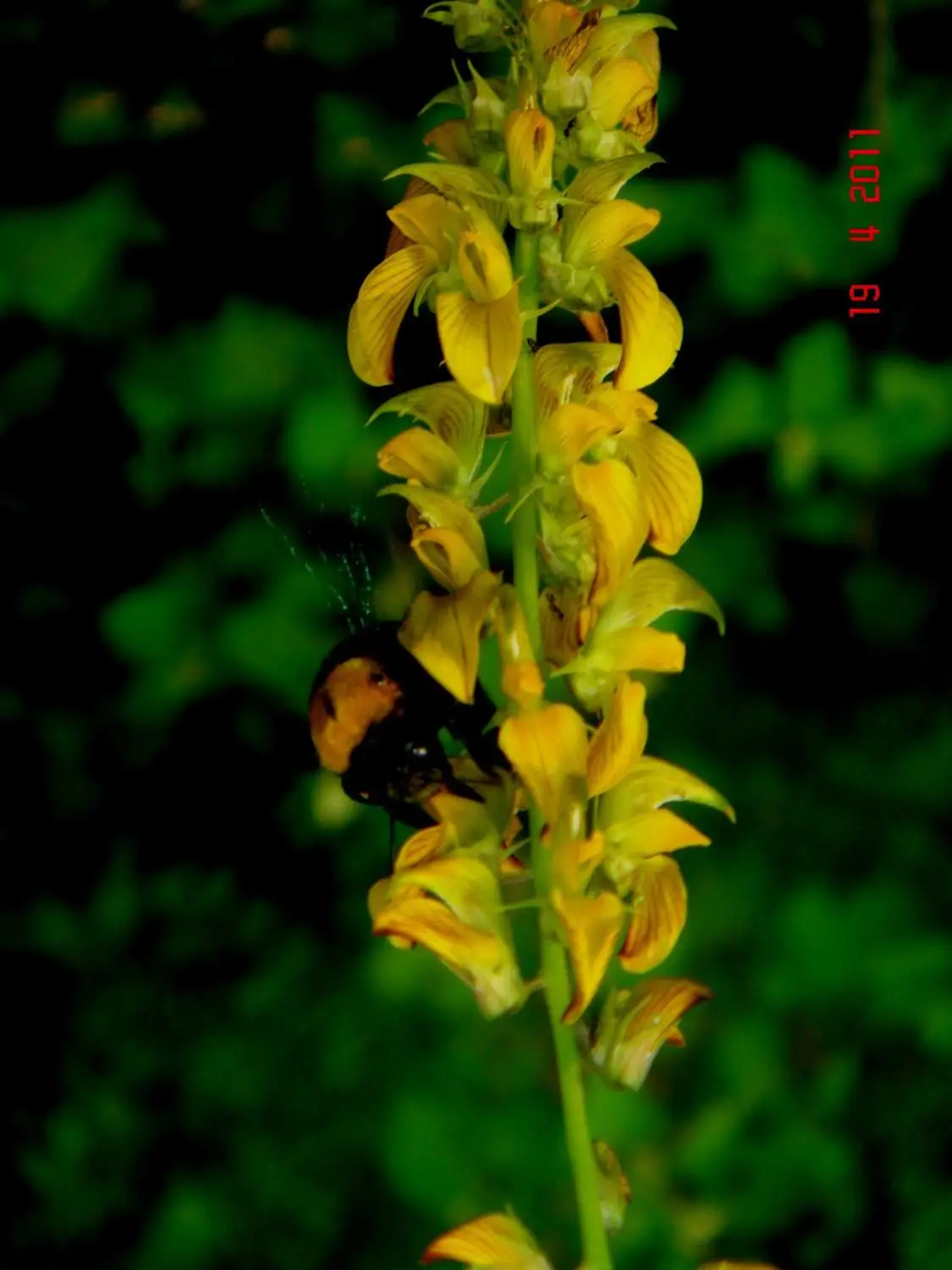
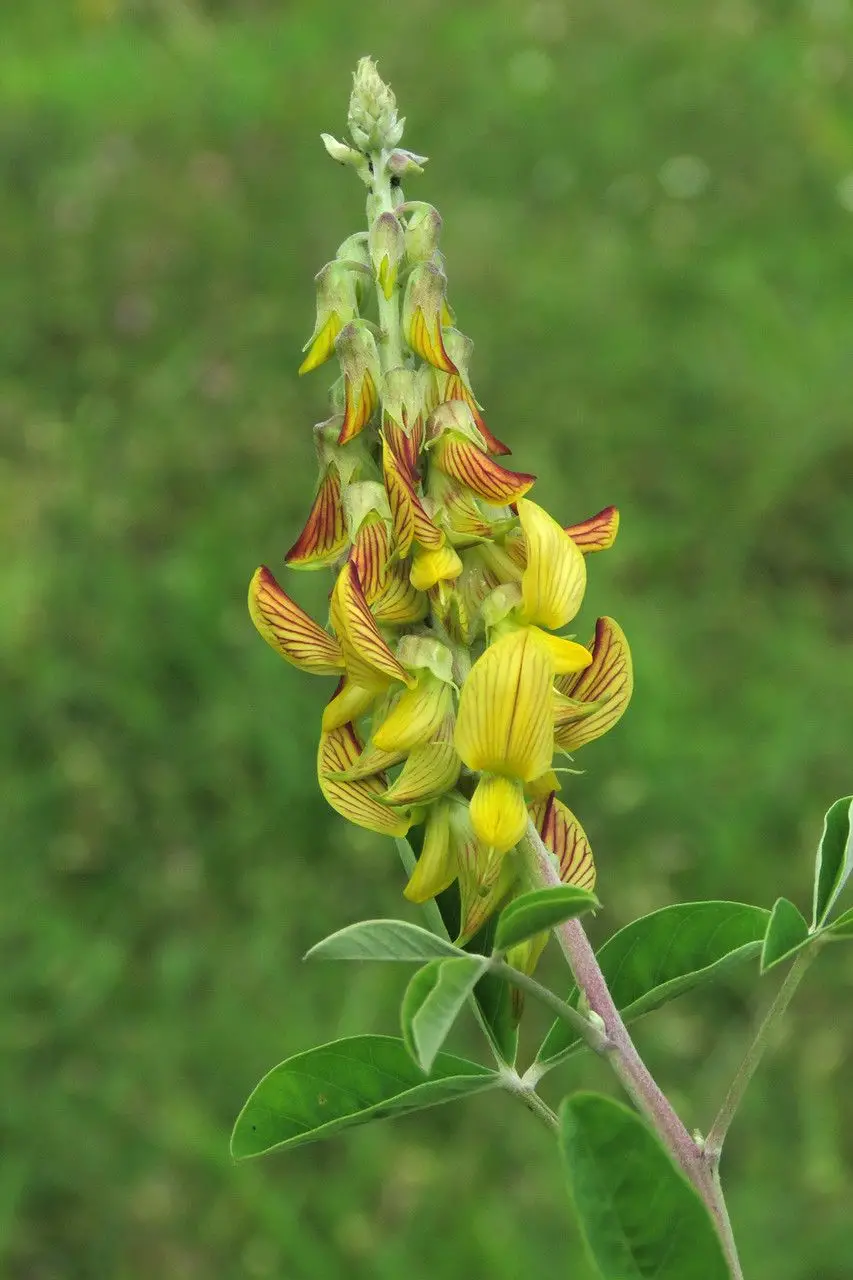
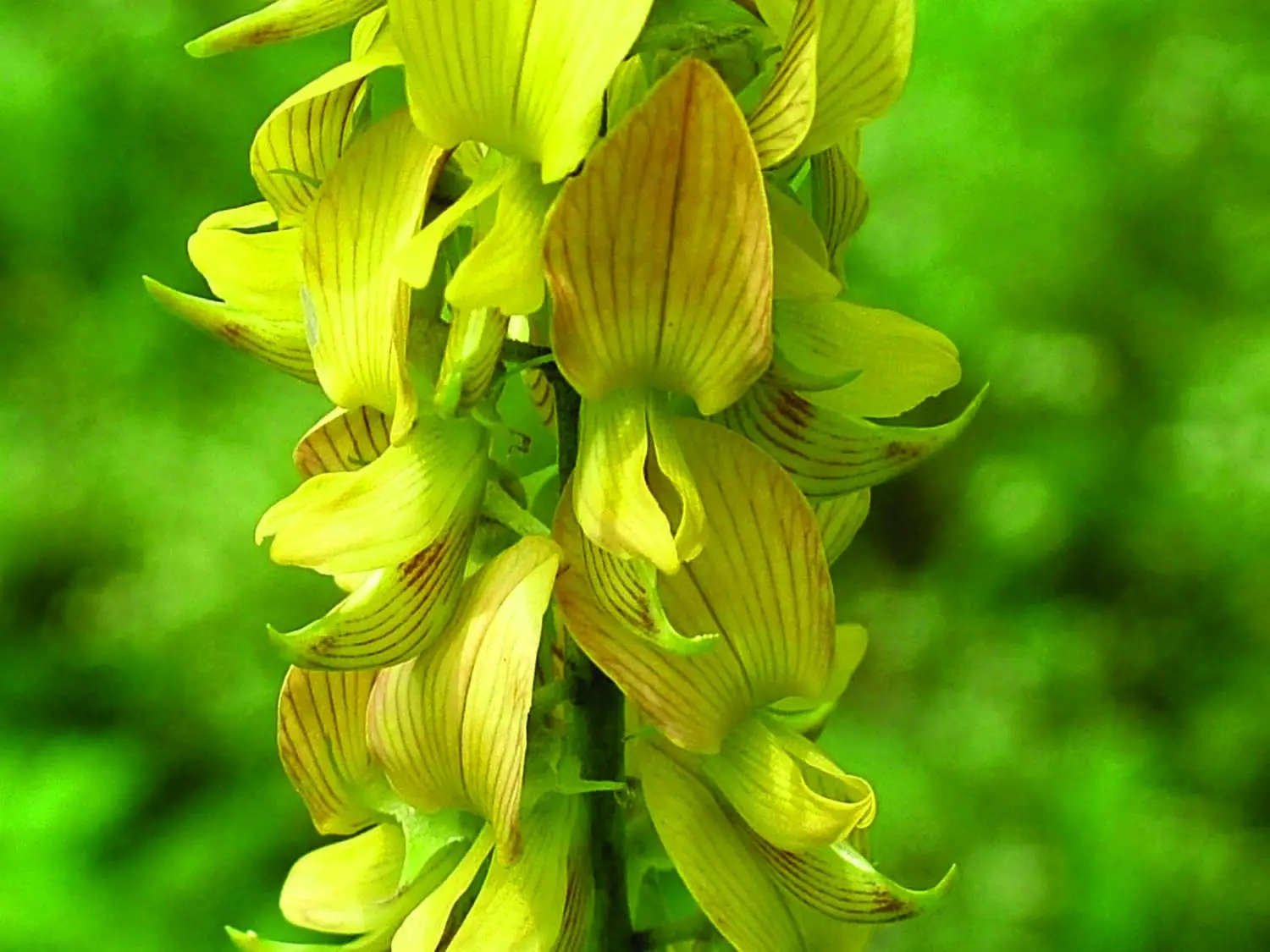
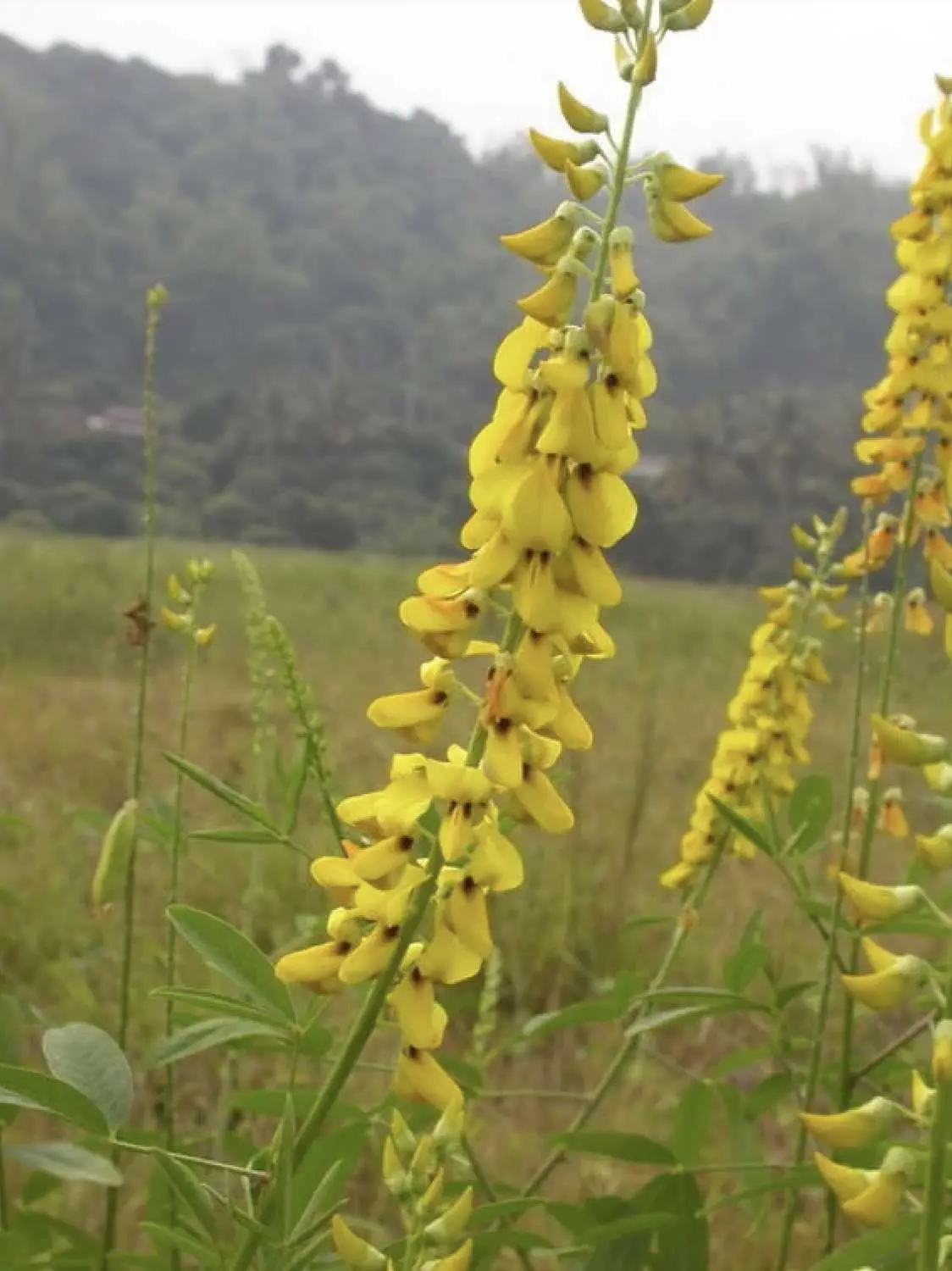
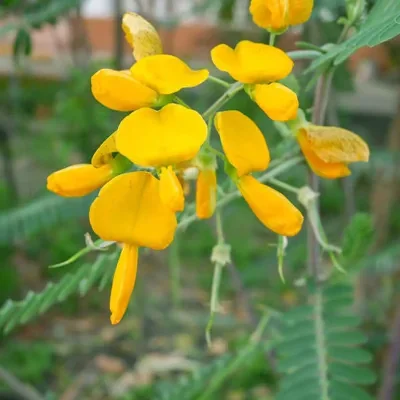
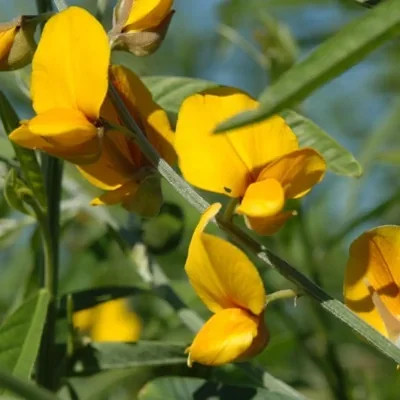
Smooth rattlebox, Crotalaria pallida, is an import from Africa that has naturalized across the tropics and warm temperate zones. All rattlebox species have two things in common: yellow flowers and a pea-pod fruit that rattles when ripe. Smooth rattlebox is an upright plant with leaflets of three, and produces a large, dense spike of showy flowers at the end of the stem. The stout stem is hairy and has longitudinal grooves. The visual effect is striking: tall, architectural growth crowned with golden-yellow flower spikes that magnetize pollinators.

Here’s where Crotalaria pallida becomes genuinely thrilling: Crotalaria species add nitrogen and organic matter to improve soils, and the yield of the crops following them. This happens through biological nitrogen fixation—the plant partners with soil bacteria in its roots to capture atmospheric nitrogen and convert it into usable plant food. C. pallida is used as a ground cover and a green manure crop throughout the humid tropics. In tea, rubber and coconut plantation in Sri Lanka and South-Earth Asia, and in cocoa plantations in West Africa, it is used as a green manure and planted in the interrows to reduce erosion. C. pallida replaced the more toxic Crotalaria spectabilis Roth in the south-earth United States and was grown extensively for soil sanitation and as a green manure crop until the 1960s. Plant it, grow it, cut it back, and watch your soil transform—no synthetic fertilizer required. Beyond soil restoration, this plant offers multiple bonuses: Its flowers are eaten as a vegetable in Cambodia, where the seeds are roasted and grounded for use as a sort of coffee beverage. Traditional medicine recognizes the health benefits of Crotalaria pallida, with its roots being applied as a poultice to reduce swelling of joints and its leaves taken as an extract to expel intestinal worms. It’s used medicinally to treat urinary problems, reduce fevers and inflammation.

Growing Crotalaria pallida is refreshingly straightforward. This hardy plant is easy to grow and will tolerate harsh sites, poor soils, drought, and even a short freeze of temperatures at least down to 30s F. Crotalaria pallida thrives in bright, direct sunlight and prefers moderate temperatures. It should be watered when the soil partially dries out, and it benefits from moderate humidity levels. This plant prefers well-draining loamy soil. It can tolerate a range of soil types but performs best in soil that retains some moisture without becoming waterlogged. Good drainage is essential to prevent root rot. Sunshine is one of the most important things for the Smooth Rattlebox, as it has a preference for full sun, and too much shade can reduce flowering and lead to a smaller shrub. The Smooth Rattlebox requires only minimal pruning and maintenance, with regular fertilizing and deadheading of flowers to prevent too much of the plant’s energy from being taken up by seed production. It is suitable for growing in USDA Zones 8-11, and can even take some cold temperatures in its mature form. The plant grows rapidly—a real gratification for seed growers.

This is a plant that asks so little and gives so much. Whether you’re regenerating depleted soil, fe

Germination Guide

🌍 Tropical Africa, Andaman Islands, India, Nepal, Myanmar, parts of Asia
Easy

Crotalaria pallida is a legume from tropical Africa and Asia that exhibits physical seed dormancy due to an impermeable seed coat. Germination is quick after proper treatment and initial growth is slow, but the plant establishes well once developed. This nitrogen-fixing species is widely cultivated as a green manure crop and ground cover in tropical regions.

Germination
Germination time
Expect germination in

6 – 25 days

Temperature

Min 20°C
Ideal 25°C
Max 30°C

Light
☁️ Indifferent

Substrate moisture
💧 Medium

Sowing depth
2 cm +

Germination rate
70 %


Seed Pre-treatment
  • 💧

    Soaking — 12 hours
    Pre-soaking seed for 12 hours in warm water can help reduce germination time. Most seeds will swell when soaked.
  • 🔨

    Hot water scarification
    Soak in hot tap water and let stand in water for 24 hours. Repeat process on seeds that did not imbibe. Hot water treatment improves germination rate significantly.
  • 📋

    Additional notes
    Hot water scarification is the recommended pre-treatment. Seeds have a hard, impermeable seed coat causing physical dormancy.

Substrate & Container
Recommended substrate
Well-drained seed sowing mix, sandy loam to clay loam soils

Recommended container
Seed trays or individual pots for nursery propagation


Growing Tips
Use fresh seeds when possible as they have higher germination rates than stored seed. Soak seeds in hot (not boiling) tap water for 24 hours; if seeds fail to swell, repeat the process or gently scarify with sandpaper. Sow immediately after seeds swell. Plant at 15cm or greater height. Water moderately and maintain humidity. Seedlings may be transplanted to individual pots once large enough to handle. This plant tolerates poor soils and harsh sites.

Reviews

There are no reviews yet.

Only logged in customers who have purchased this product may leave a review.

Related Products