Description
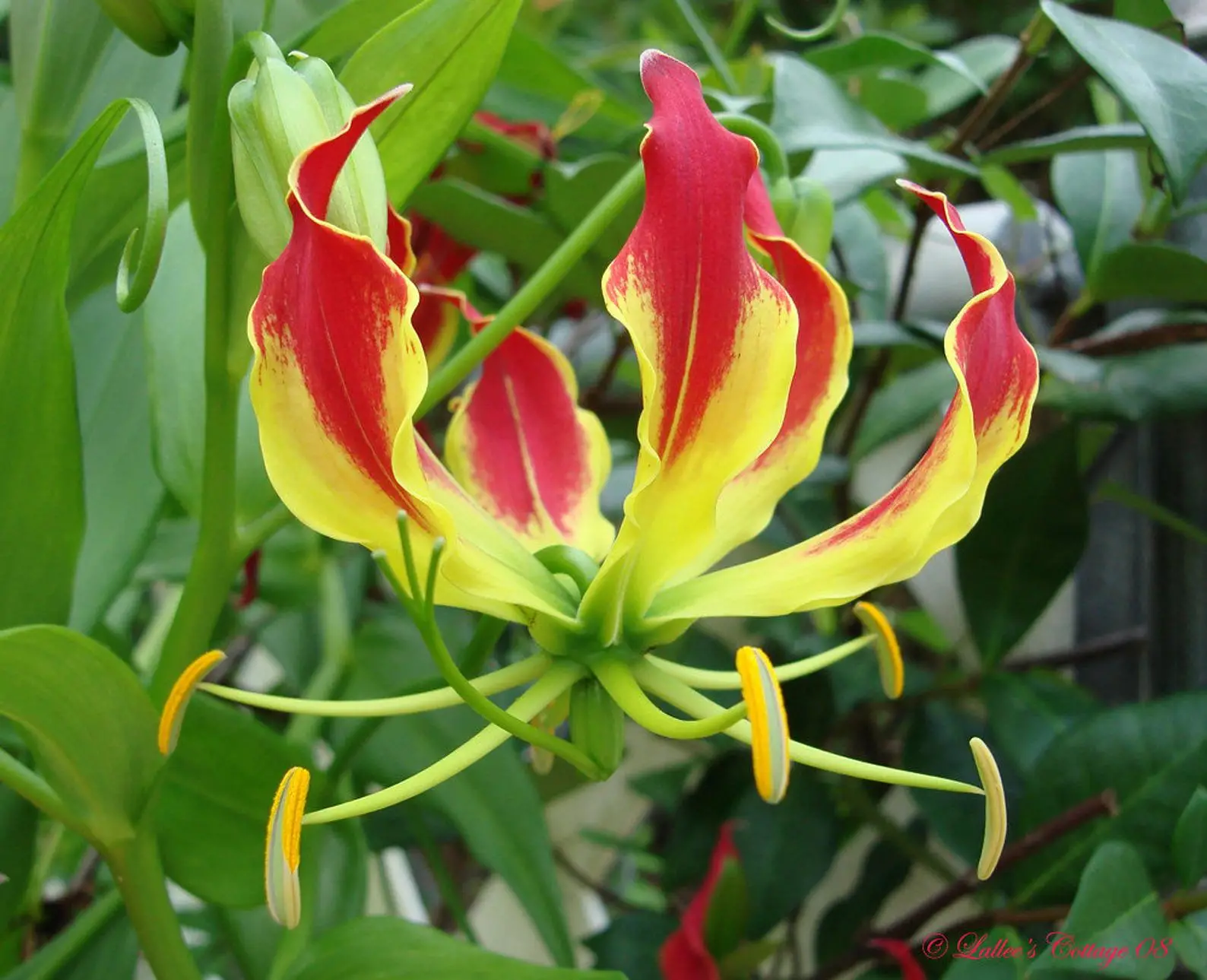
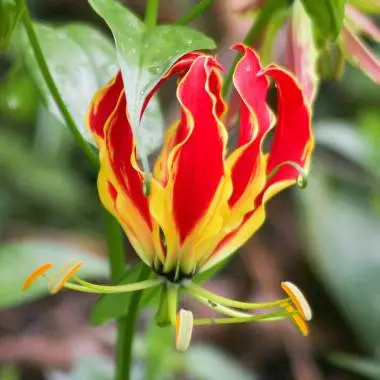
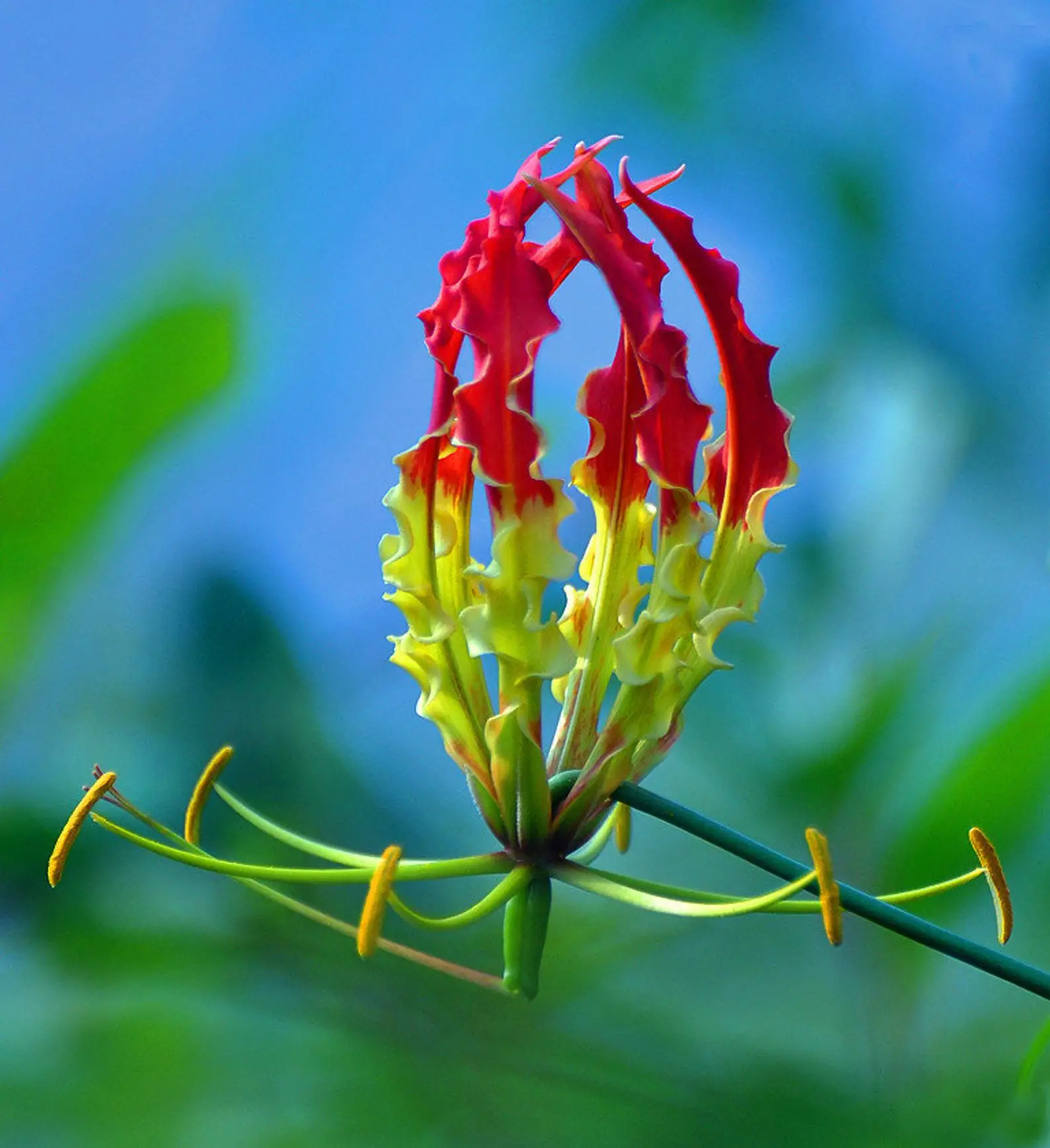
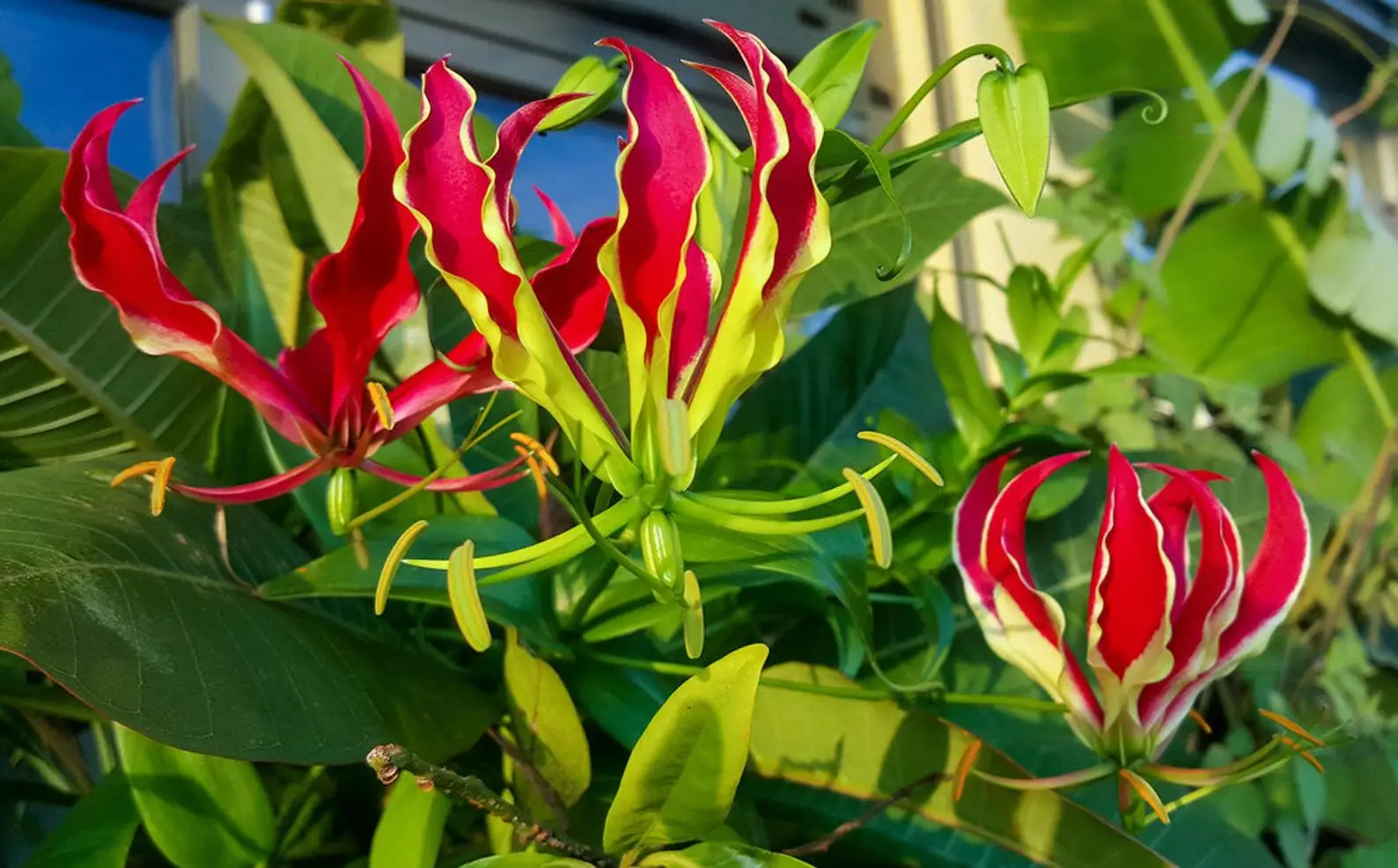
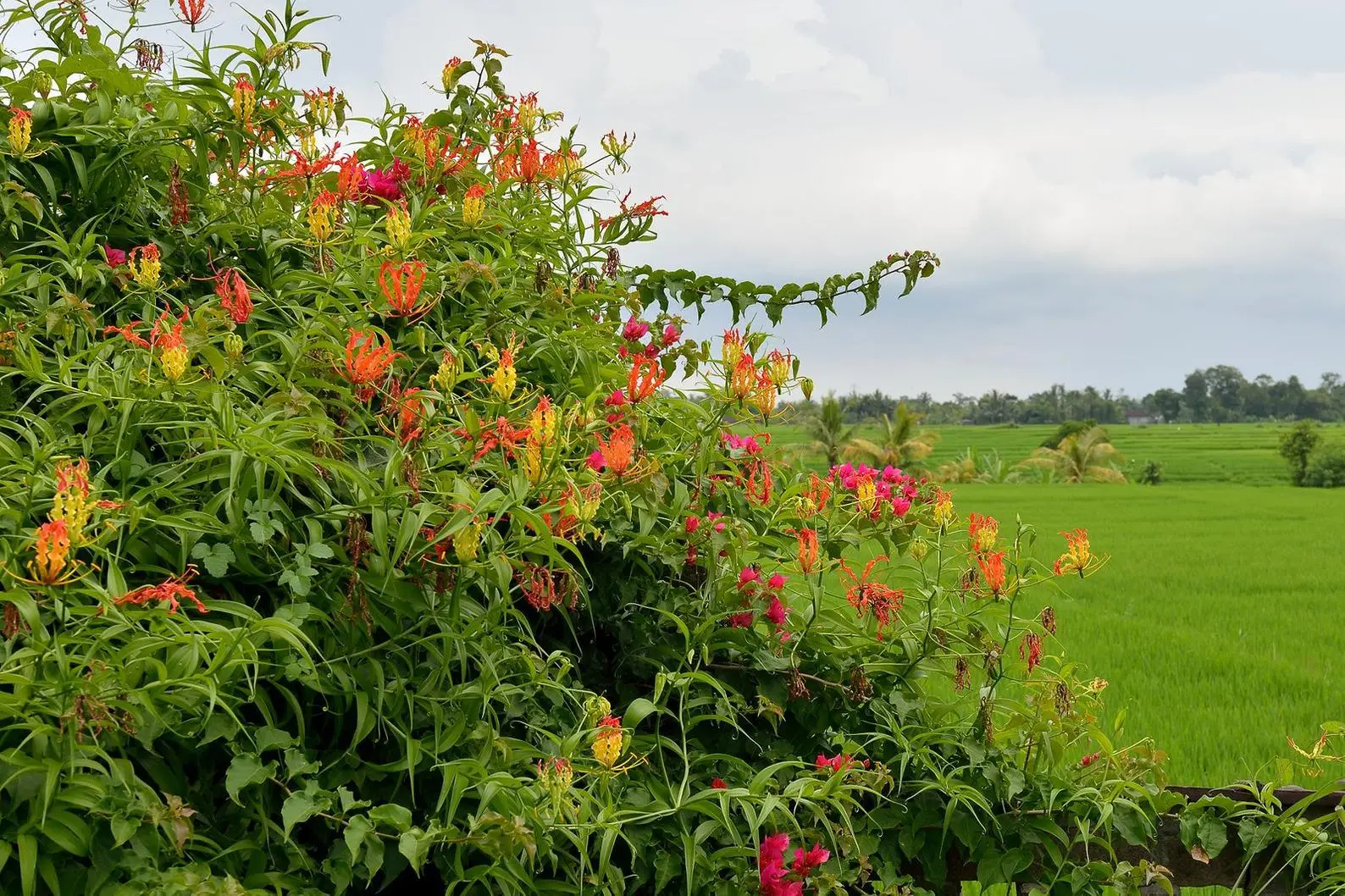
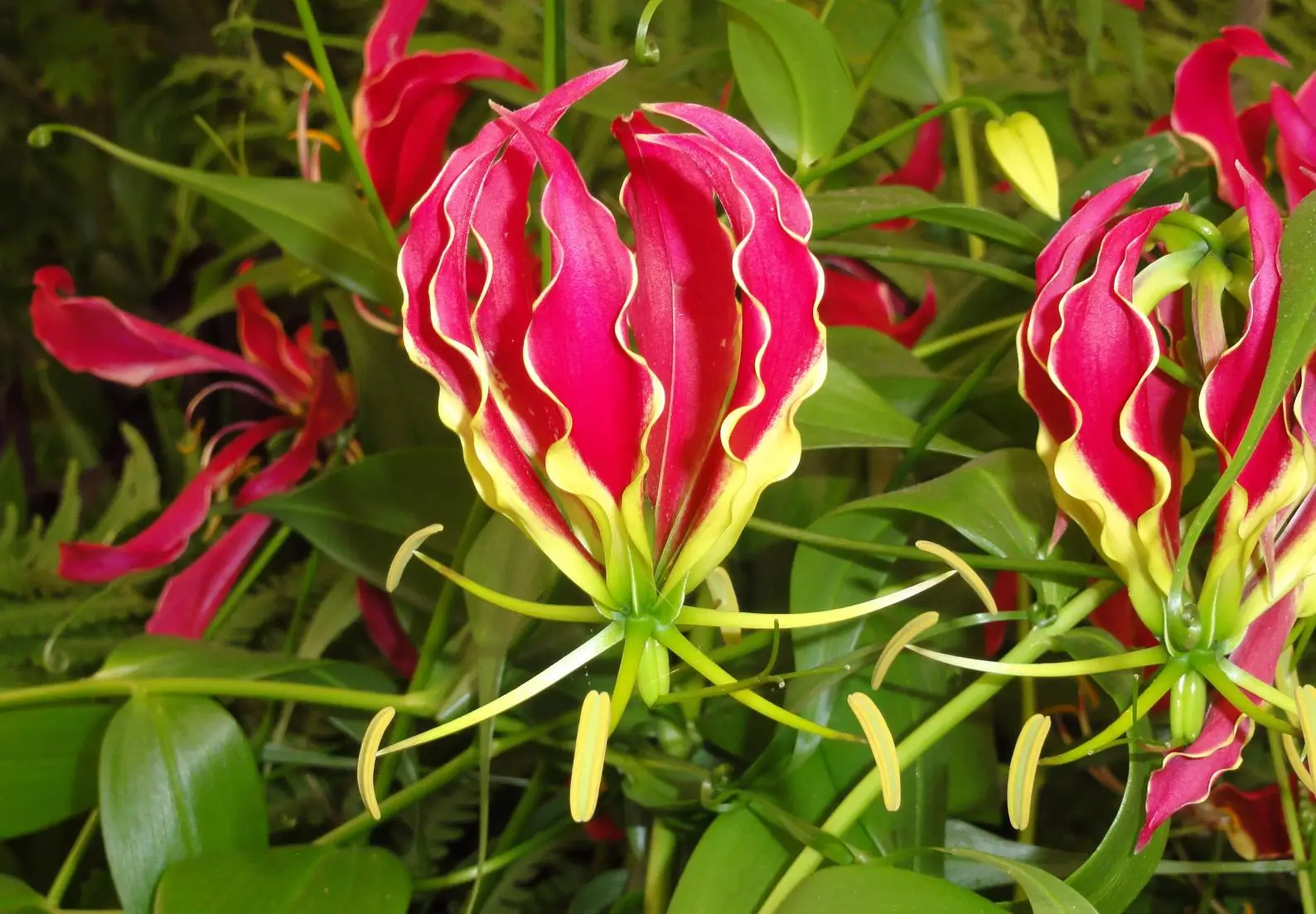
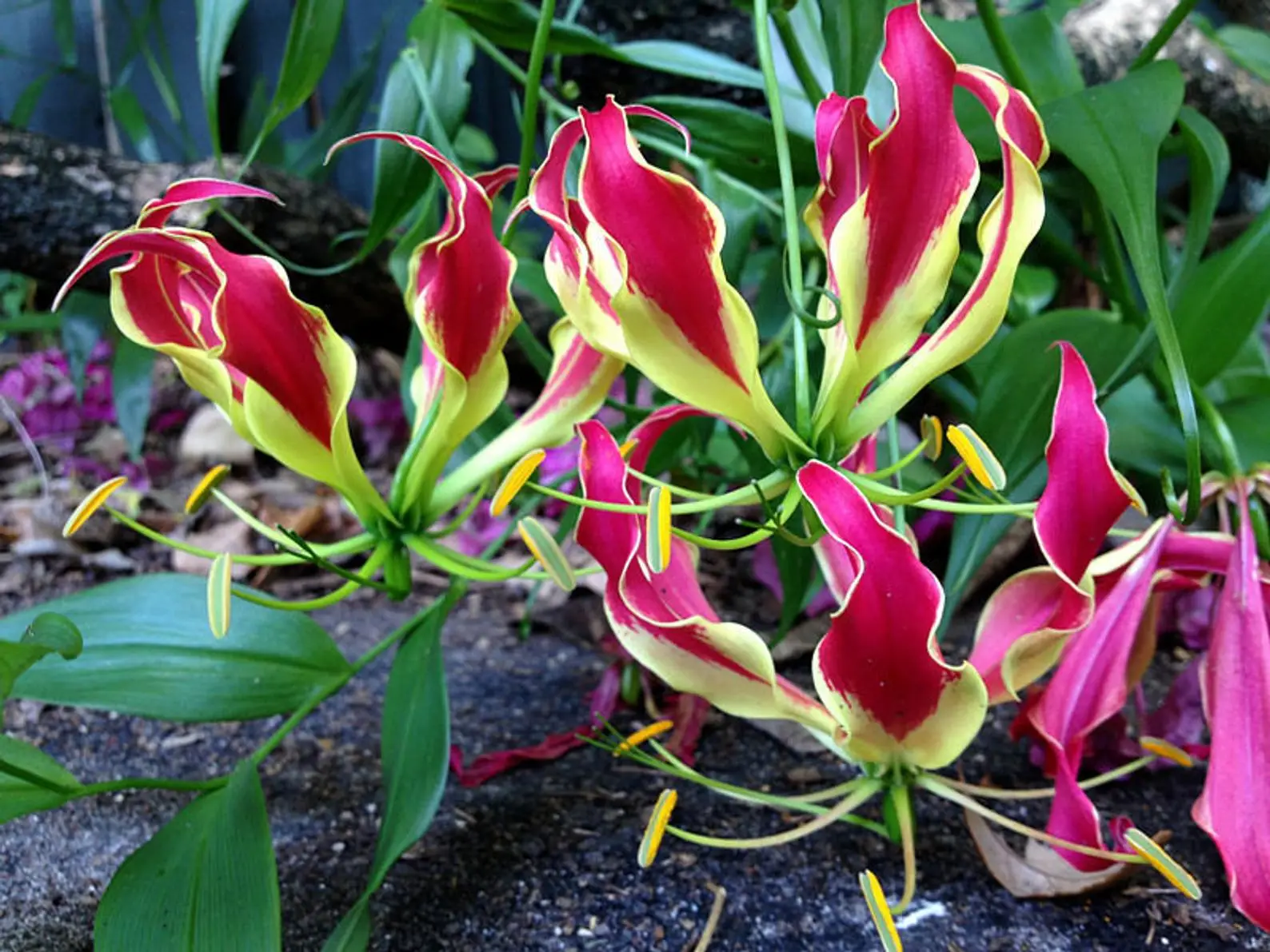
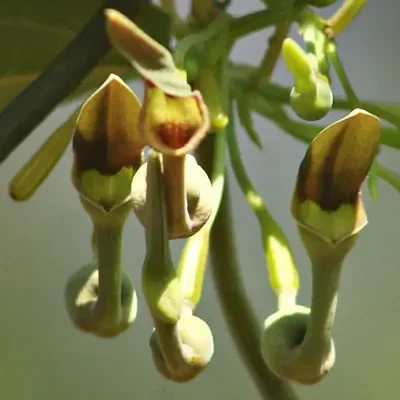
Widely distributed troughout tropical Africa and Asia, this climbing, dry deciduous perennial with an underground rhizome is related to lilies. It is widely popular for its beautiful red and yellow flowers.
Germination Guide
🌍 Tropical and southern Africa, Madagascar, Indian subcontinent, and tropical Asia
Difficult
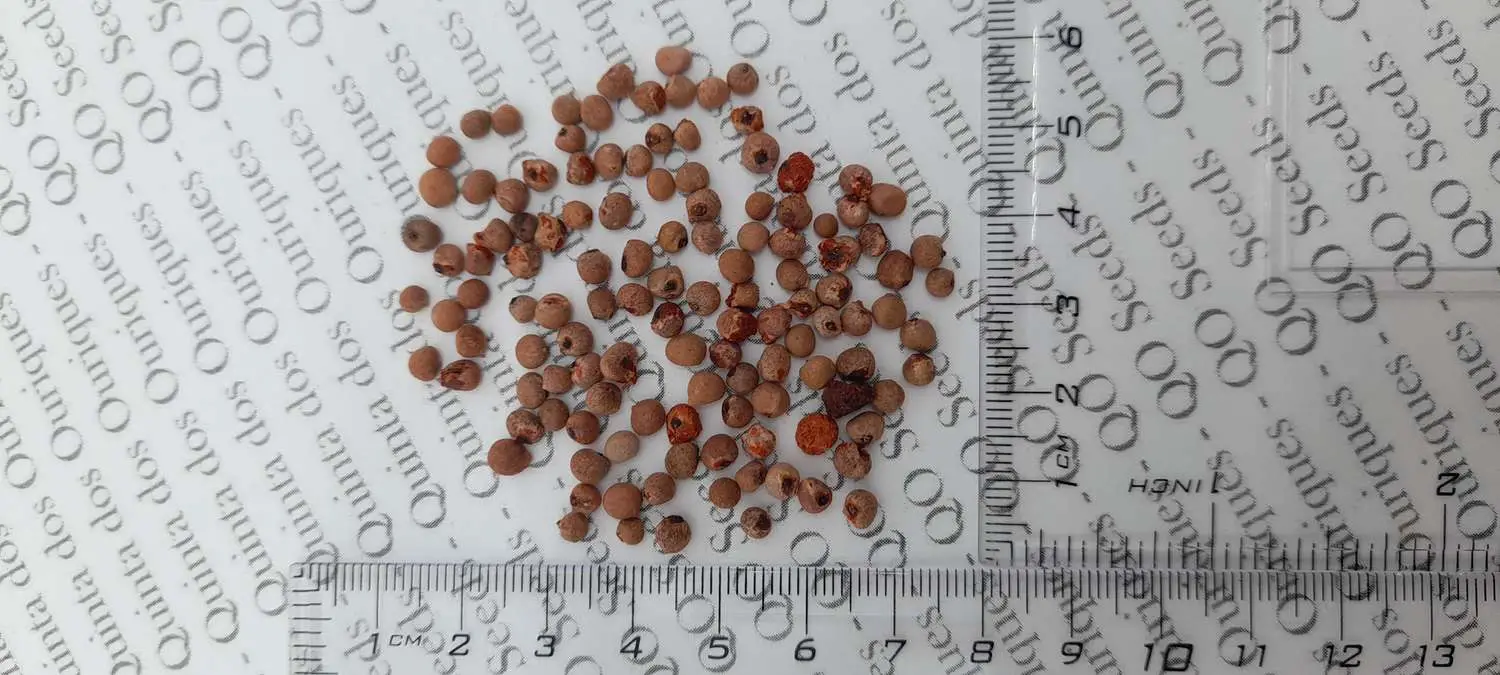
Gloriosa superba, commonly known as Flame Lily or Glory Lily, is a tropical climbing plant native to Africa and Asia, prized for its striking red and yellow flame-like flowers. All parts of the plant, especially tubers, contain high levels of the toxic alkaloid colchicine and are extremely poisonous if ingested. Seeds have dormancy and erratic germination, requiring specific pretreatment strategies to achieve viable seedling development.
Germination
Germination time
Expect germination in
14 – 365 days
Temperature
Min 20°C
Ideal 23°C
Max 25°C
Substrate moisture
💧💧 High
Seed Pre-treatment
-
💧
Soaking — 24 hours
Soak scarified seeds in warm water for 24 hours or more. Soaking after scarification significantly improves germination success.
-
🔨
Mechanical scarification
Mechanical scarification with sandpaper removes sarcotesta layer, significantly improves germination rates to over 85%
-
❄️
Warm stratification — 90 days at 24°C
-
📋
Additional notes
Place mechanically scarified and water-soaked seeds in moistened peat or sphagnum moss in a container at 20-25°C (68-77°F) for 2-3 months. Alternatively, store seeds in zip-lock bag with enriched peat substrate over warm location (back of refrigerator) for stratification period.
Substrate & Container
Recommended substrate
peat or sphagnum moss enriched seed-starting compost with perlite for drainage
Recommended container
zip-lock bag or sealed container
Growing Tips
Mechanical scarification followed by 24-hour water soaking is essential—non-scarified seeds show dramatically lower germination rates. Seeds require warm temperatures (20-25°C) during warm stratification period; temperatures above 25°C reduce germination. Use fresh seeds; viability declines significantly after 2 years storage. Keep substrate moist but not waterlogged during germination. Germination is highly erratic, ranging from 14 days to 12 months, with some seeds remaining dormant for extended periods. Light is not required during germination. Seedlings are slow-growing and sensitive; provide bright, warm, sheltered conditions after germination. The species is National Flower of Zimbabwe and is increasingly monitored for conservation due to overharvesting.
Only logged in customers who have purchased this product may leave a review.

Reviews
There are no reviews yet.