Description
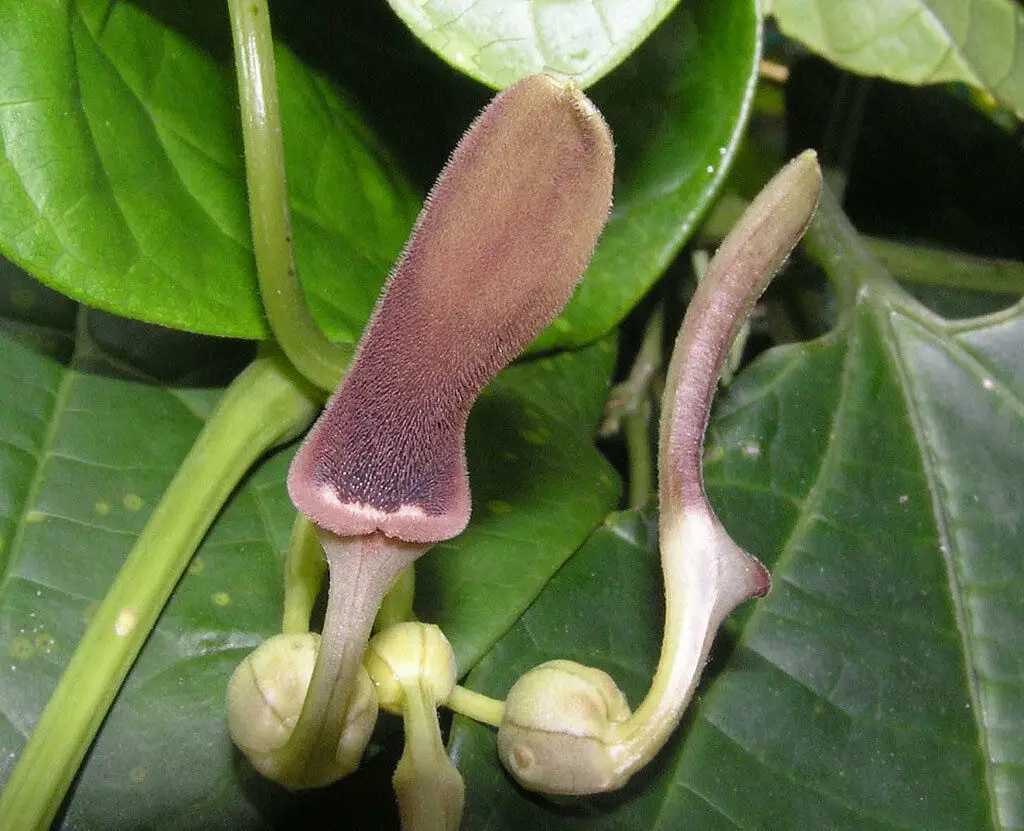
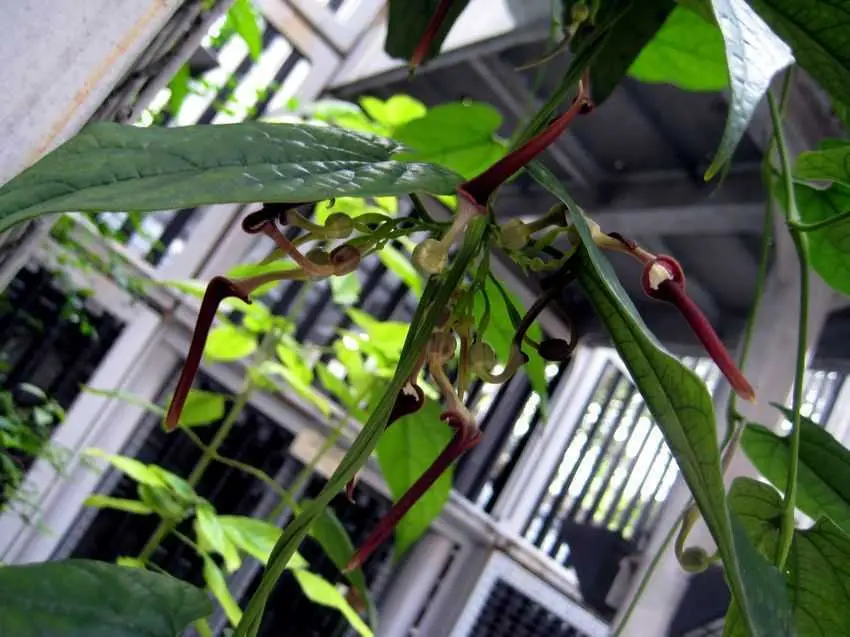
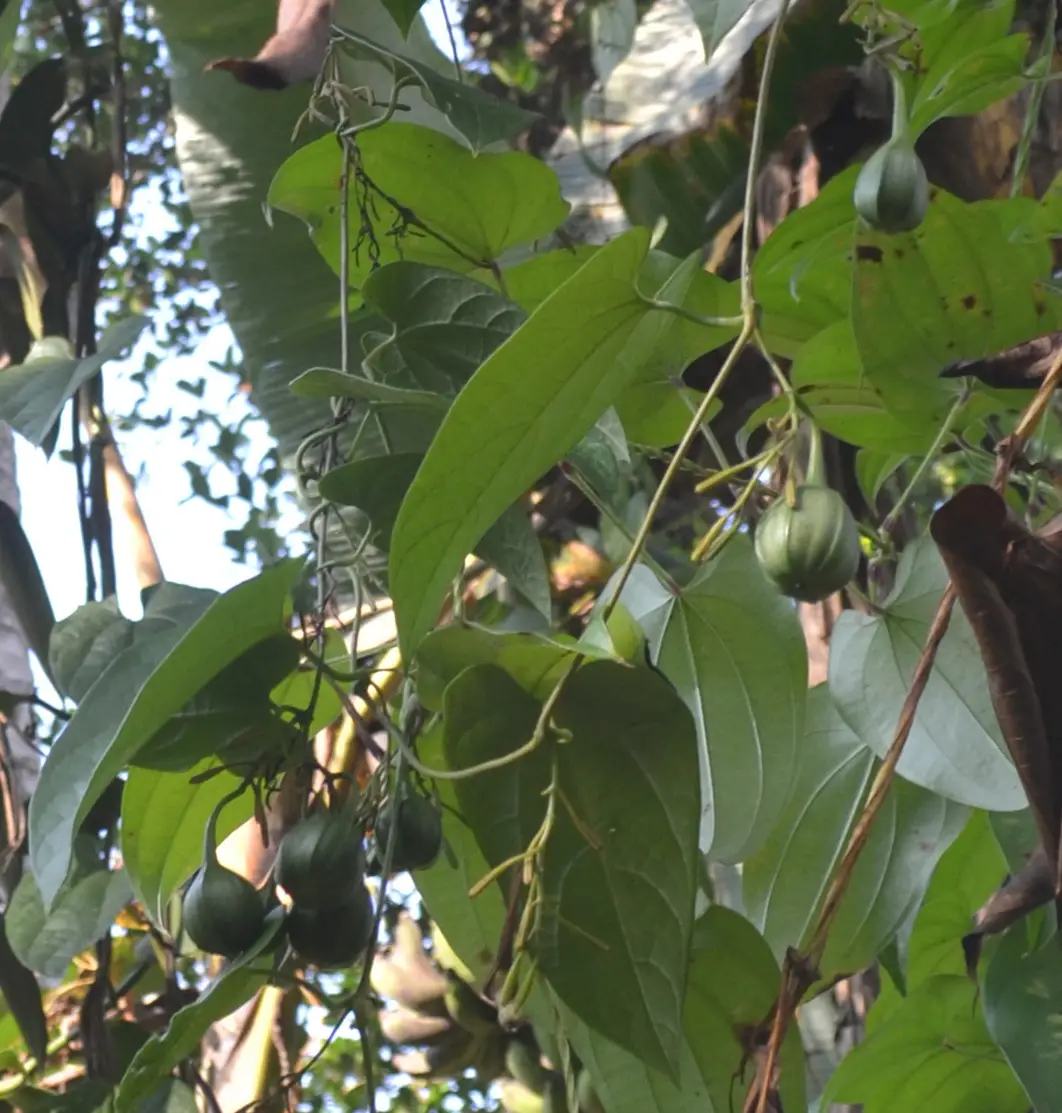
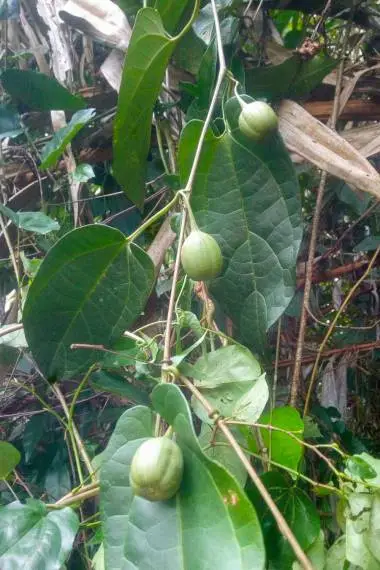
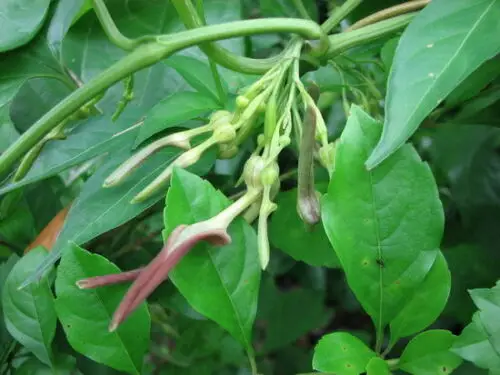
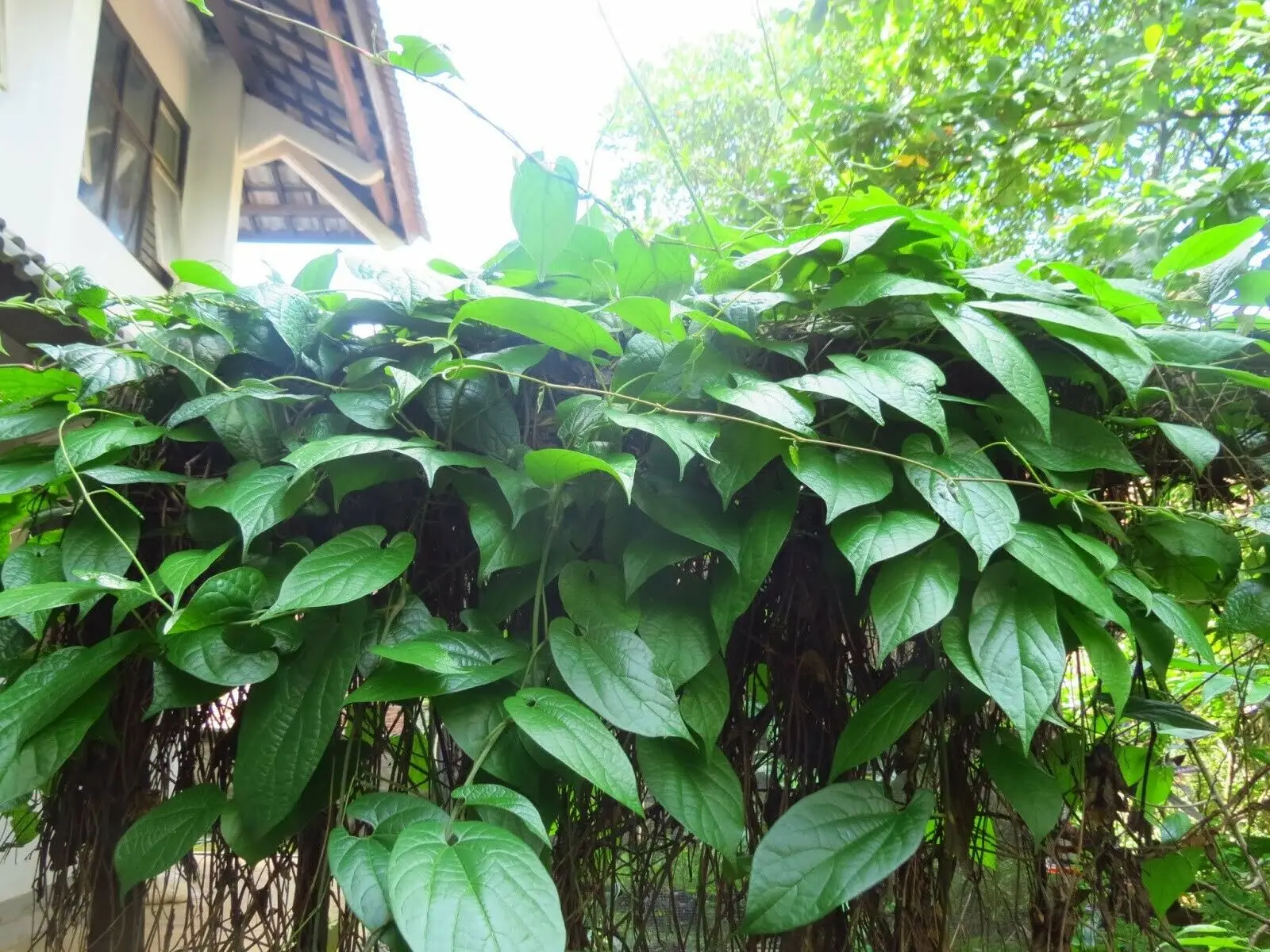
Aristolochia tagala is commonly known as Indian birthwort and locally as Dutchman’s pipe.
The species is used as medicines. The Malays pound the leaves apply it to the head to treat fever. In Indonesia, poultice are made with leaves of the species; it is applied to the swollen abdomen or limbs. In the Philippines, snake bites and malaria are treated with the plant. In India, the roots are considered a tonic, carminative and emmenagogue.
Germination Guide
🌍 Southeast Asia (Himalaya to Sri Lanka, Myanmar, Indonesia, Thailand, China, Philippines, Oceania)
Moderate
Aristolochia tagala (Indian Birthwort/Dutchman's Pipe) is a tropical evergreen vine native to Southeast Asia. Seeds feature underdeveloped embryos requiring pre-treatment for successful germination.
Germination
Germination time
Expect germination in
14 – 28 days
Temperature
Min 21°C
Ideal 24°C
Max 27°C
Substrate moisture
💧 Medium
Sowing depth
Lightly covered
Seed Pre-treatment
-
💧
Soaking — 24 hours
Soak in room temperature water for 24 hours; chemical treatment with thiourea 2.0% can achieve 70.57% germination
-
🔨
Mechanical scarification
Scarify seed coat with sandpaper or sharp knife
-
📋
Additional notes
Seeds have underdeveloped linear embryos; scarification and water soaking improve germination rates
Substrate & Container
Recommended substrate
Well-draining seed starting mix (peat moss and perlite blend); 1 part perlite to 5 parts potting soil
Recommended container
Seed trays or small pots with drainage
Growing Tips
Bottom heat speeds germination. Keep soil consistently moist but not waterlogged. Avoid overwatering after establishment. Provide indirect sunlight initially. Seedlings ready to transplant after developing true leaves.
Only logged in customers who have purchased this product may leave a review.

Reviews
There are no reviews yet.