FREE SHIPPING OVER €30 FREE SHIPPING OVER €30

Ficus semicordata — Drooping Fig | Sweet Healing Figs on Graceful Weeping Branches

Grow the legendary Drooping Fig—a living sculpture that produces masses of nutrient-rich, sweet-tart figs while draping branches toward the earth like a botanical embrace. This Asian treasure has been used for centuries in traditional medicine and tastes like wild gooseberries. Easy to moderate; thrives indoors or as a tropical specimen, responding beautifully to seeds.

1.92

SKU: P-2029 Categories: , Tags: ,

You May Also Like

Description

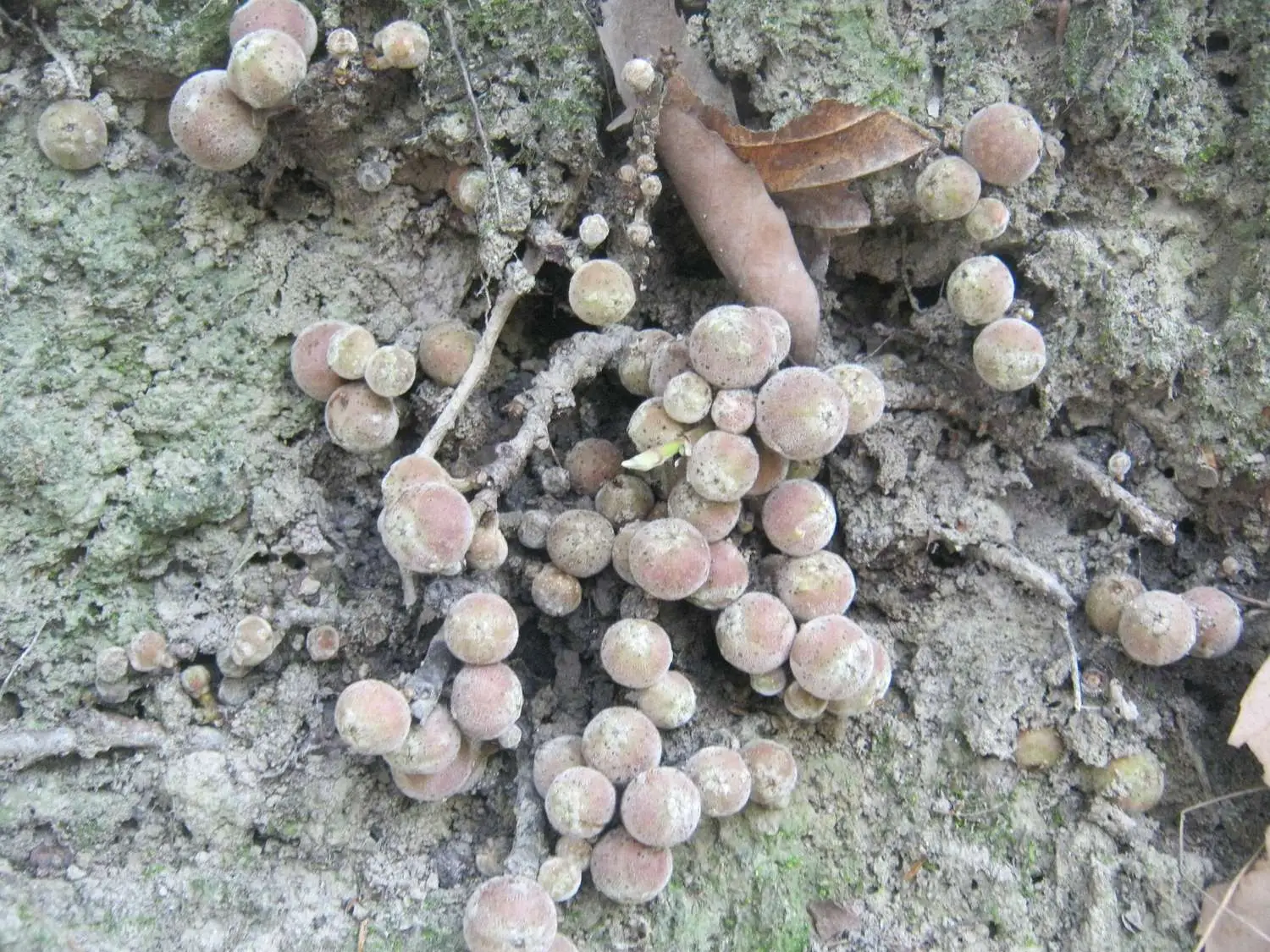
There is something profoundly alive about a Drooping Fig in full fruit: the way its branches weep earthward under the weight of dozens of green-to-reddish figs, like a tree caught mid-bow of gratitude.

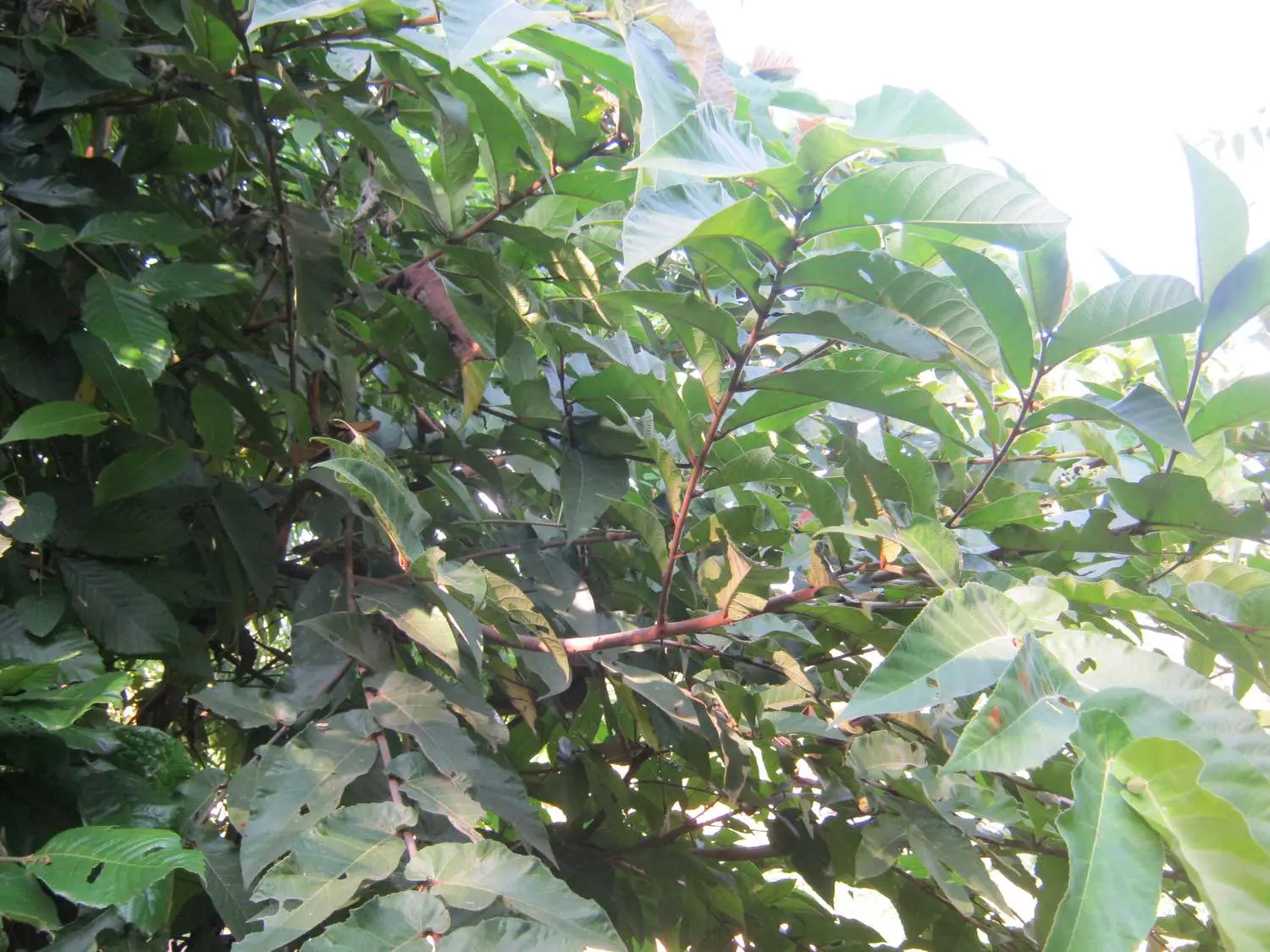
Ficus semicordata—also called by its Sanskrit name Kakodumbara, the “ground fig” because its heavy fruit heads often rest on soil—originates from the mountainous regions of the Indian subcontinent, Pakistan, Nepal, and across Southeast Asia. For centuries, it has been revered not as an ornamental curiosity, but as a multipurpose ally: food, medicine, fodder, material. The plant has woven itself into the fabric of traditional Asian culture, its semi-heart-shaped leaves and umbrella-like canopy making it as useful for shade as for nourishment.

But here is where the Drooping Fig becomes irresistible: its fruit. These small, jewel-like figs are edible, prolific, and remarkably medicinal. They carry a delicate sweet-and-sour flavor reminiscent of gooseberries—neither cloying nor bland. More importantly, they are dense with flavonoids, phenols, and tannins. In Ayurvedic and traditional Indian medicine, these fruits have been used to address gastrointestinal complaints, fevers, inflammatory conditions, and metabolic imbalances. The leaves, too, are edible when young and cooked as vegetables. The bark yields fiber for rope-making. And if you grow a female tree, you will be rewarded each season with cascades of these nutrient-packed fruits, hanging like emerald and ruby lanterns. This is not decoration. This is abundance with purpose.

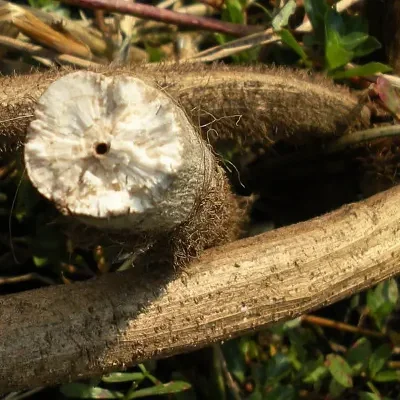
Growing the Drooping Fig is refreshingly straightforward. The tree is naturally adaptable—it tolerates tropical heat, subtropical cool spells (down to near freezing), and even partial shade, though it prefers full sun. Seeds germinate steadily with patience and warmth. Plant in well-draining, nutrient-rich soil; keep moisture consistent during the growing season. Young plants are wonderfully compact and thrive in pots, making them ideal for patios, conservatories, or interior gardens in warm regions. Unlike finicky tropical figs, this species responds with vigor to modest care. It can be shaped and pruned into bonsai forms if desired, or allowed to sprawl into its natural, graceful weeping habit. Mature specimens develop fascinating thick bark and character, but young seedlings begin producing fruit within a few years of consistent growth.

Imagine standing beneath your own Drooping Fig as it fruits, touching those warm, soft bodies, knowing that what you are harvesting is medicine, food, and tradition all at once. Begin from seed, and you begin a relationship with a plant that has sustained human communities for millennia. This is a tree that teaches patience, rewards attention, and gives far more than it asks.

Germination Guide

🌍 Northeast Pakistan to South China and Peninsula Malaysia; common in Indian subcontinent, Himalayan region
Difficult

Ficus semicordata, commonly known as the drooping fig, is a small to medium-sized tropical fig tree native to the Indian subcontinent, China and Southeast Asia. The species is valued as a fodder tree and produces edible fruit with sweet-sour flavor. Seed germination is challenging and can take 1-9 months, requiring specific conditions including high humidity, consistent warmth, and light exposure.

Germination
Germination time
Expect germination in

7 – 270 days

Temperature

Min 21°C
Ideal 27°C
Max 32°C

Light
☀️ Light required

Substrate moisture
💧💧 High

Sowing depth
Surface

Press seed
👆 Yes

Germination rate
65 %


Seed Pre-treatment
  • 💧

    Soaking — 24 hours
    Hot water or chemical solutions to break dormancy recommended before direct sowing
  • 🔨

    Chemical scarification
    Hot water soak at 65°C for 10 minutes; or diluted bleach and vinegar solution (70% warm water, 15% bleach, 15% vinegar) for 12 hours; or GA3 gibberellic acid soak for 24 hours
  • 📋

    Additional notes
    Pre-treatment is necessary to break seed dormancy; seeds are extremely small and very fine

Substrate & Container
Recommended substrate
Well-draining seed raising mix, peat moss, or light porous medium free from pathogens; avoid compacting

Recommended container
Plastic container or tray with humidity dome or plastic wrap cover for moisture and warmth retention


Growing Tips
Seeds must be pre-treated to break dormancy using hot water, chemical solutions or gibberellic acid. Sow on soil surface and press gently for good contact; leave uncovered but maintain constant moisture to prevent drying. Seeds are extremely tiny - use fine, sterile potting mix. Maintain temperature at 25-32°C and high humidity; cover container with plastic to trap warmth and moisture. Once germination begins, gradually open container to allow air circulation over 1-2 weeks. Provide bright, indirect light; avoid direct sun. Transplant seedlings with 2-4 true leaves into individual containers. Young plants prefer partial shade but tolerate full sun when mature.

Reviews

There are no reviews yet.

Only logged in customers who have purchased this product may leave a review.

Related Products