
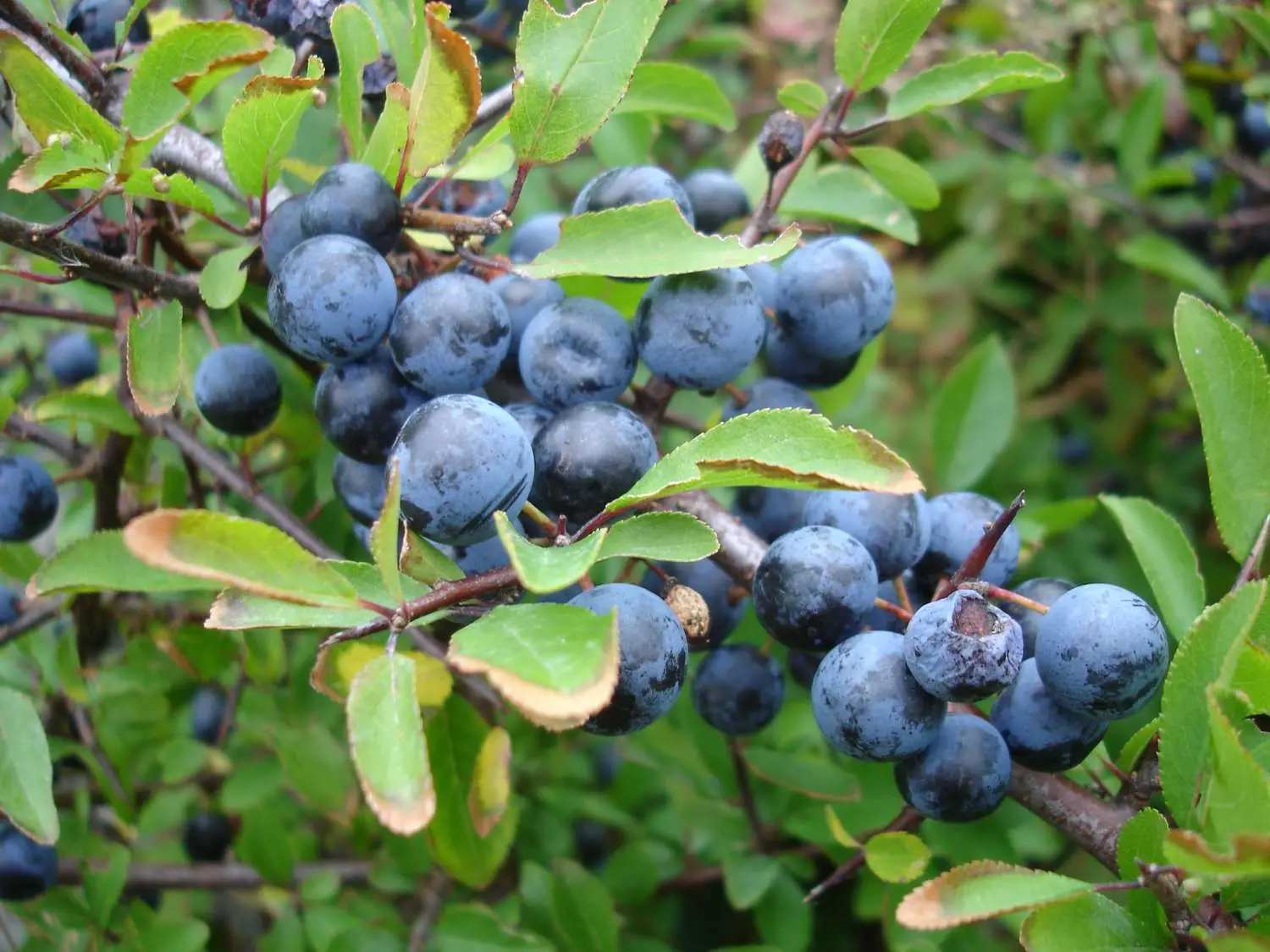
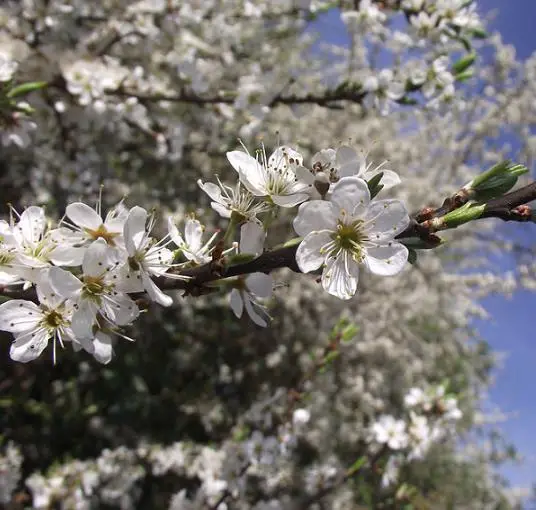
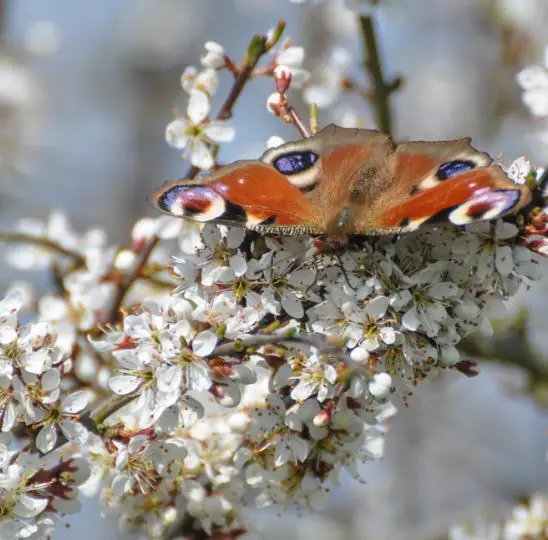
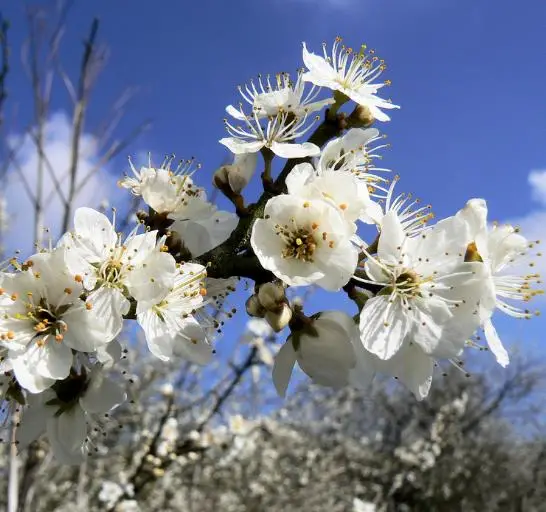
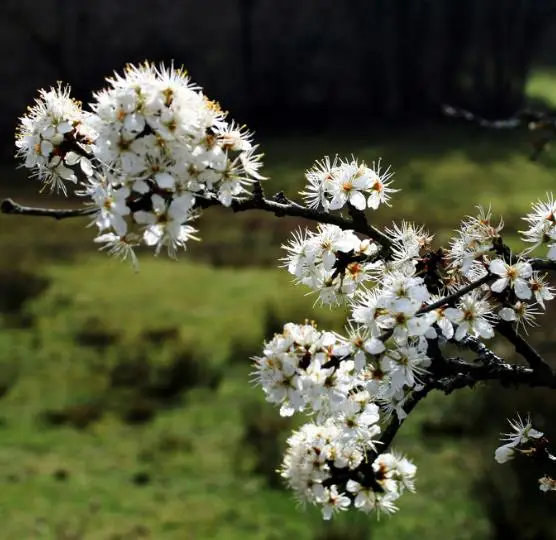
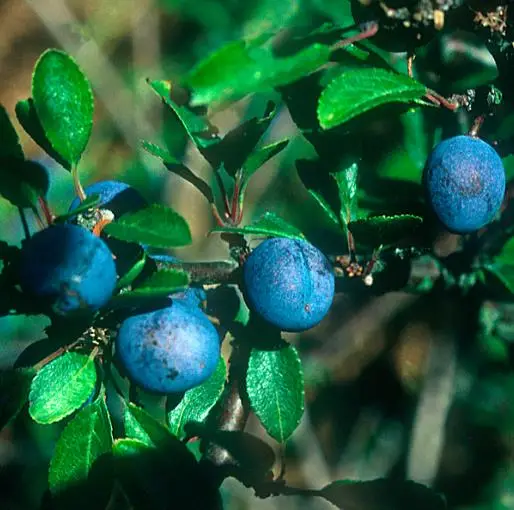
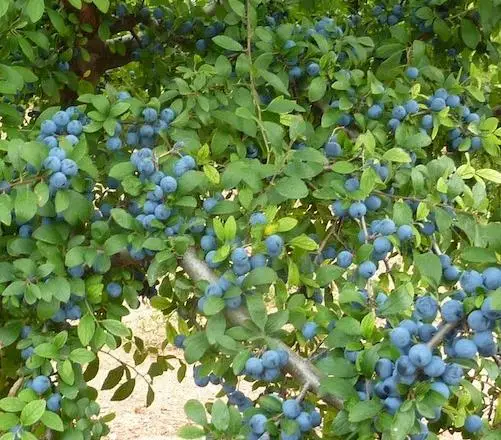
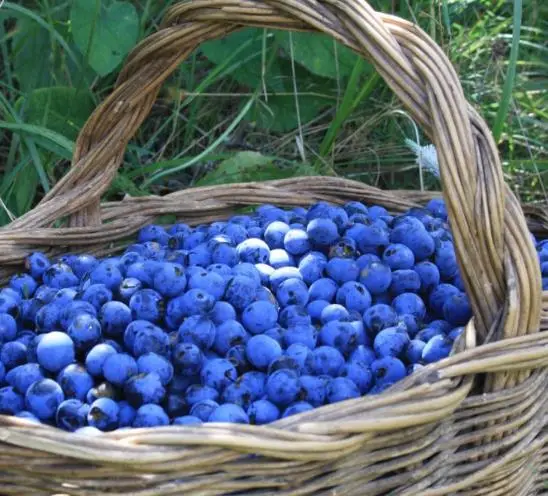
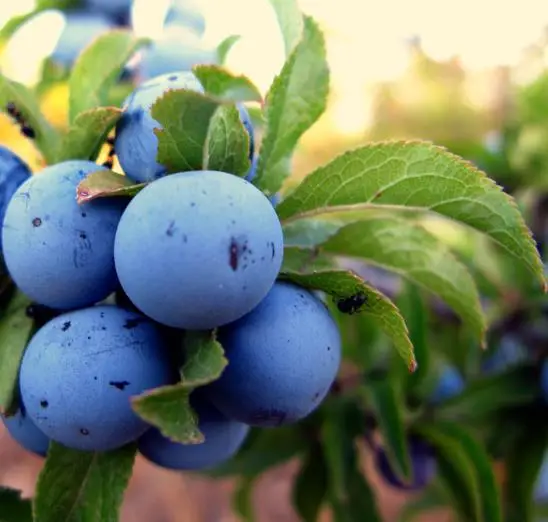
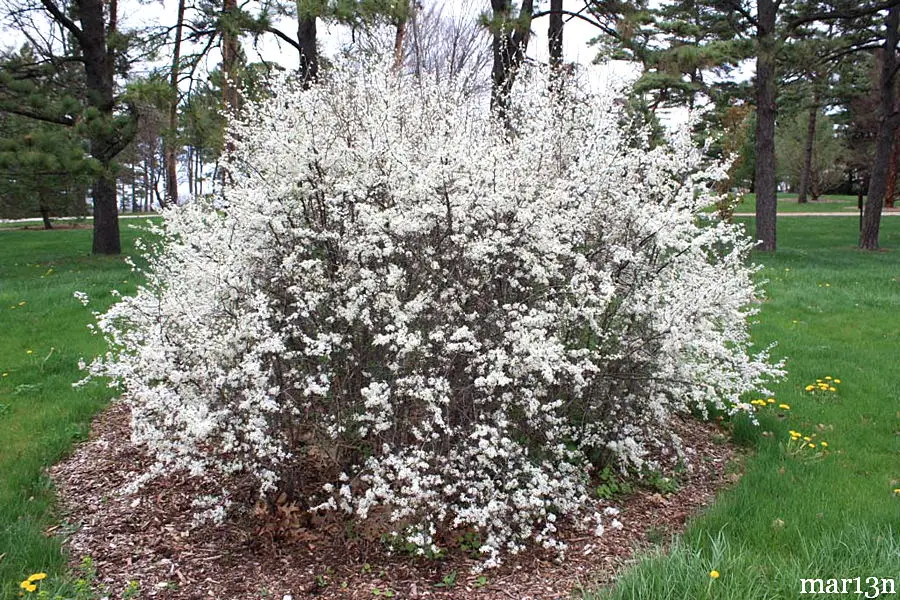
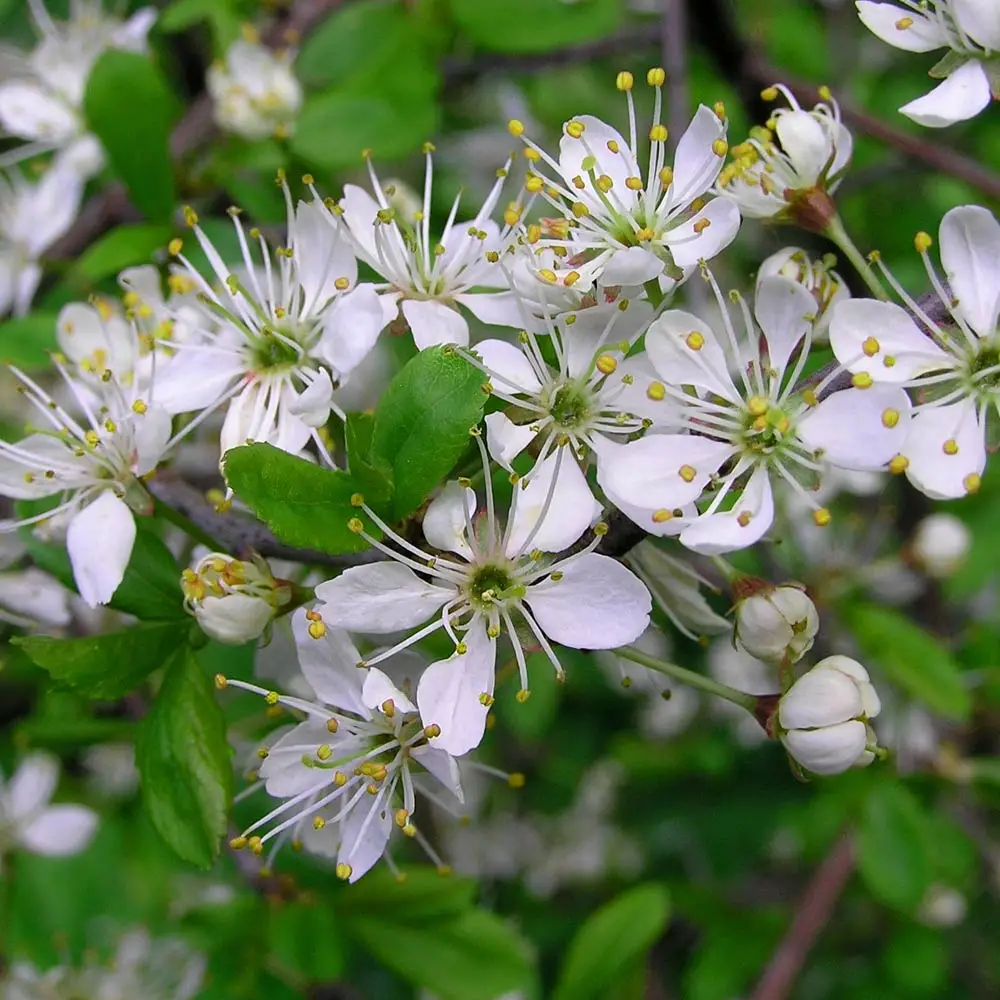
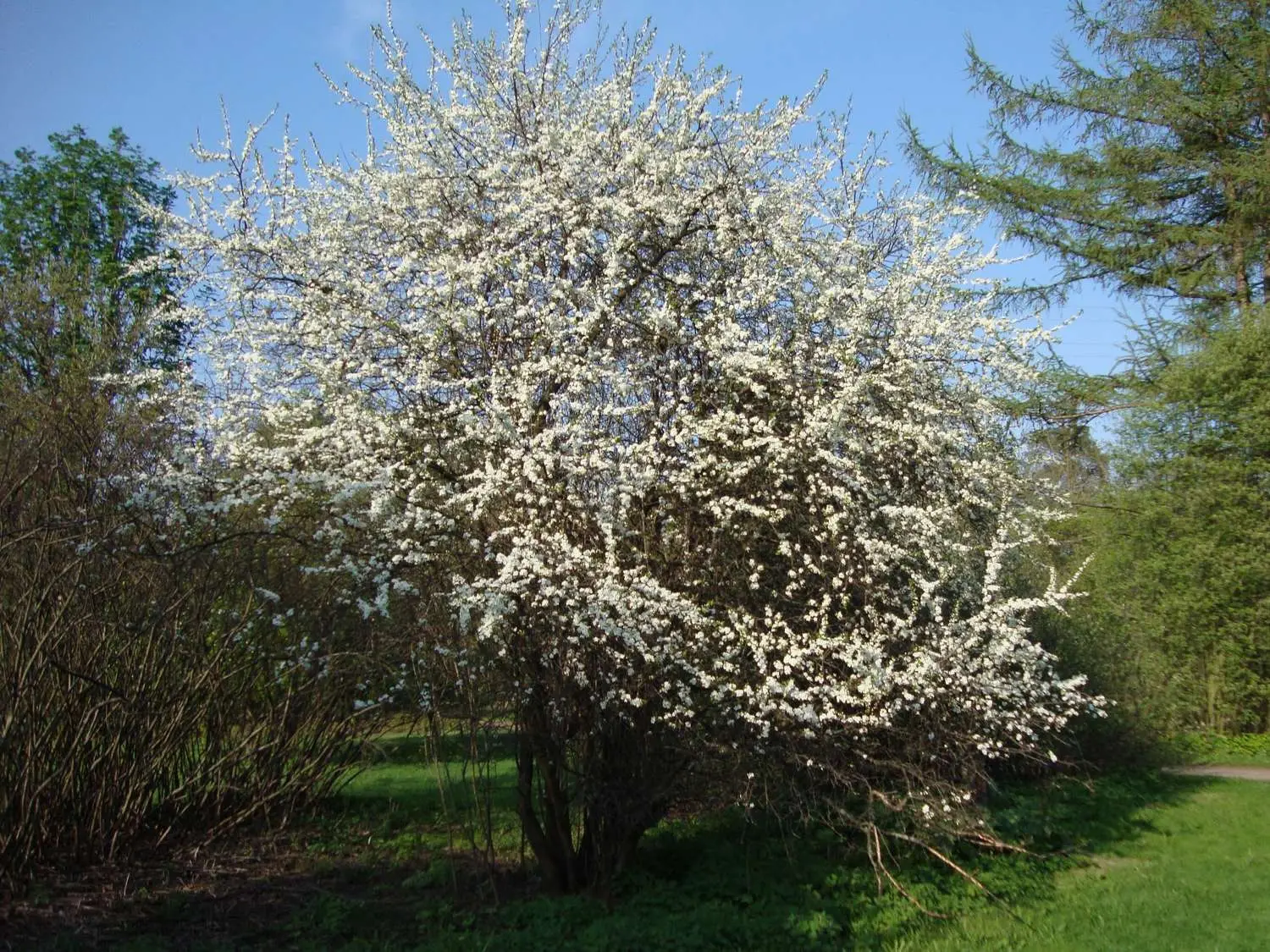
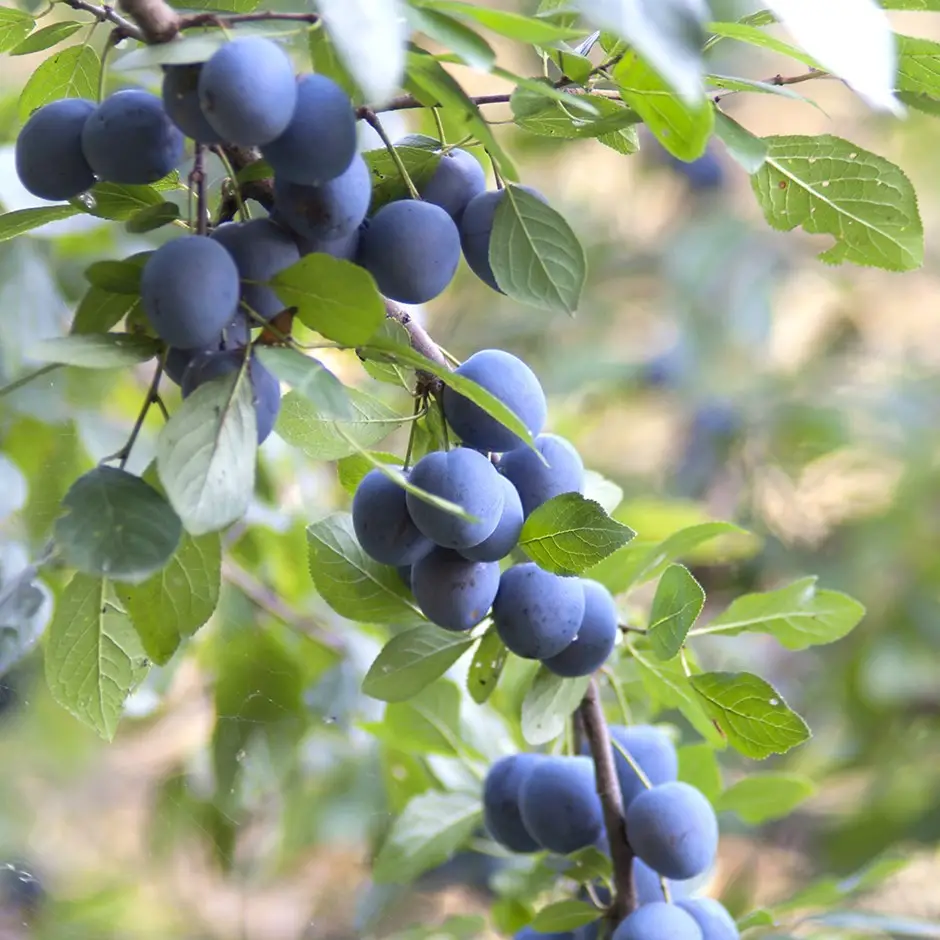
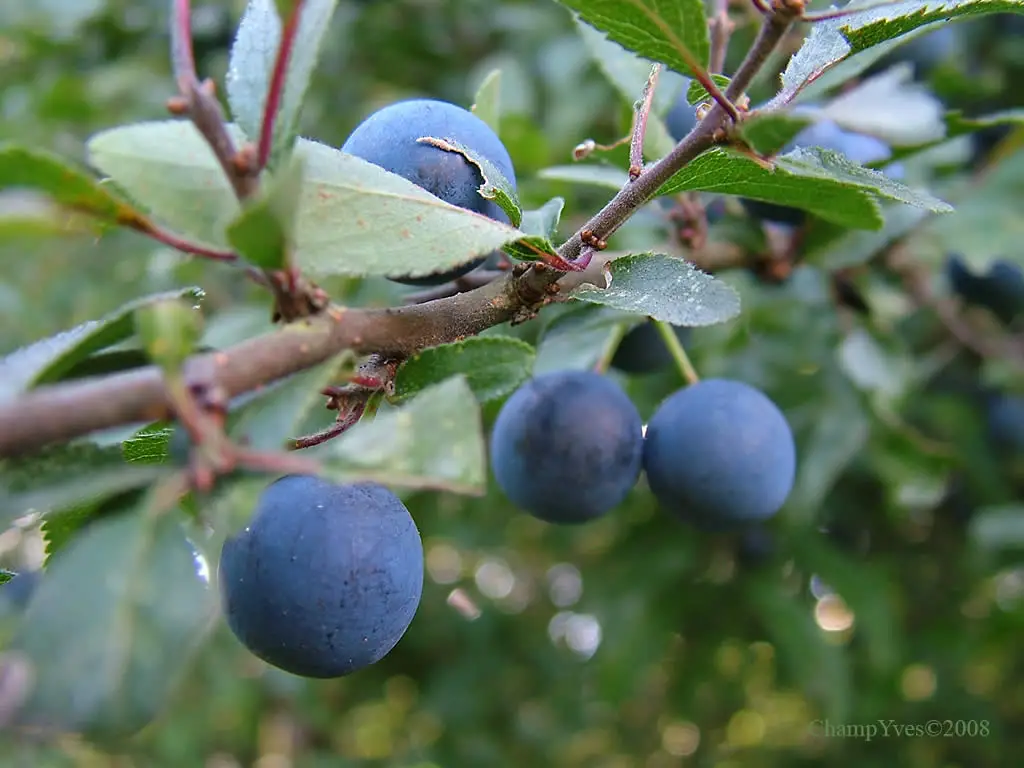
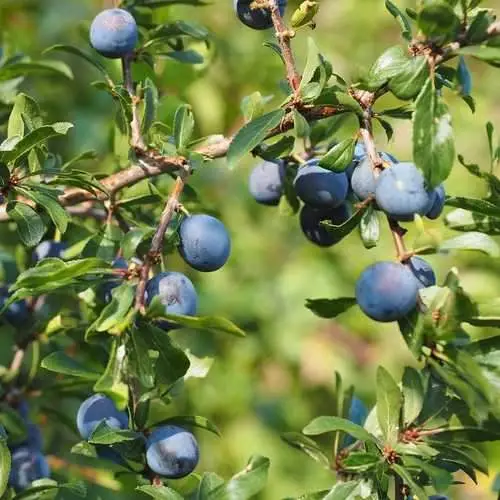
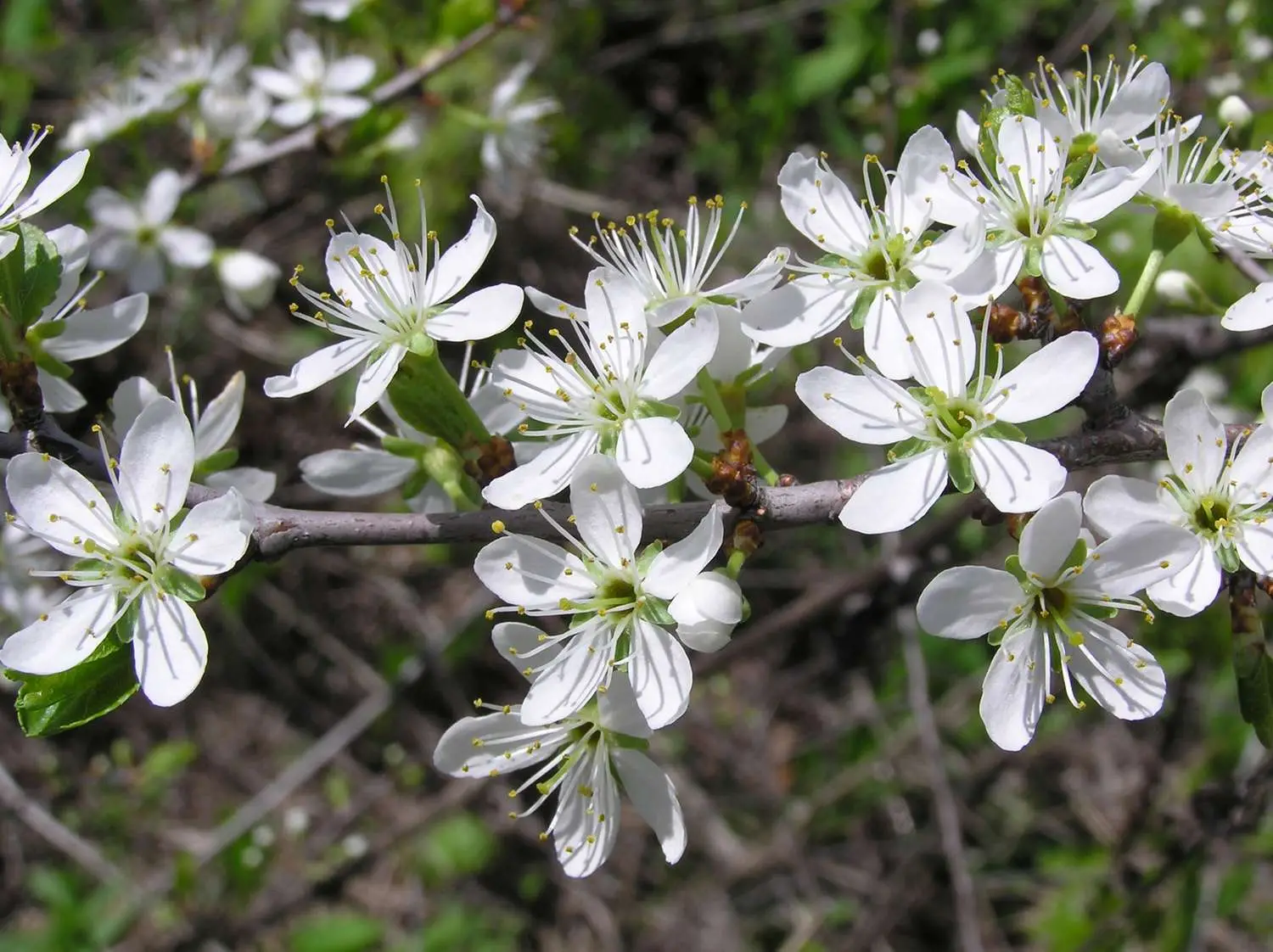
Grow your own sloe gin masterpiece. Prunus spinosa blossoms with profuse white flowers in early spring and produces dark blue-black fruits that transform into the world’s most coveted autumn liqueur—when steeped in gin with sugar. Harvest after the first frost to enhance flavor and sweetness, combining with gin and sugar for a delightful liqueur with unique bitterness and sweetness.
€2.16
Known for its thorny branches, profuse white blossoms in early spring, and dark blue-black fruits, blackthorn holds significant botanical, ecological, and cultural importance. This is a plant with centuries of human desire woven into its very DNA—and now you can grow it.
Blackthorn is a deciduous shrub or small tree native to Europe, western Asia, and North Africa. Blackthorn has been planted and associated with gardens since the Middle Ages, treasured as both practical hedgerow and precious fruit bearer. In the United Kingdom, the term ‘blackthorn winter’ describes a cold period in early spring when blackthorn is in flower, and the flowering may have been associated with the ancient Celtic celebration of Imbolc. This is a plant steeped in ritual, magic, and rural tradition.
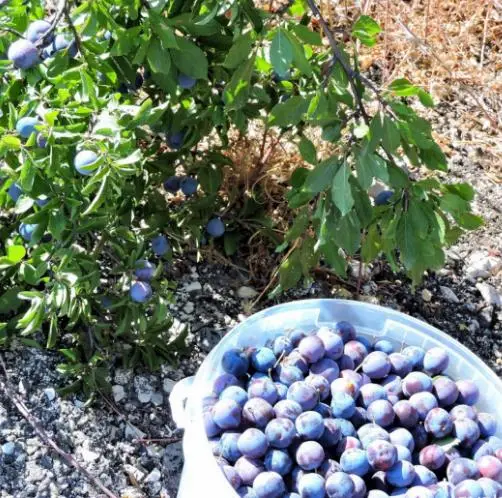
But here’s what truly sets your heart racing: the sloe. The most iconic use of this hardy fruit is in the production of sloe gin in the United Kingdom—fruity and complex with a pleasing balance of bitter and sweet notes, this gin has exploded in popularity in recent years. The traditional method is to soak the blackthorns (sloes) in gin with some sugar, and the mixture sweetens when the blackthorn fruit mature in the alcohol. What begins as an astringent, mouth-puckering berry becomes liquid gold—a warming, luxurious winter liqueur that tastes nothing like commercial versions. Picking sloes in autumn is a well-kept countryside tradition in Britain, Ireland and parts of Europe. When you grow this plant from seed, you’re joining centuries of harvesters, crafting your own mythology one bottle at a time.
Beyond sloe gin, the fruit and flowers unlock a treasure chest of culinary possibilities. Sloes are used to make jam and jelly, the flowers can be sugared for edible cake decorations and a tea can be made from the leaves. In some regions, blackthorn flowers are used to infuse syrups, honey, or vinegar, imparting a delicate almond-like flavor to various dishes. The entire plant—fruit, flower, leaf, bark—becomes your artisan ingredient library. Traditional herbalism also embraced it: Historically, it was commonly used in folk medicine to soothe colds and respiratory diseases, constipation, bloating and bladder problems, with both flowers, petals and leaves used to make teas and other remedies.
Growing Prunus spinosa is a gift to the beginner and the devoted gardener alike. It’s an easy to grow native shrub that grows in any moist well-drained soil in full sun. It is hardy to UK zone 4, making it resilient across most temperate climates. It suits light, medium and heavy soils and prefers well-drained soil, tolerates mildly acid to basic soils including very alkaline ones, and can grow in semi-shade or full sun. Blackthorn is hardy and can tolerate a range of conditions, making it a common hedgerow plant. Once established, it asks for little—just sunlight, well-draining soil, and your patience. Mature trees can grow to around 4m in height and live for up to 100 years. Plant it once and it becomes a family heirloom.
Imagine: in three to five years, your Prunus spinosa will flower in March or April with clouds of snow-white flowers in early spring. By autumn, you’ll harvest small drupes 10-12 millimetres in diameter, black with a purple-blue waxy bloom. Traditionally harvested in October or November after the first frosts, as this makes the skin softer and easier to process. Then comes the alchemy: your gin bottle, your sugar, your patience—and in weeks, a
Only logged in customers who have purchased this product may leave a review.

Reviews
There are no reviews yet.