
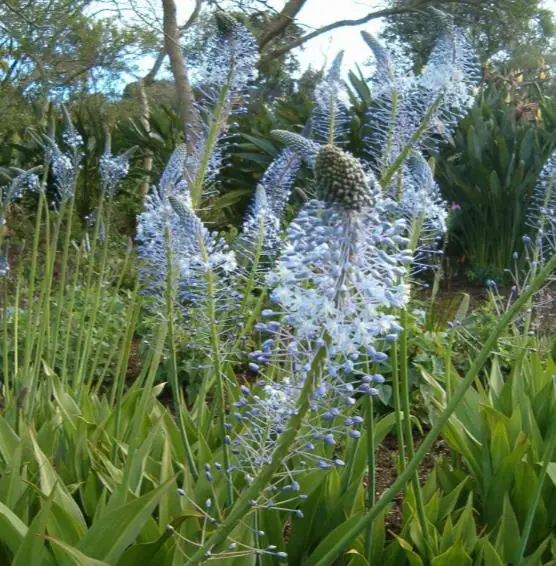
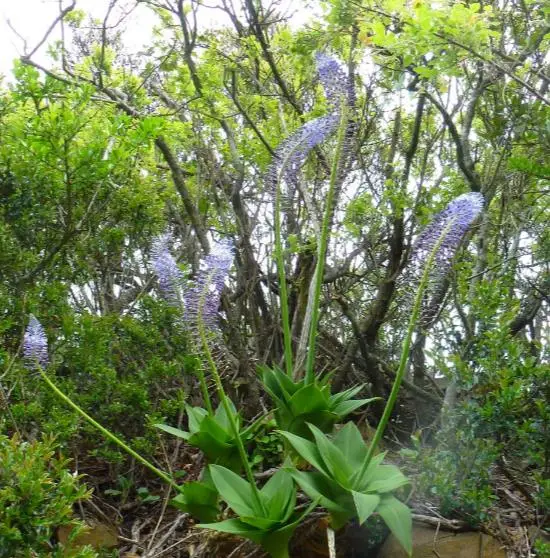
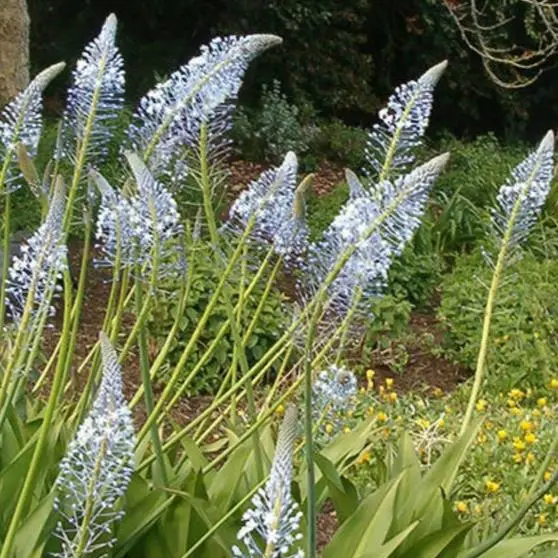
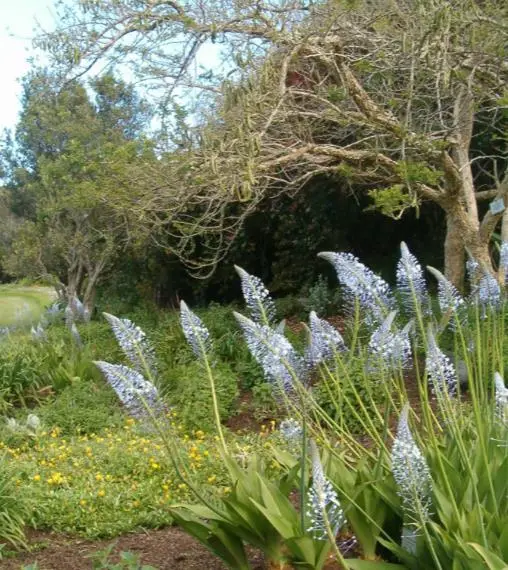
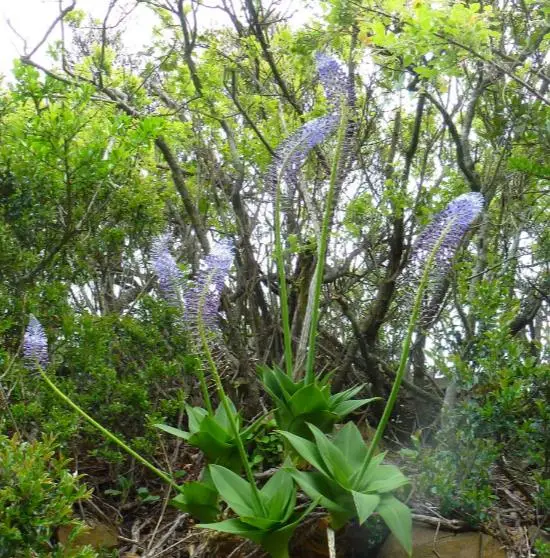
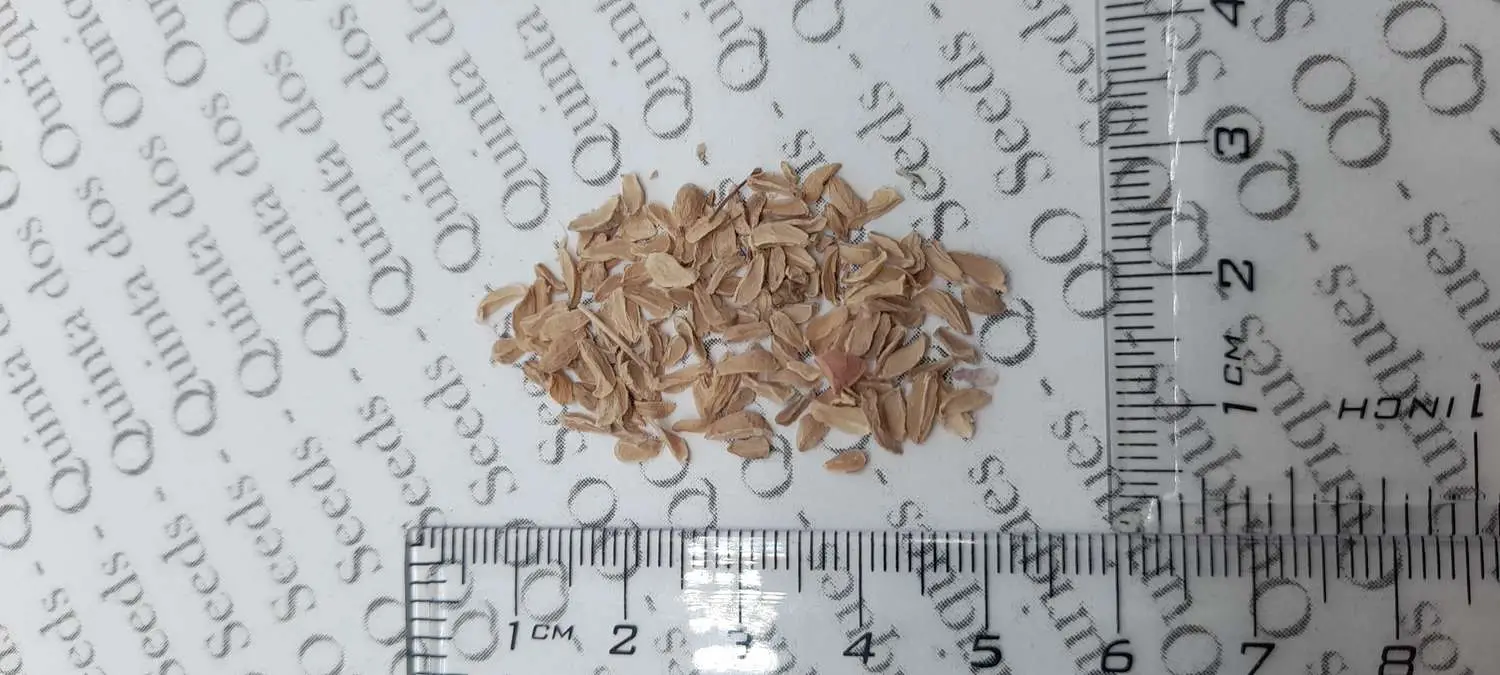
Grow your own South African treasure: Merwilla plumbea produces towering, honey-scented spikes of ethereal blue-lavender flowers—nature’s own botanical medicine cabinet. Each star-shaped bloom dangles from delicate amethyst stems, unfurling across an entire month of pure garden magic. This easy-to-grow heirloom bulb has been revered for centuries in traditional healing practices. Watch it thrive in full sun or partial shade, with minimal fuss. Start from s
€1.92
There’s a reason this South African native has captivated gardeners and healers for hundreds of years: when Merwilla plumbea blooms, entire landscapes transform into a misty blue dreamscape.
Origin & Mystique
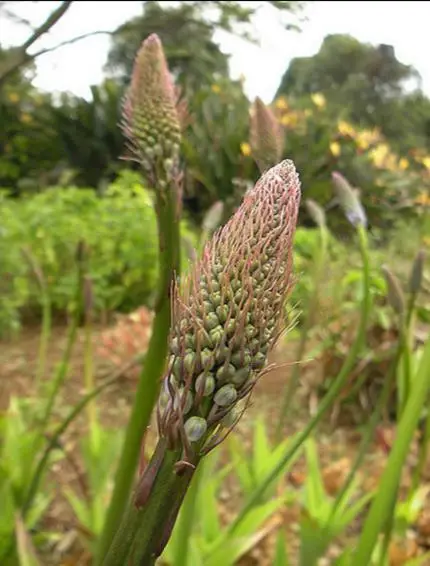
Native to the eastern mountains and grasslands of South Africa—from the dramatic Drakensberg cliffs to coastal wetlands—Merwilla plumbea (formerly Scilla natalensis) carries names that reveal its character. The Afrikaans “blouberglelie” means “blue mountain lily,” evoking its alpine grace. The name “blouslangkop” (blue snake’s head) captures how the emerging flower stalk resembles a serpent rising, its tips blushed in bluish-purple. Most poignantly, the Zulu name “inguduza” means “searching the body for the cause of the ailment”—a testament to its profound role in traditional South African medicine for centuries.
Traditional Medicinal Powerhouse
This is where Merwilla plumbea truly shines. It stands as one of the most heavily traded and revered traditional medicinal plants in KwaZulu-Natal, used extensively in muthi (traditional healing) practice. Healers have long prepared warmed bulb scales, burned bulb ash, and decoctions to address sprains, fractures, boils, sores, and wounds with remarkable effectiveness. The plant contains bioactive compounds with documented anti-inflammatory, antimicrobial, and analgesic properties that explain its enduring place in African medical systems. Growing your own means participating in a living heritage—a connection to generations of wisdom about plant healing. While its power demands respect (the bulb is used only under proper guidance), cultivating Merwilla plumbea connects you to authentic botanical tradition in a way few plants can.
A Spectacle of Blue
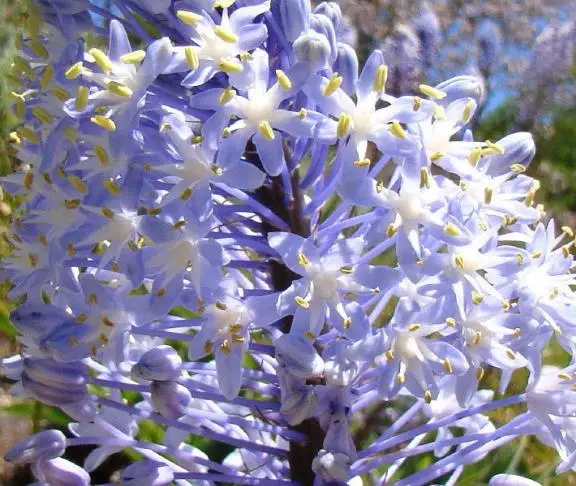
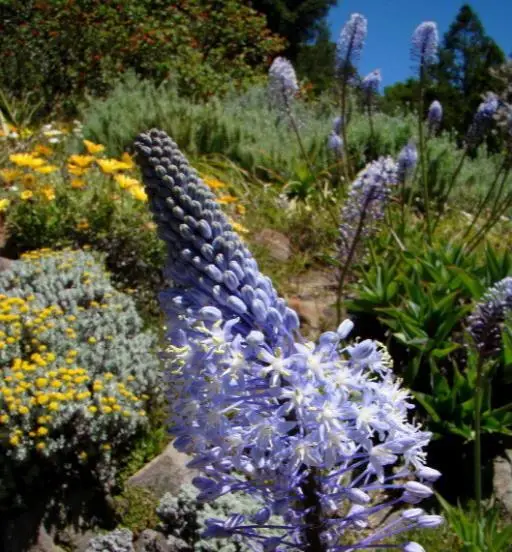
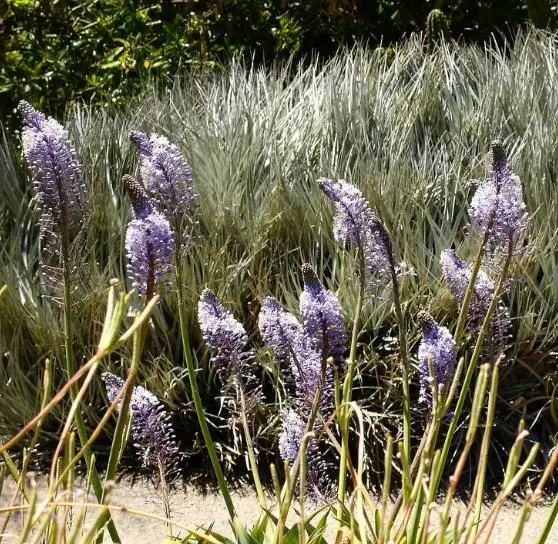
Beyond its medicinal significance, this is simply one of the most stunning bulbs you can grow. From a rosette of broad, grey-green leaves (which glow luminously when backlit), emerges a flower spike reaching three feet or more, topped with hundreds of tiny star-shaped flowers in shades of misty, pale blue. Each delicate bloom dangles from a slender amethyst-blue stalk, creating an overall effect of floating sapphire mist—it’s an enchanting sight that holds for a month or more. The flowers are honey-scented, attracting butterflies and pollinators. The architectural beauty lasts from late summer into autumn, providing extended garden interest.
Surprisingly Easy Cultivation
Don’t let its exotic heritage intimidate you. Merwilla plumbea is remarkably low-maintenance and forgiving—a favorite among both beginners and seasoned gardeners. It thrives in full sun to partial shade, adapts to well-drained soil, and is naturally drought-tolerant (though it loves summer moisture when in growth). It grows equally well in containers or rockeries, making it perfect for patios, borders, or mixed plantings. The plant is deciduous, dormant through winter, which means no fussing in cold months—simply keep it dry. In spring and summer, water generously; as leaves yellow, reduce water. Seed germinates readily within 7–10 days, and young bulbs will flower by their third or fourth season. It’s hardy to Zone 9, handling frost well in most climates.
Grow Your Own Living Legacy
When you sow Merwilla plumbea seeds, you’re not just growing a bulb—you’re cultivating a bridge between ancient healing knowledge and modern gardening. You’re nurturing a plant that indigenous healers have trusted for centuries. You’re creating an ornamental spectacle that stops visitors in their tracks. And you’re participating in conservation: wild populations have become vulnerable due to over-harvesting, making home cultivation a meaningful act of preservation. Start your seeds this season and watch as this magnificent, misty-blue treasure emerges in your garden, year after year—a living reminder of South Africa’s botanical riches and the power of plants to heal and inspire.
Only logged in customers who have purchased this product may leave a review.
Reviews
There are no reviews yet.