
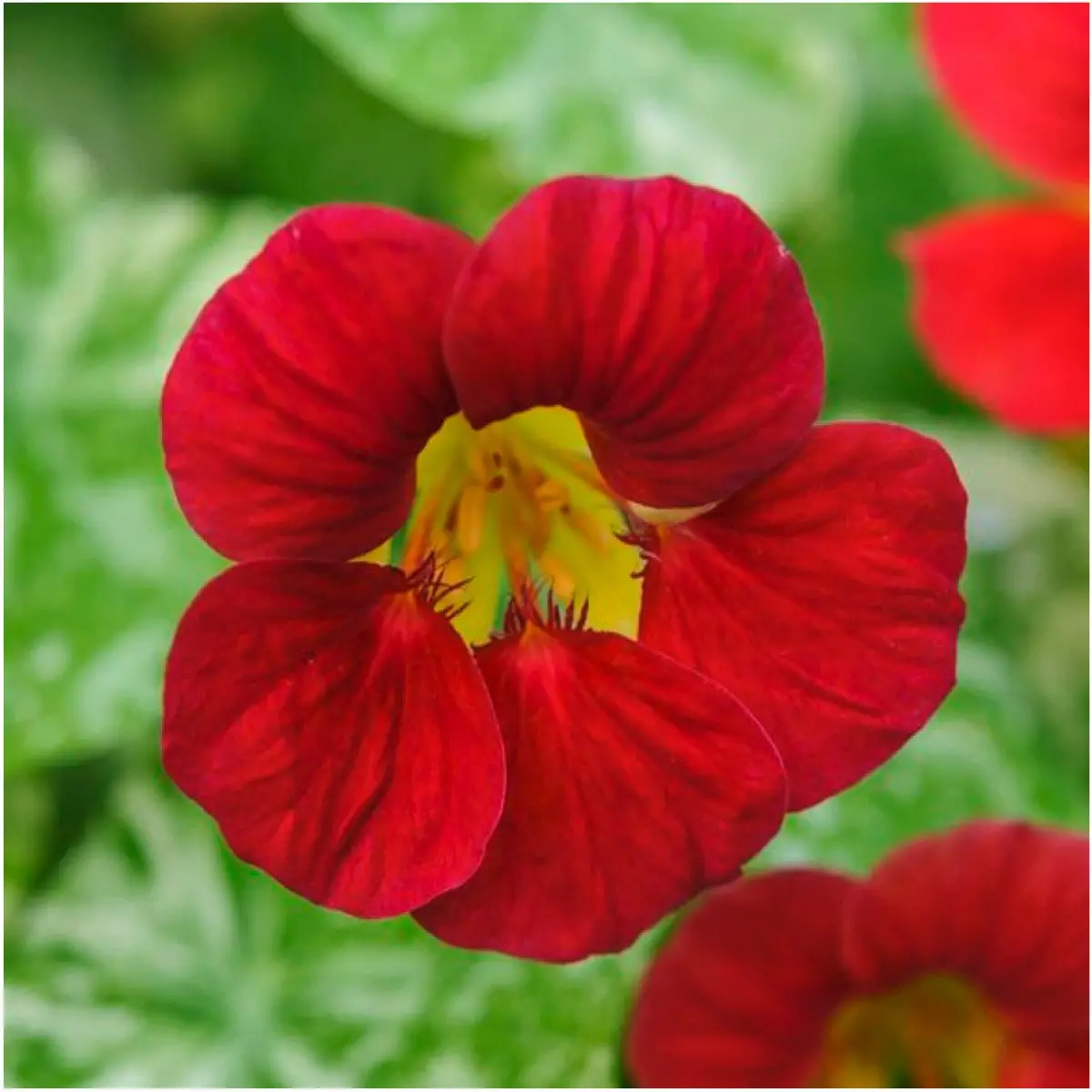
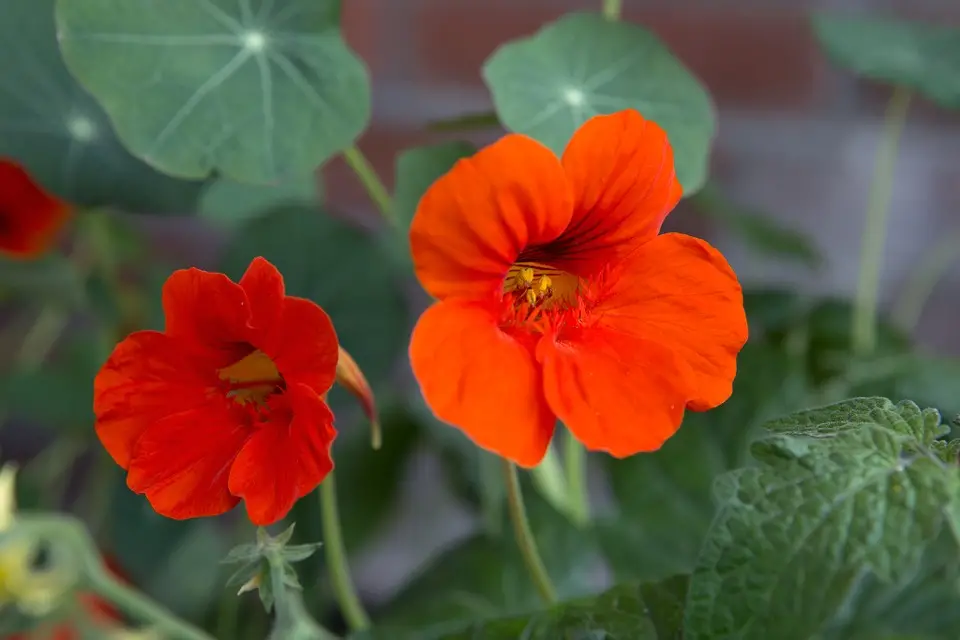
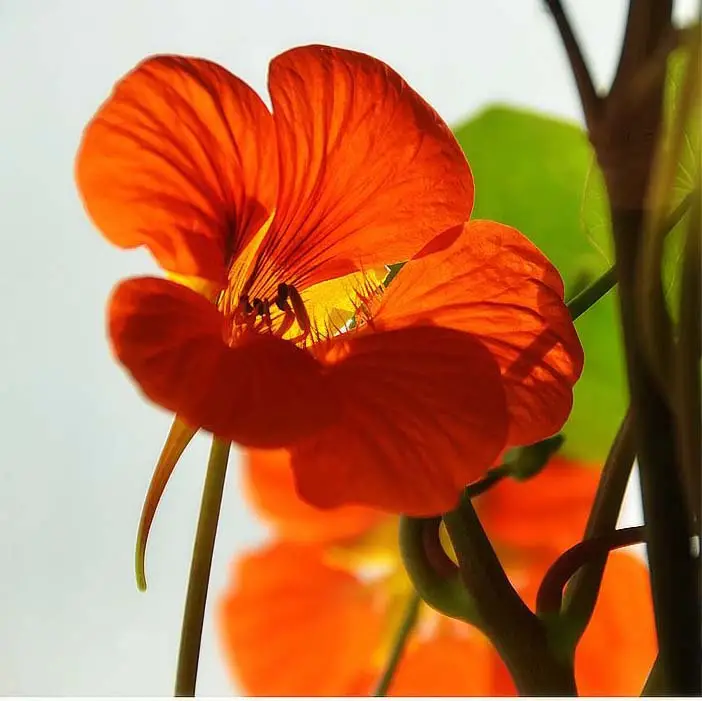
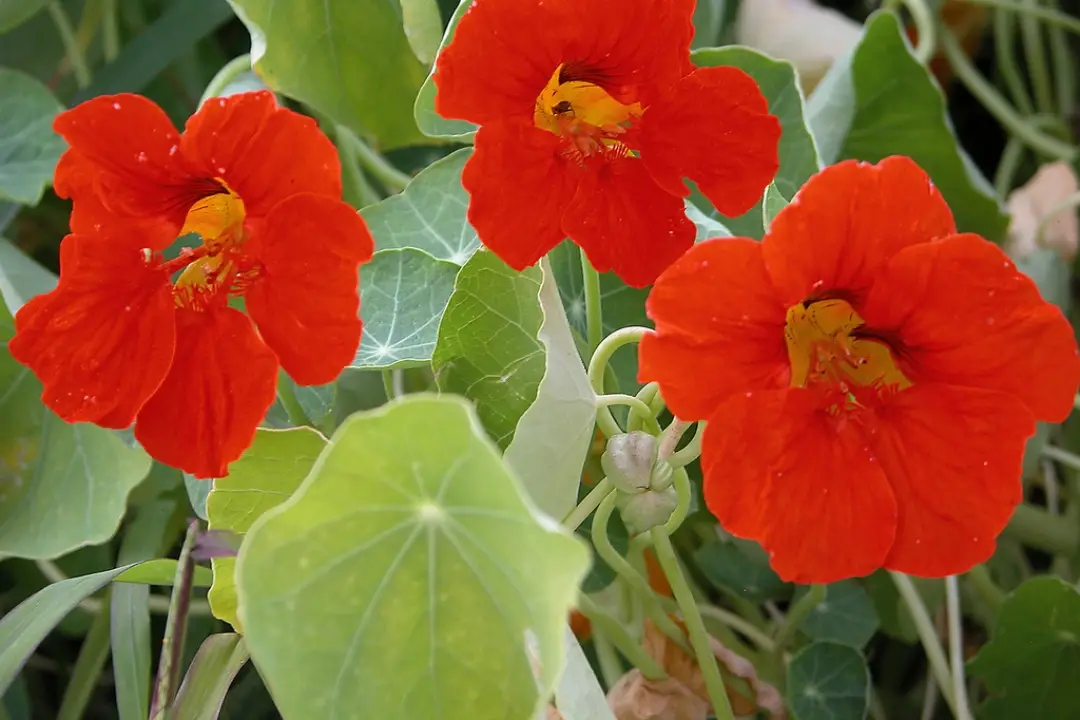
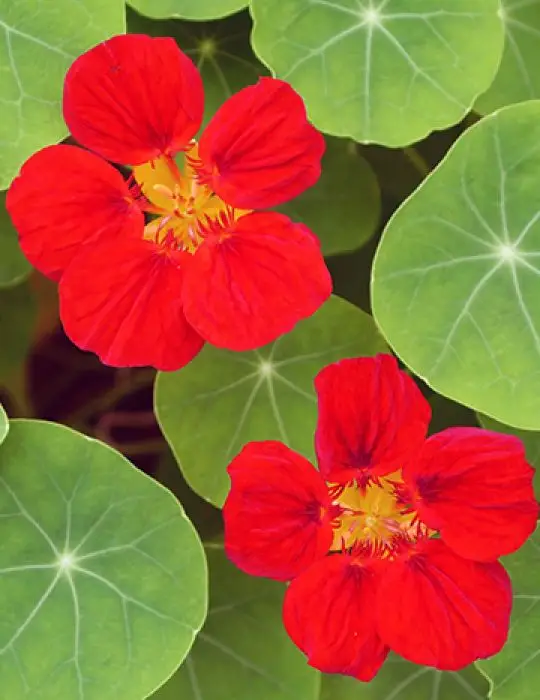
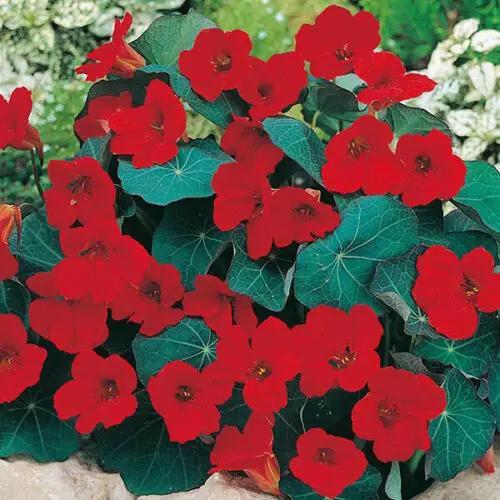
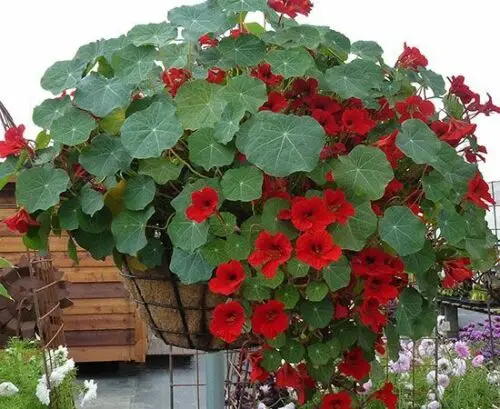
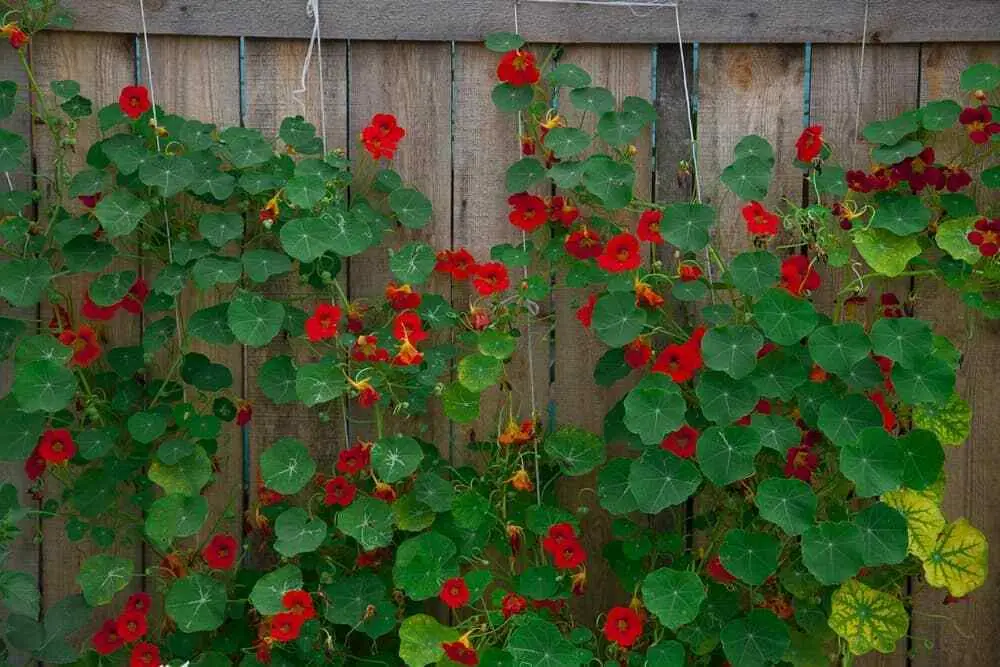
Grow brilliance you can harvest. Tropaeolum majus Single Red gives you vibrant scarlet flowers that are not just stunning—they’re edible, peppery, and perfect for salads, garnishes, and gourmet plating. Leaves and seed pods are equally delicious. Dead-simple to grow even in poor soil. Start from seed and watch your edible flower garden bloom by summer.
€1.92
Picture this: crimson petals opening against soft green shield-shaped leaves, and every single bloom is an ingredient waiting to grace your plate.
Tropaeolum majus Single Red is a masterpiece born in the Andes Mountains of South America, where it has been treasured for centuries by the Incas and beyond. The Spanish conquistadors brought it to Europe in the 16th century, and Carl Linnaeus himself was so enchanted by its blood-red flowers and shield-like leaves that he named the entire genus Tropaeolum—meaning “little trophy”—imagining ancient Roman battle standards. It’s a plant that history remembers.
But here’s where Single Red becomes truly indispensable in your garden: every part is edible, and it tastes alive. The flowers deliver a delicate peppery sting, reminiscent of watercress, with a subtle sweetness that transforms salads from ordinary to extraordinary. The tender leaves pack even more punch—a crisp, mustard-like bite that works beautifully in pestos, soups, or simply scattered across fresh greens. The young green seed pods can be pickled like capers, earning the nickname “poor man’s capers.” Even the unripe buds contain mustard oil and work as a seasoning. You’re not just growing ornamental flowers; you’re cultivating a living spice rack. Chefs around the world now celebrate nasturtiums as edible art, and with Single Red’s intense crimson color, they’re also the most photogenic garnish you’ll ever place on a plate. The flowers contain exceptional levels of vitamin C (comparable to parsley) and lutein, making them nutritionally dense as well as visually stunning.
Beyond the kitchen, Tropaeolum majus Single Red serves as a guardian plant. Plant it alongside tomatoes, peppers, beans, and brassicas, and it becomes a biological pest-control powerhouse. Aphids, whiteflies, squash bugs, and cucumber beetles are irresistibly drawn to the bright foliage as a trap crop—protecting your vegetables while the nasturtiums act as a living sacrifice. Simultaneously, the flowers magnetize pollinators: bees, hoverflies, butterflies, and beneficial parasitic wasps converge on those crimson blooms. You get dual-layer protection without a drop of pesticide. The Incas recognized this wisdom centuries ago; modern gardeners rediscover it season after season.
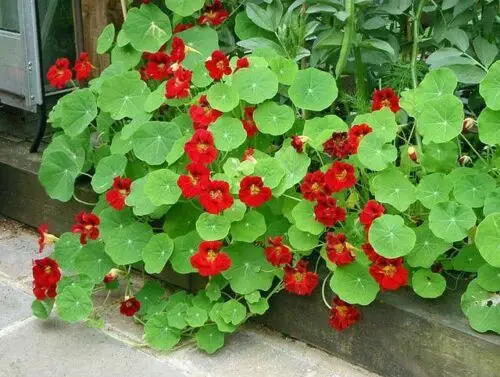
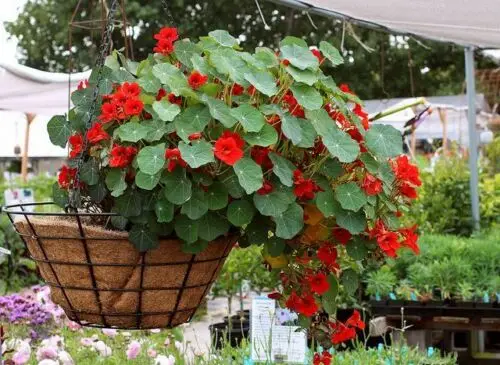
Growing Single Red is refreshingly uncomplicated. It thrives in poor to average, well-drained soil—in fact, rich soil produces lush foliage at the expense of flowers, so neglect becomes an asset. Plant in full sun or with afternoon shade in hot climates. Water moderately once established; the plant is drought-tolerant and actually prefers lean conditions. Avoid fertilizer (yes, really—skip it). Sow seeds directly into the garden after the last frost, or start indoors 4–6 weeks earlier. The large seeds are easy to handle individually. Expect flowers 8–10 weeks after sowing. Single Red forms a semi-trailing mound (12–18 inches tall, spreading wider), making it perfect for containers, garden edges, or tumbling from hanging baskets. The blooms continue reliably from early summer until frost arrives, and the plant will self-seed for next year’s volunteers.
Grow Tropaeolum majus Single Red from seed this season and step into a gardening tradition that spans continents and centuries. You’ll harvest beauty, gather flavor, protect your garden’s health, and hold in your hand a living piece of botanical history. Start the seeds now—your summer plate, and your garden’s ecosystem, will thank you.
Only logged in customers who have purchased this product may leave a review.
Reviews
There are no reviews yet.