
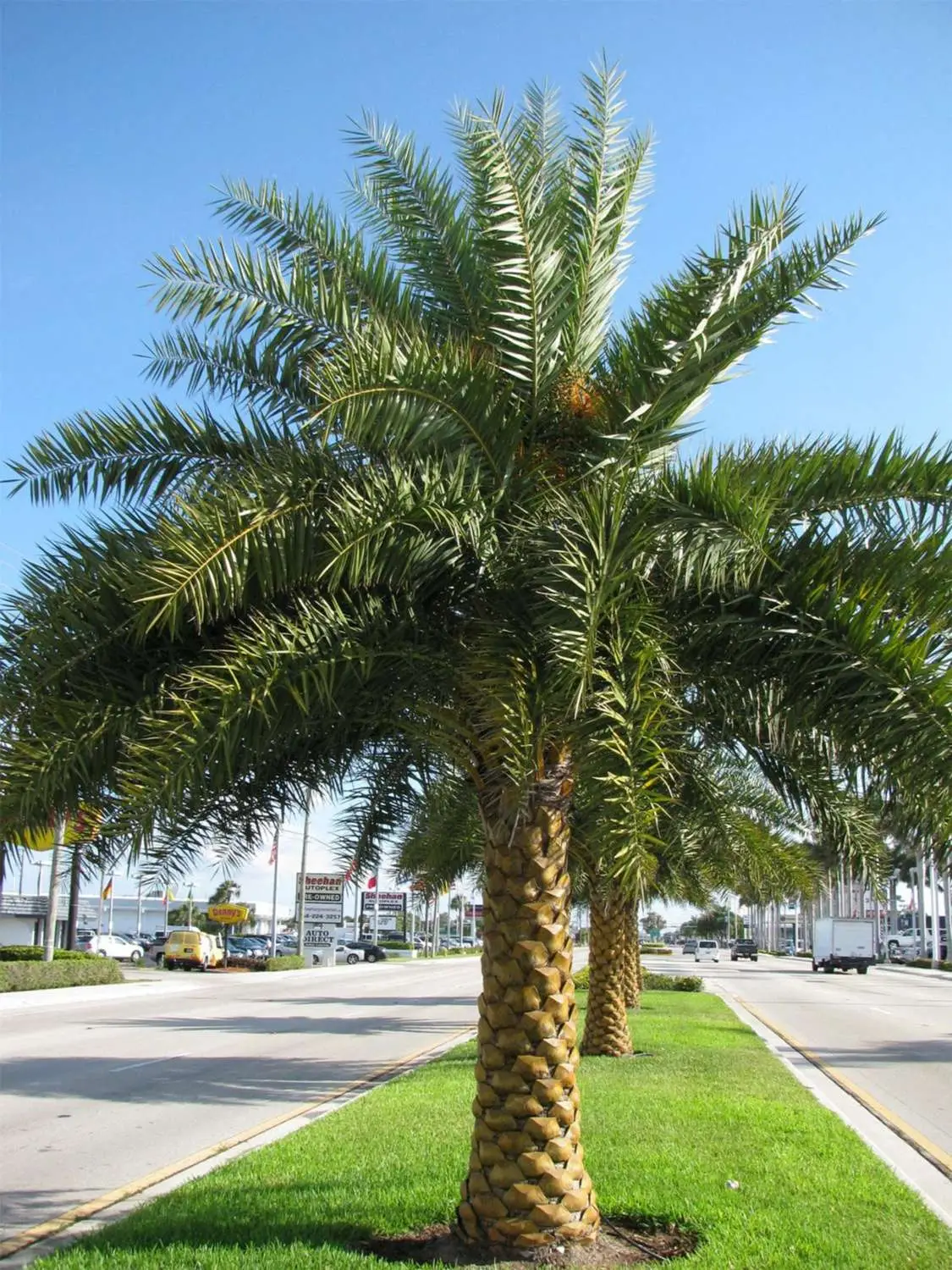
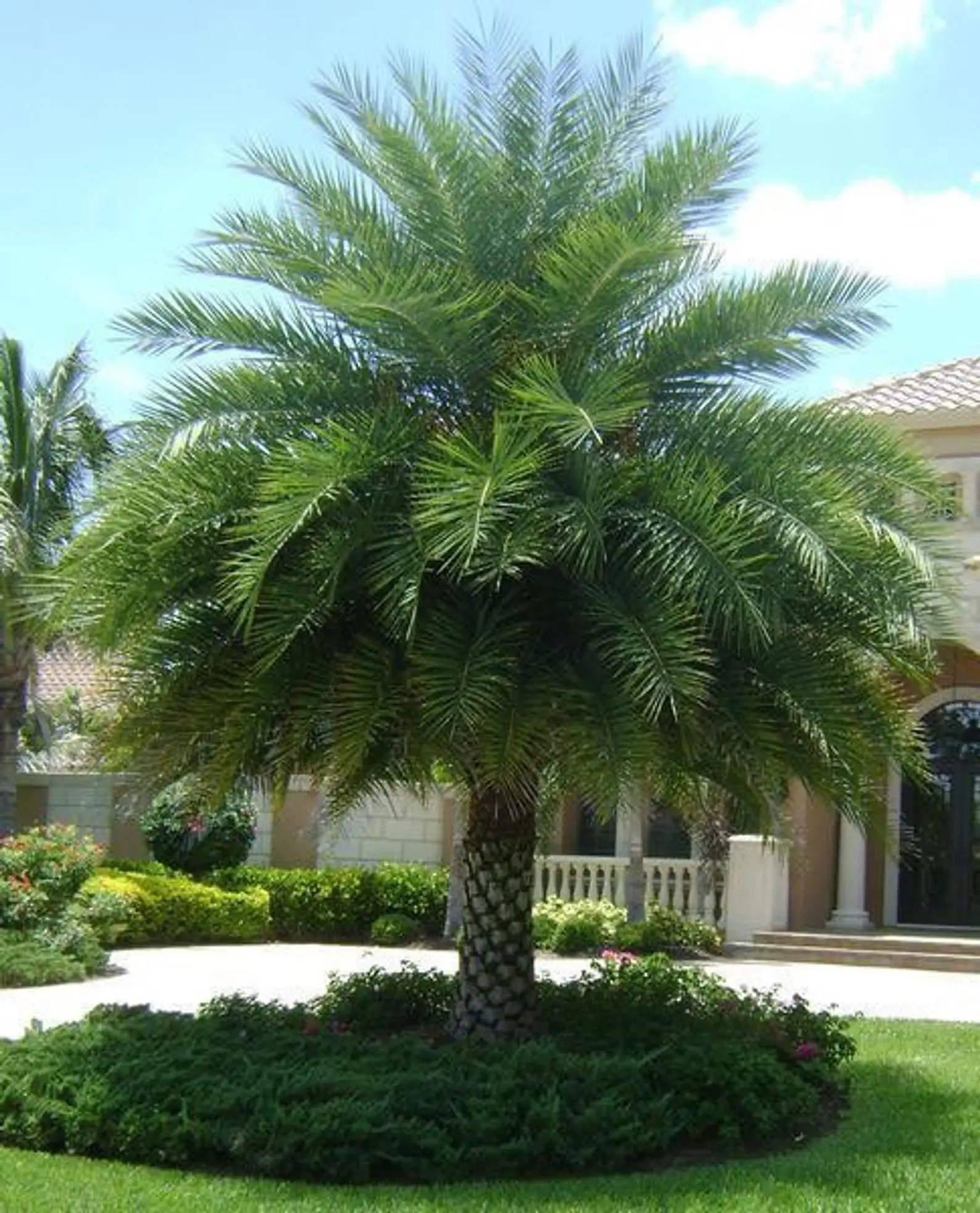
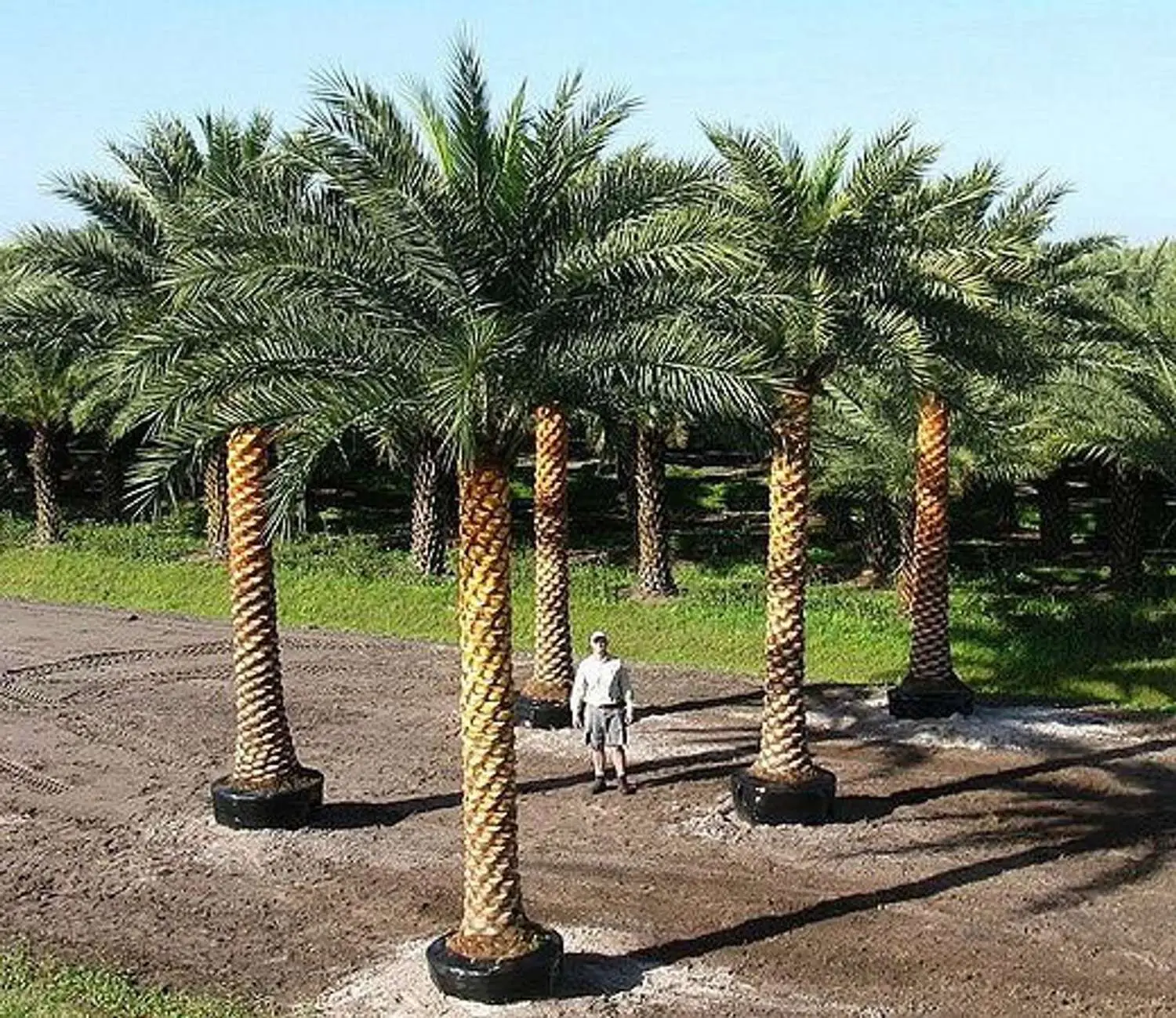
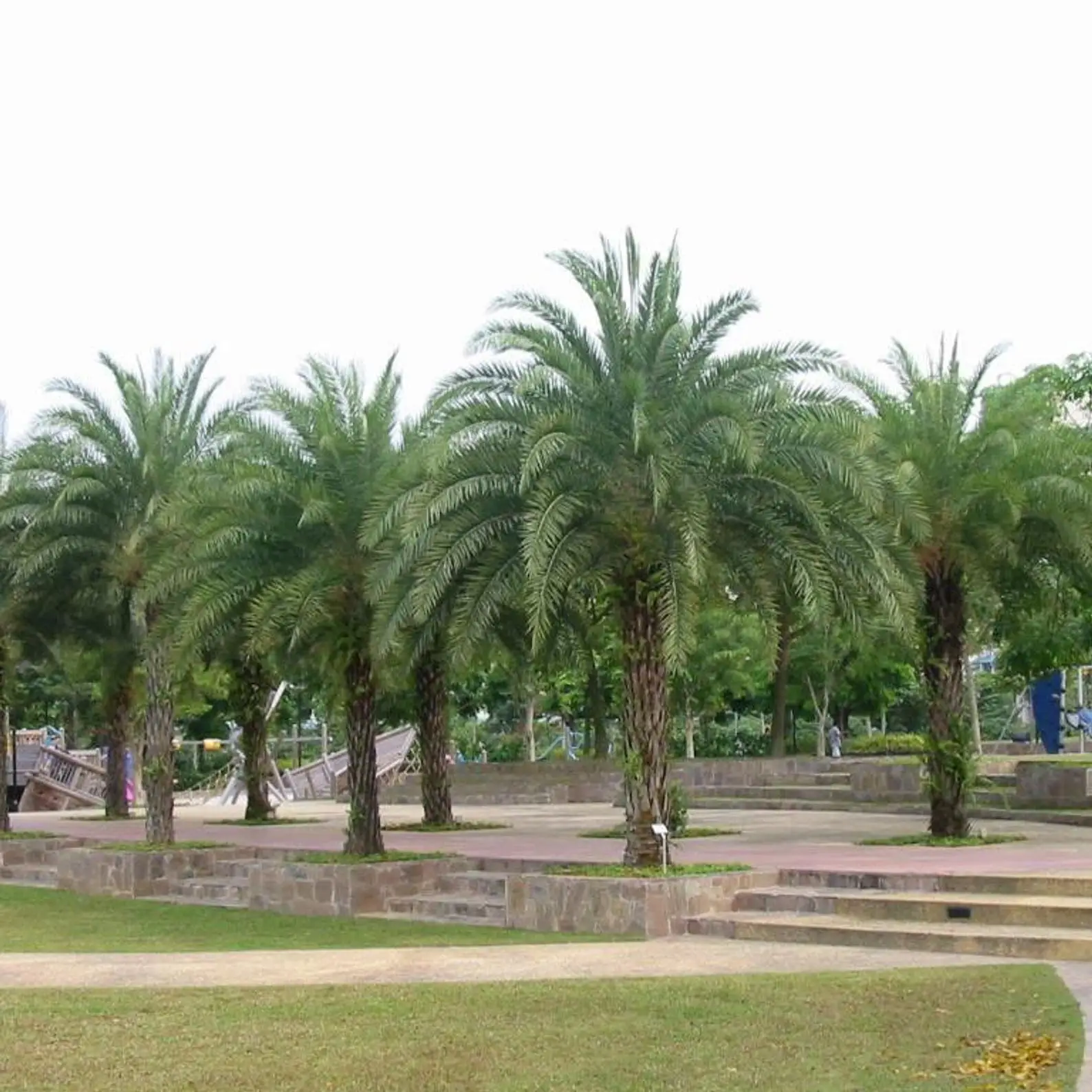
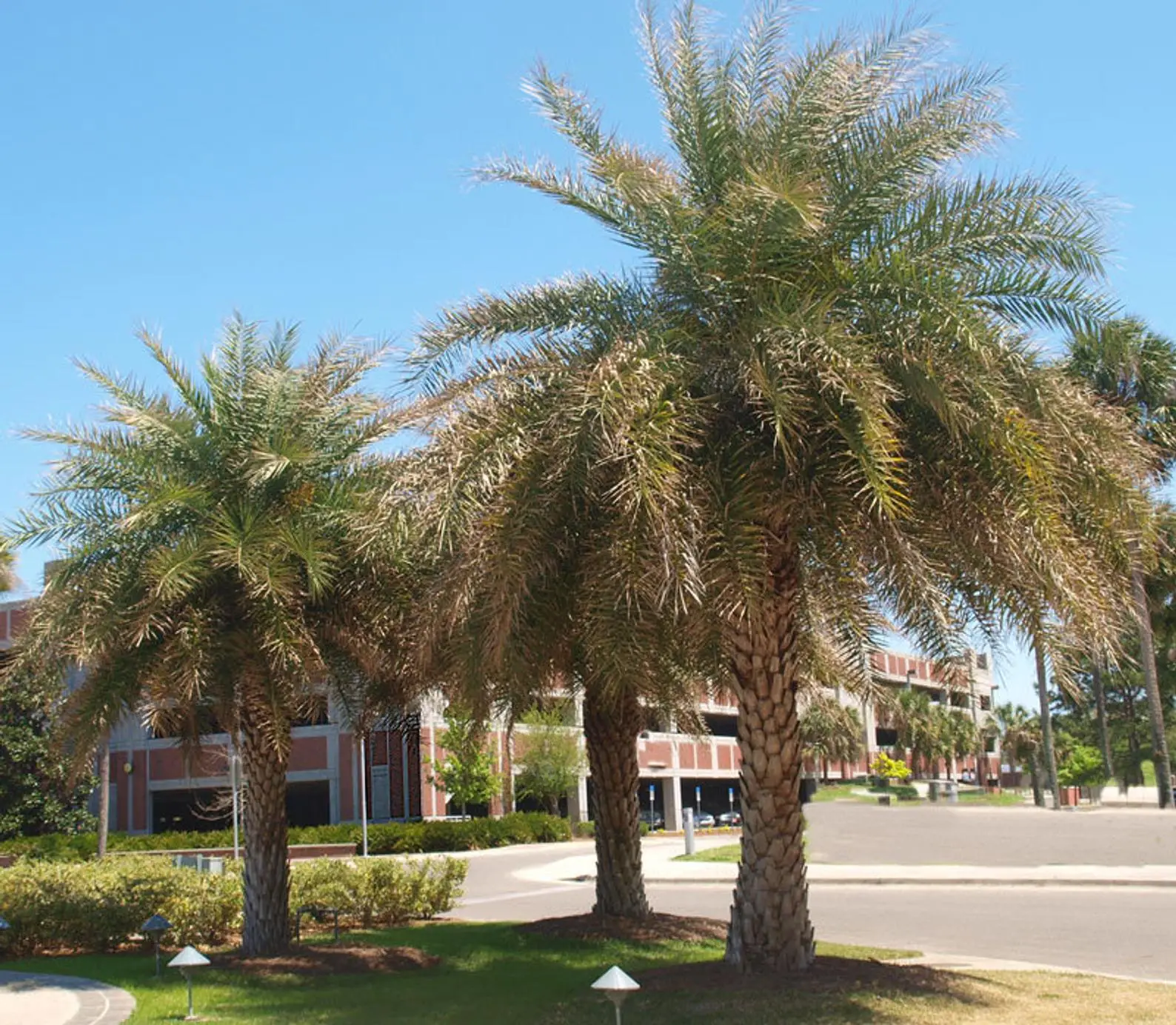
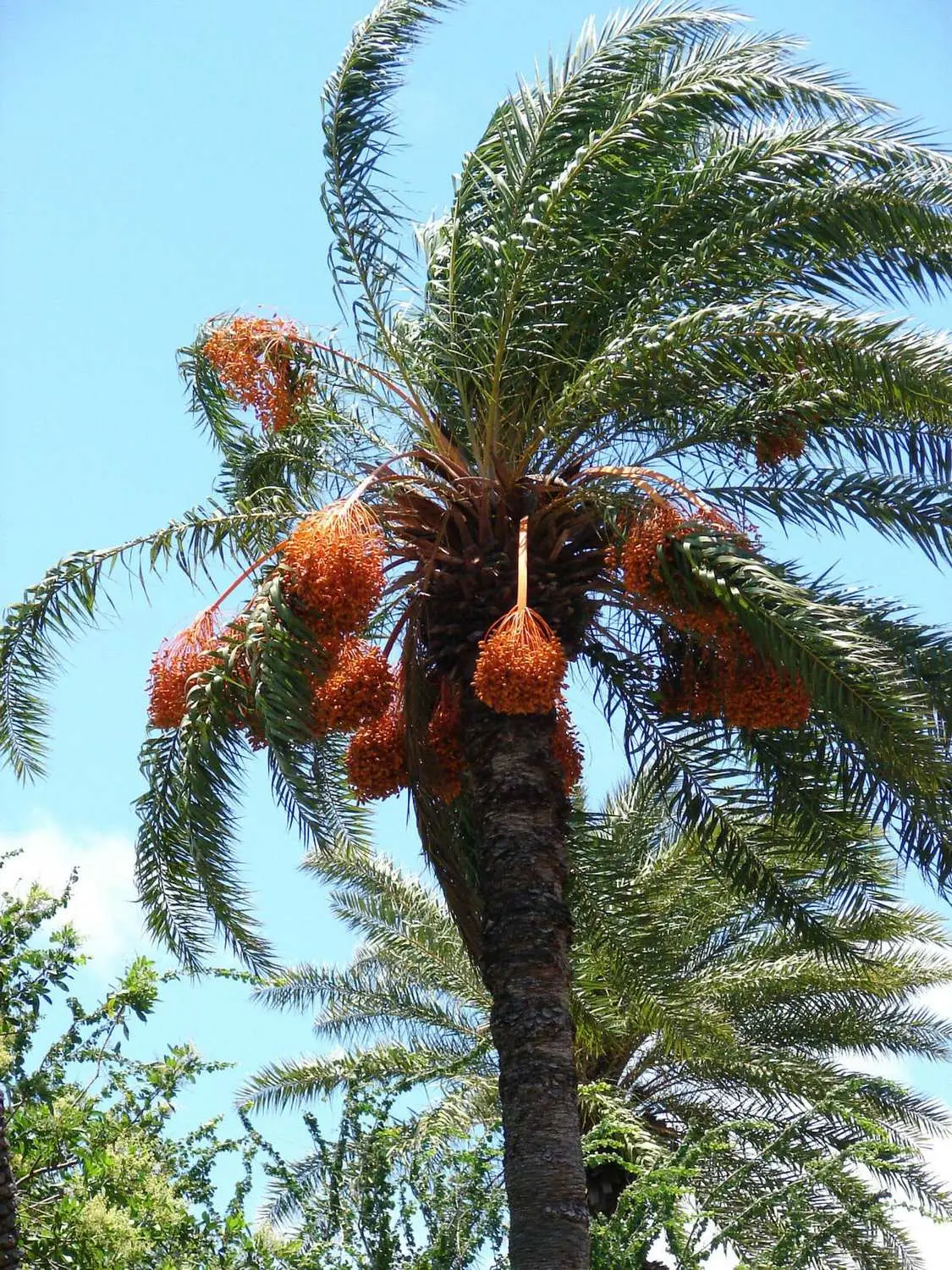
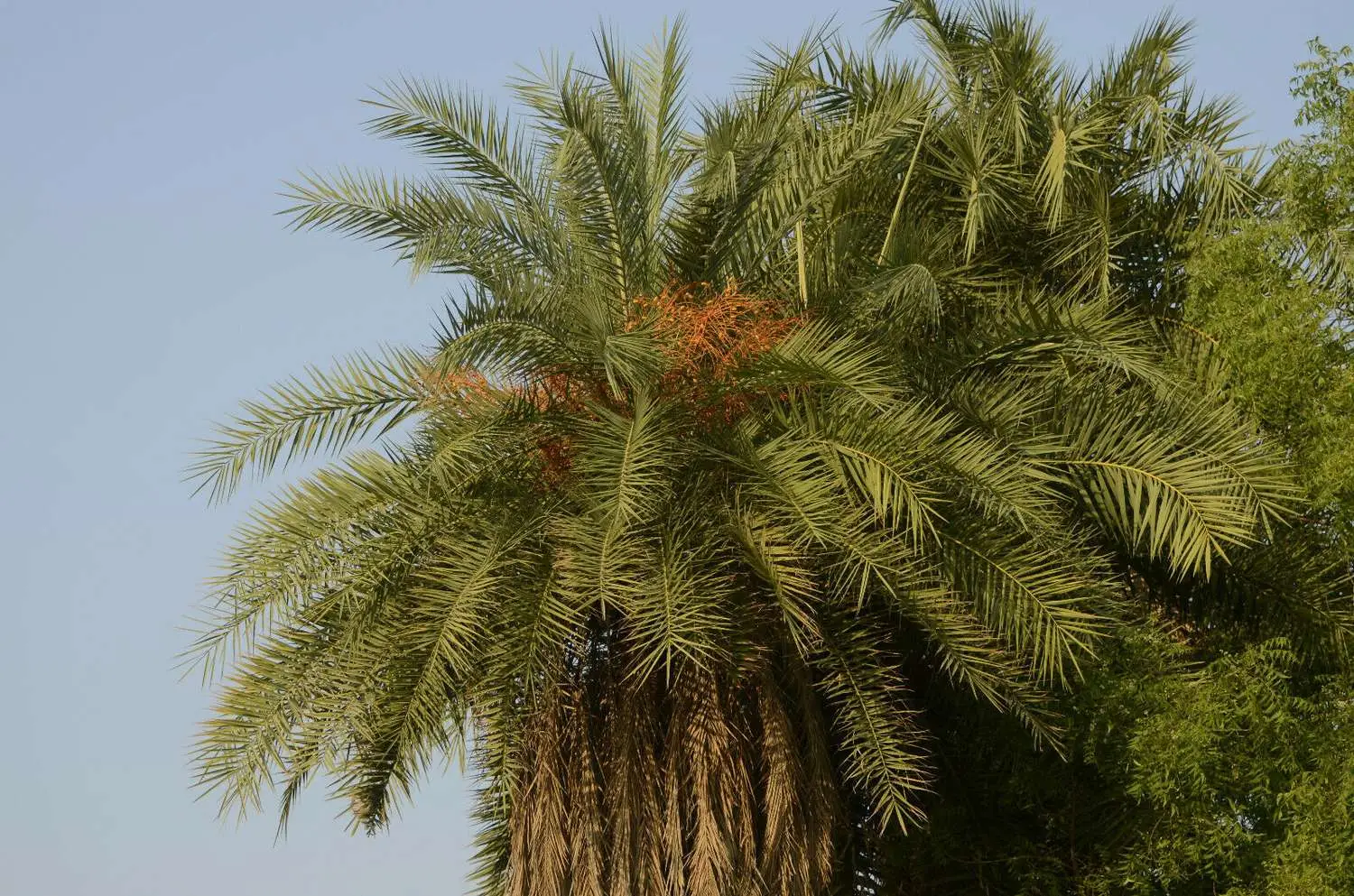
The palm that produces its own sweetener. Phoenix sylvestris yields precious sap that ferments into toddy or boils into jaggery—one palm can produce 40 liters daily at peak season. Paired with striking silver-blue fronds and tropical elegance, this is the working palm for dreamers. Surprisingly easy to grow from seed in well-drained soil and full sun. Sow today, harvest tradition tomorrow.
€4.28
Imagine owning a palm that feeds you—not just your eyes, but your kitchen and your soul. Phoenix sylvestris, the Sugar Date Palm, is a living monument to sustainability, beauty, and the kind of practical abundance most gardeners only dream about.
Native to the Indian subcontinent—from southern Pakistan across India to Nepal, Bhutan, Myanmar, and Bangladesh—this palm thrives where monsoons, heat, and seasonal flooding are the norm. For over a millennium, it has been the lifeblood of rural South Asian economies, a symbol of prosperity planted beside temples and palatial estates. The name itself whispers its story: sylvestris, Latin for “of the forest,” a wild spirit tamed by human hands into something miraculous.
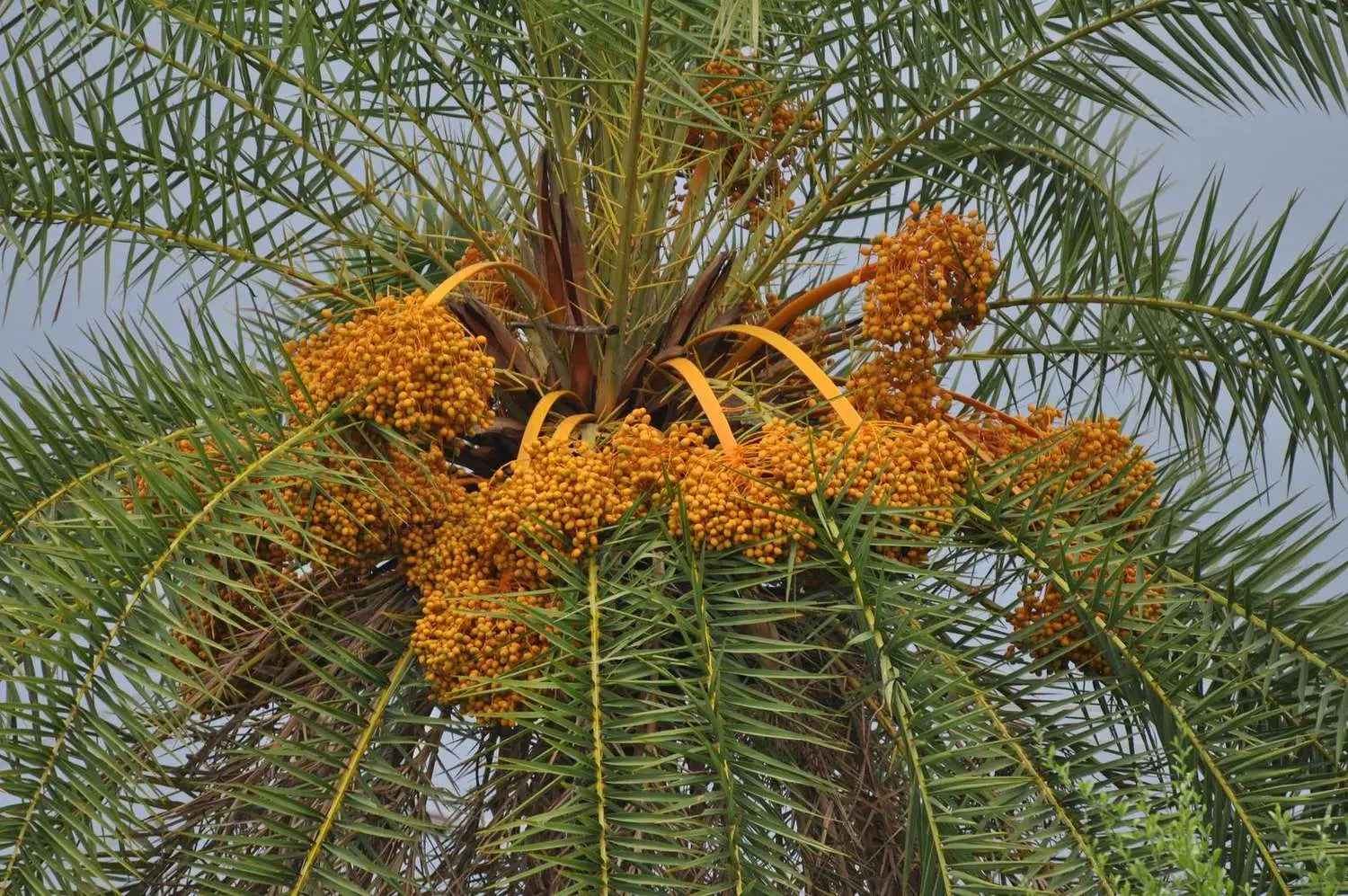
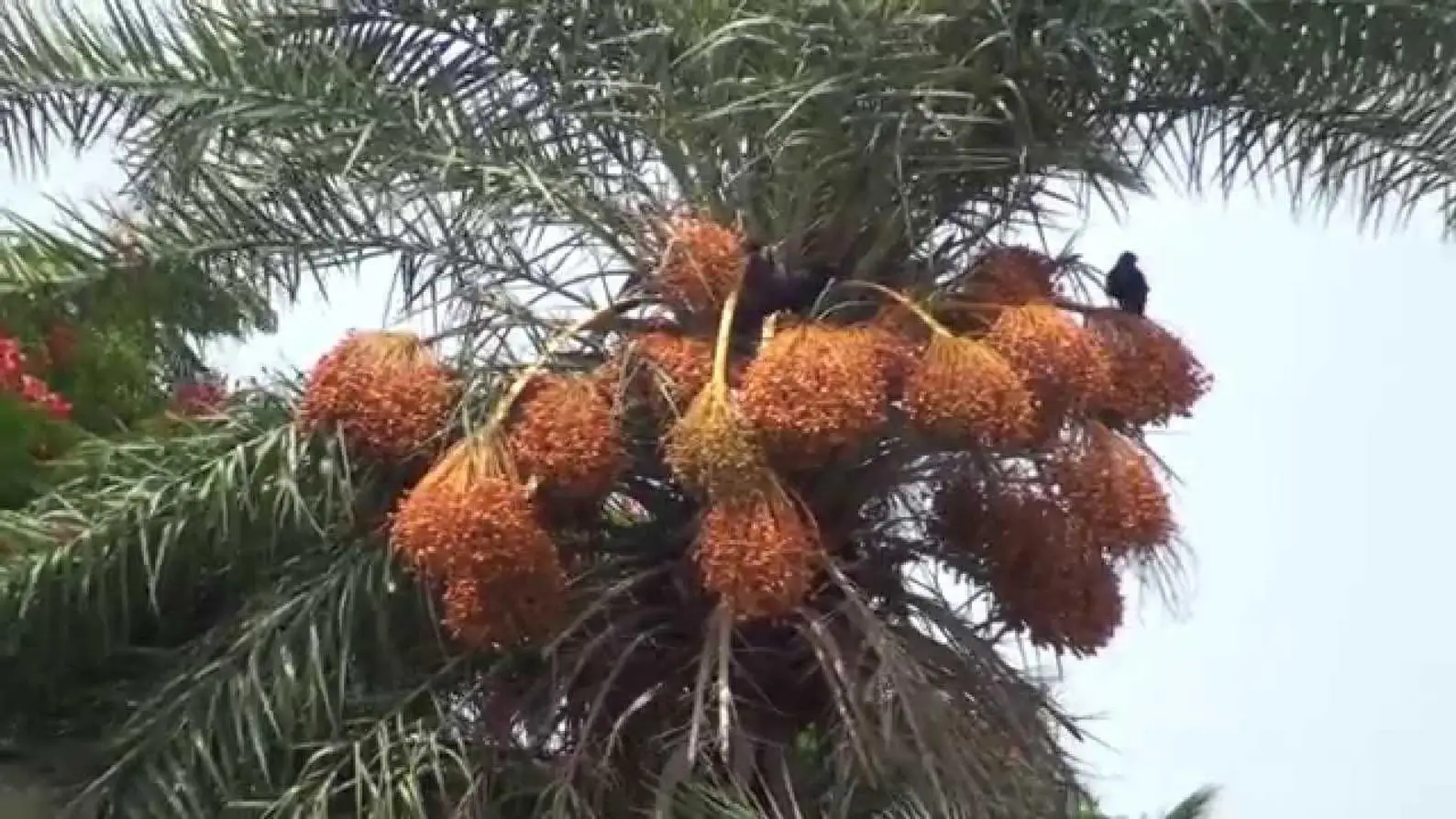
But here’s where Phoenix sylvestris transcends ornamental status and becomes genuinely revolutionary: its sap. The unopened flower spikes are tapped to yield a sweet, clear liquid that flows fresh or ferments into toddy—a traditional beverage with centuries of cultural resonance. More remarkably, that same sap is boiled down into jaggery (gur), an unrefined palm sugar that has nourished millions and now commands premium prices in global whole-foods markets. A single mature palm can yield up to 40 liters of sap daily during peak season, and the harvest is completely non-destructive—the tree recovers and produces year after year, representing one of humanity’s oldest renewable resource systems. Beyond the sap, the dates themselves—though smaller and less sweet than Phoenix dactylifera—are eaten fresh, dried, or transformed into jellies and wines. The leaves have long been harvested for weaving and thatching, and even the trunk plays a role in traditional construction. This is a multi-purpose plant that literally has something for every season and every use.
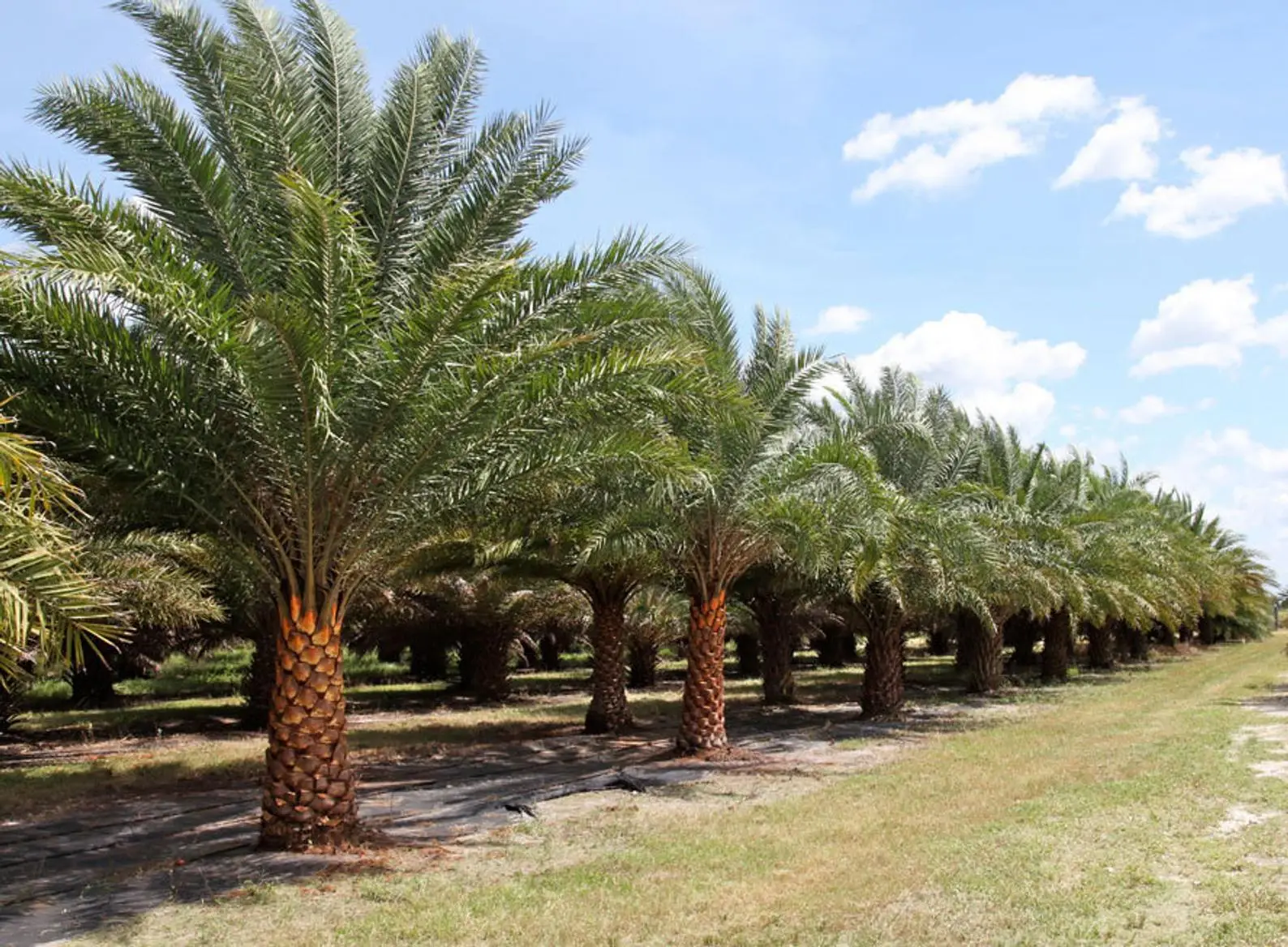
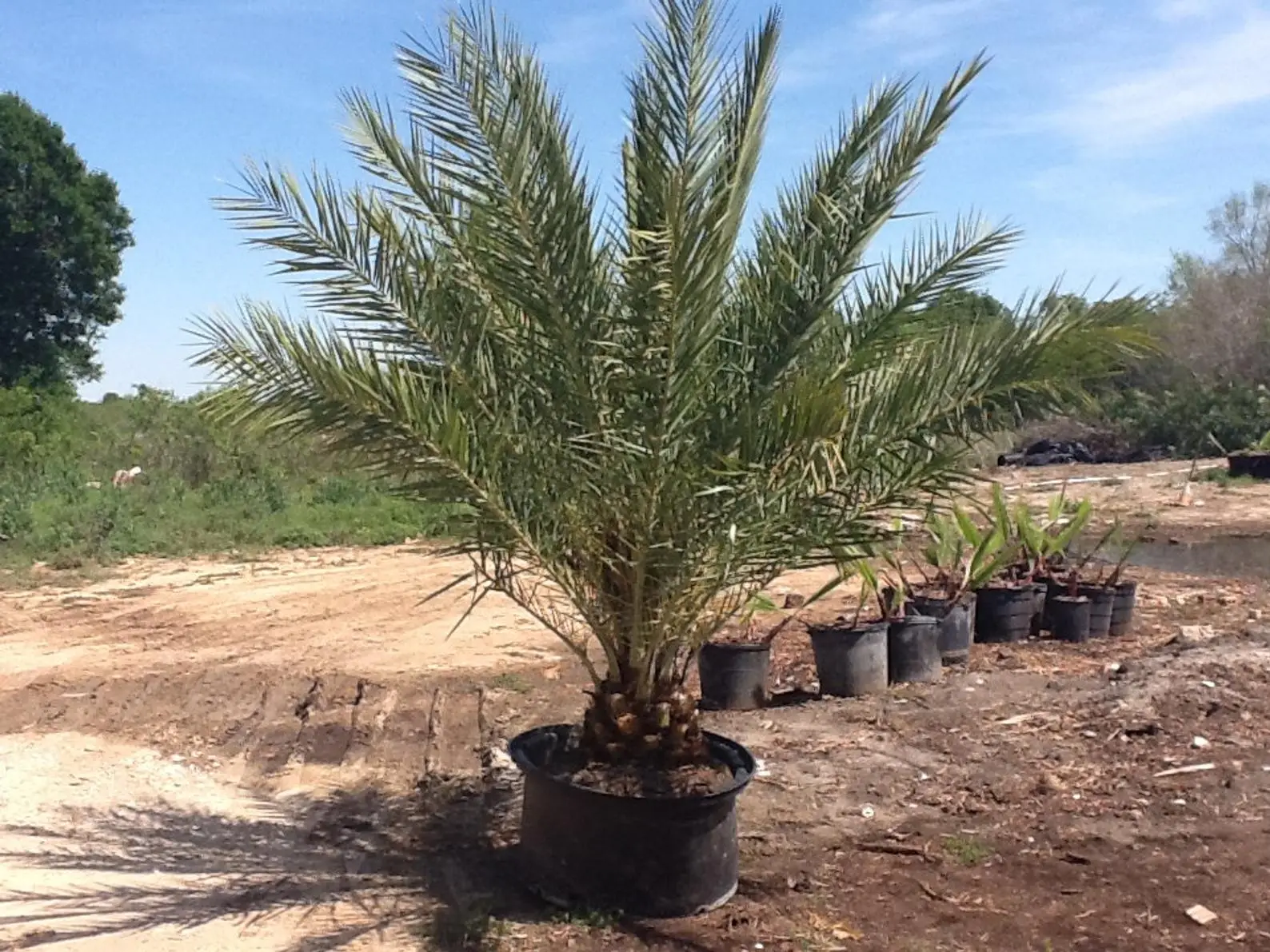
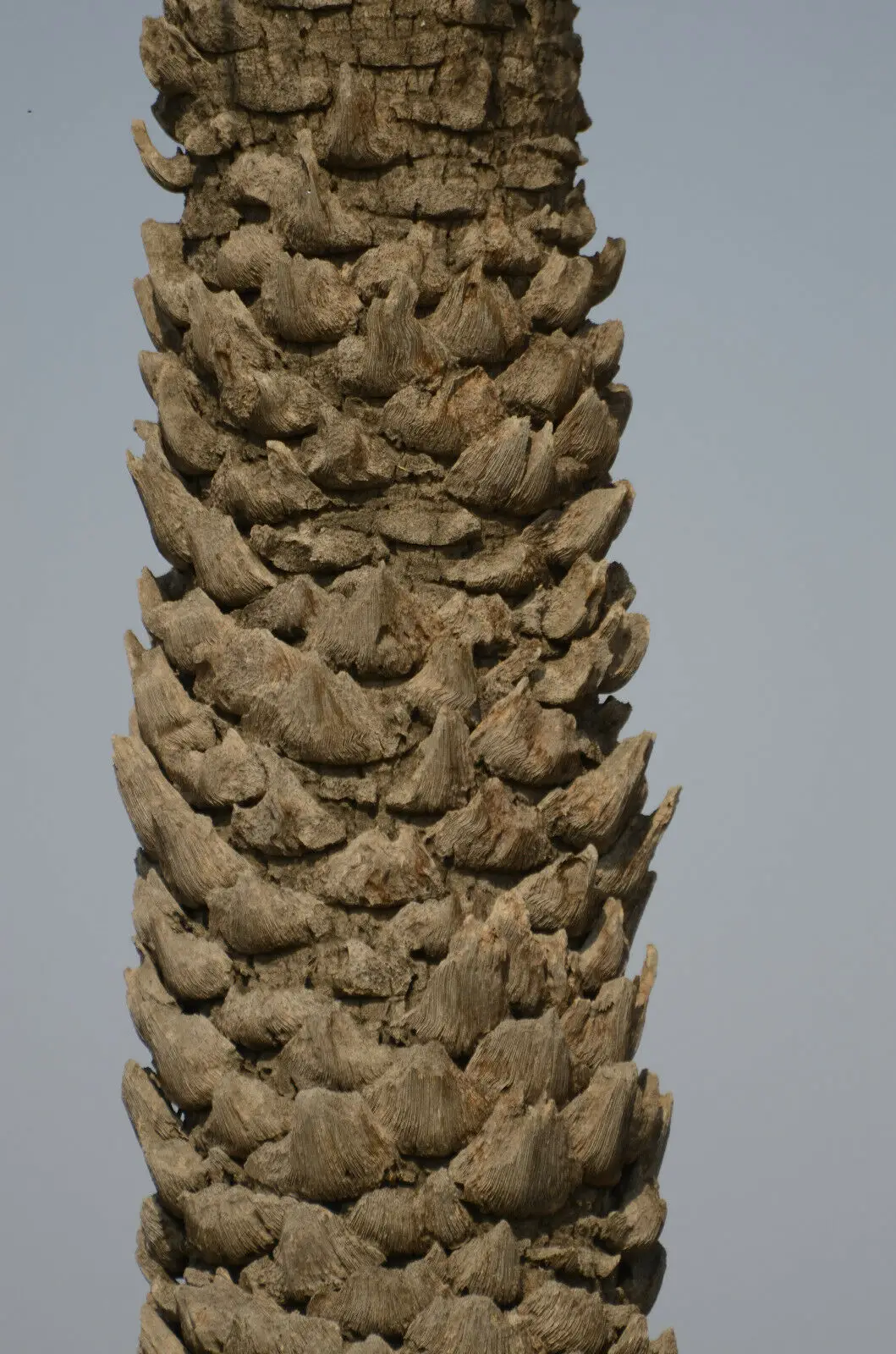
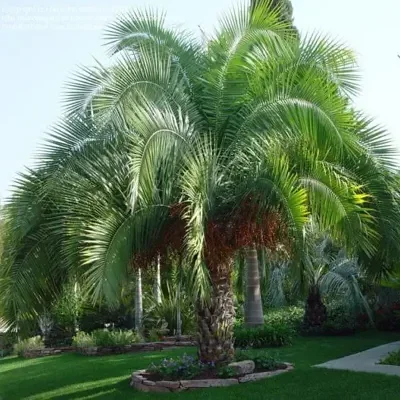
Cultivation is pleasantly straightforward. Phoenix sylvestris wants full sun—6 to 8 hours minimum daily—and well-drained soil that cycles between moist and dry. It’s remarkably adaptable to soil type, thriving in sandy, loamy, or clay soils, and tolerating a wide pH range. Water generously for the first 60 days after planting to establish roots; after that, it becomes drought-tolerant and needs minimal intervention. The real marvel is its cold hardiness for a tropical palm: it tolerates temperatures down to 15°F, making it viable in USDA zones 8b–11. Young plants can start in large containers before moving to open ground. Growth is steady but unhurried—expect 1–3 feet per year—but patience is rewarded: at maturity, you’ll have a striking 40–50 foot specimen with a towering trunk marked by the diamond-patterned scars of shed leaves, crowned by an explosion of silver-blue feathery fronds that fan out spectacularly. Few palms command the landscape presence of a mature Phoenix sylvestris, and fewer still offer this depth of productive use.
To grow Phoenix sylvestris from seed is to plant more than a tree. You’re cultivating a piece of living heritage, an investment in both beauty and abundance. Whether you dream of harvesting your own jaggery, creating a focal point of tropical elegance, or simply owning something rare and genuinely useful—this is the palm that delivers. Start from seed, watch it establish, and one day, when its sap flows sweet and golden, you’ll understand why this tree has been treasured for millennia. Ready to grow something extraordinary? Your seed is waiting.
Only logged in customers who have purchased this product may leave a review.
Reviews
There are no reviews yet.