
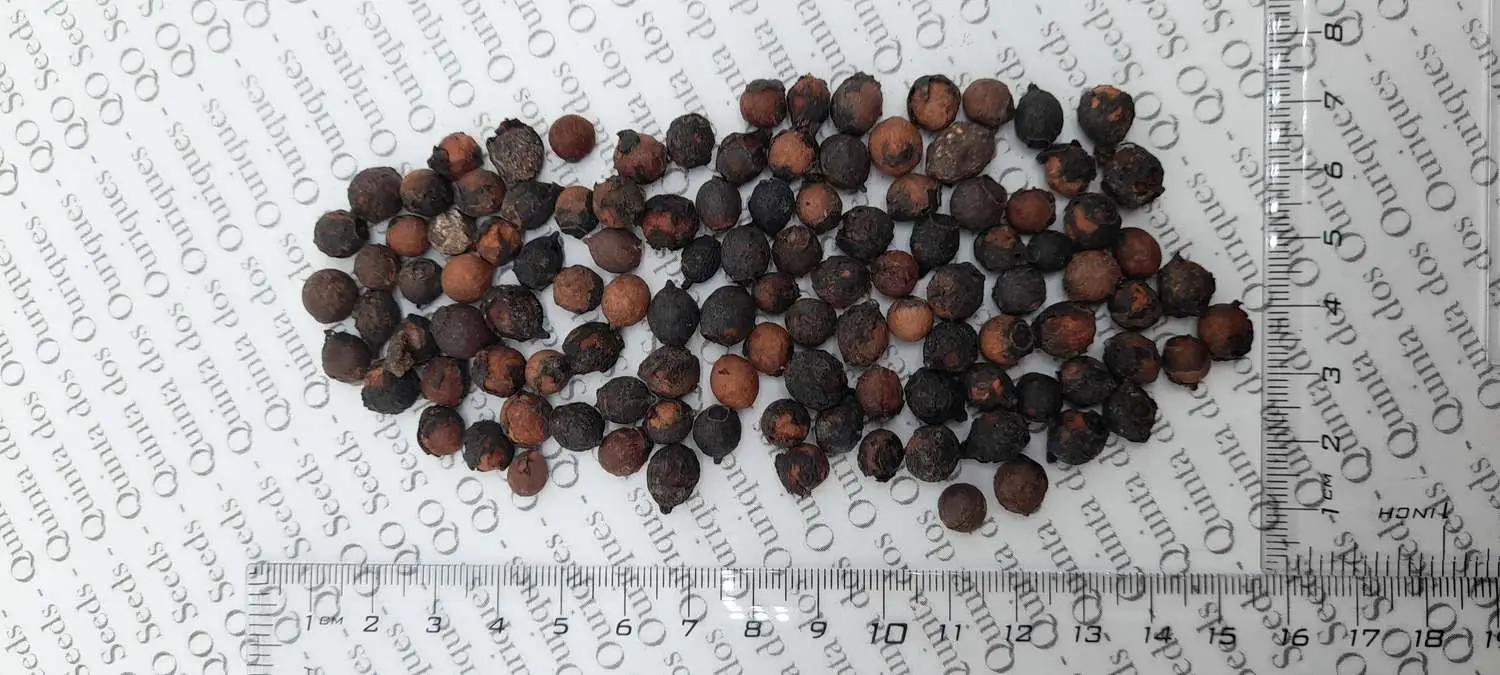
Cultivate the world’s second-most precious timber tree from seed. Santalum album yields extraordinary essential oil prized in luxury perfumes, cosmetics, and high-end skincare for its legendary calming aroma and anti-aging power. The heartwood oil contains more antioxidants than Vitamin E. Warm tropical climate required; worth every year of anticipation. Own your own precious sandalwood.
€2.98
This is not merely a tree—this is liquid gold waiting to unfold in your garden.
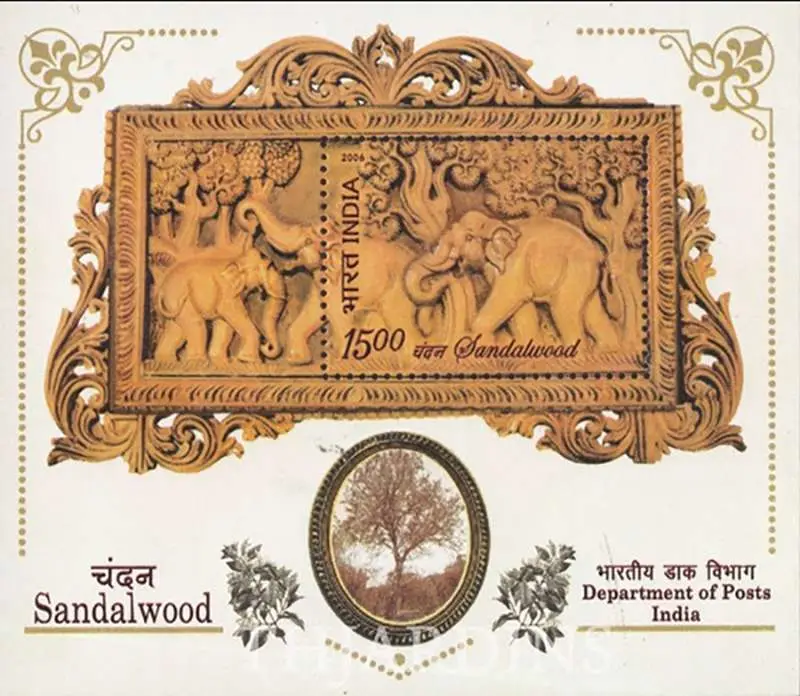
Santalum album, Indian Sandalwood, is among the rarest and most coveted botanical treasures on Earth. The second-most costly plant in the world, it has captivated perfumers, cosmetic artisans, and wellness seekers for millennia. It has been mentioned in ancient Indian texts such as the Vedas and the Ramayana, where it is revered for its aromatic properties and spiritual significance. To grow it from seed is to join a legacy spanning centuries.
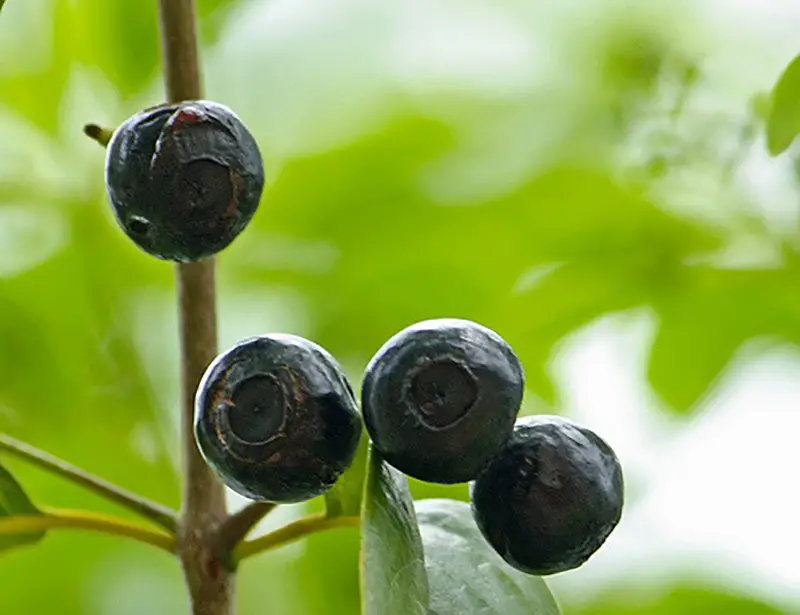
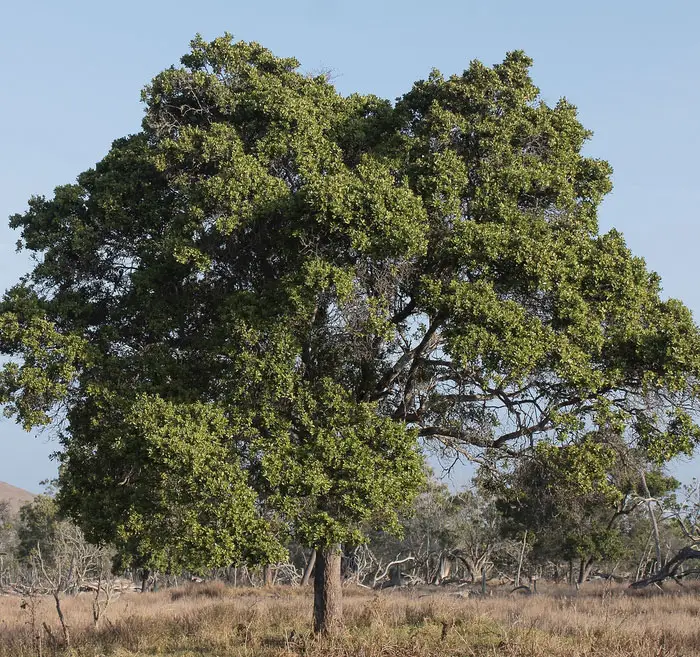
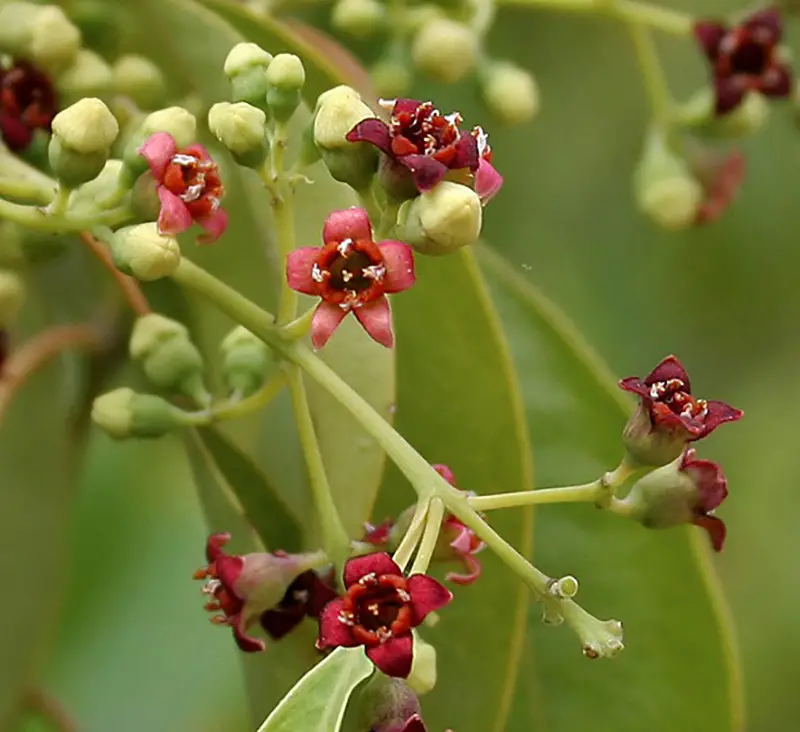
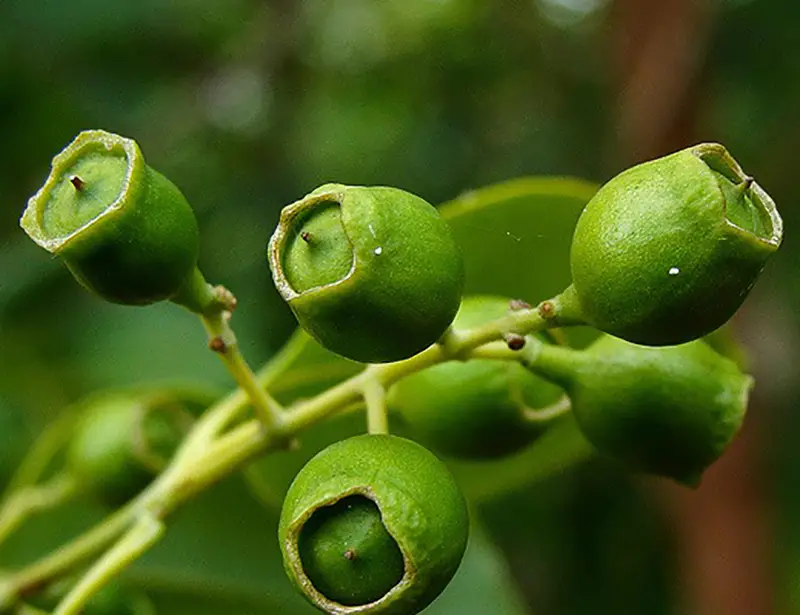
Native to India and Southeast Asia, Santalum album is an evergreen tree that can grow to a height of 20 m and flowers and fruits twice a year during March-April and September-October. It has leathery leaves, small white flowers, and oval-shaped fruits, while the bark is dark grey or near-black and rough, with thin vertical fissures—a striking portrait of botanical maturity. But beauty is merely the preface. The true magic lies within.
**THE ESSENTIAL OIL: Your Gateway to the Luxury Industry**
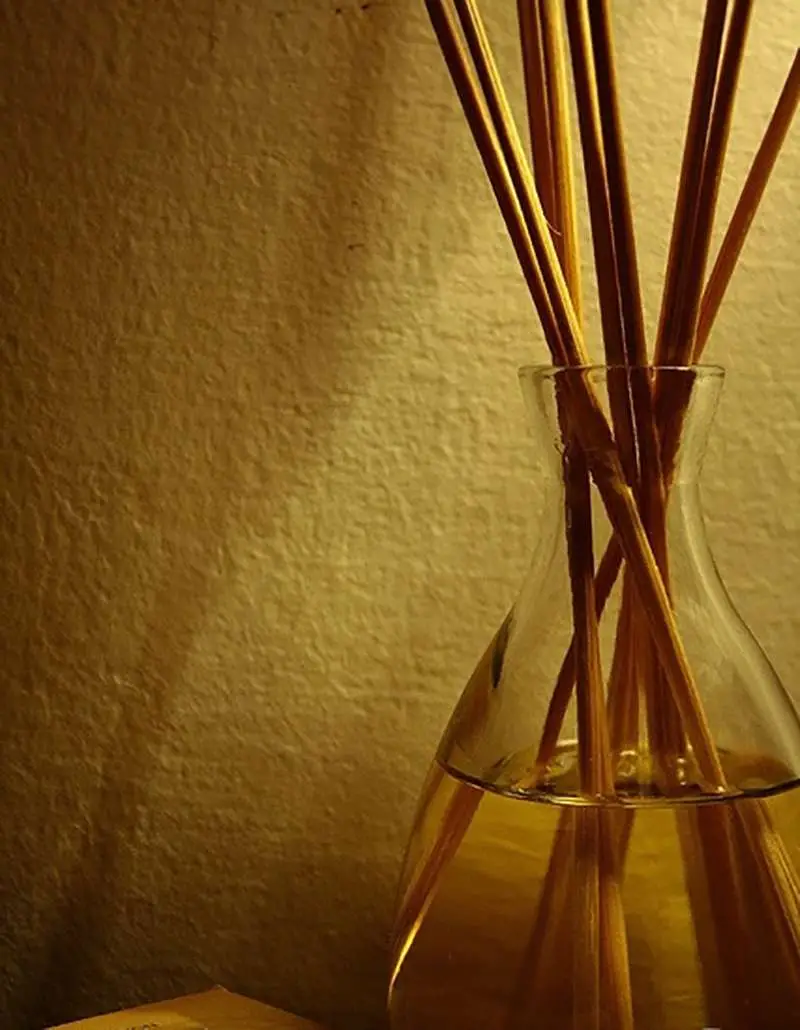
Every grower who nurtures Santalum album dreams of one prize: the heartwood. The most prized part of the tree is the heartwood, which is rich in essential oils that give Indian Sandalwood its distinctive fragrance. Sandalwood oil is highly demanded in perfumery, cosmetic, and aromatherapy industries, commanding staggering prices. One of perfumery’s most revered substances, Indian Sandalwood is beloved for its sweet, warm, woody and rich aroma and is a world-renowned and highly desired ingredient in body care, skin care, natural perfumes, and incense for its incomparable fragrance and deeply calming effects.
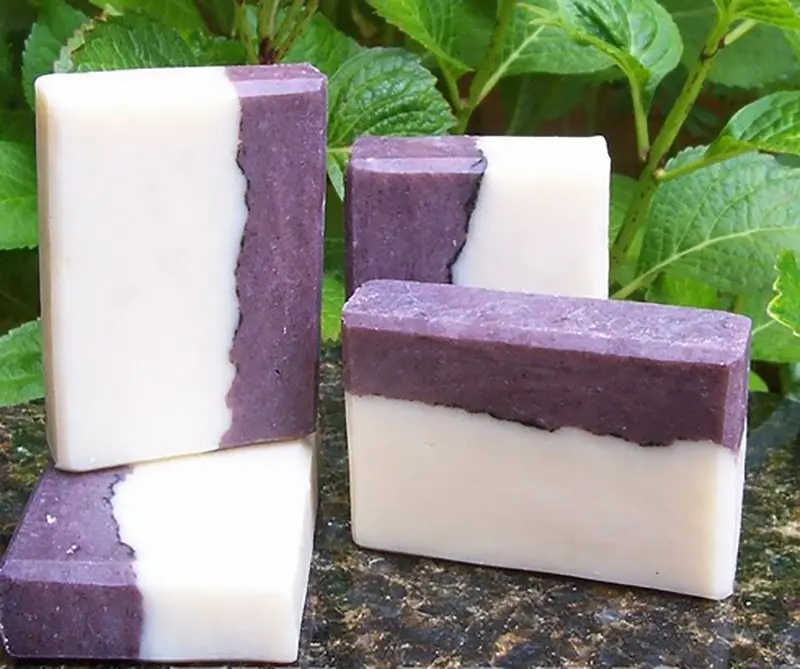
But perfumery is only the beginning. A recent study in Cosmetics showed that Indian sandalwood has more antioxidants than Vitamin E and can significantly decrease damage to collagen in skin tissues, and could serve as a protective and anti-aging ingredient. This is not marketing hyperbole—this is why luxury skincare brands pay fortunes for every drop. The essential oil extracted from Indian Sandalwood is highly prized for its calming and soothing properties, making it a popular ingredient in skincare and beauty products. The wood of this species is highly prized for carving and its aromatic heartwood oil is widely used in attar, perfumes, cosmetics, soaps, toiletries, medicinal products, flavored tobacco, and areca nut products.
The healing properties are equally profound. Its medicinal properties consist of a wide range of uses including antimicrobial and antifungal properties, and the versatile therapeutic and health-care importance of sandalwood is attributed to its rich source of phytochemicals, particularly sesquiterpenes. For centuries, sandalwood has been used in traditional Chinese and Ayurvedic medicine for its healing properties, and it has played a significant role in religious ceremonies and rituals in Hinduism, Buddhism, and other faiths.
**Cultivation: Patient Love Rewarded**
Santalum album is not for the impatient gardener, but neither is it impossibly demanding. It grows naturally in sub-humid to moderately humid tropical lowland to mid-elevation climates, generally frost-free areas with annual lows of 18 to 24°C, annual highs of 27 to 36°C, annual rainfall of 600 to 2200 mm and a dry season of 3 to 8 months. Indian sandalwood requires bright, direct sunlight for optimal growth and thrives in warm, humid conditions and prefers moderate temperatures. It grows on a wide range of free-draining soils, including clay-loam, loam, sandy-loam and loamy-sand, but is reported to produce
Only logged in customers who have purchased this product may leave a review.

Reviews
There are no reviews yet.