
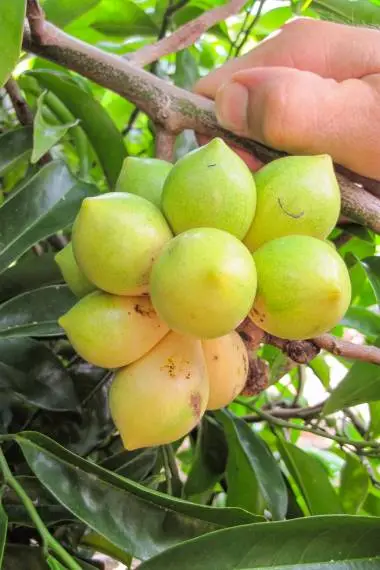
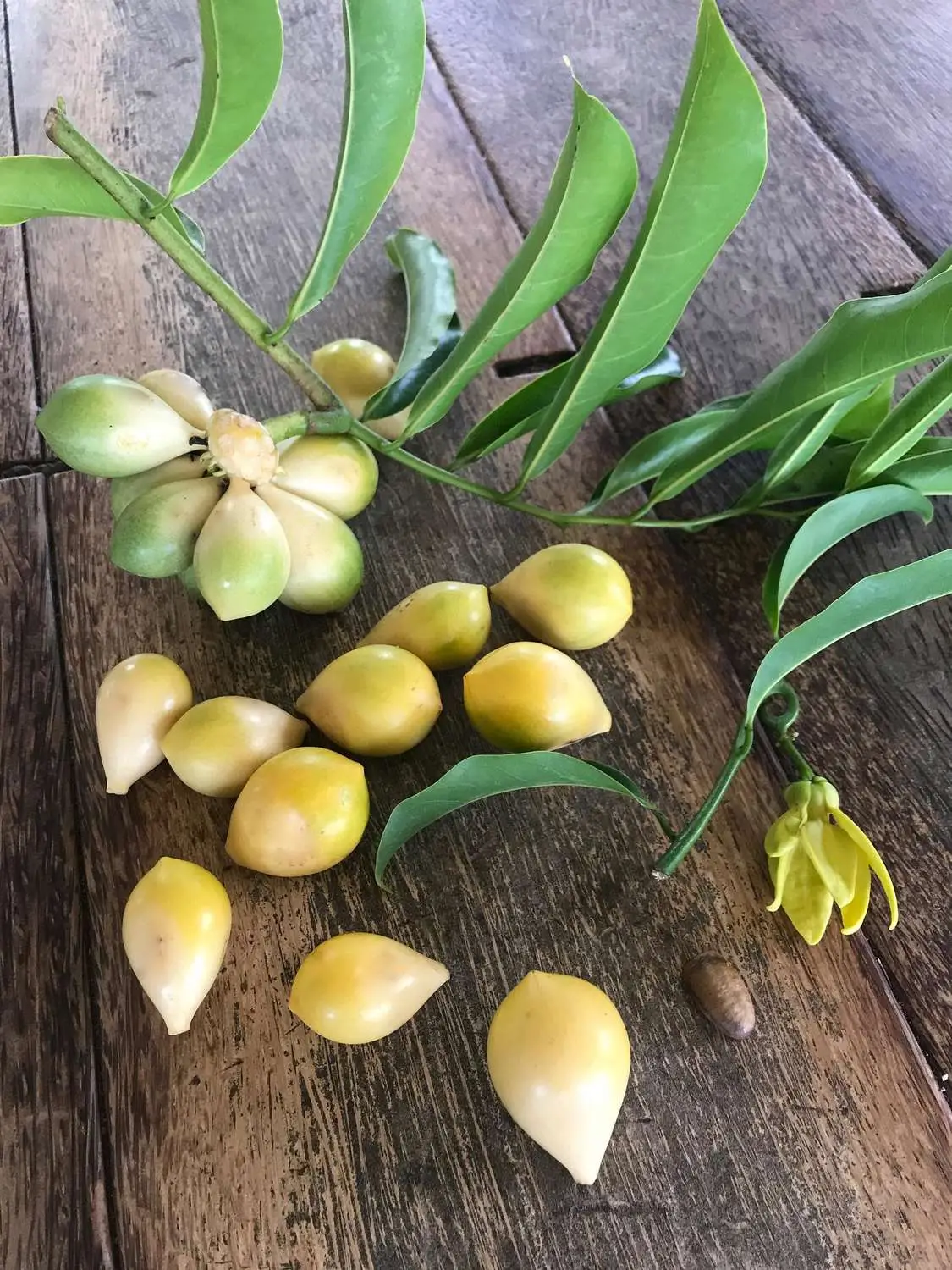

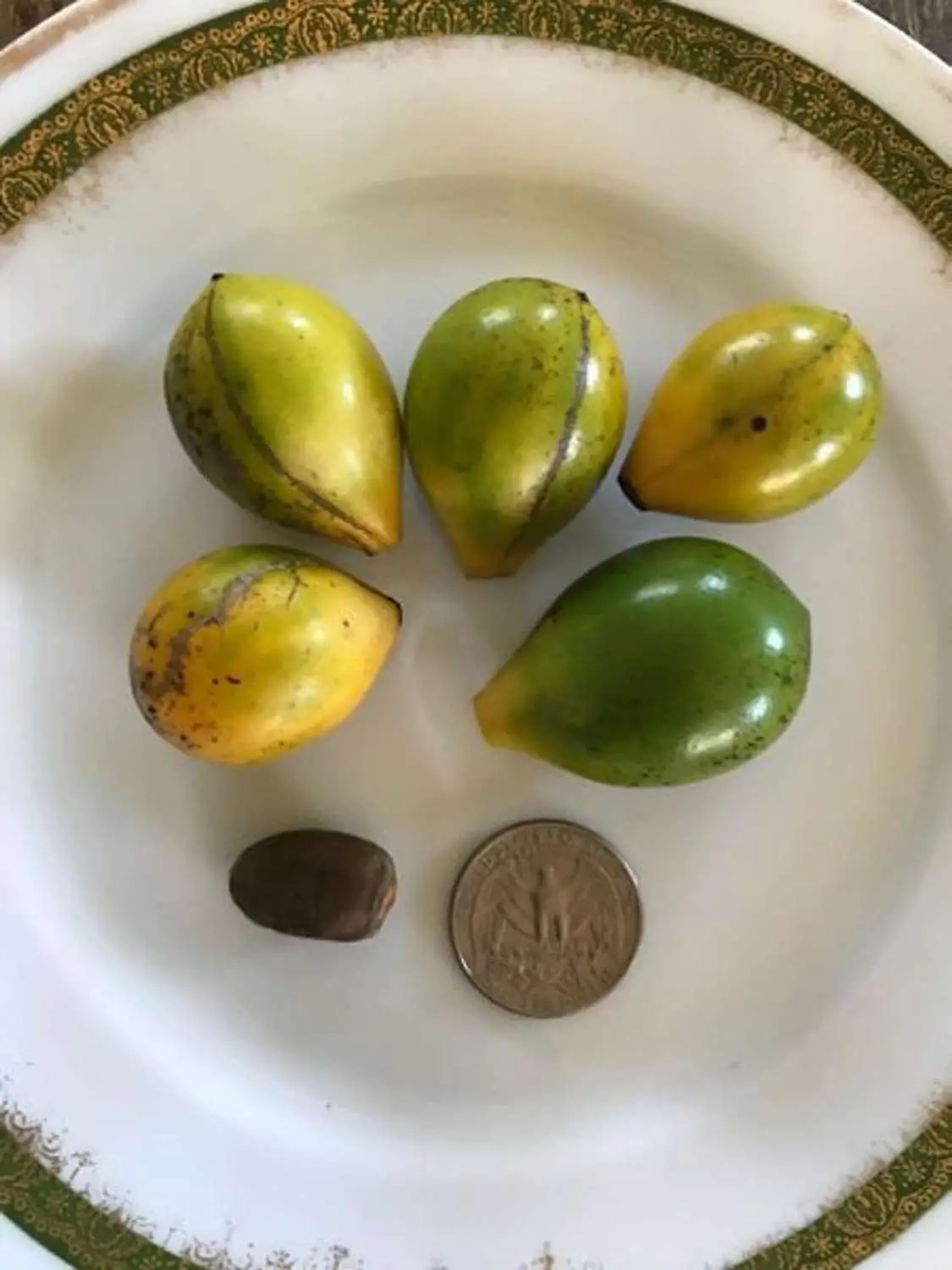
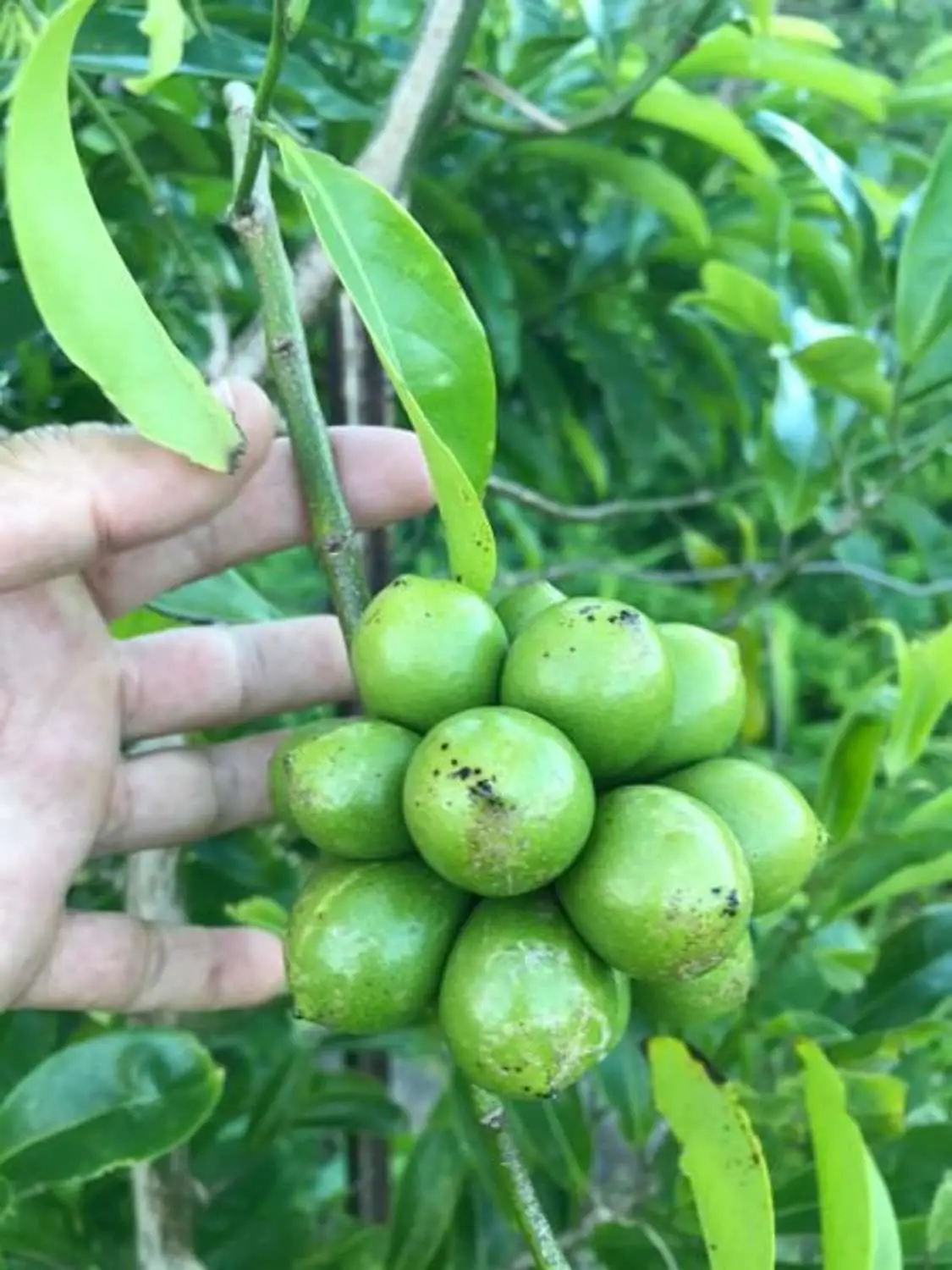
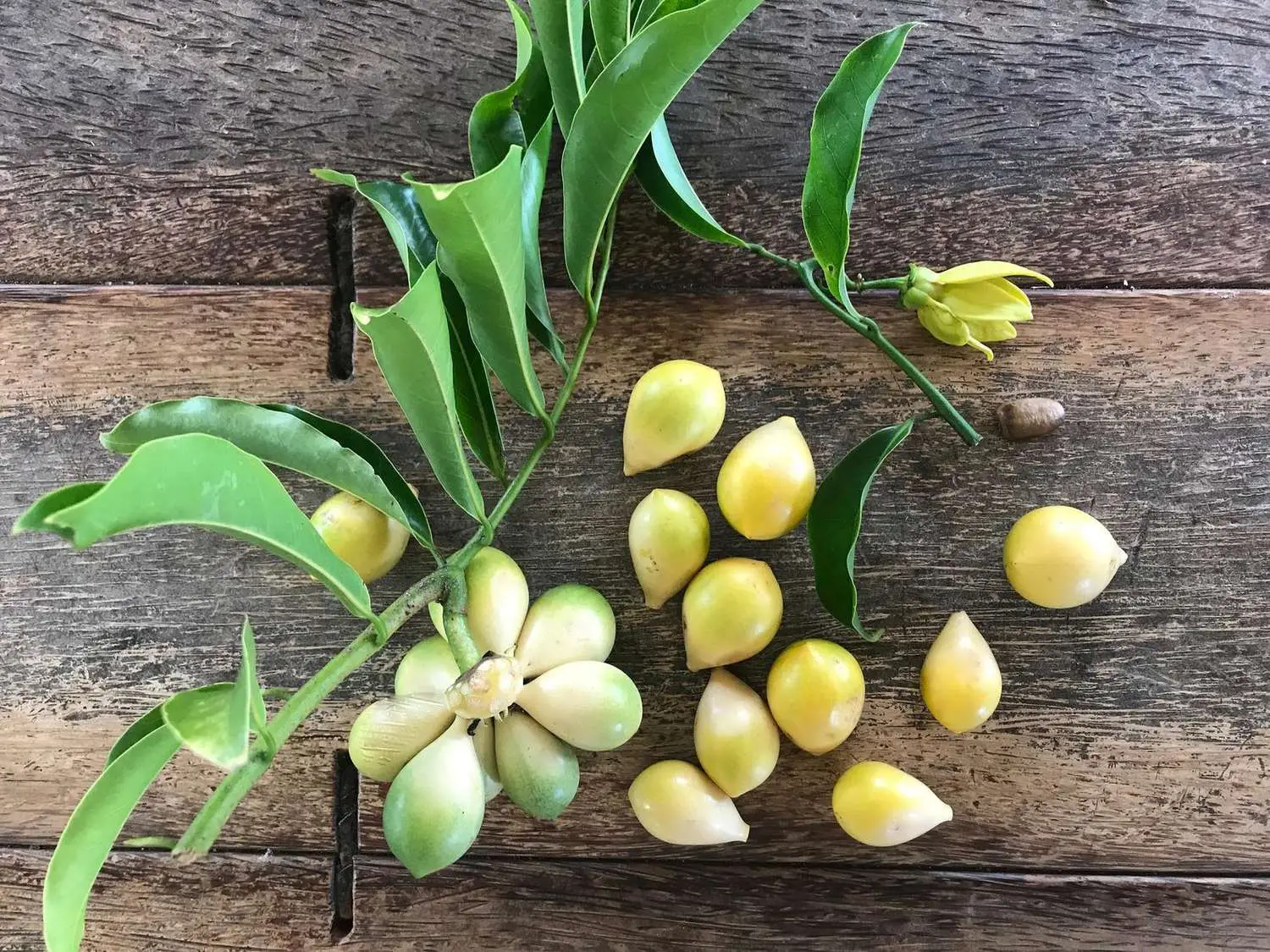
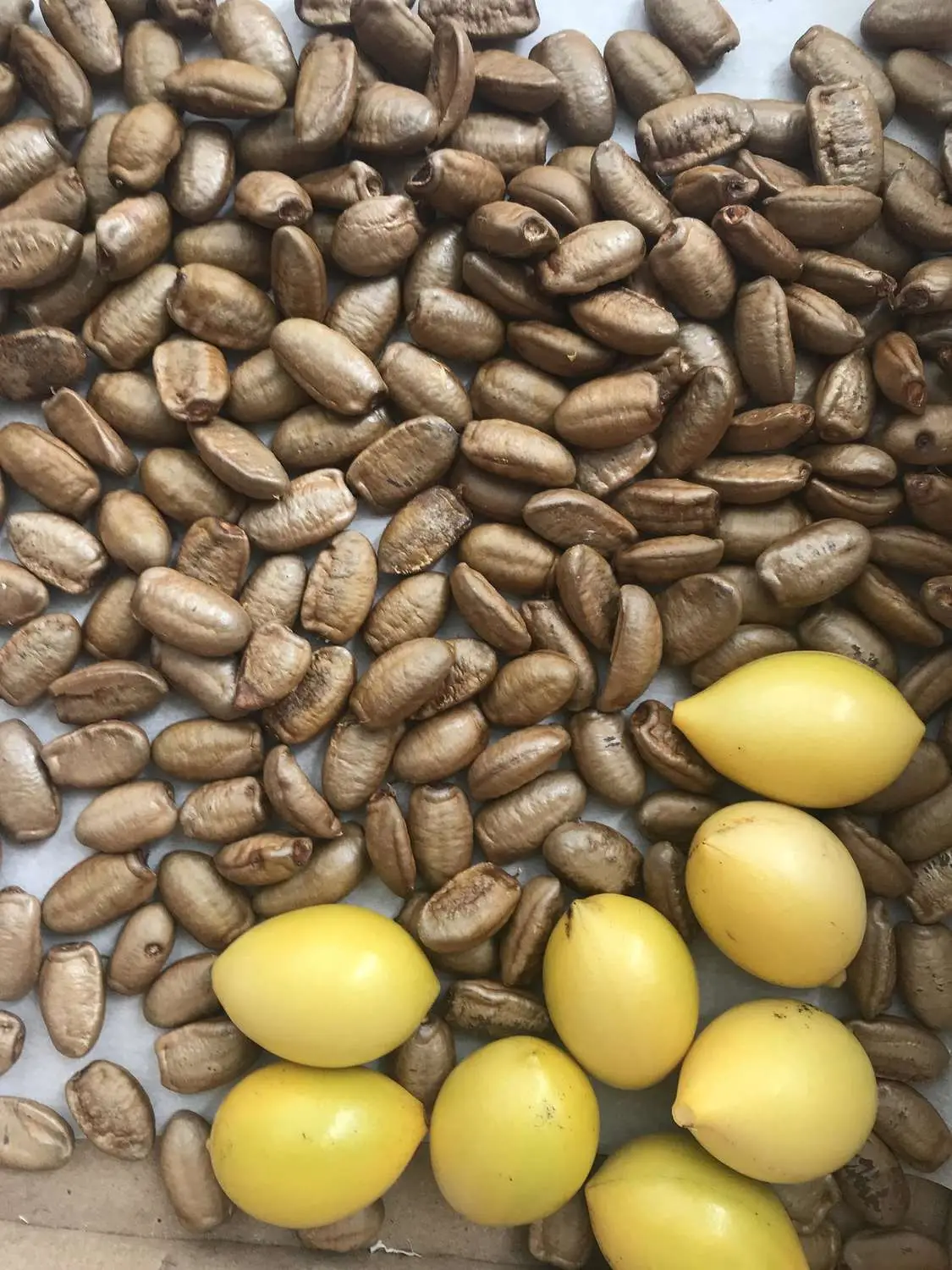

Grow your own living perfumery. This exotic Annonaceae climber produces flowers so intoxicatingly fragrant they’ve been used for centuries to calm anxiety and elevate mood. Extract essential oils, steep petals for tea, or simply let the aroma drench your garden in peace. Surprisingly easy to grow from seed—within years, you’ll have an evergreen vine that blooms endlessly, turning every corner into an aromatherapy sanctuary.
€8.48
Imagine stepping into your garden and being embraced by a fragrance so heady, so transporting, that it stops you mid-breath—that is Artabotrys hexapetalus, the Climbing Ylang-Ylang, one of tropical Asia’s best-kept secrets.
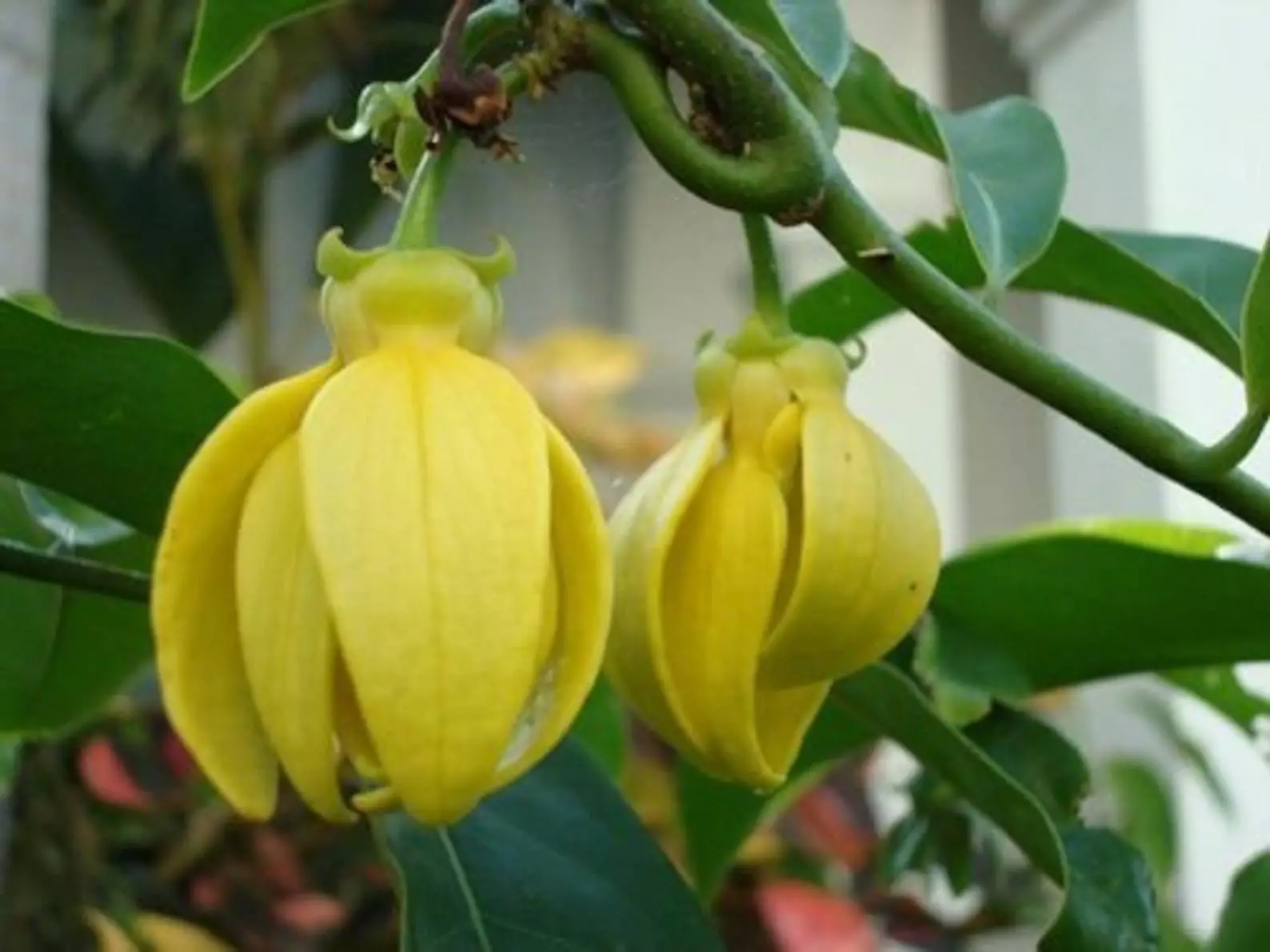
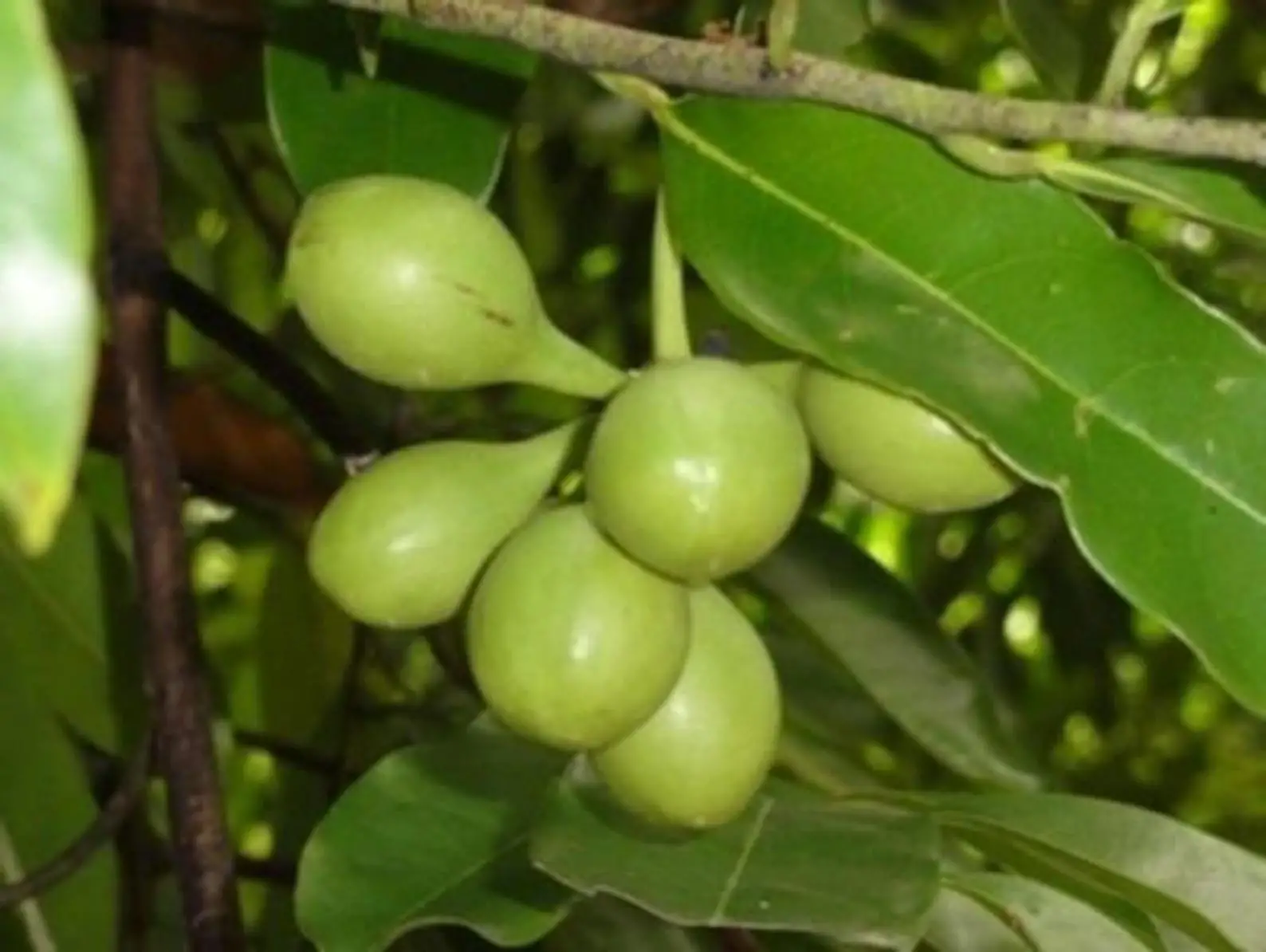
Native to India, Burma, southern China, and Taiwan, this woody climber belongs to the storied Annonaceae family (the same lineage as ylang-ylang and custard apples) and has captivated gardeners and healers for centuries. It begins life as a graceful shrub, then—at around 5 to 6 feet tall—it transforms into a vigorous, non-aggressive vine that can climb 20 feet or more. Its leaves are glossy, dark green, and lance-shaped, creating a lush backdrop for what truly steals the show: the flowers. Beginning as delicate greenish buds, these star-like blooms mature into canary yellow, sometimes tinged with chartreuse. They arrive in clusters or pairs along hooked, recurved stems—nature’s clever climbing hooks.
But it is the fragrance that makes this plant legendary. The flowers emit an exotic, intoxicating scent with fruity notes reminiscent of ripened jackfruit and undertones of lemon candy and melon. This is not a subtle whisper—it is a full, far-reaching botanical perfume that can perfume an entire room and linger for days once picked. For centuries, traditional healers in India, Kerala, and Southeast Asia understood what modern aromatherapy is rediscovering: that this fragrance calms anxiety, promotes sleep, and lifts the spirit. In medieval Sanskrit texts like the Vajradruma Tantra, it was praised for its sweet scent and soporific properties. Local healers would hang fresh garlands around patients’ bedsides to alleviate insomnia; folk practitioners steeped dried flowers in warm baths to ease muscle tension. Today, extracts power high-end perfumes and essential oils, while herbalists brew its petals as a gentle digestive tea. The flowers are also famously long-lasting—cut a stem and it will release fragrance for days, making them perfect for fresh arrangements, sachets, or direct infusion into your daily life.
Cultivating Artabotrys hexapetalus is refreshingly straightforward. This plant is sturdy and easy to grow, even from seed. It thrives in full sun to partial shade (ideally bright, indirect light) and prefers consistently warm temperatures between 70–80°F. While it loves regular water, it dislikes waterlogged soil—think Goldilocks: moist but never soggy. Well-draining potting mix is your friend. The plant adapts to various soil types and is remarkably salt-tolerant, making it suitable even for coastal gardens. Zones 9–11 are ideal, though it can be containerized and brought indoors in cooler climates. It blooms abundantly and is virtually carefree once established. Patience is your only virtue required: seeds germinate within weeks to a few months when scarified and soaked, and it takes 3 to 5 years to reach full flowering maturity, but this gives you time to bond with your growing companion.
There is something profound about nurturing a plant that bridges the sensory and the medicinal, the ornamental and the practical. From seed to flowering vine, you are not simply growing a climber—you are cultivating your own living pharmacy and perfumery, a source of endless fragrance that will transform your garden, your home, and your sense of wellbeing. Begin with seed. Let time, sun, and water do their patient work. In a few years, every breeze will carry your secret garden’s exotic song.
Only logged in customers who have purchased this product may leave a review.
Reviews
There are no reviews yet.