FREE SHIPPING OVER €30 FREE SHIPPING OVER €30

Brassica oleracea var. gongylodes — Kohlrabi | Crisp UFO-Shaped Bulbs, Raw or Roasted

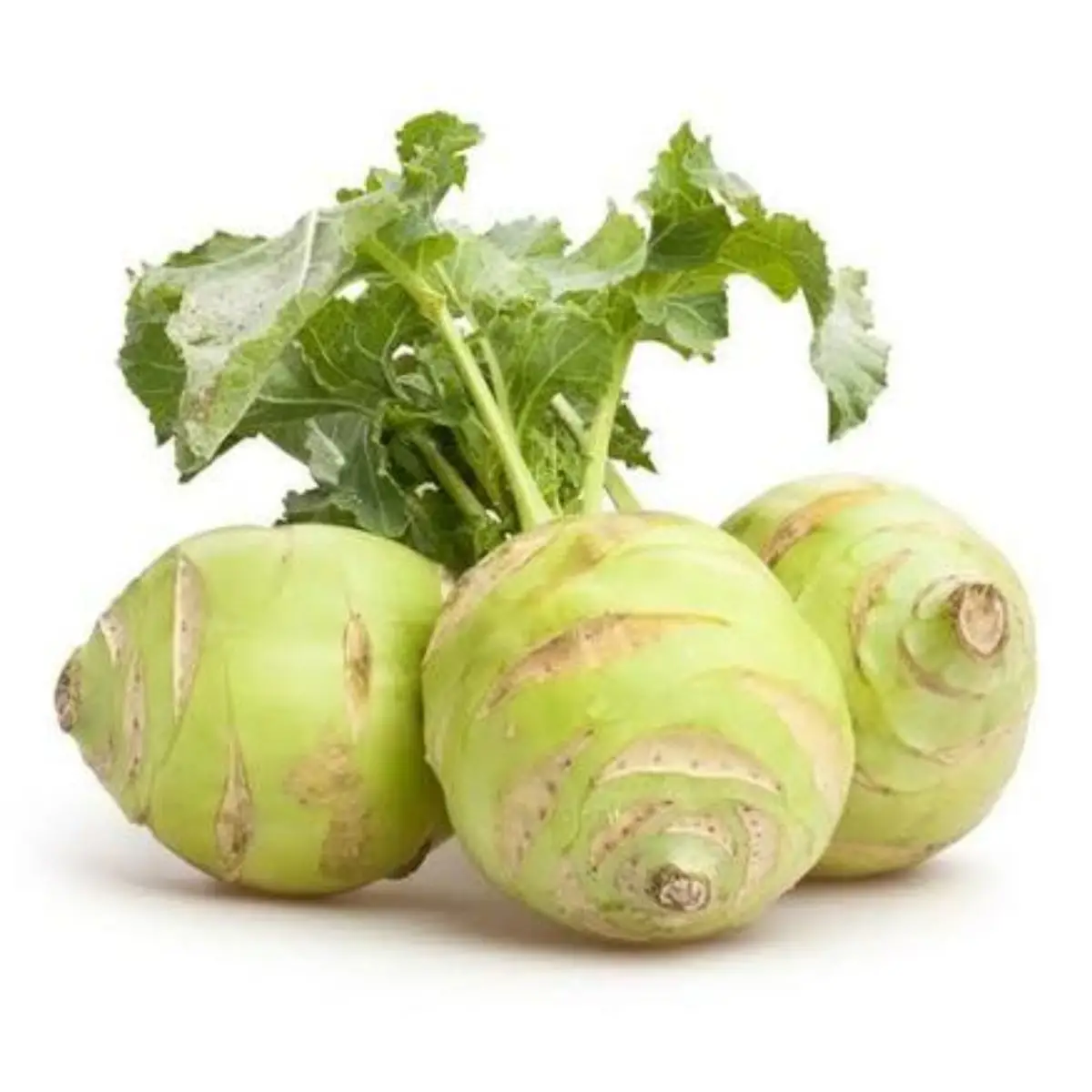
Forget turnips. This young stem is as crisp and juicy as an apple—but better. Kohlrabi’s peppery-sweet taste makes it versatile eaten raw in slaws, roasted, or added to soups and stews. Harvest the bulb tender and mild, or let the striking purple or pale-green orb swell gorgeously above soil. If given a chance, kohlrabi is simple to grow, fast to mature, and is generally pest-free. Grow from seed in cool seasons for a harvest in 50–60 days.

1.92

You May Also Like

Description

This strange, sputnik-shaped vegetable has no historical record before 1554 AD. What a discovery waiting to happen in your garden—and kitchen.

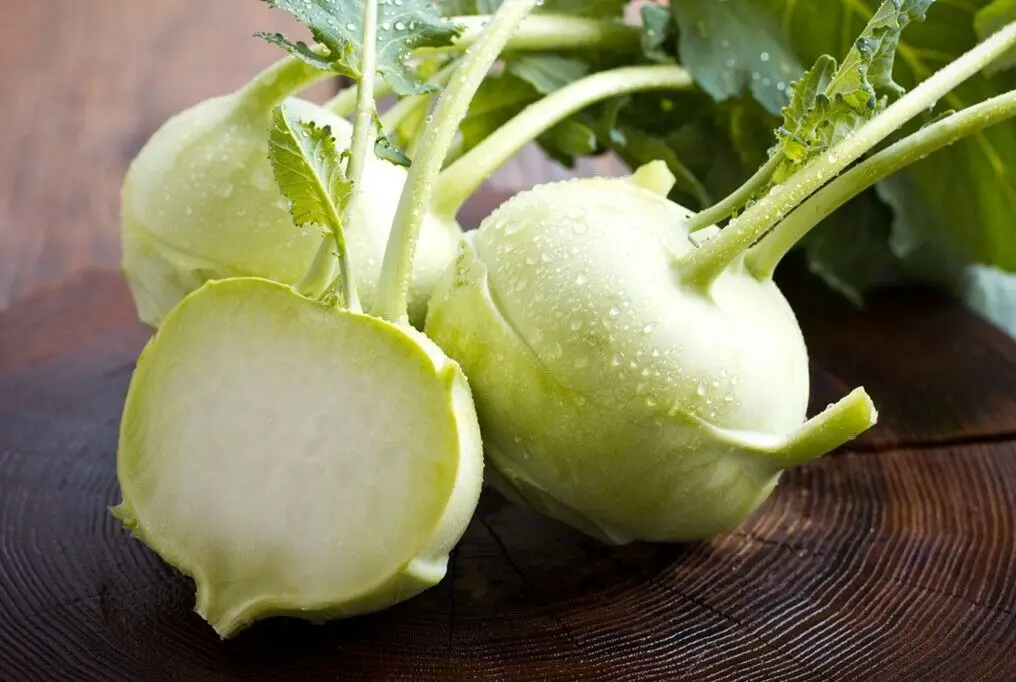
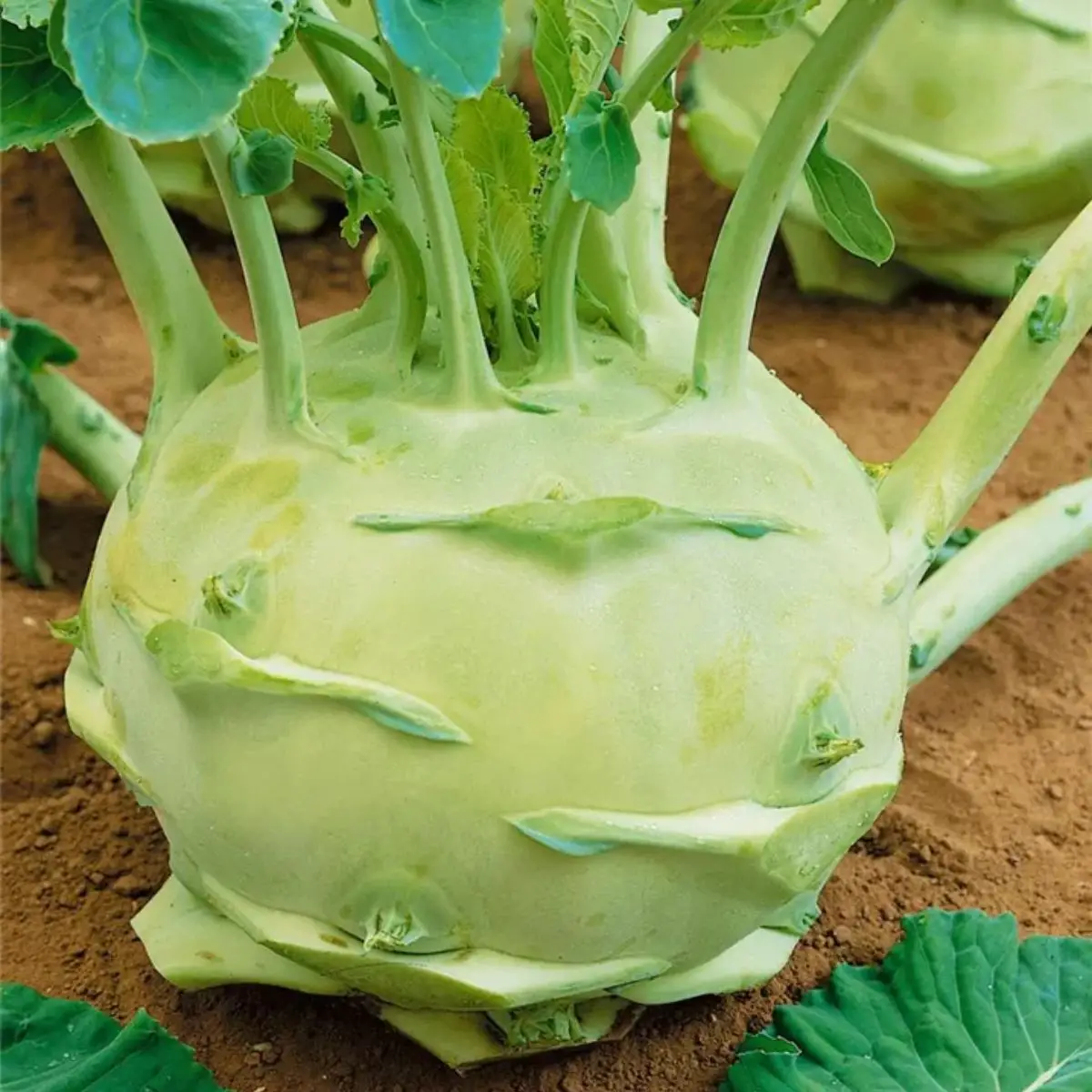
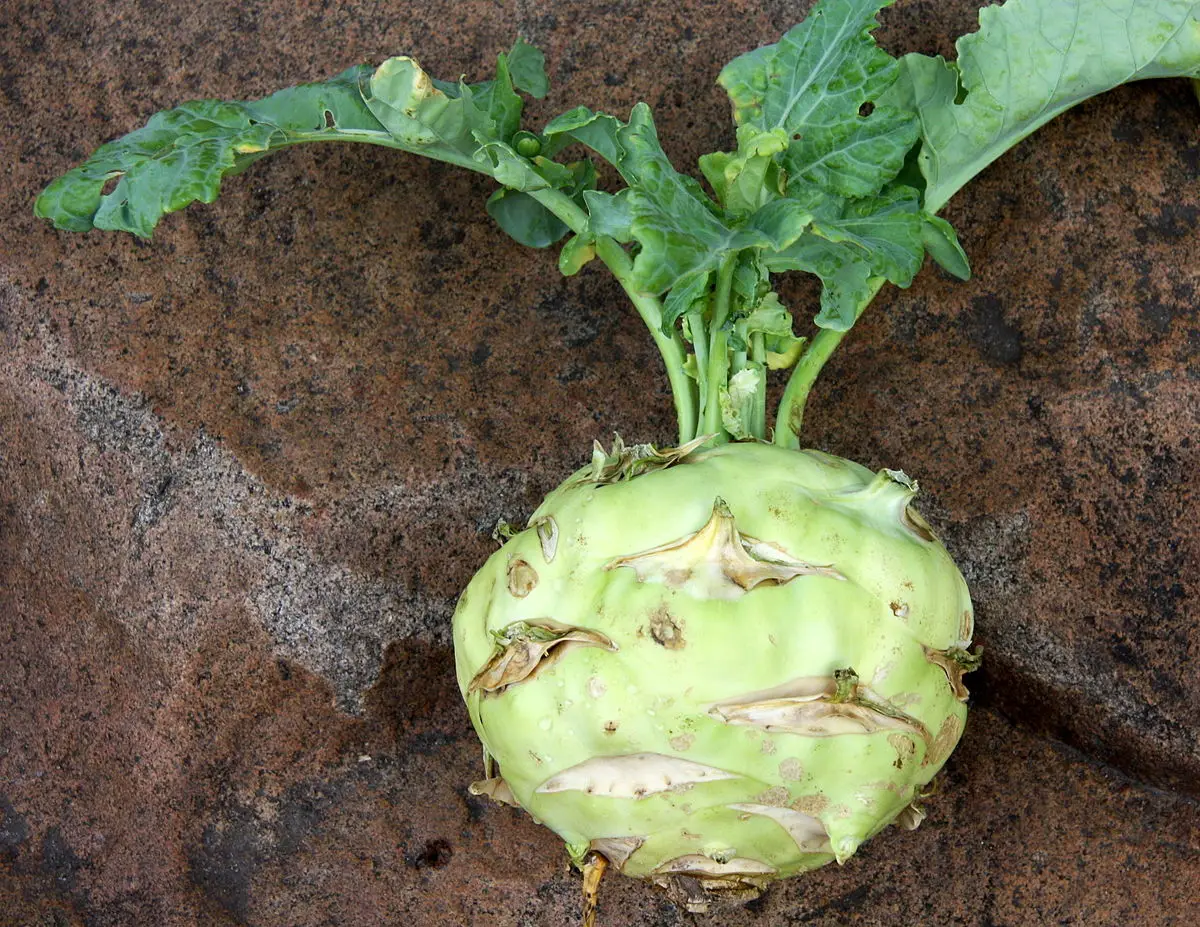
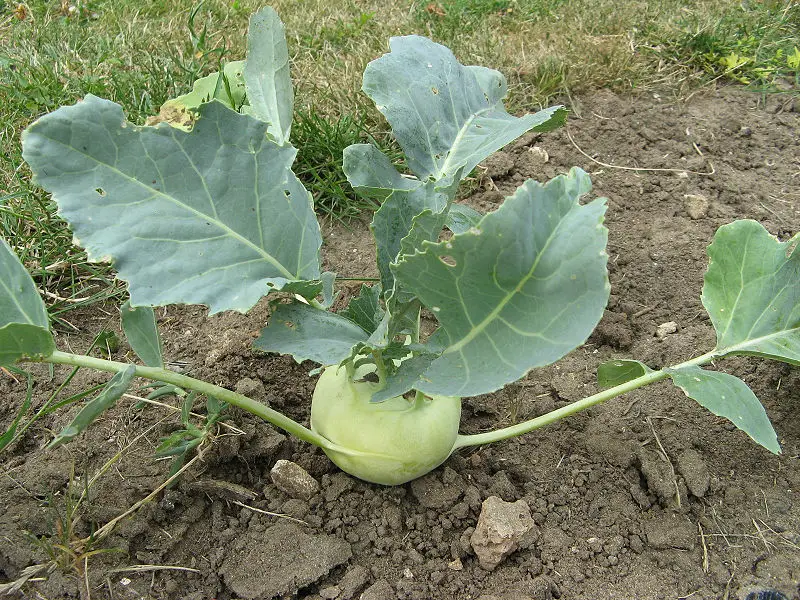
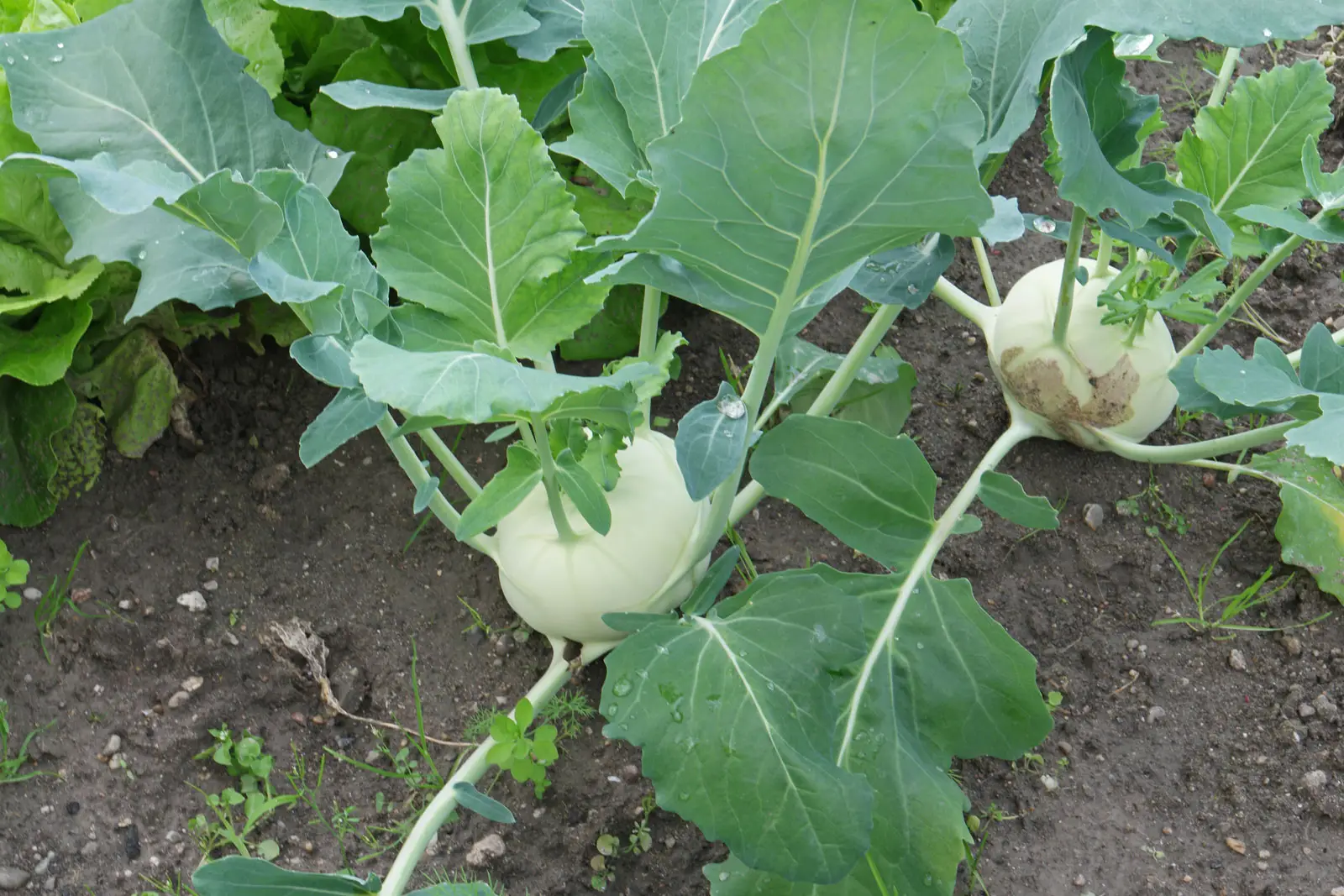
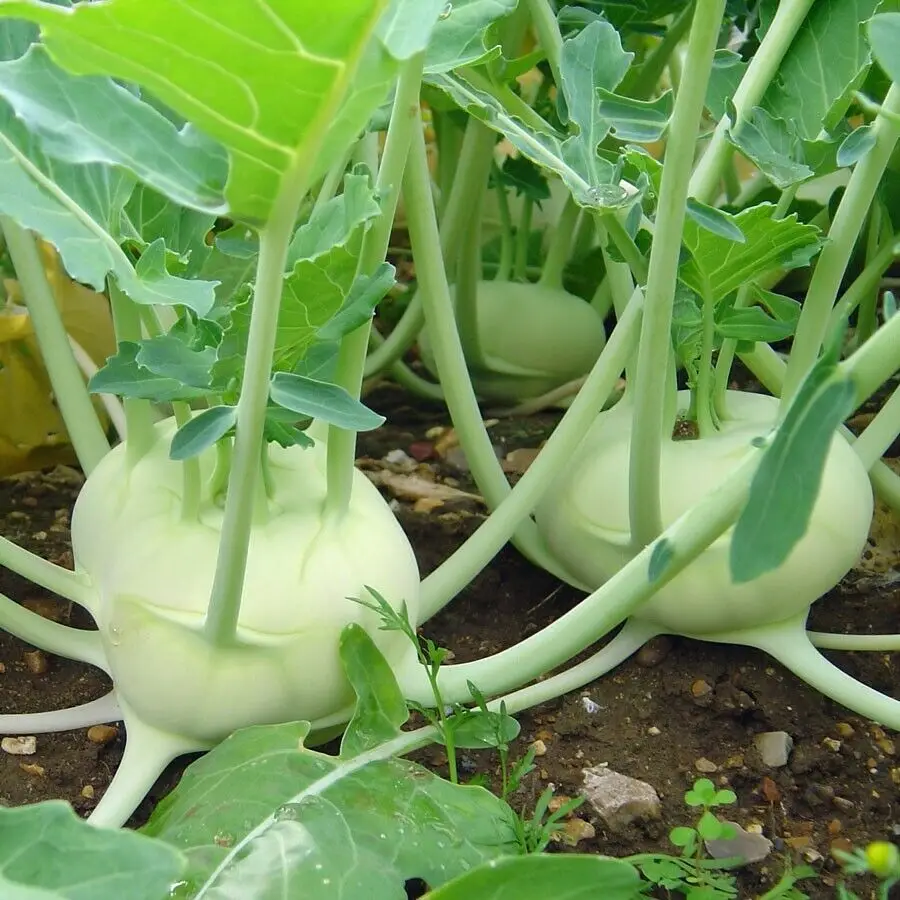
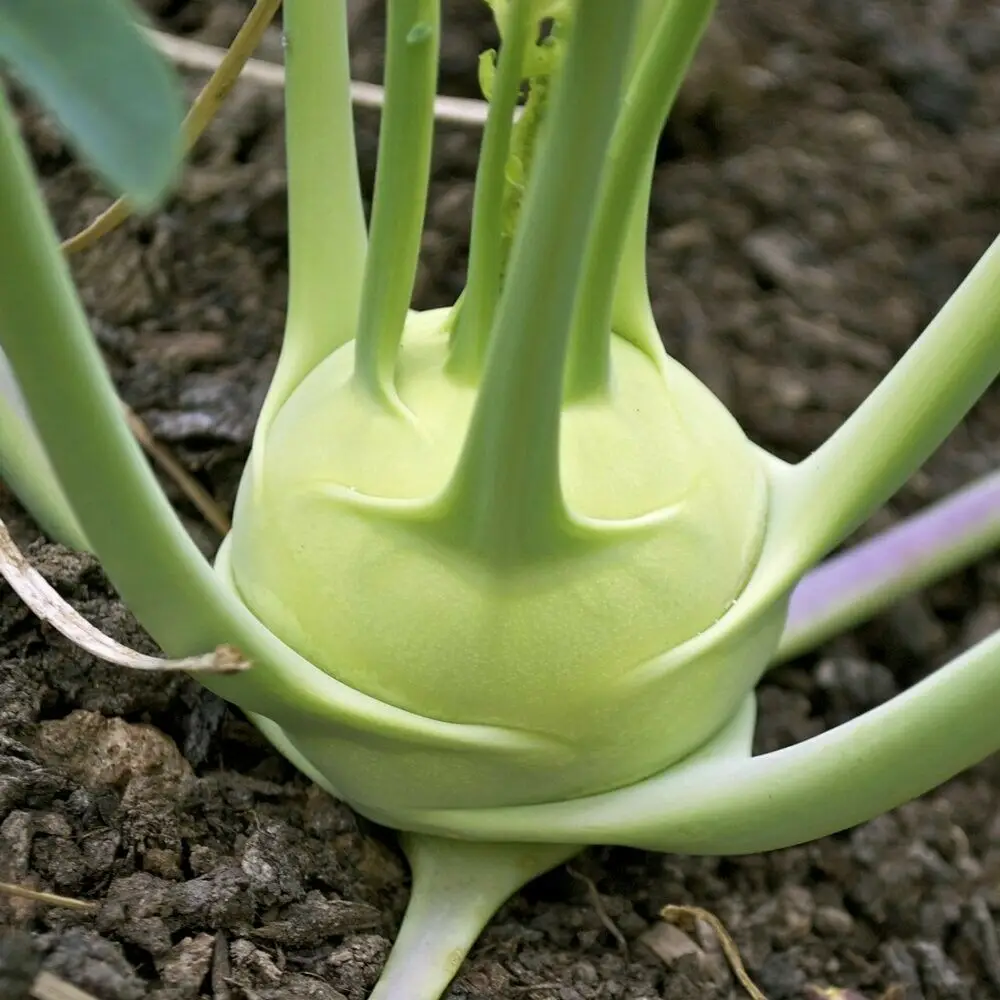
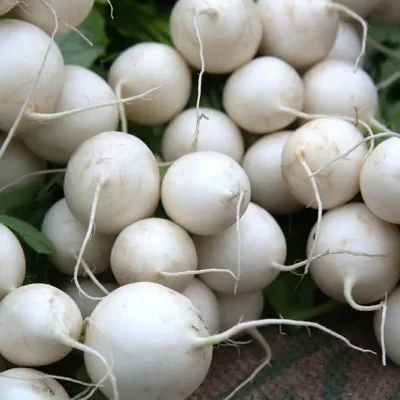
Kohlrabi has been created by artificial selection for lateral meristem growth (a swollen, nearly spherical shape); its origin in nature is the same as that of cabbage, broccoli, cauliflower, kale, collard greens, and Brussels sprouts: they are all bred from, and are the same species as, the wild cabbage plant (Brassica oleracea). But while kohlrabi’s cousins wear their excellence in tight heads and florets, kohlrabi displays its gift boldly: the kohlrabi plant has an erect stem which is swollen at the bottom, close to the soil. The swelling resembles a turnip in appearance, can reach up to 10 cm (4 in) in diameter and may be green, white or purple in color depending on the variety.

Here is the magic: eat it. The bulbous stem is most frequently used, typically raw in salad or slaws. It has a texture similar to that of a broccoli stem, but with a flavor that is sweeter and less vegetal. It is also more crunchy and crisp than a raw broccoli stem. One cup of kohlrabi contains 93% of your daily value of vitamin C. Slice it paper-thin for slaws, toss raw with salt and lemon, roast it until caramelized and tender, purée it into soups, or bite into a young bulb like an apple—some European communities enjoy eating the stems out of hand like an apple. The flesh can be sprinkled with salt or lemon juice or eaten with herb-based dips for added flavoring. Every preparation is a revelation of that mild, sweet, slightly peppery character. And don’t waste the leaves: kohlrabi leaves are edible and can be used similarly to collard greens and kale, but take longer to cook. You grow one plant and harvest two vegetables—leaves and bulb, from root to crown.

As for beauty, purple kohlrabi varieties are rarer than green kohlrabi types, but home gardeners value the pigmented plants for their ornamental nature. Purple kohlrabi appears in shades of light to dark purple. Picture them in your cool-season garden: luminous globes rising from a froth of green and purple-veined foliage, wholly unique, wholly captivating. As unusual as kohlrabi looks, it’s very attractive and the purple color provides an ornamental accent to the vegetable garden.

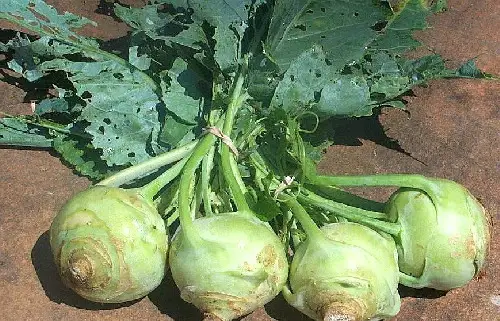
Growing kohlrabi is refreshingly straightforward—no fussing required. Kohlrabi grows fast (in as little as 6 weeks!), tastes like a sweet, peppery cross between a turnip and an apple, and is packed with nutrients from root to leaf. Cool-season vegetables grow best at temperatures between 60° and 70°F and can withstand light frosts without injury. Keep soil moist by giving plants 1 to 1.5 inches of water each week. The planting site should also receive at least 6 hours of direct sun each day. Kohlrabi prefers to grow in moisture retentive soil that is rich in organic matter. It performs best in full sun. Amend the soil with compost or leaf mold to get it off to a good start. Growing kohlrabi isn’t the hardest thing in the world, as kohlrabi is actually somewhat easy to grow. The real trick is harvesting on time: harvest kohlrabi when the bulb is two to three inches in width. If the bulb gets too large, it will become tough, woody and bitter. Young is tender. Young is sweet. Young is the moment to pick.

Grow this from seed and you’re not just planting a vegetable—you’re reviving a 500-year-old discovery, reclaiming a flavor that once graced Renaissance Italian gardens and German countryside tables, now returning to glory. Its resurgence in modern cuisine, particularly in farm-to-table and health-conscious cooking, demonstrates the revival of traditional vegetables in contemporary diets. Start seeds in spring or late summer. Watch them bulge from the soil in rapid grace. Then eat your own UFO, and taste why kohlrabi deserves a place at every hungry table.

Germination Guide

Easy

Brassica oleracea var. gongylodes, known as kohlrabi, is an edible stem vegetable with easy germination requirements and high viability.

Germination
Germination time
Expect germination in

5 – 10 days

Temperature

Min 10°C
Ideal 21°C
Max 30°C

Light
☁️ Indifferent

Substrate moisture
💧 Medium

Sowing depth
0.5 cm

Germination rate
80 %


Substrate & Container
Recommended substrate
solo fertil

Recommended container
bandeja de celulas


Growing Tips
Cool temperatures (60-70°F) preferred. No heating mat needed. Keep soil moist. Light can be bright. Germinate easily at optimum temperatures. Successful germination at lower temperatures, though slower.

Reviews

There are no reviews yet.

Only logged in customers who have purchased this product may leave a review.

Related Products