Description
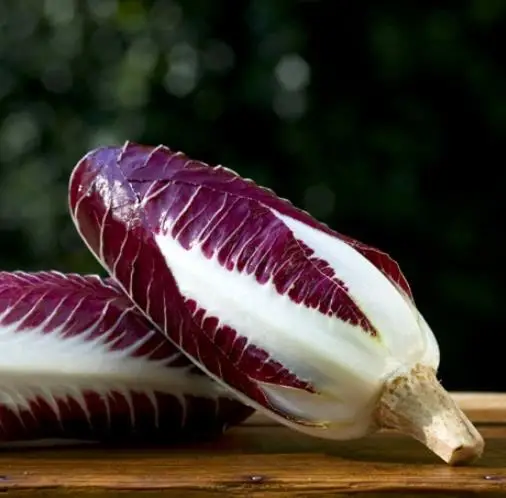
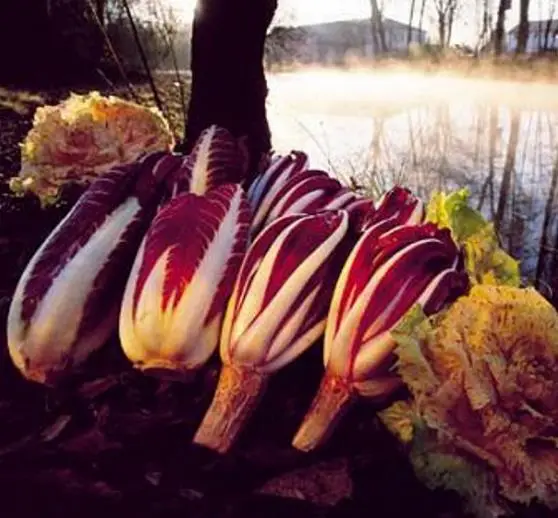
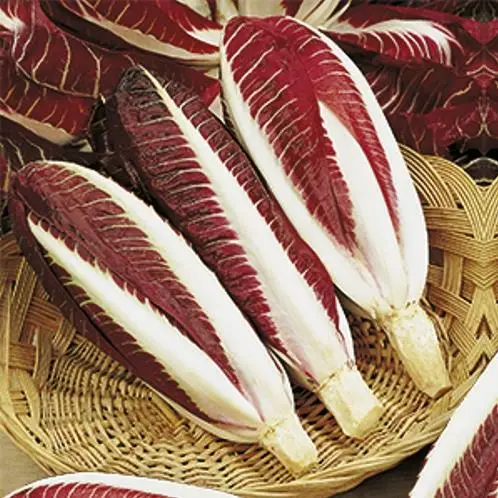
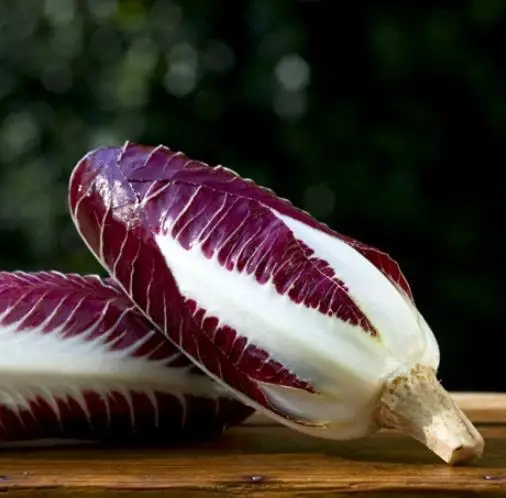
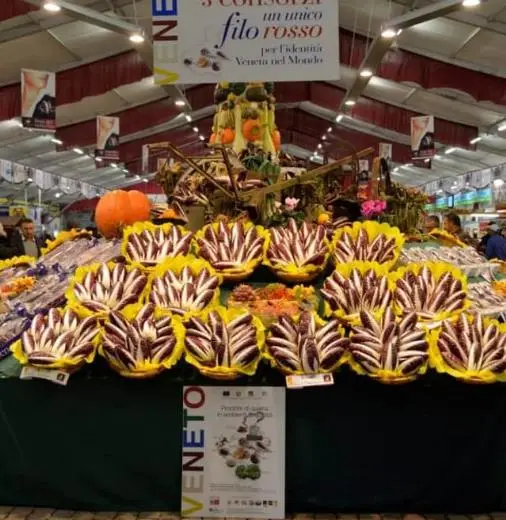
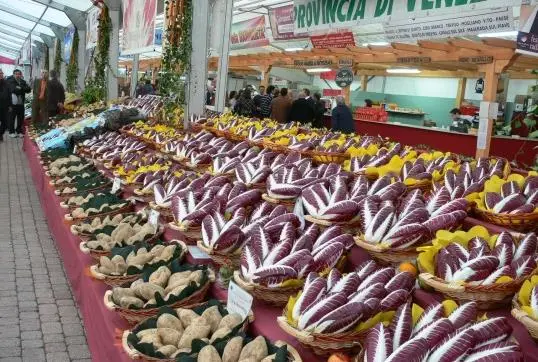
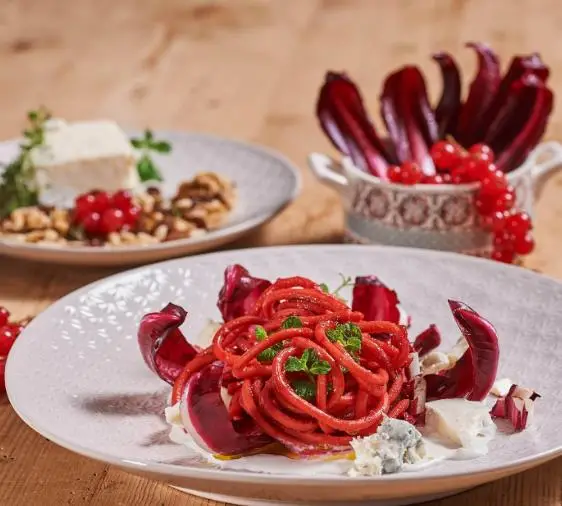
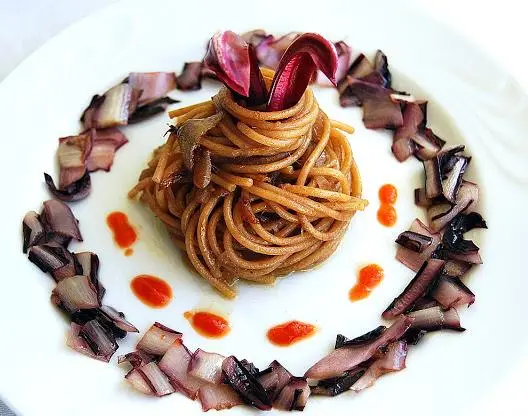
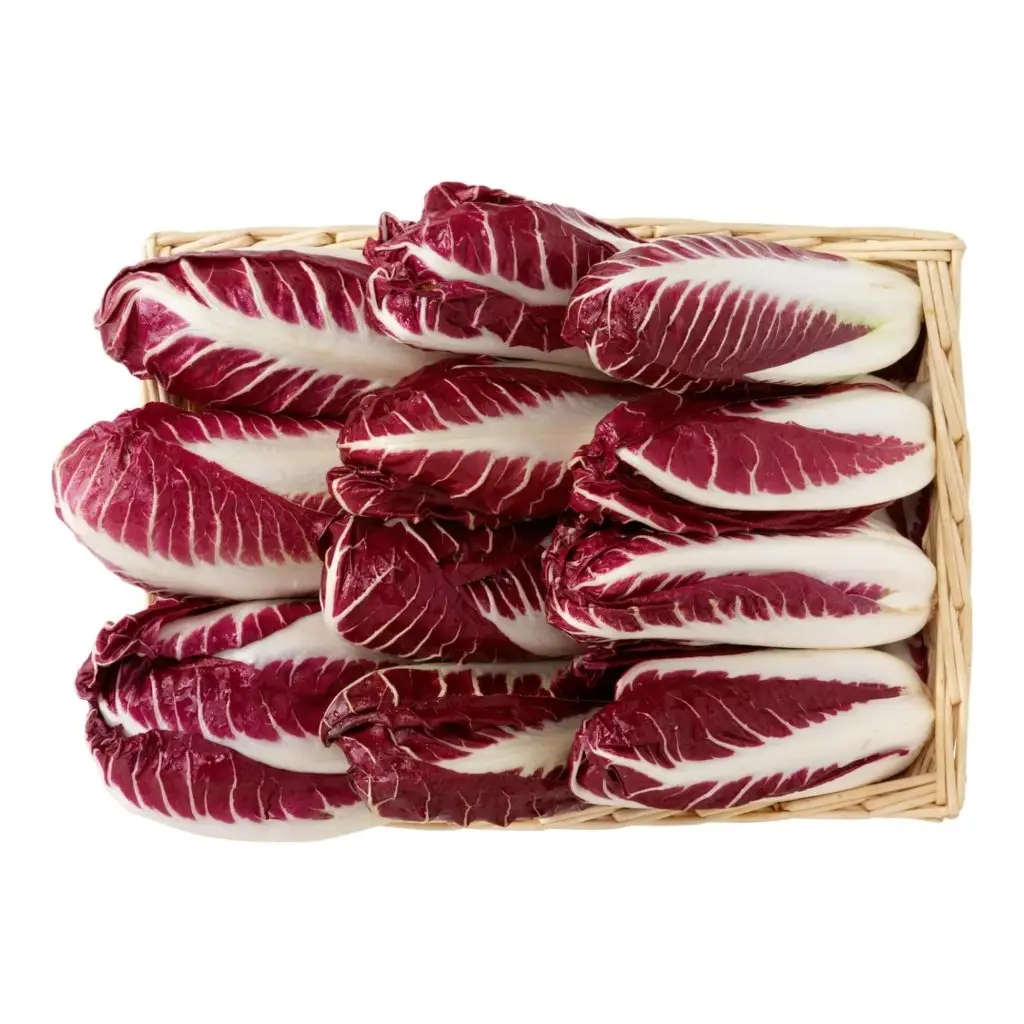
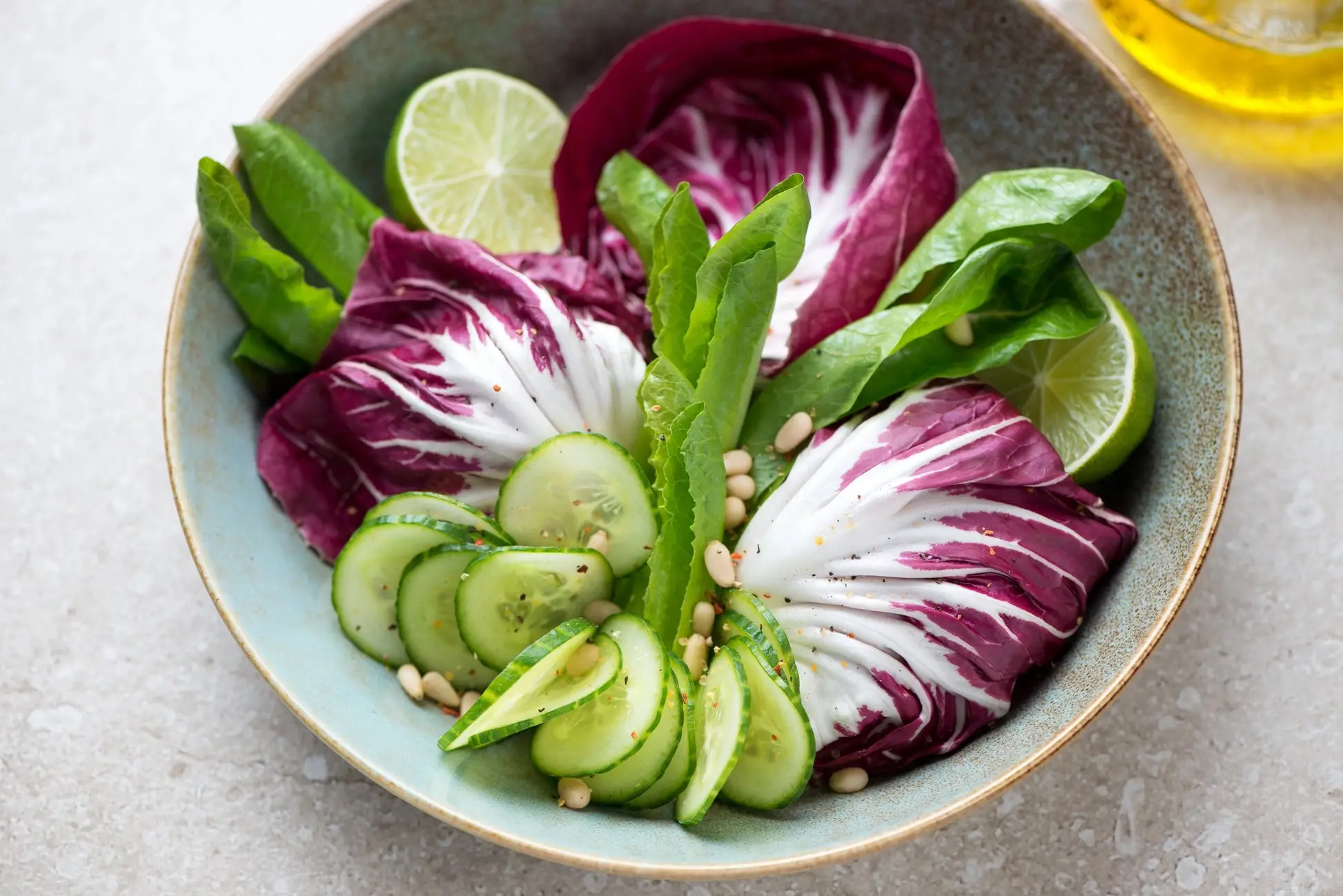
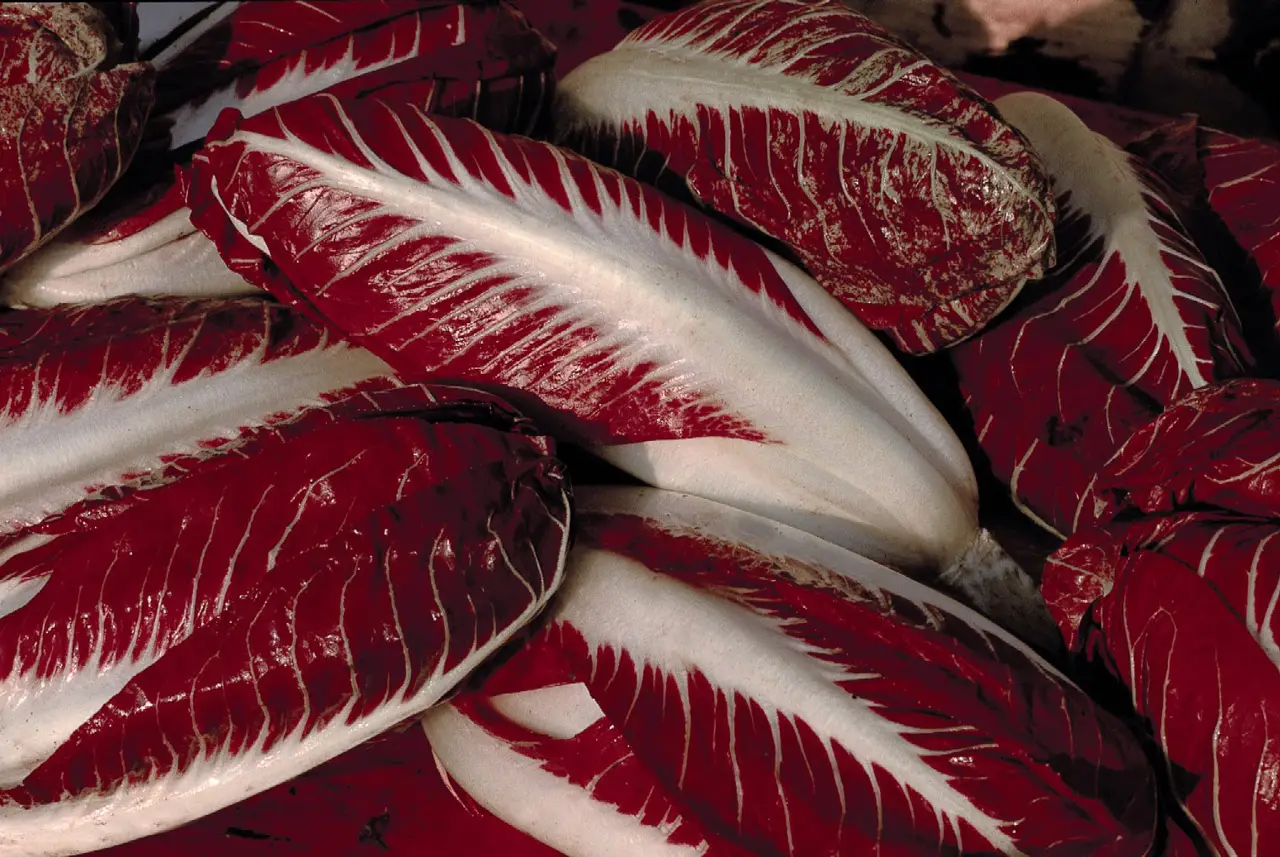
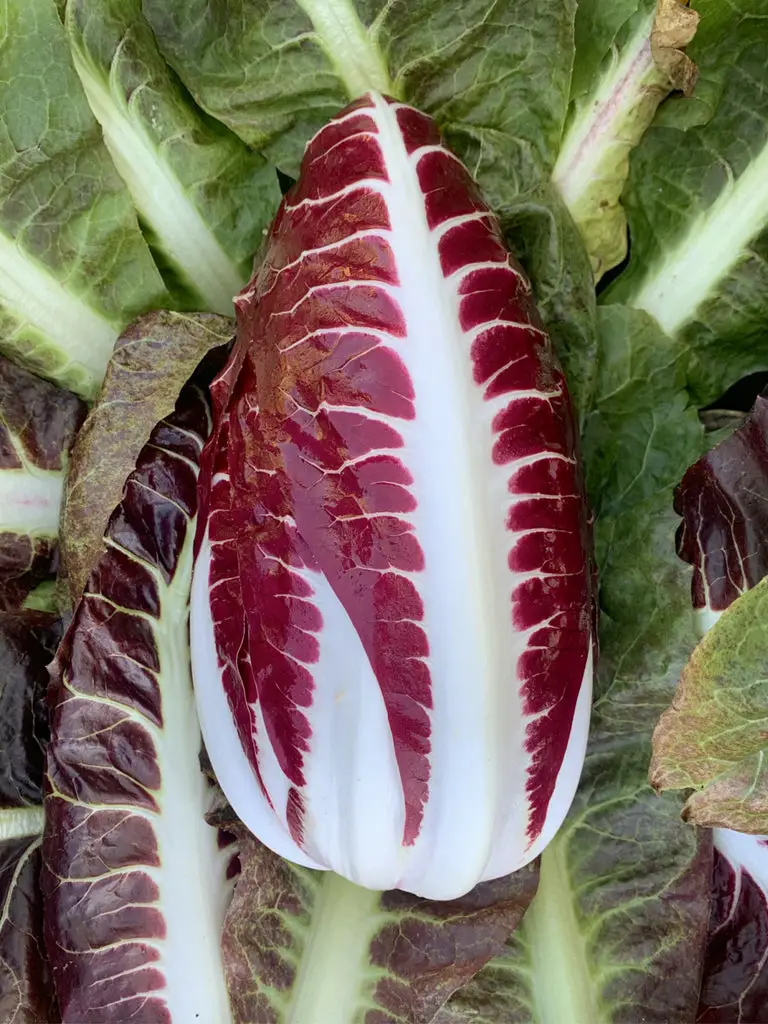
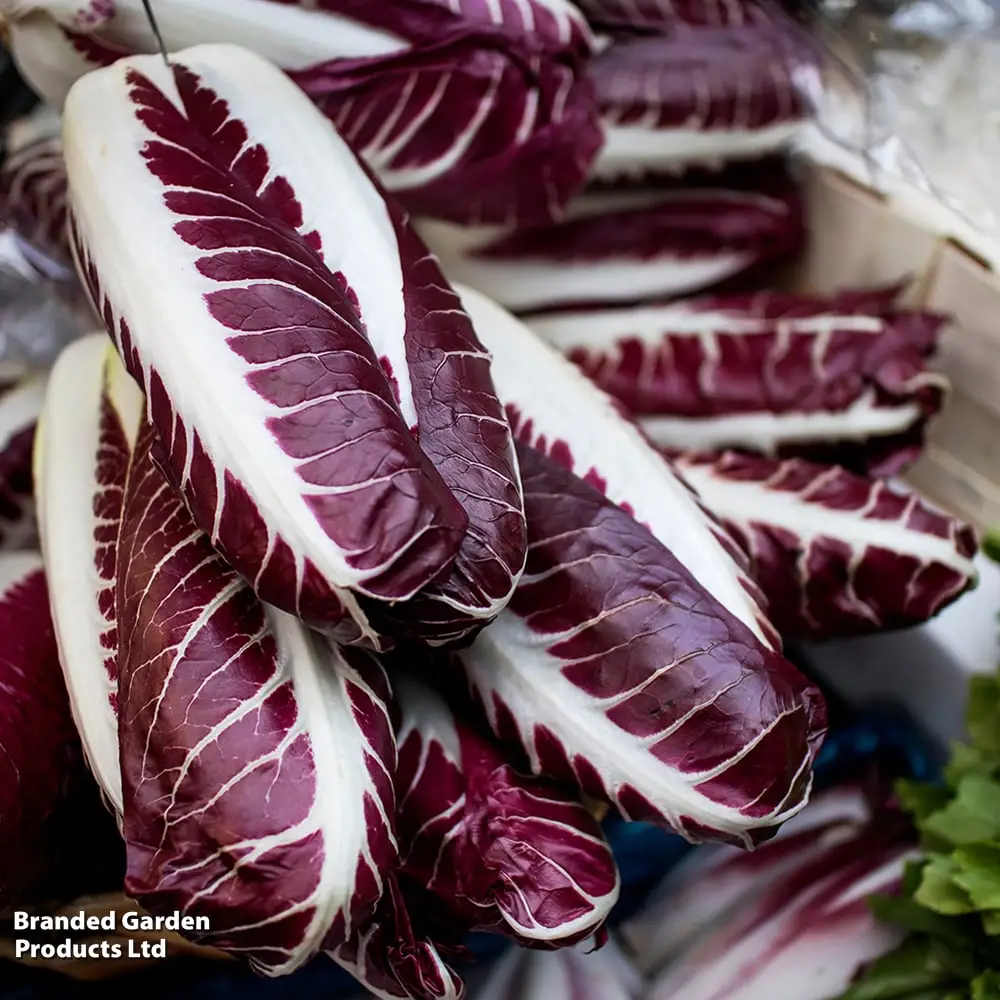
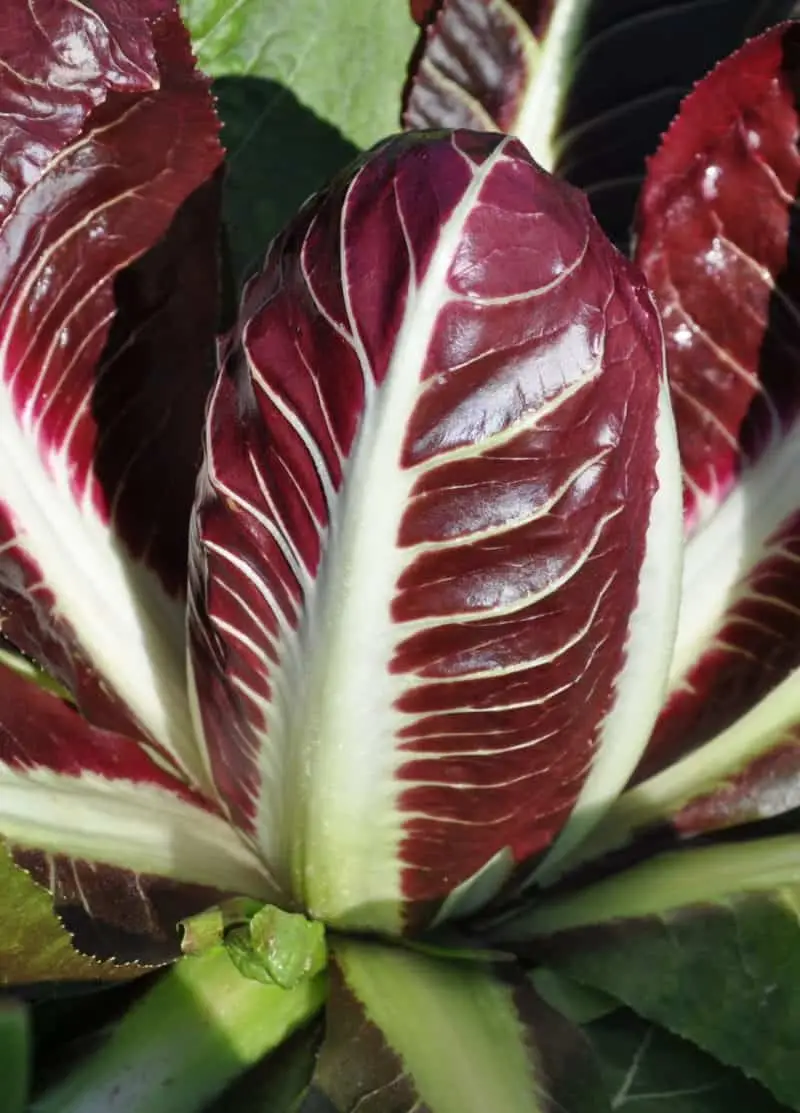
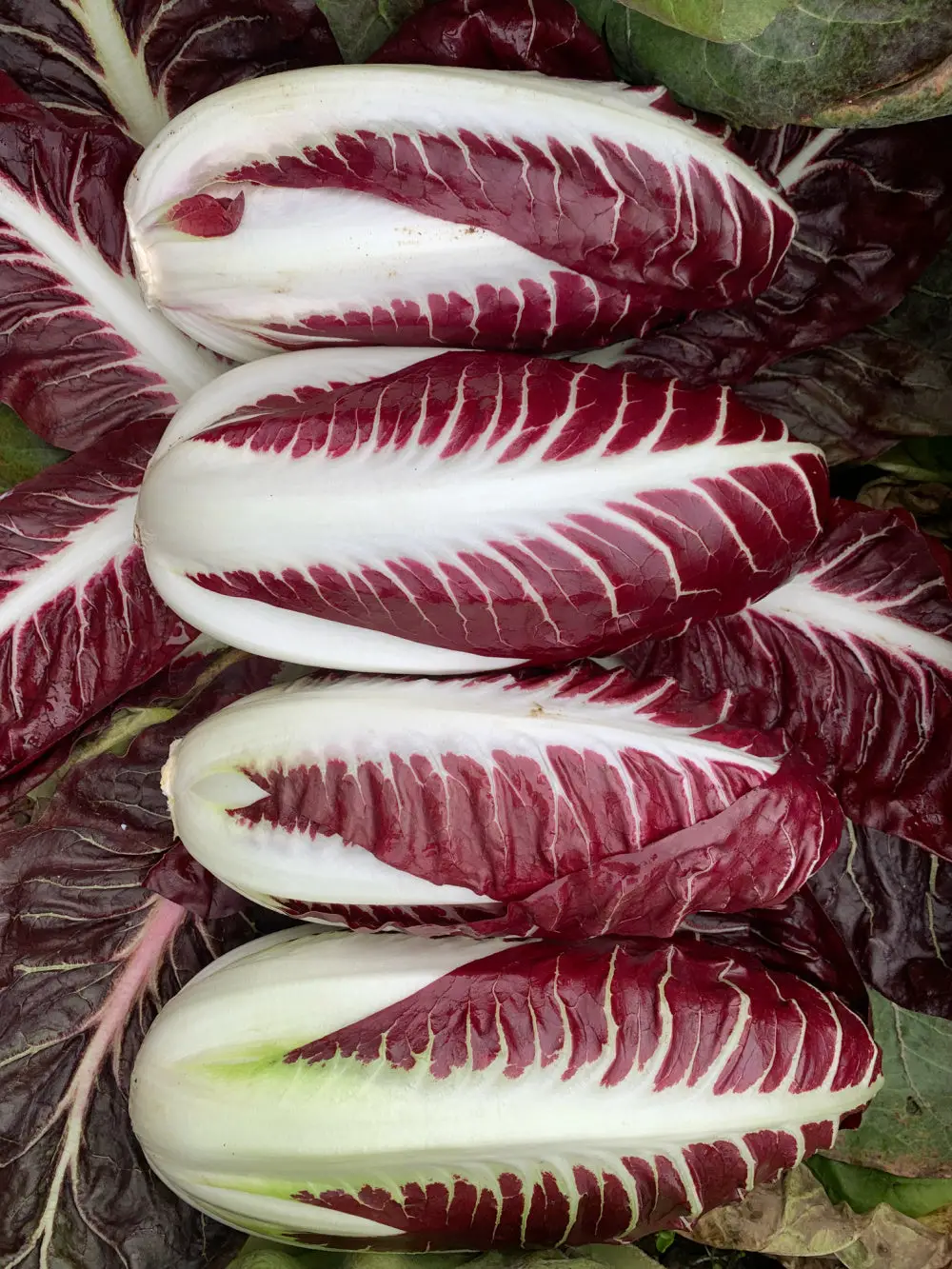
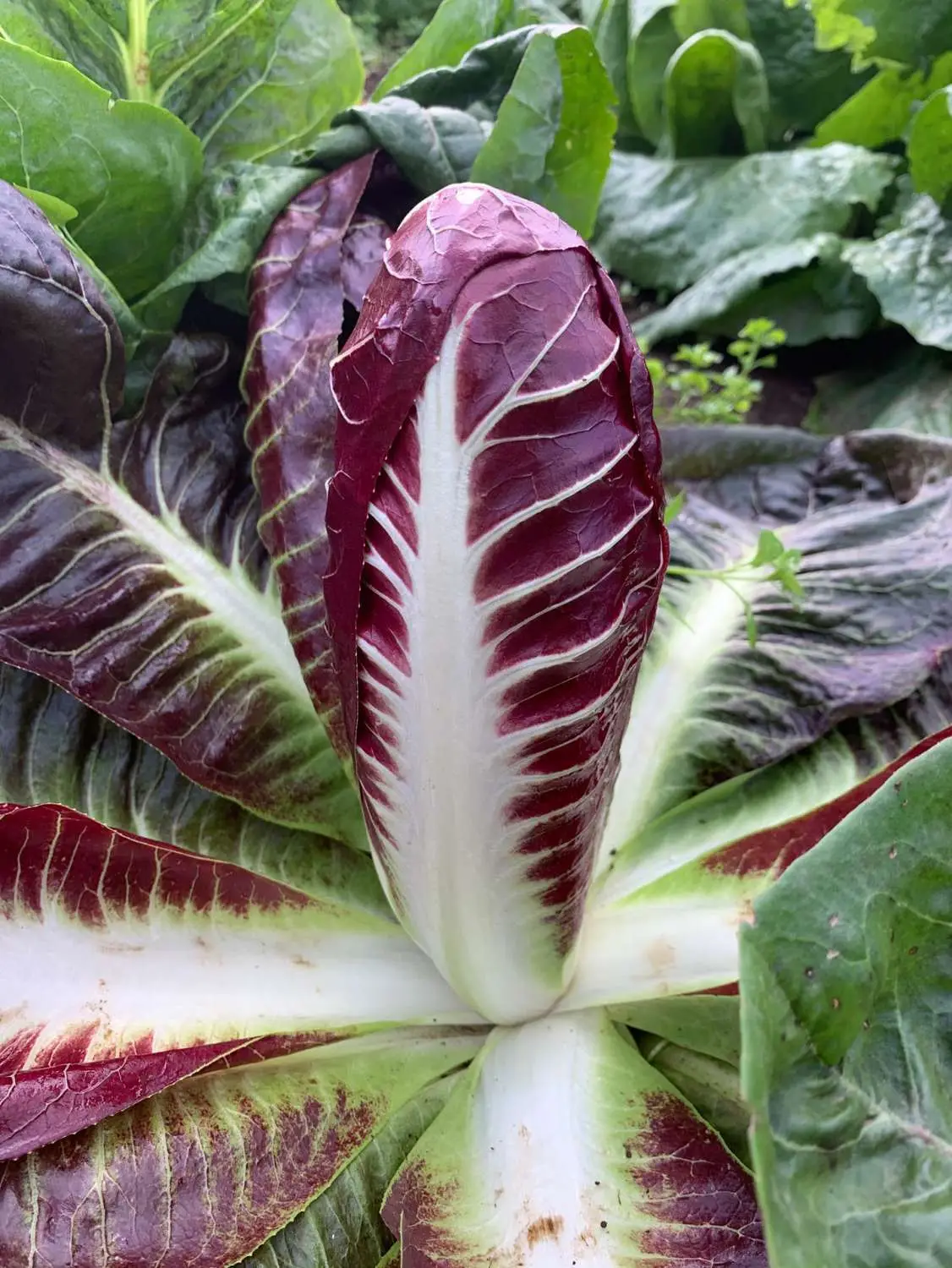
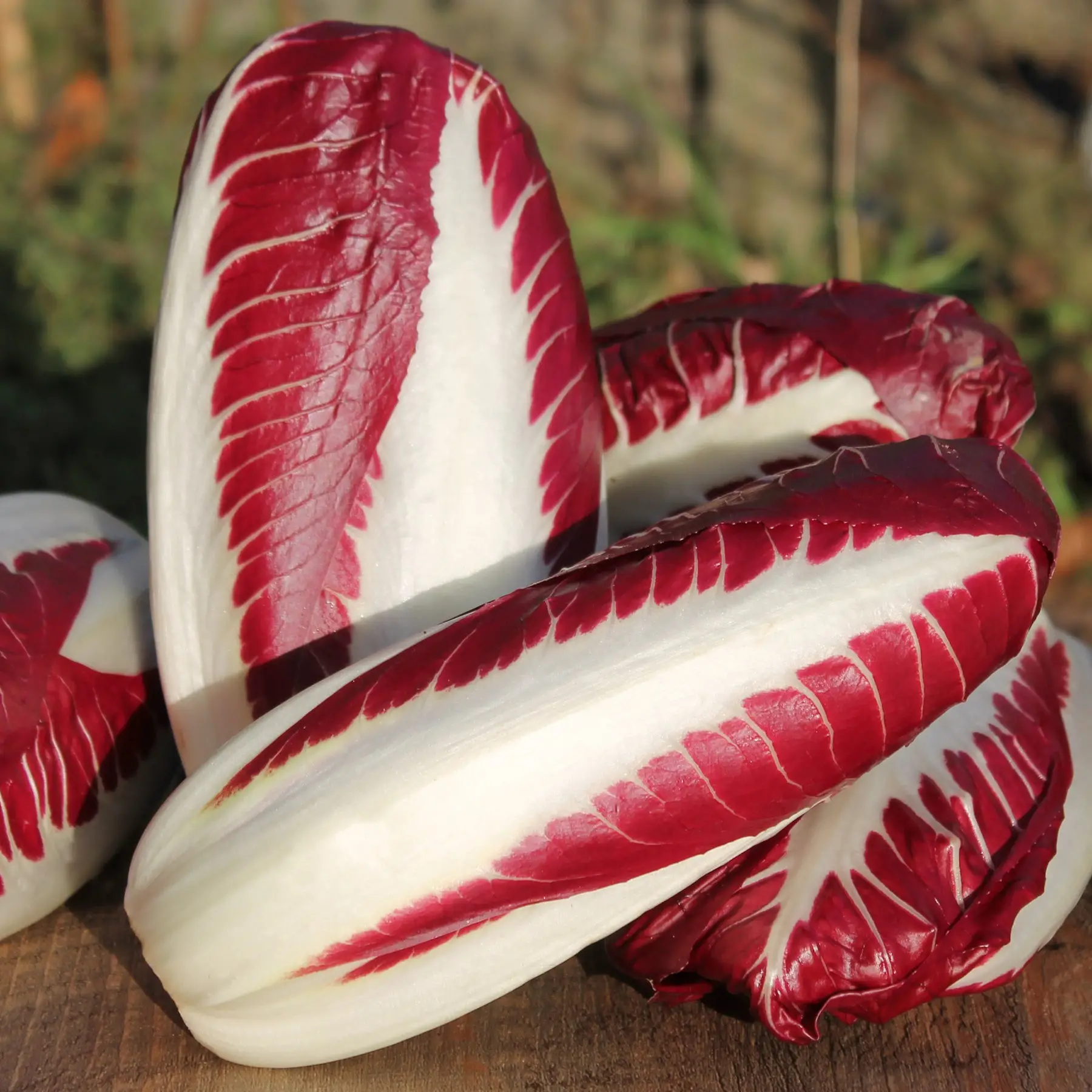
Cichorium intybus ‘Rossa di Treviso’ is a striking Italian heirloom variety of radicchio prized for its deep red, elongated leaves with crisp white ribs. It forms tight, upright heads that resemble small romaine lettuces. The leaves have a pleasantly bitter flavor that mellows when grilled, roasted, or sautéed, making it a favorite in Mediterranean cuisine.
This cool-season crop thrives in full sun and fertile, well-drained soil. It develops its vibrant red color in cooler temperatures, typically maturing in late fall or early winter. Ideal for salads or cooked dishes, Treviso radicchio adds both color and a refined bitterness to the plate.
Germination Guide
🌍 Europe, Western Asia, North Africa (Mediterranean region)
Easy
Cichorium intybus, commonly known as chicory or radicchio, is a hardy perennial herb native to the Mediterranean region and western Asia. The species has been cultivated for centuries for its edible leaves, roots, and medicinal properties. Seeds germinate readily at soil temperatures between 65-70°F, making it an easy crop for gardeners seeking cool-season greens or an ornamental wildflower with distinctive blue flowers.
Germination
Germination time
Expect germination in
7 – 21 days
Temperature
Min 12°C
Ideal 21°C
Max 28°C
Substrate moisture
💧💧 High
Seed Pre-treatment
-
❄️
Cold stratification — 7 days at 5°C
-
📋
Additional notes
Cold stratification (5°C for 7 days) may improve germination rate, especially for indoor winter sowing
Substrate & Container
Recommended substrate
Well-drained, fertile soil rich in organic matter, pH 5.5-7.0
Growing Tips
Maintain consistently moist but well-drained substrate until germination. No pre-treatment is required for direct outdoor sowing. For indoor winter sowing, apply cold stratification (5°C for 7 days) to improve germination rates. Once established, plants are extremely cold-hardy and drought-tolerant. For radicchio cultivation (var. foliosum), harvest leaves when temperatures are below 75°F to minimize bitterness. Radicchio requires cool weather (60-65°F) for proper head formation and color development. Chicory grows best in full sun with at least 6 hours daily; it cannot thrive in shade. Seeds can be direct-sown in early spring or fall; provide consistent watering (1-2 inches weekly) during establishment. Thin seedlings to 10-12 inches apart for optimal growth. The plant tolerates disturbance and poor soil conditions, making it ideal for regenerative and pasture applications.
Only logged in customers who have purchased this product may leave a review.

Reviews
There are no reviews yet.