
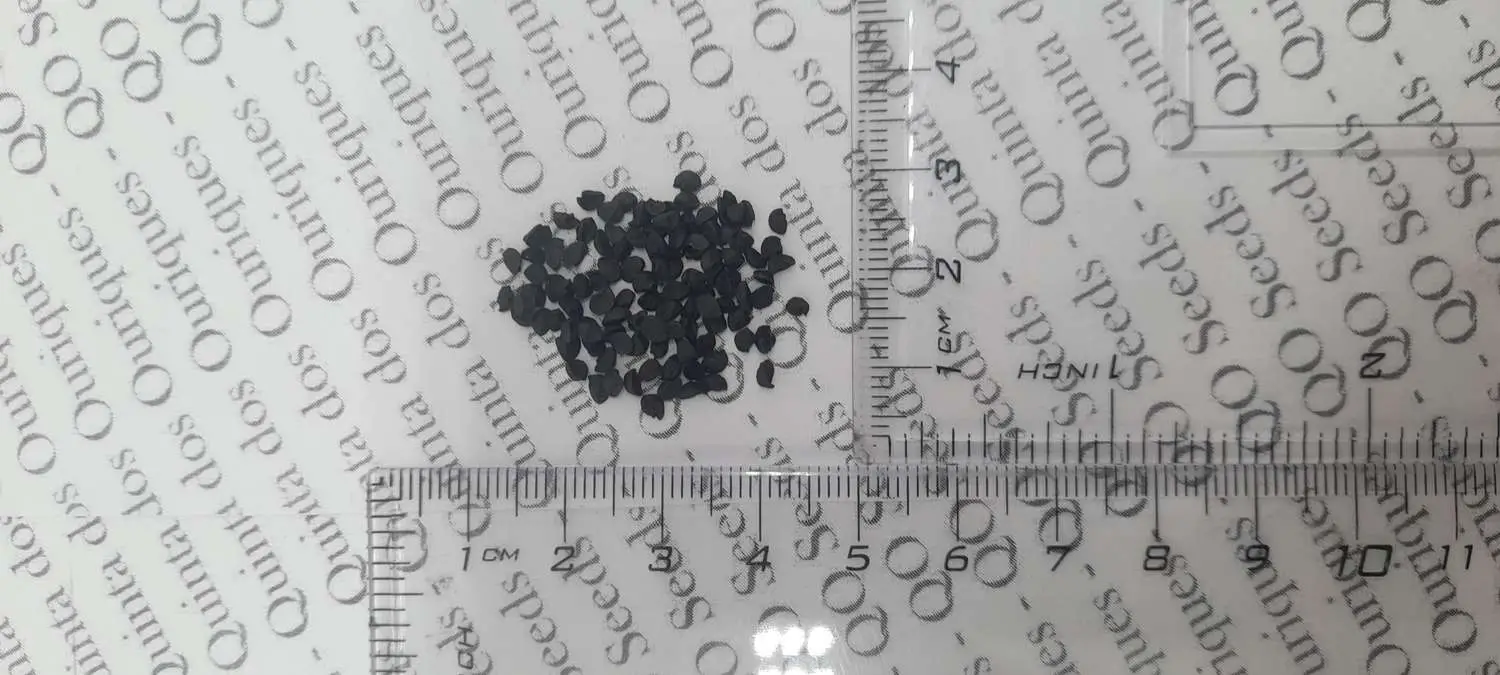
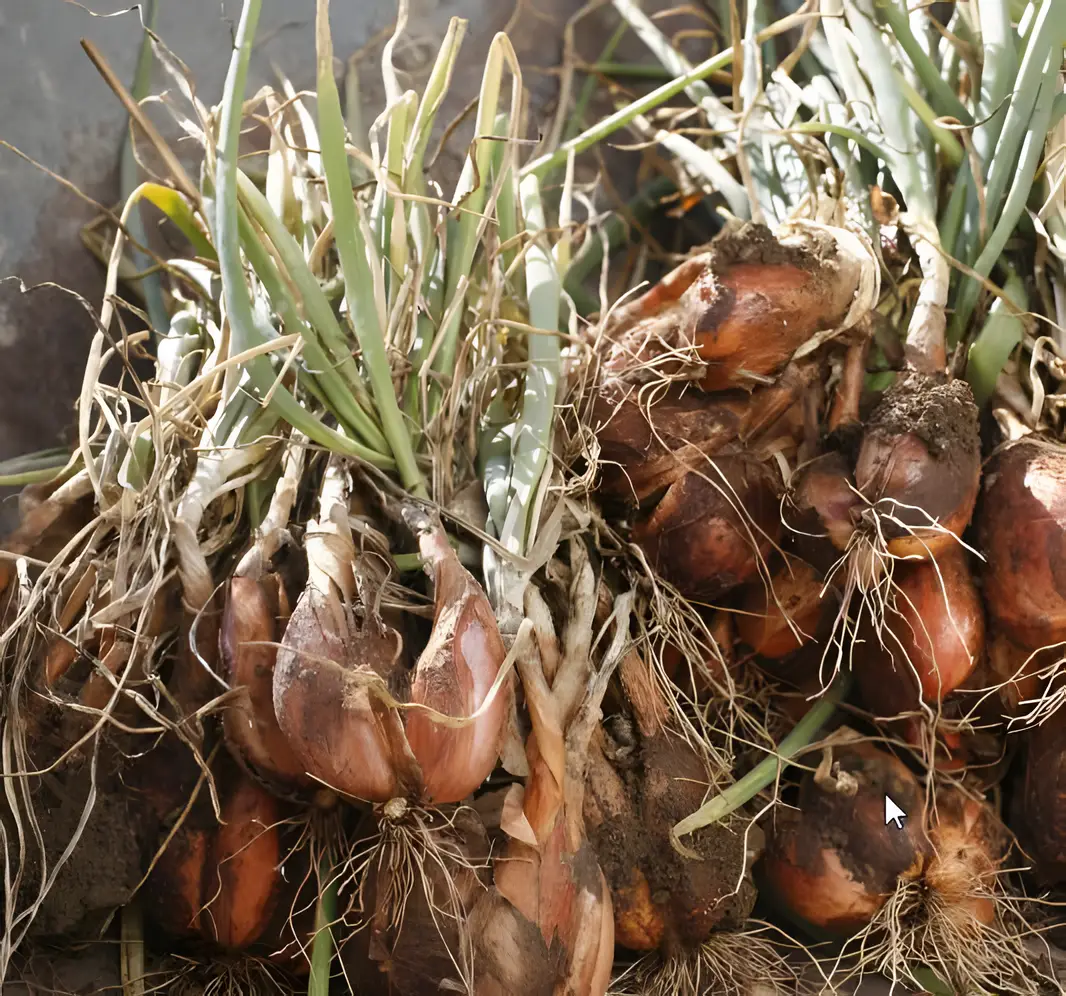
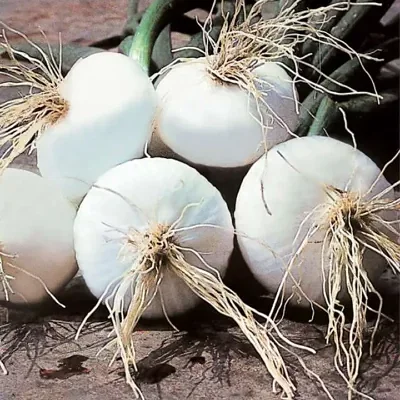
Grow the shallot that revolutionized French haute cuisine. Torpedo-shaped bulbs with rose-gold skin and sweet, delicate flesh transform every dish—from vinaigrettes to beurre blanc. Strikingly flavored and exceptional at storage. Easy to grow from seed, even in pots. This is culinary nobility in your garden.
€2.95
These elongated French treasures have seduced the finest kitchens of Europe for centuries, and now you can cultivate that same magic from seed.
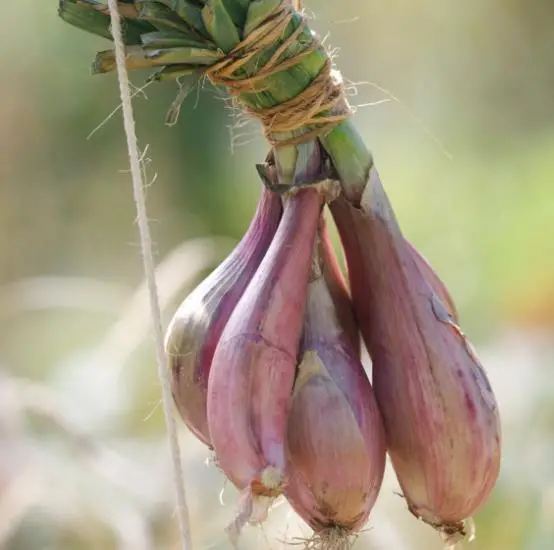
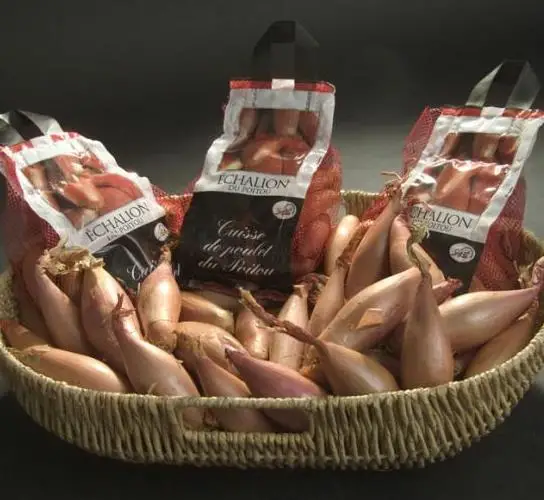
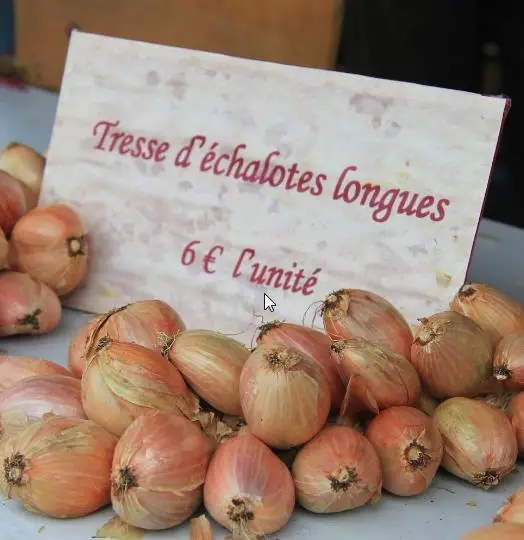
Originating from the Poitou region of western France, where locals call it Cuisse de Poulet (‘leg of the chicken’) for its distinctive tapered shape, this heirloom echalion shallot carries centuries of culinary refinement in each bulb. Long revered in French cuisine, shallots fundamentally altered the course of haute cuisine itself—their entry into France revolutionized how chefs approached sauces, dressings, and the architecture of flavor itself. Unlike their bold cousins onion and garlic, shallots whisper rather than shout.
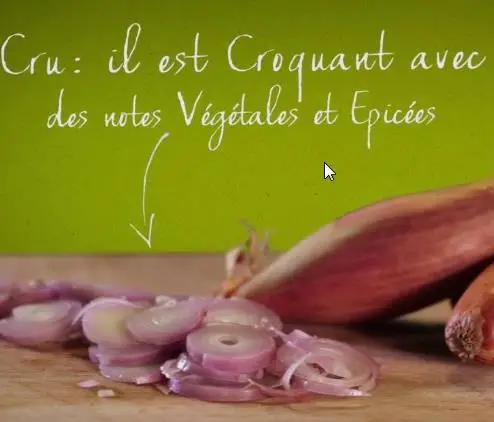
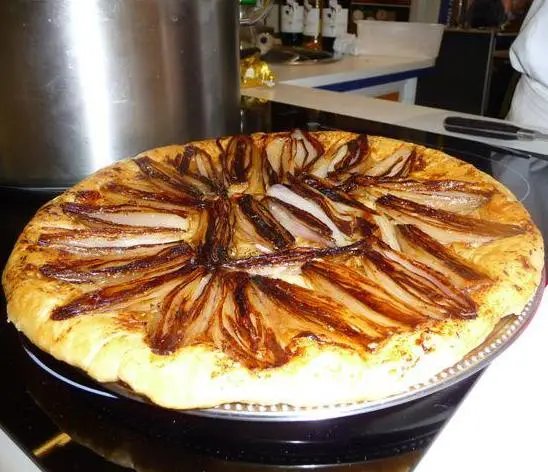
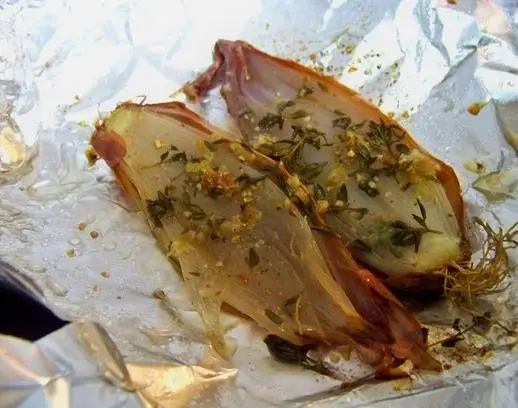
This is THE culinary use that makes Cuisse de Poulet legendary. Where most shallots demand respect and careful technique, these beauties are devastatingly versatile. Raw and finely minced, they elevate a simple salad into something sophisticated; the flesh is so tender and the flavor so naturally sweet that a tablespoon transforms a vinaigrette into something extraordinary. Caramelize them and watch as their inherent sugars bloom into a silken, umami-rich compote that crowns steaks and enriches soups. They are the non-negotiable ingredient in beurre blanc, béarnaise, and duxelles—the classic French sauces that define refined cooking. Roasted whole, they become creamy and almost candied. Use them anywhere you’d normally reach for an onion, but expect superior sweetness and a tenderness that melts on the tongue. Even the green leaves serve as chives. Each bulb, weighing 70-90g, is perfectly portioned for a single elegant preparation—no waste, pure intention. And the flavor only deepens in storage, developing richer, more complex notes as the weeks unfold.
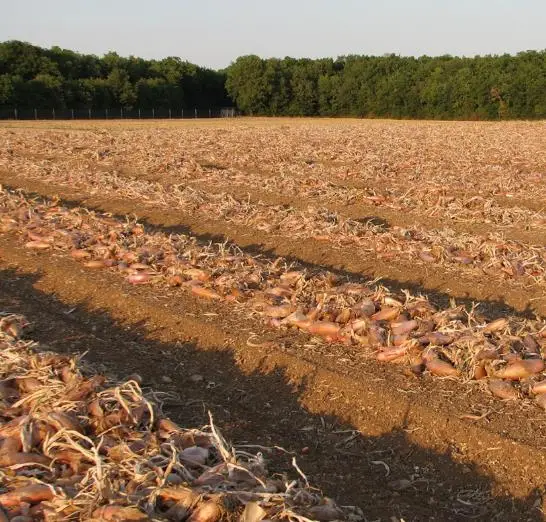
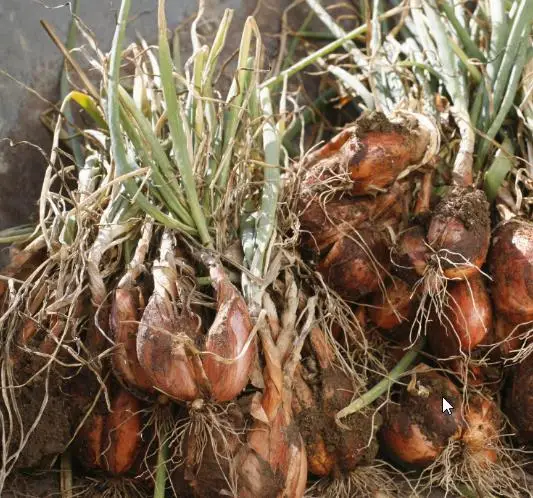
Growing them is deceptively easy, despite their sophisticated appearance. Unlike most shallots, Cuisse de Poulet grows reliably from seed, making it uniquely accessible to home gardeners. Plant seeds indoors 6-8 weeks before last frost, or direct sow in early spring. They demand full sun (at least 6-8 hours daily) and well-draining, loamy soil rich in organic matter—conditions that are standard in most gardens. Soil pH should be between 6.0-7.5; they’re not finicky. Water consistently but never allow waterlogging. These shallots can even thrive in containers, bringing restaurant-quality produce to small spaces and patios. They mature in about 90-100 days and produce abundantly with minimal effort. Once harvested and properly cured, they store extraordinarily well in a cool, dark place—lasting months, even into the following season. The longer they rest, the sweeter they become.
Imagine harvesting these rose-gold torpedoes from your own soil, then transforming them into the precise, luminous sauces that define fine cooking. You’re not just growing a vegetable; you’re cultivating access to a flavor language that professional chefs speak fluently. Start these seeds now, and by summer, you’ll understand why French cooks have treasured Cuisse de Poulet for generations.
Only logged in customers who have purchased this product may leave a review.

Reviews
There are no reviews yet.