FREE SHIPPING OVER €30 FREE SHIPPING OVER €30

Daucus carota subsp. sativus — The Homegrown Sweet | Culinary Gold from Seed

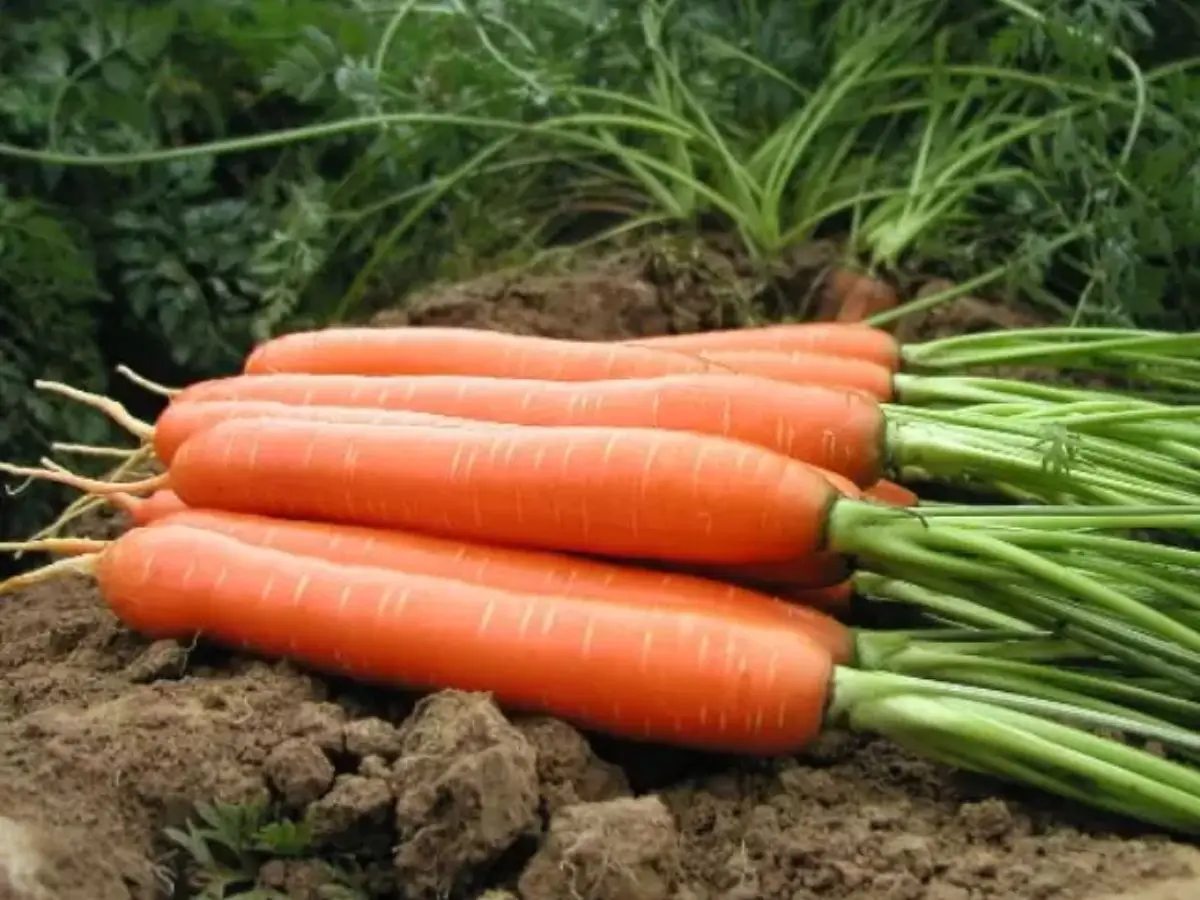
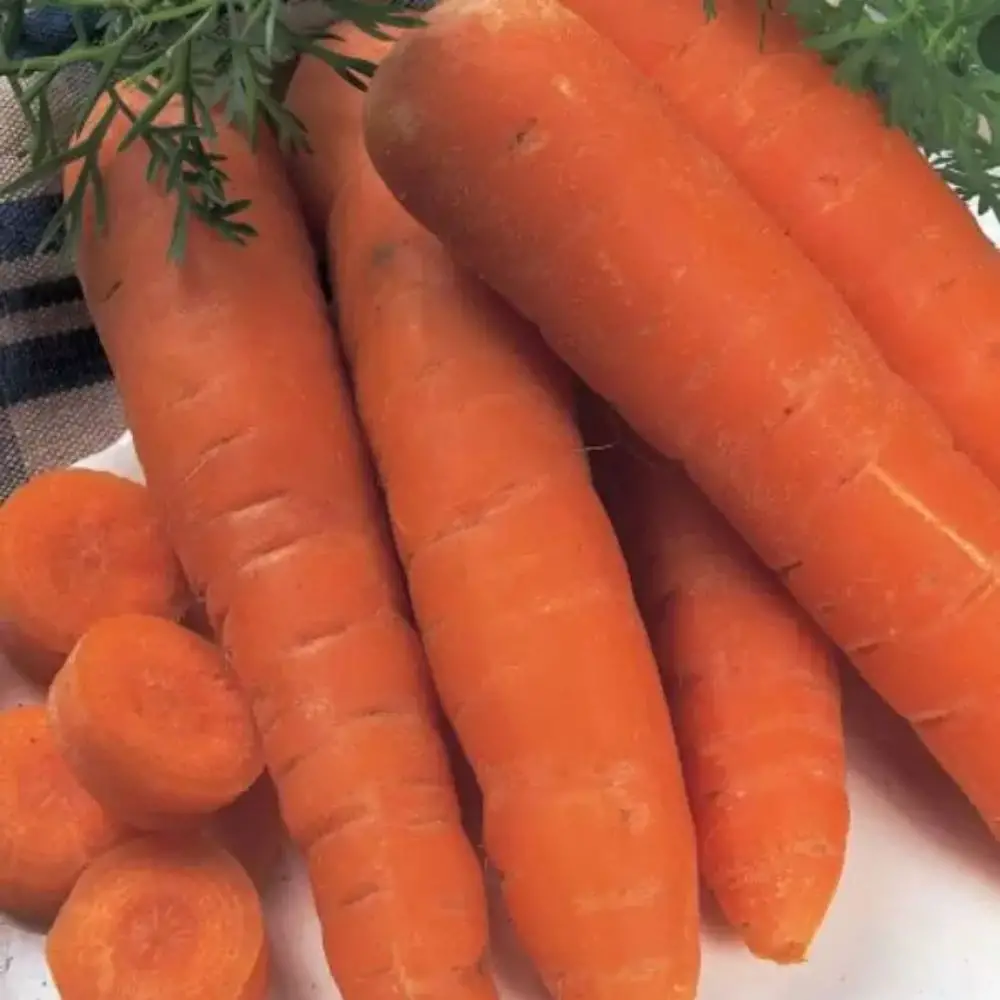
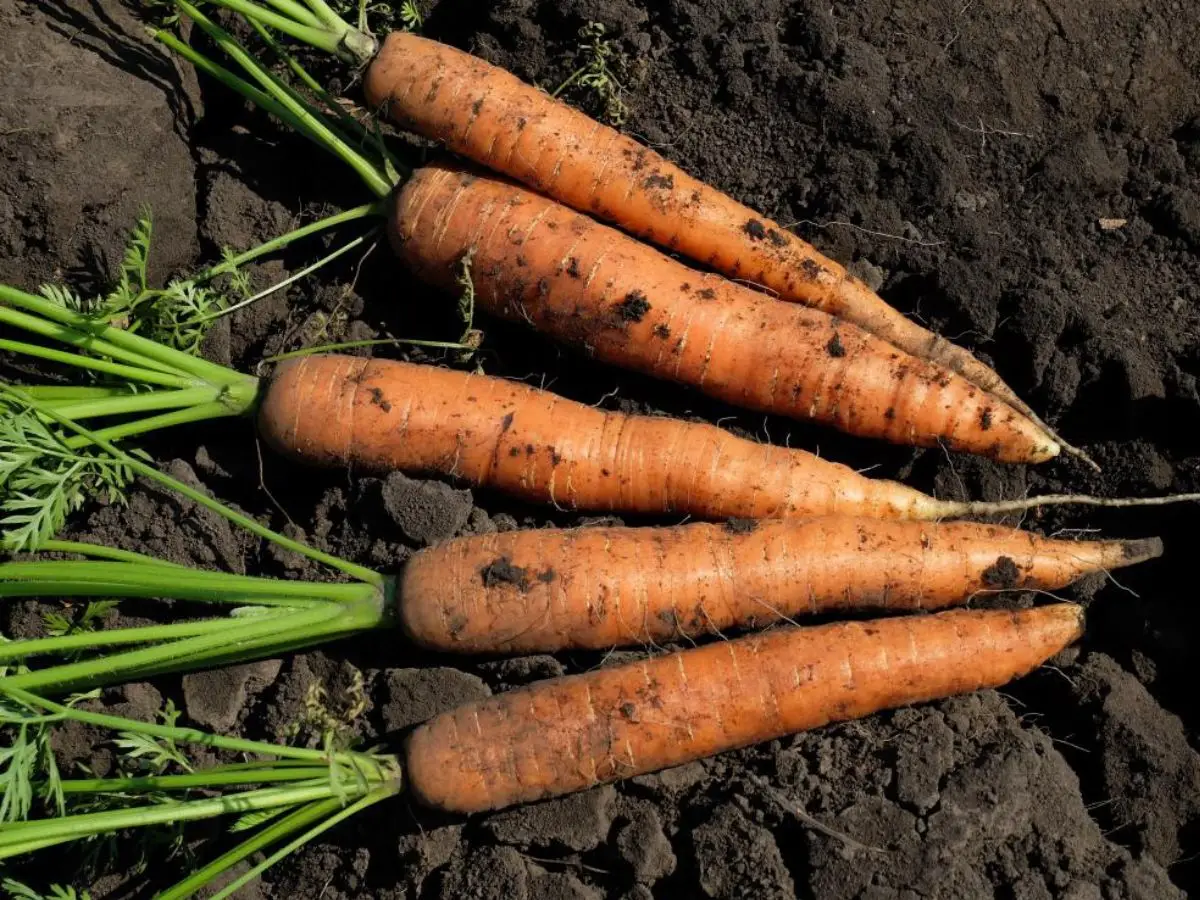
Grow your own vibrant, naturally sweet carrots from seed—the fastest path to flavor that supermarket orange can never match. Cultivated carrots are fleshy and succulent with pleasant odor and sweet, mucilaginous flavor. With vibrant orange hue and crunchy texture, the carrot adds flavor to a wide variety of dishes and is packed with essential nutrients. Carrots grow best in full sun,

2.57

SKU: P-2183 Category: Tags: , ,

You May Also Like

Description

Carrots are a commonly cultivated, cool-season vegetable in the carrot family (Apiaceae) and are native to central Asia and Afghanistan. When you grow *Daucus carota subsp. sativus* from seed, you’re holding 2,000+ years of culinary history in your hands—a domestication story that transformed wild, bitter taproots into the jewels of modern kitchens.

The domesticated subspecies D. carota subsp. sativus has been found to be most closely related to Central Asian examples, indicating a single domestication event and supporting the historical record of its origin there. Carrots were first cultivated in Persia (modern-day Iran and Afghanistan) and were initially purple or yellow, long before the orange variety became prevalent in Europe. During its journey across centuries and continents, countless botanists improved the composition, look, flavor and size of ancient carrots and produced the modern orange-colored carrot that appeared first in 17th century Netherlands. From classic garden varieties to exotic colors like purple and white, carrots have a rich history and are an excellent example of domesticated plants that have thrived alongside humans.

But the magic—the true reason to grow carrots from seed—lives in the kitchen. Carrots are popular raw snacks used in salads, soups, and juices, rich in vitamins A, C, K, and fiber, contributing to a balanced diet and known for their benefits for vision and overall health. Carrots can be eaten raw, roasted, boiled, mashed, juiced, or any other style—they maintain their flavor well when cooked, are a key ingredient in cooking bases like French mirepoix and Italian soffritto, and because of their high sugar content, are used in desserts around the world. Leaves, roots, flowers, and seeds are edible—the roots are commonly eaten cooked or raw, flower clusters can be french-fried, aromatic seed is used as a flavoring in stews, and leaves can be cooked or made into a pesto. Historically, carrots were often used as a sugar substitute because of their natural sugar content; carrot cake likely descended from medieval carrot puddings. Roasting carrots enhances their natural sweetness and creates a caramelized flavor. Under-watering leads to tough, bitter carrots, but consistent moisture yields sweet, tender roots.

Nutritionally, carrots are a powerhouse. Two classes of pigments exist in carrots: water-soluble anthocyanins and oil-soluble carotenes; anthocyanins are powerful antioxidants and carotenes are essential sources of vitamin A. Orange color is due to high beta-carotene content, providing a significant source of vitamin A. Carrots can be found in a variety of colors, including purple, red, yellow, and white, each exhibiting unique flavor profiles. Carrots now come in a spectrum of shades—orange, purple, yellow, red—each hue signals different beneficial phytonutrients; purple carrots are high in anthocyanins linked to gut health and cognition, yellow carrots contain lutein for brain and eye health, and red carrots are rich in lycopene associated with lower stroke risk.

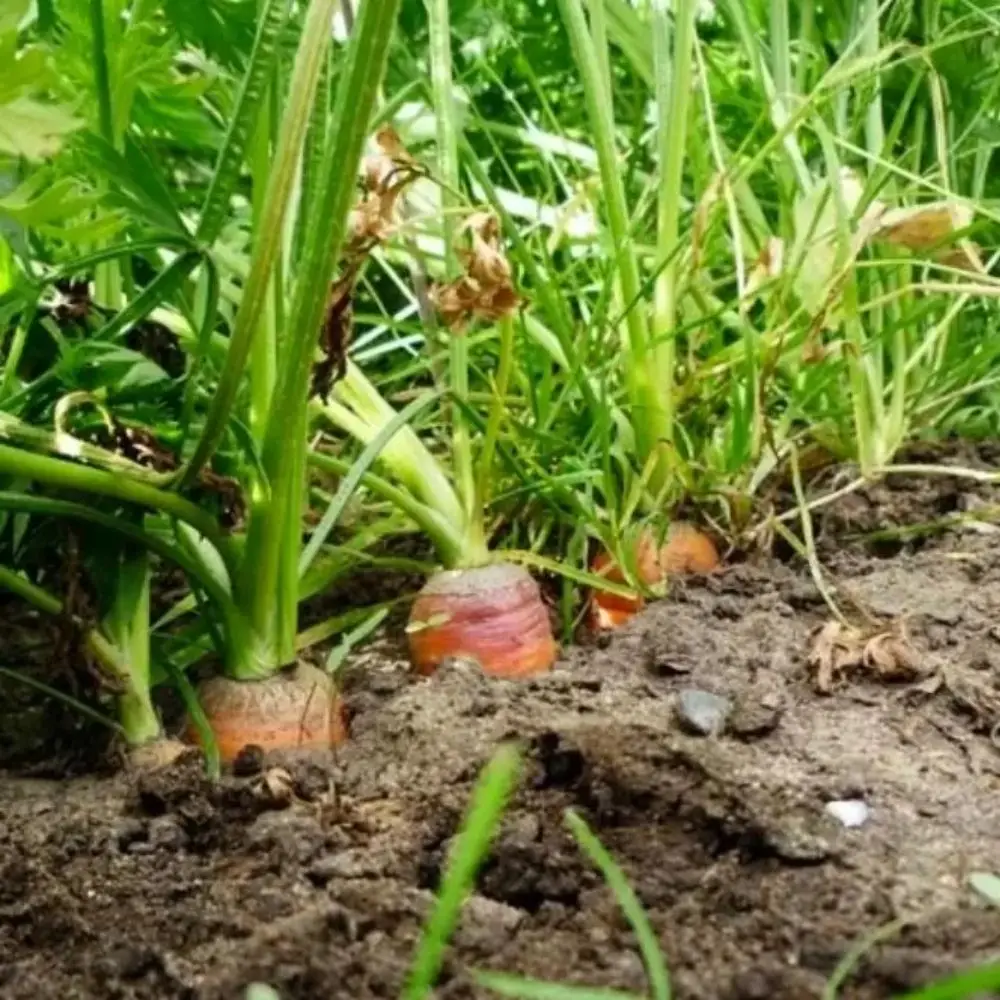
Growing carrots from seed is gratifyingly straightforward once you understand their needs. Carrots are a cool-season crop that can be planted once soil temperatures reach about 50 degrees F, with seed germination occurring best when soil temperature is between 55 and 75 degrees F. Direct seeding is best—transplanting can easily damage the young taproots. Bury seeds a quarter inch deep and thin plants 2 to 3 inches apart;

Germination Guide

🌍 Central Asia and Afghanistan
Moderate

Daucus carota subsp. sativus (cultivated carrot) is a widely recognized vegetable belonging to the Apiaceae family, native to central Asia and Afghanistan. Seeds require consistent moisture and proper temperature for germination, with slow and variable germination being a known challenge.

Germination
Germination time
Expect germination in

6 – 21 days

Temperature

Min 10°C
Ideal 16°C
Max 29°C

Light
🌑 Darkness required

Substrate moisture
💧 Medium

Sowing depth
Lightly covered

Germination rate
60 %


Seed Pre-treatment
  • 💧

    Soaking — 12 hours
    Soaking seeds in lukewarm water for 12 to 24 hours softens seed coat and promotes quicker sprouting
  • ❄️


    Cold stratification
  • 📋

    Additional notes
    Hydro-priming or seed soaking recommended for faster and more uniform germination

Substrate & Container
Recommended substrate
Loose, fertile, well-drained sandy loam soil free of rocks and clay

Recommended container
Direct seeding preferred; minimum container depth 10 inches if using containers


Growing Tips
Keep soil surface moist to prevent crusting. Seeds are slow to germinate; can be planted before last frost date. Thin seedlings when 1-2 inches tall. Avoid transplanting as it damages taproots. Prefers neutral to slightly acidic pH (6.0-7.5). Full sun preferred but tolerates partial shade.

Reviews

There are no reviews yet.

Only logged in customers who have purchased this product may leave a review.

Related Products