Description
Turnip: The forgotten superfood that should be everywhere—and now it will be, growing in your garden.
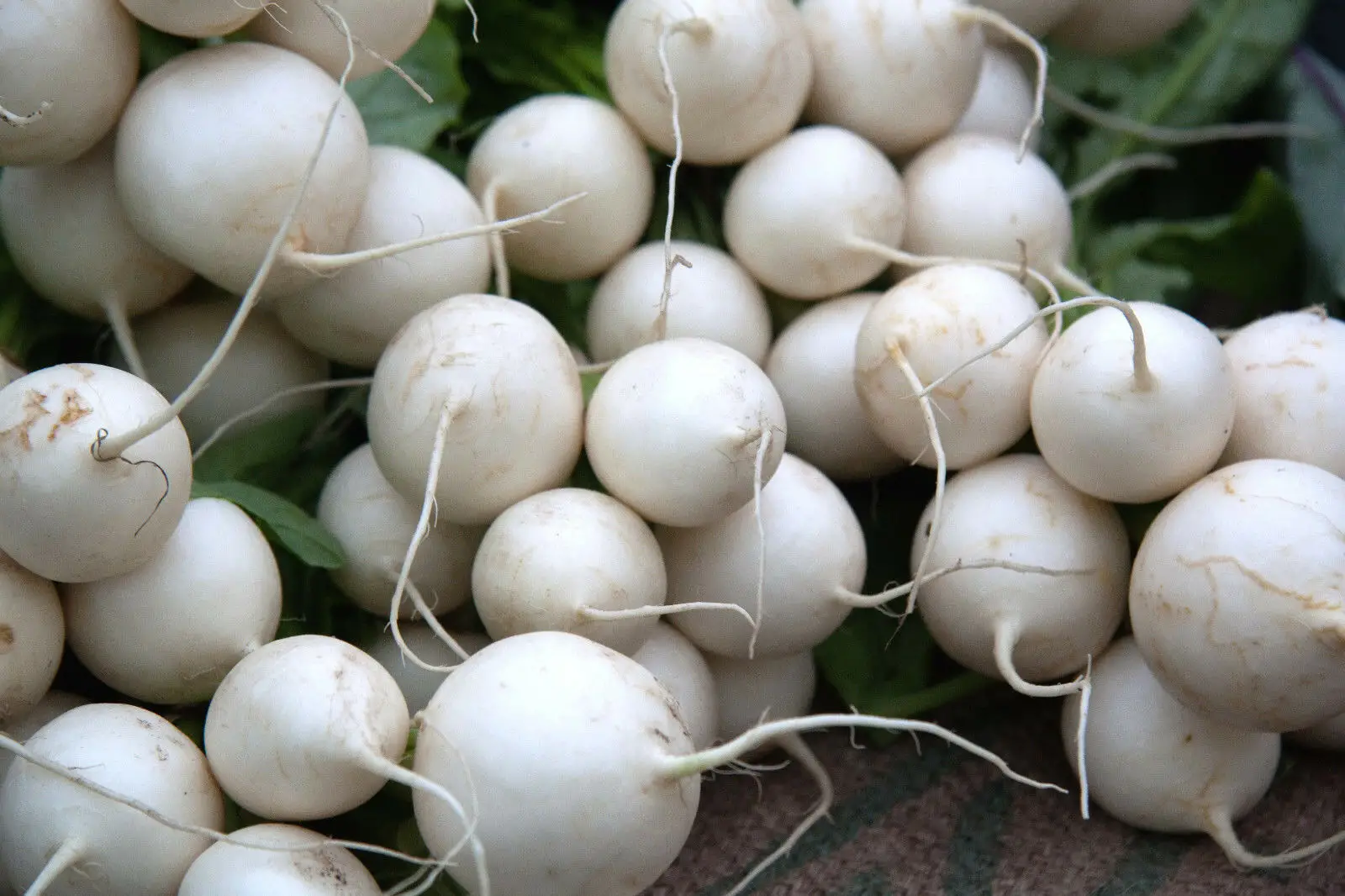
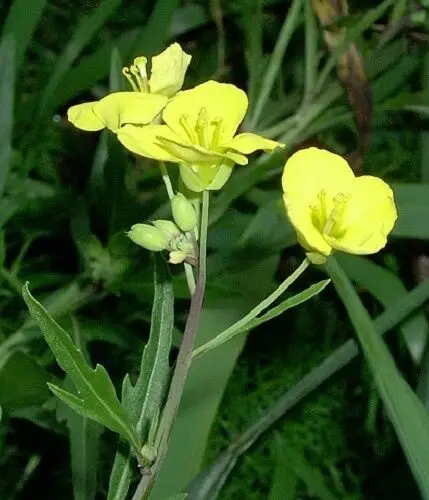
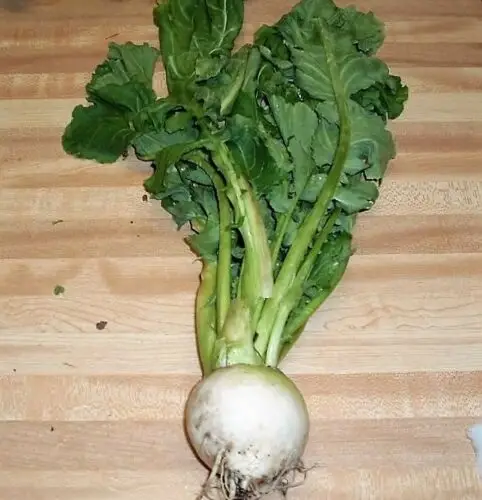
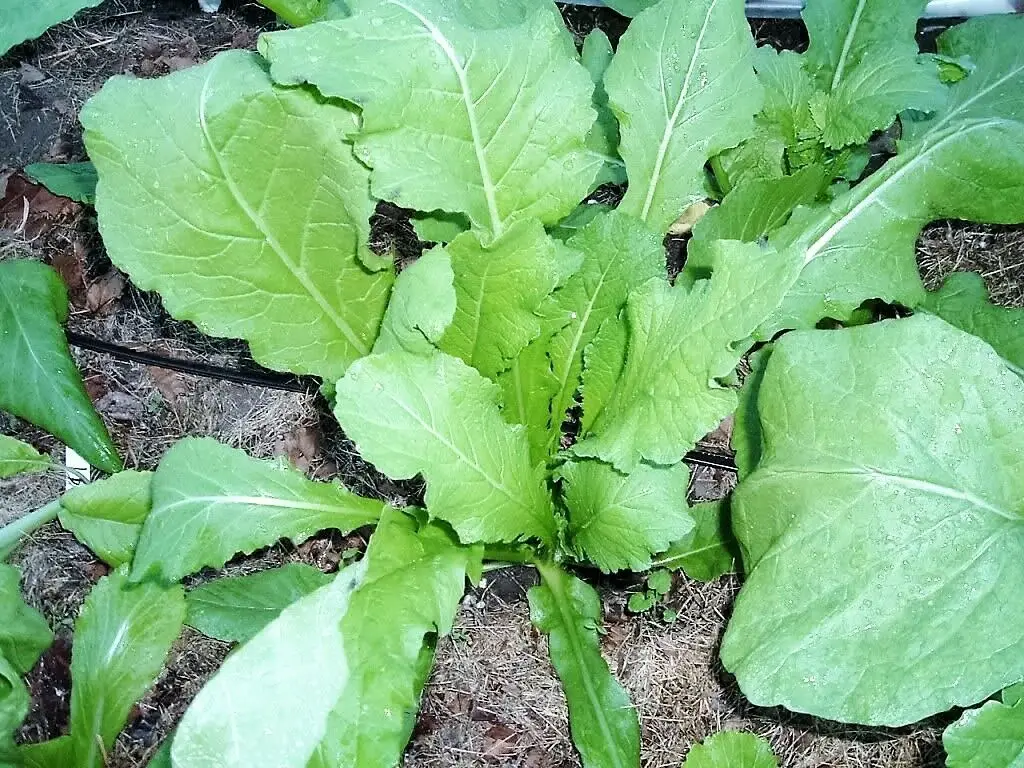
Brassica rapa has been quietly nourishing humans for over three thousand years, but somewhere along the way, turnips got sidelined in favor of flashier vegetables. That’s changing. This is not a root vegetable that merely produces a root. This is a plant that gives you *two harvests in one*: verdant, mineral-dense greens that rival kale in nutritional firepower, and a sweet, earthy root that transforms beautifully in the kitchen.
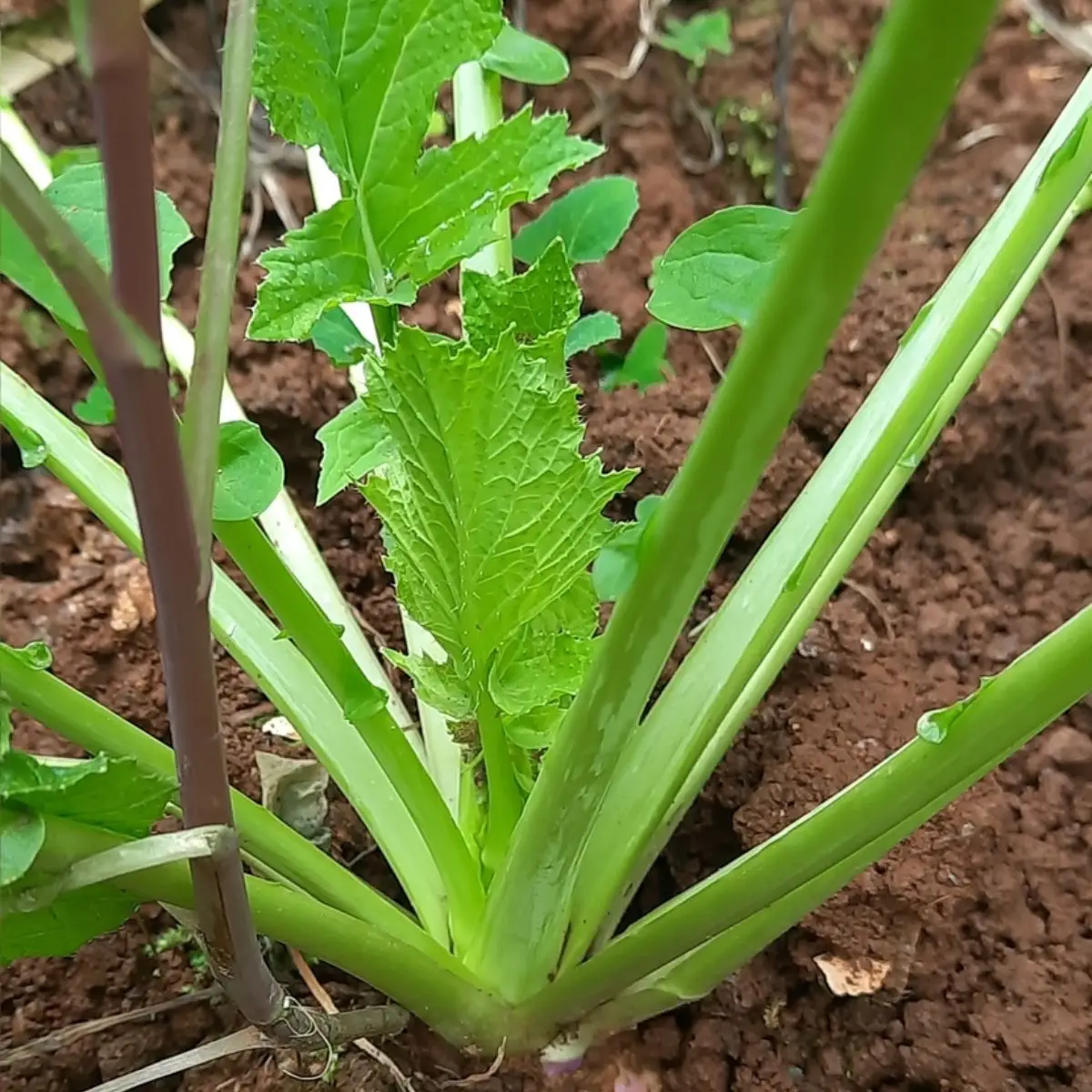
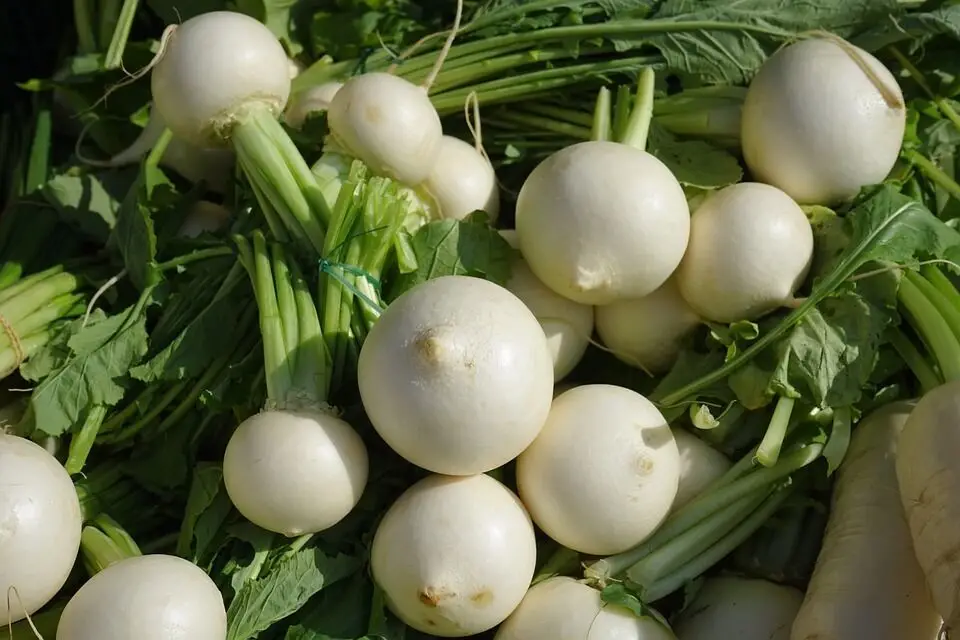
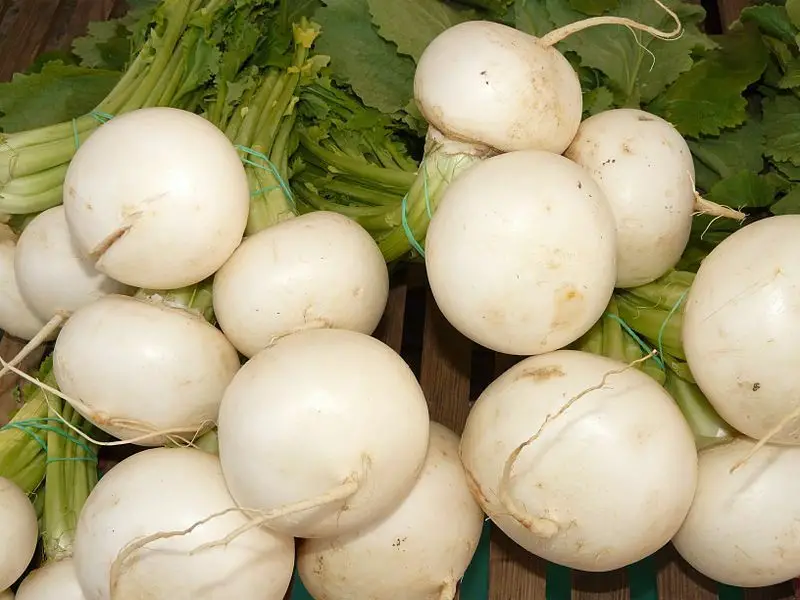
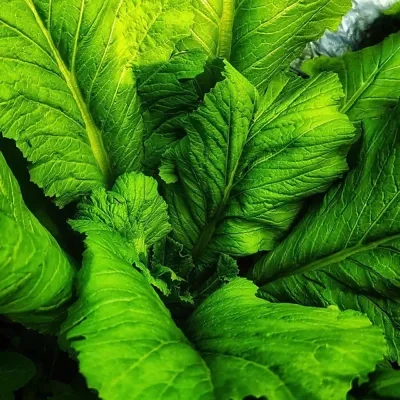
Let’s talk about what makes turnip greens the nutritional rockstar you’ve been missing. The green tops contain more antioxidants and vital nutrients than the root itself—a reversal that shocks most gardeners. A single cup of raw turnip greens delivers 115% of your daily vitamin K (essential for bone health and blood clotting), 37% of your vitamin C, 35% of your vitamin A, and 27% of your folate. But the real magic lies in glucosinolates—sulfur-containing compounds studied for their cancer-preventive and detoxifying properties. These are the same compounds that make broccoli so prized, yet turnip greens pack them with abundance. The leaves have a peppery mustard-green flavor when young and tender, becoming milder when cooked. You harvest them in 30–40 days, pick continuously as they regrow, and never look back. Meanwhile, the root matures into a mild, slightly sweet bulb perfect for roasting, mashing, or slicing raw into salads. Both parts are completely edible and nothing is wasted—a gardener’s dream.
Turnip greens are also deeply versatile in the kitchen: raw in salads for that sharp green bite, sautéed with garlic, braised in soups, or pickled for winter. They pair effortlessly with every cuisine from Asian stir-fries to Southern comfort food to Middle Eastern mezze. And unlike some vegetables that demand coddling, turnips laugh at difficulty. They thrive in cool seasons (spring and fall), grow in zones 2 through 9, tolerate both full sun and partial shade, and ask only for well-drained soil. Seeds sprout in 5–10 days. You can harvest baby leaves within a month or wait 60 days for dual purpose—tender greens *and* storage roots. Cold-hardy and naturally aphid-repelling, they make excellent companion plants while asking almost nothing of you in return. Sow them directly outdoors; thin seedlings to 3–6 inches apart. They perform beautifully in containers, raised beds, or in-ground gardens.
There’s an old-world charm to growing something your great-grandmother’s great-grandmother grew. Before pumpkins, turnips were carved during Halloween in the British Isles to ward off evil spirits. Evidence suggests their use in ancient Rome and Greece. In Norway and Sweden, turnip cultivation is documented from the 13th century. You’re planting history, resilience, and a plant that has fed civilizations through harsh winters when almost nothing else survives.
Grow Brassica rapa from seed and reclaim what modern gardening forgot: a plant that gives generously, asks little, and transforms your plate into something radiant with life. Your greens are waiting. Your soil is ready. The only missing ingredient is the seed. Plant it now and taste what food security has tasted like for three thousand years.


Reviews
There are no reviews yet.