
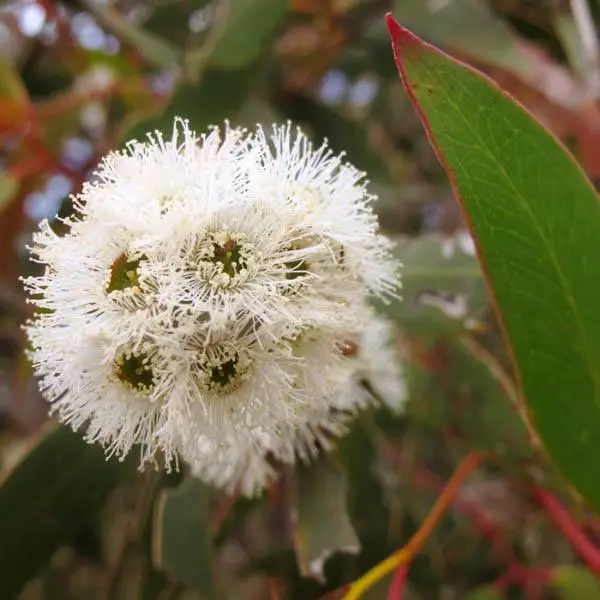
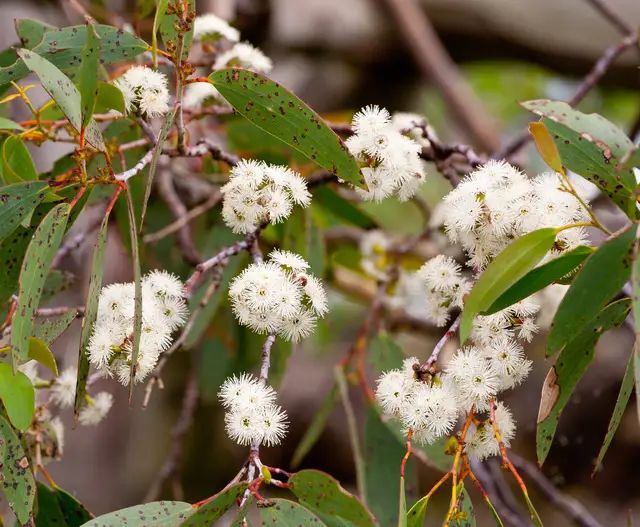
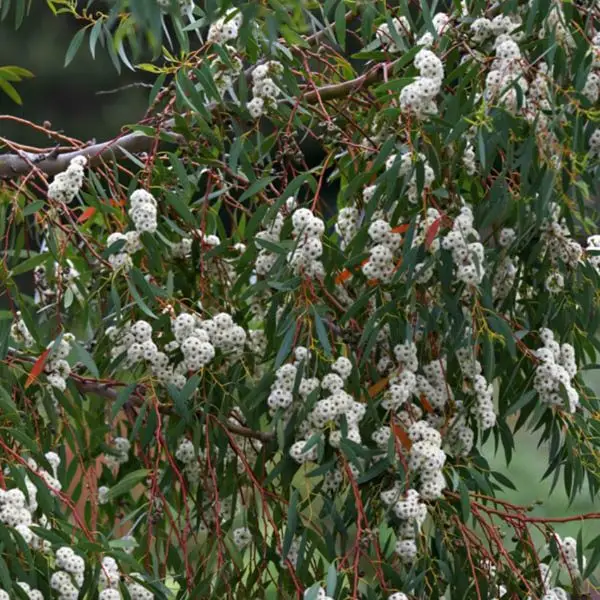
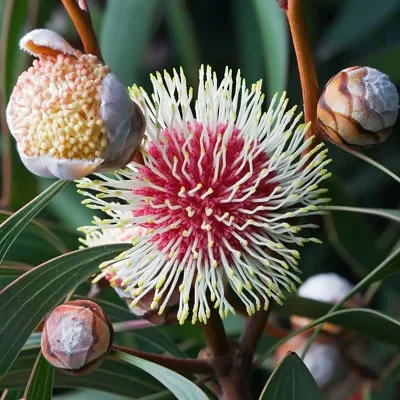
One of the toughest eucalypts alive: this alpine native thrives where others fail, blessed with dense grey-green foliage and astonishing warty seed capsules that make stunning cut arrangements. Frost and snow-hardy, wind-proof, grows reliably in temperate climates. Extremely easy from seed. Grow this Victorian mountain treasure and become its devoted keeper.
€1.92
This is the eucalyptus that laughs at winter—born in the snow-buried ridges of the Grampians, tough as stone and twice as beautiful.
Eucalyptus alpina, the Grampians Gum, emerges from the wild alpine landscape of southwestern Victoria, Australia, where it clings to exposed mountain slopes battered by wind and buried under snow. This is not a delicate greenhouse plant; it evolved in one of Australia’s harshest environments and carries that resilience in every leaf. Among eucalypts, it stands apart as one of the hardiest species, thriving in USDA Zones 8-10 and succeeding where other gums simply cannot survive. Gardeners across temperate regions treasure it as a reliable, wind-hardy performer—far removed from the fragile tropical images most people hold of eucalyptus.
What makes Eucalyptus alpina truly unforgettable is its extraordinary architecture: dense, thick, leathery foliage in glossy dark green, and most remarkably, startlingly warty seed capsules that are utterly unique in the eucalyptus family. These aren’t subtle botanical features—they’re sculptural statements. The buds and fruit are covered in prominent warts and bumps that catch light and shadow, creating visual interest that lasts months. Professional florists adore this species for bonsai foliage and cut arrangements precisely for these warty, textural seed pods. Pair them with roses, dahlias, or other flowers and watch how they elevate the entire composition. Beyond floristry, this dense, compact form grows to just 2–4 metres as a shrub (sometimes taller as a small tree), making it ideal for bonsai cultivation, living screens, windbreaks, and shelterbelts. Its ability to anchor exposed gardens while supplying breathtakingly ornamental material is rare in a single plant. You can harvest branches year-round for arrangements, or simply let the mature tree provide structure, texture, and year-round visual drama in your landscape.
Growing Eucalyptus alpina from seed is refreshingly straightforward. It prefers full sun and well-draining soil with a neutral to slightly acid pH. Once established, it is drought-tolerant and demonstrates exceptional wind resistance—the very traits that made it legendary in the Grampians. In mild or frost-free regions, plant it directly outdoors in sandy, sharp-draining soil; in cooler climates, it thrives as a container plant in a peat-free potting mix. Water freely during the growing season, then reduce in winter. Cold stratification (2 months of cool conditions after sowing) improves germination, though seeds often sprout readily without it. The seedlings establish quickly. For best results, plant them out in their second year when roughly 30 cm tall. This species is a light feeder and does not demand heavy fertilisation—ideal for gardeners who prefer self-reliant plants.
Raise Eucalyptus alpina from seed and you’ll nurture a living piece of mountain legend. Watch it develop from a slender seedling into a dense, architectural presence in your garden. Every warty fruit that forms is a small masterpiece, every branch a potential arrangement waiting for a florist’s eye—or your own. This is the eucalyptus for gardeners who want hardiness without sacrifice, beauty without fuss, and a story worth telling.
Only logged in customers who have purchased this product may leave a review.
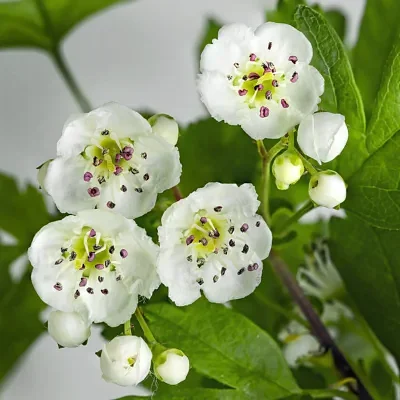
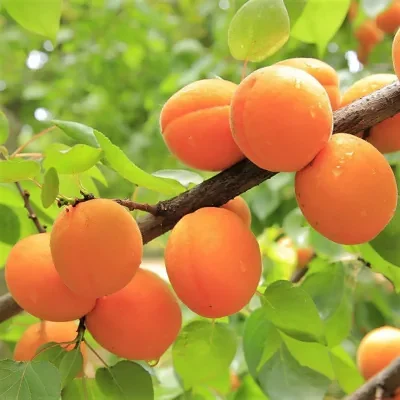
Reviews
There are no reviews yet.