Description
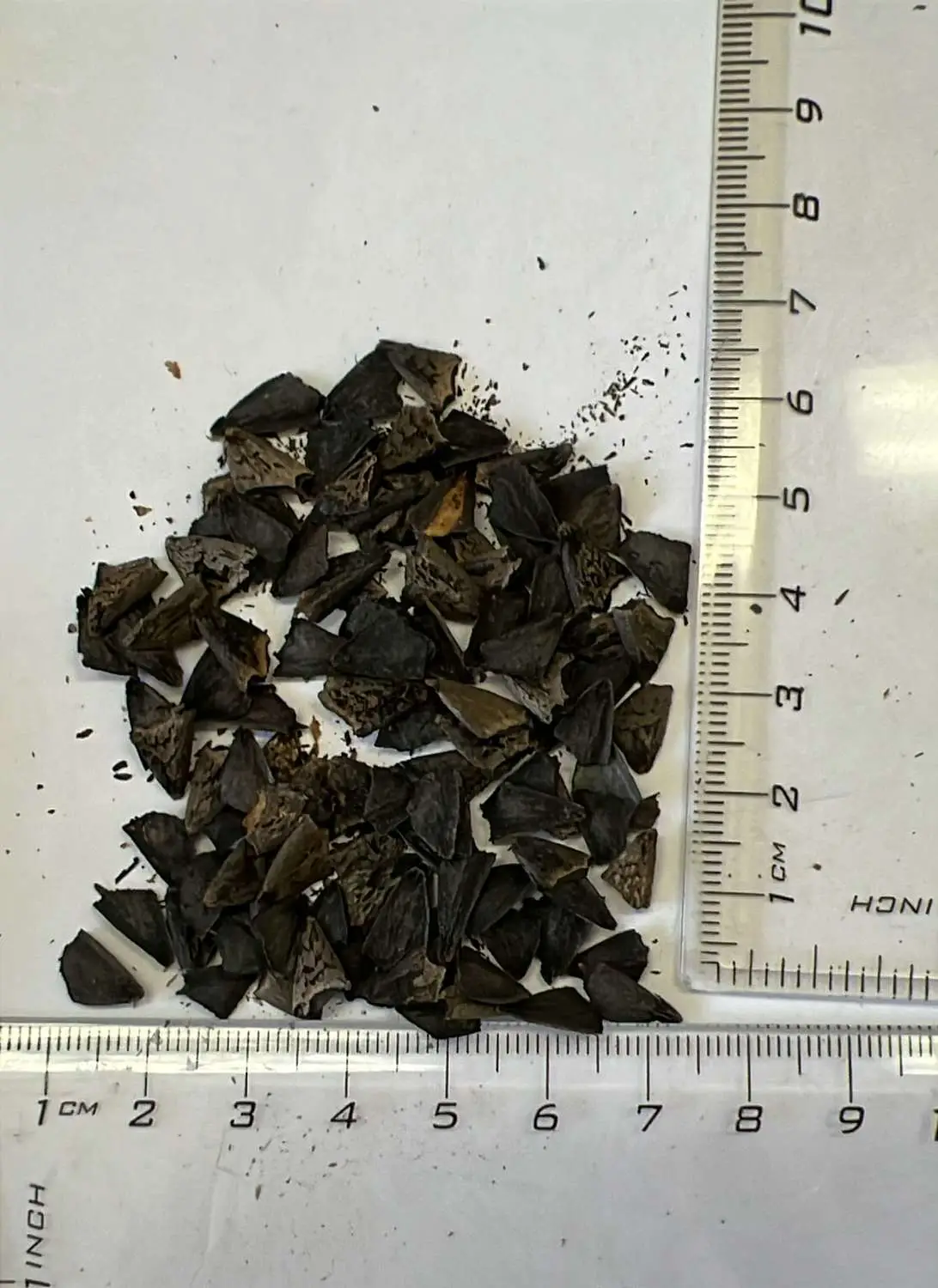
Banksia prionotes seeds can benefit from Seed Smoke Primer, which is also available in our shop. Make sure to take a look!
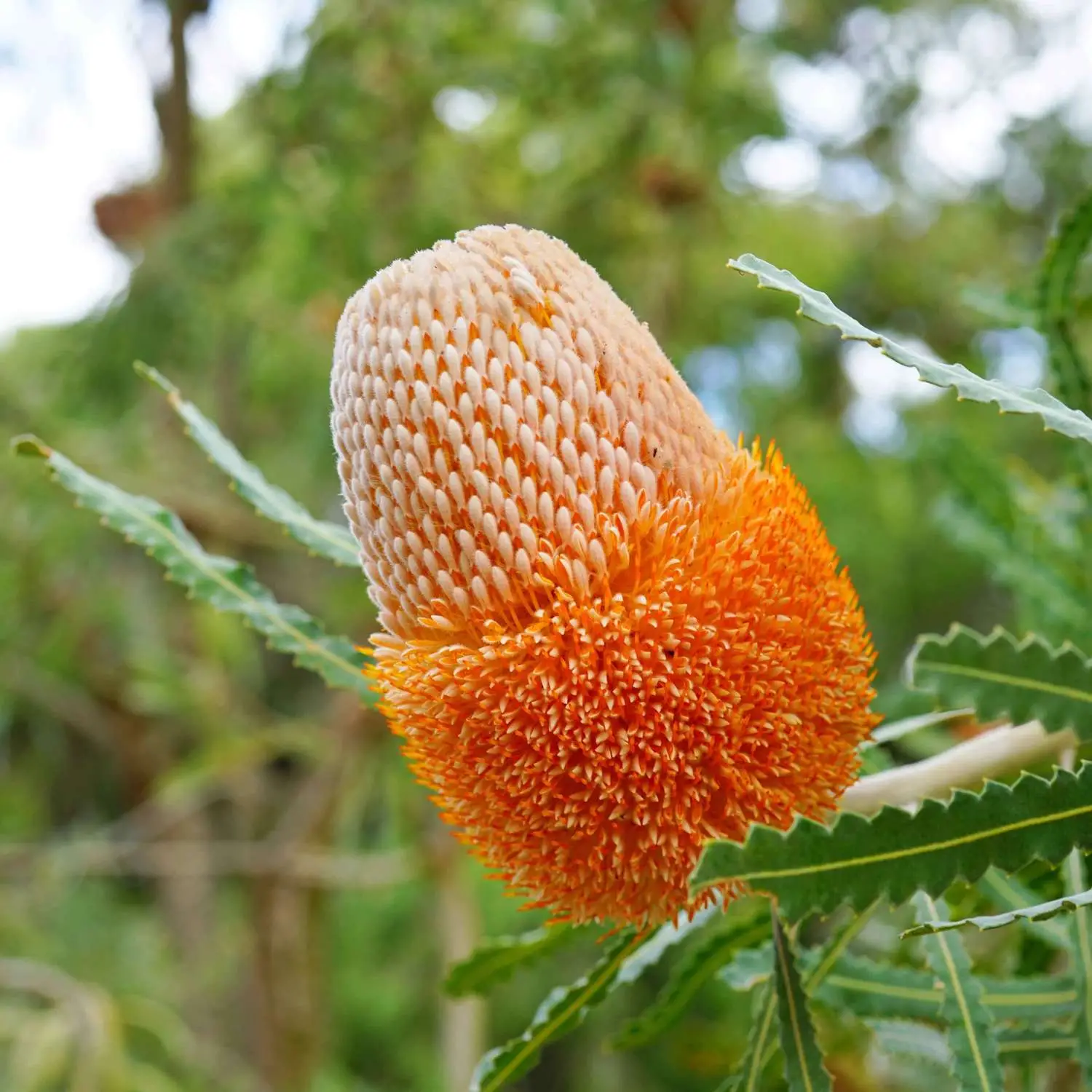
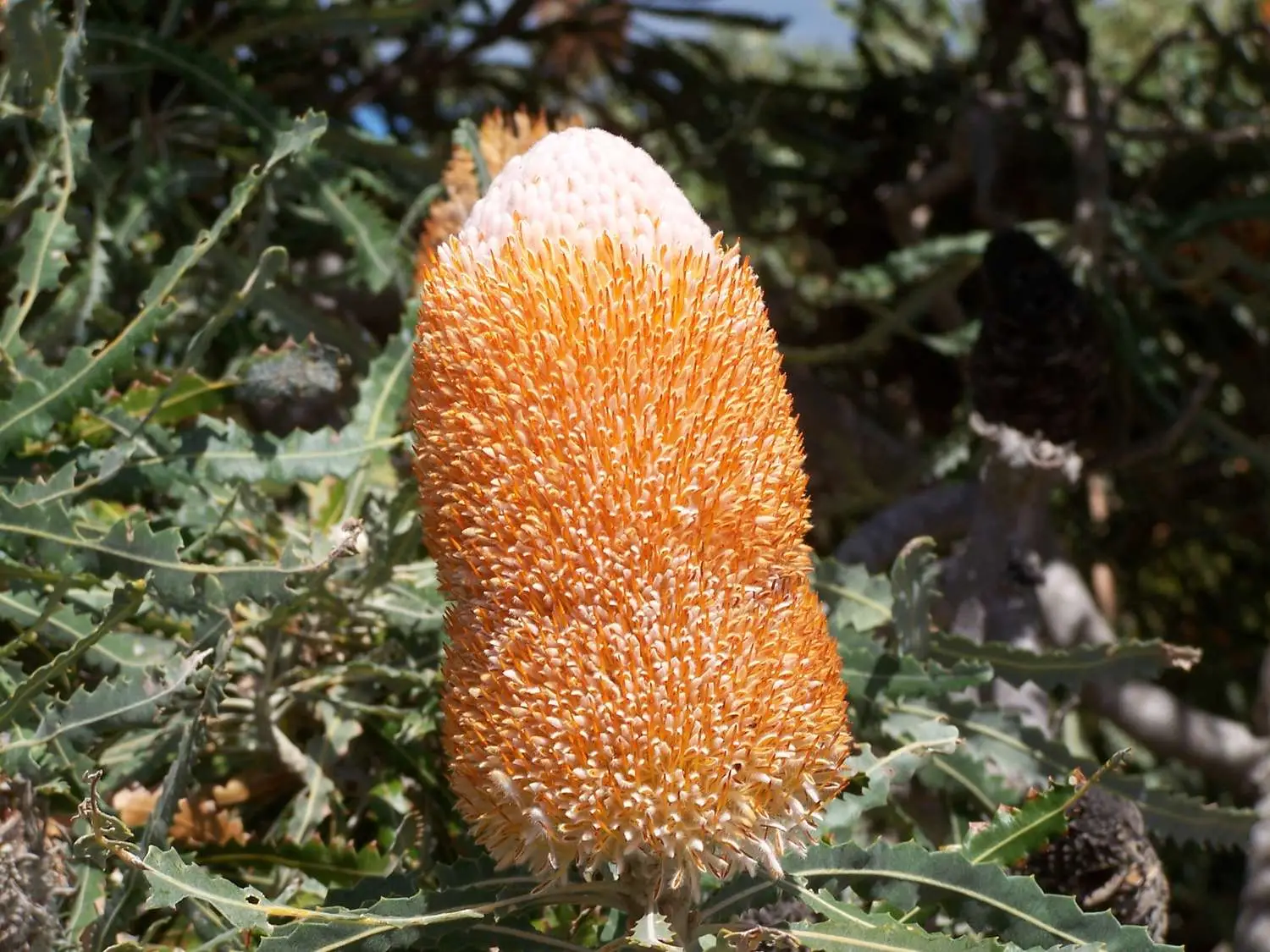
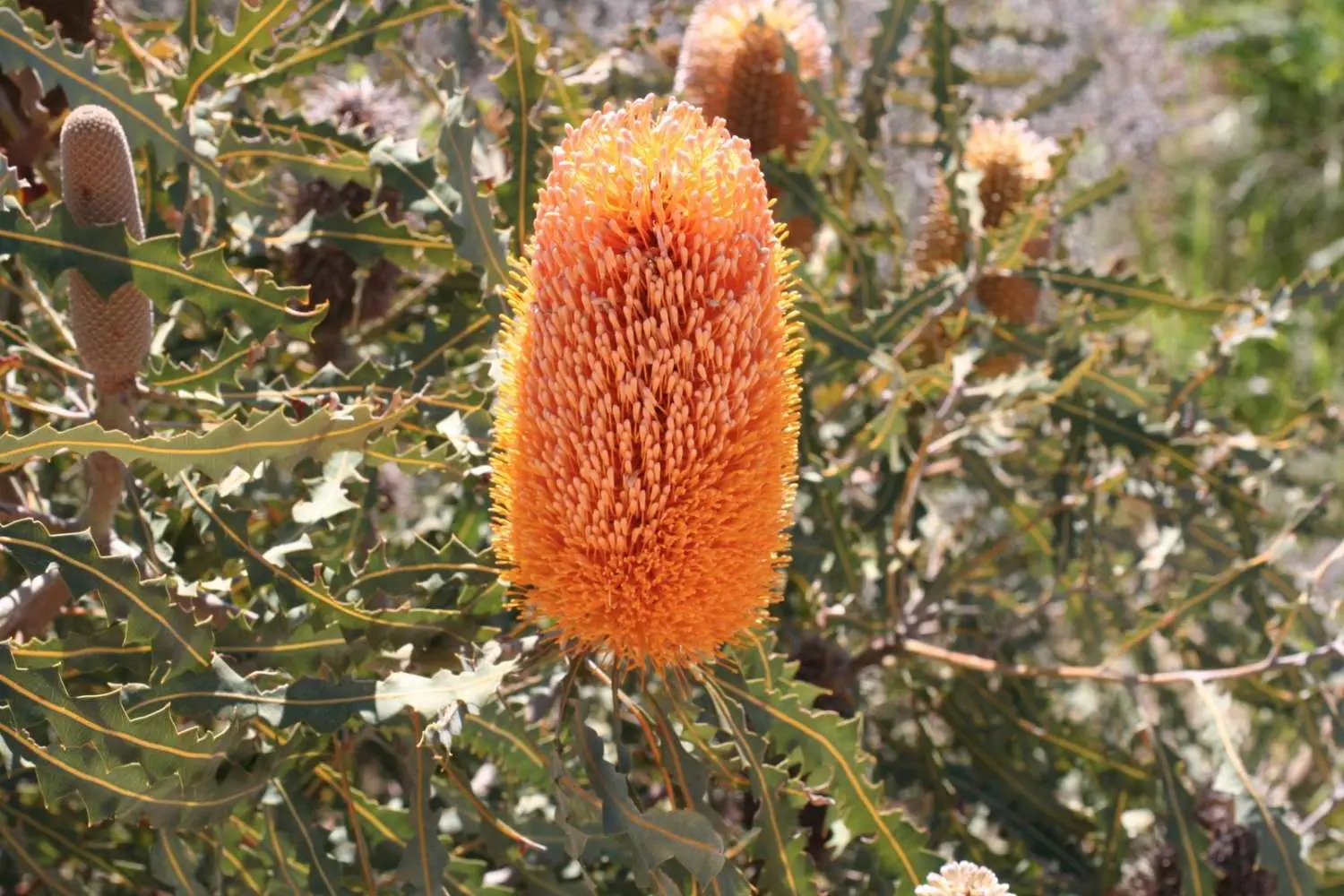
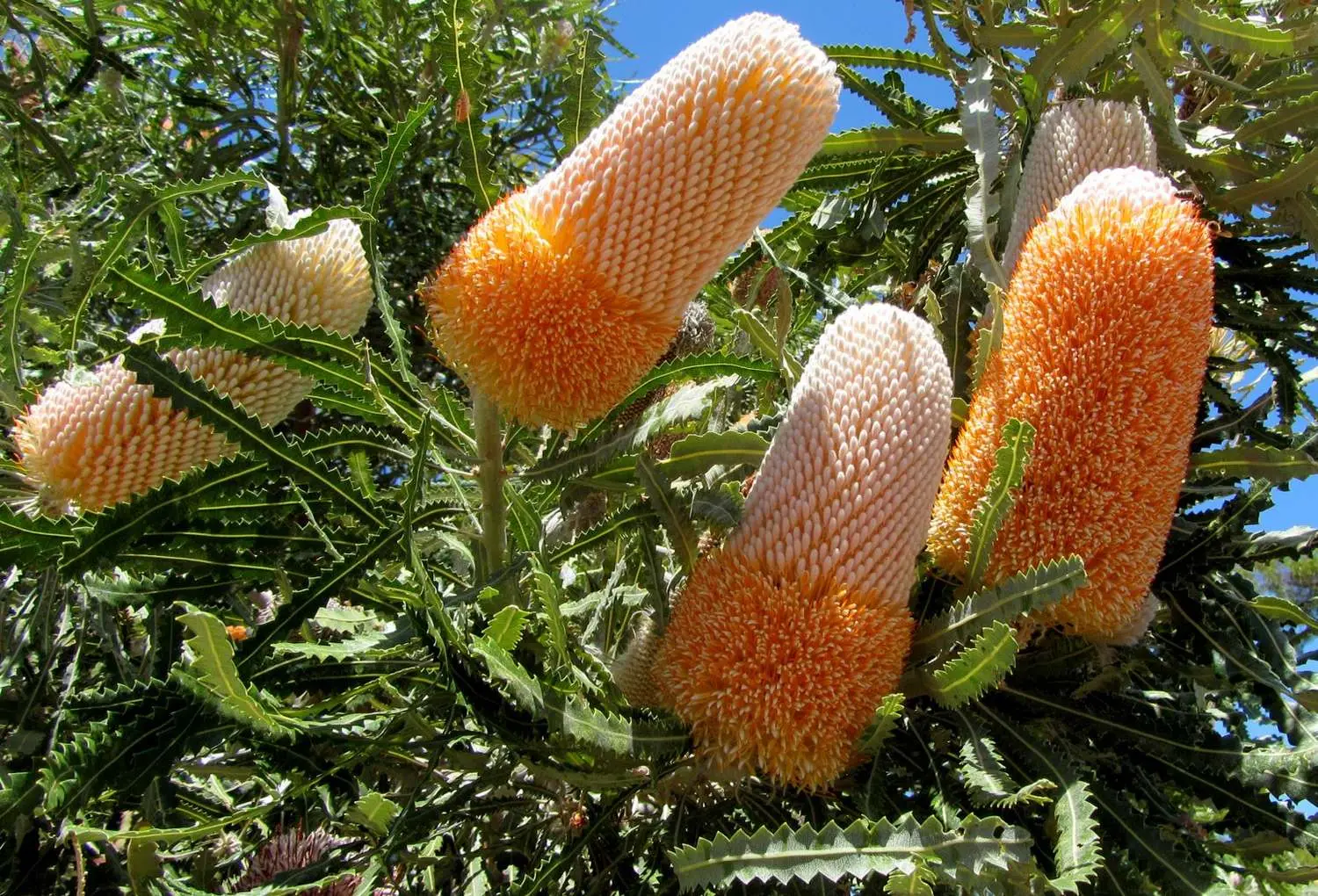
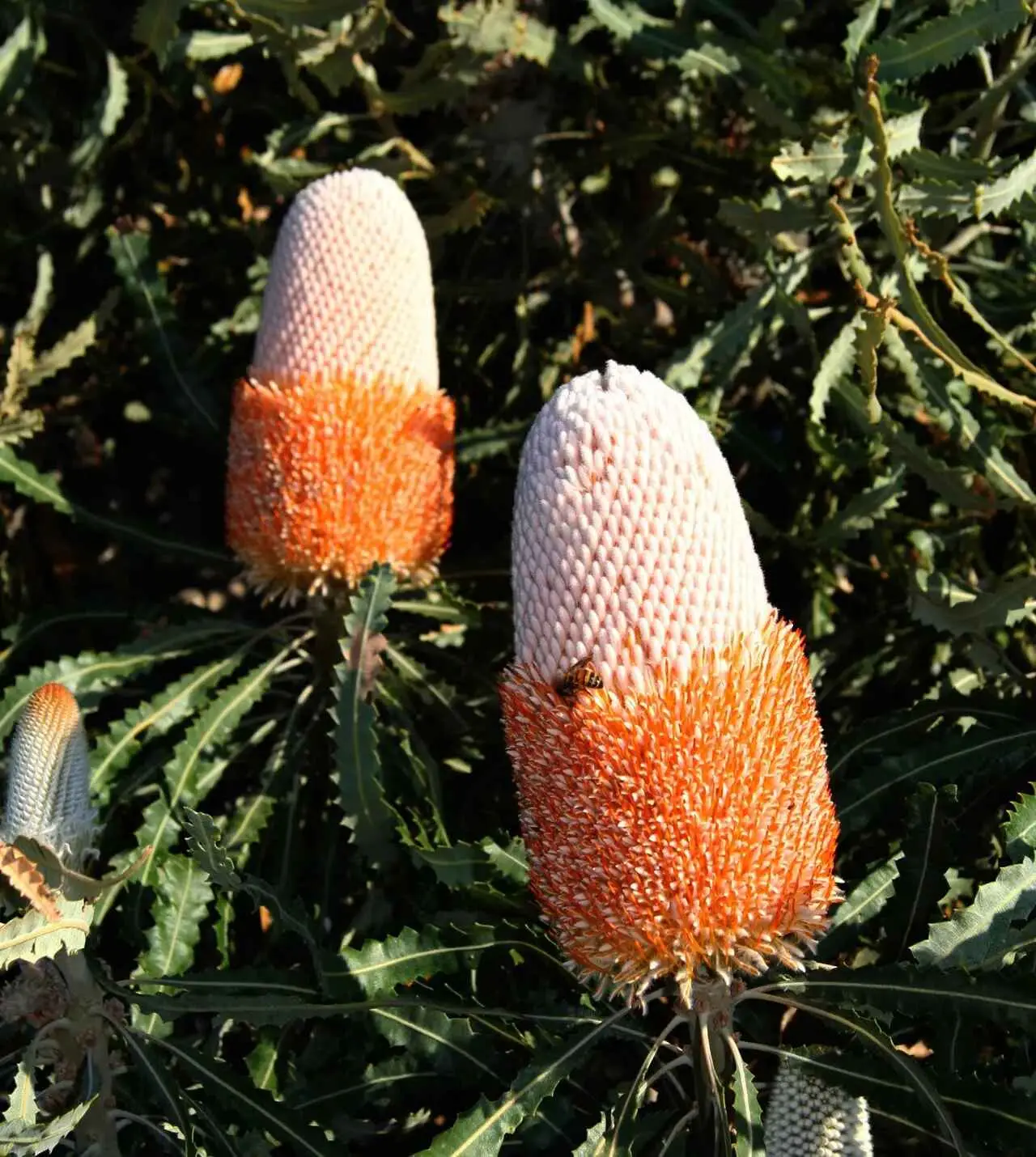
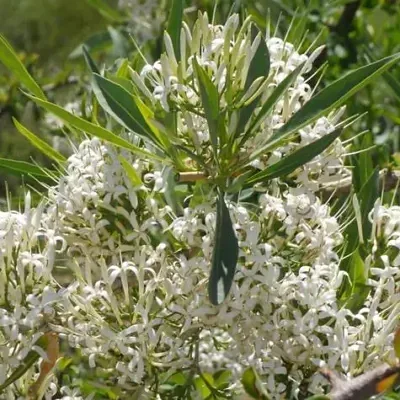
Banksia prionotes, commonly known as the acorn banksia or orange banksia, is a species of shrub or tree native to the southwestern region of Western Australia. It belongs to the large and diverse Banksia genus in the Proteaceae family. The plant is highly valued for its striking flower spikes and is a popular choice for gardens and the cut flower industry.
The plant’s common name, acorn banksia, is derived from the appearance of its flower spikes before they fully open, which resemble a large acorn. These impressive cylindrical spikes, up to 15 cm long, initially appear creamy-white due to a covering of fine hairs. As they open, they reveal a brilliant orange-yellow color, providing a dramatic contrast and making the plant a beacon for nectar-feeding birds. The leaves are long, narrow, and deeply serrated. Banksia prionotes is a “reseeder” that is typically killed by fire but relies on its seeds, stored in woody follicles, to regenerate the population after a fire event. It is well-adapted to the sandy, well-draining, and nutrient-poor soils of its native habitat.
Germination Guide
🌍 Southwestern Western Australia
Easy
Banksia prionotes, commonly known as acorn banksia or orange banksia, is a native Australian shrub or small tree reaching up to 10 meters in height. Named for its acorn-shaped flower buds that gradually open to reveal bright orange cylindrical flower spikes, this species is valued as an ornamental plant and important cut flower. Seeds germinate readily without pre-treatment, typically within 14-40 days at optimal temperatures of 20-25°C.
Germination
Germination time
Expect germination in
14 – 40 days
Temperature
Min 19°C
Ideal 20°C
Max 25°C
Substrate moisture
💧 Medium
Sowing depth
Lightly covered
Substrate & Container
Recommended substrate
Perlite to peat 3:1 or well-draining seed-raising mix with vermiculite
Recommended container
Individual containers to prevent root damage during transplanting
Growing Tips
Sow seeds in individual containers to avoid root damage during transplanting. Maintain moist but not waterlogged substrate throughout germination. Best sowing times are autumn or spring. For pre-germination method, use closed containers with moist vermiculite at 20-25°C for rapid germination in 1-2 weeks. Do not use phosphorus-containing fertilizers with seedlings as Banksia species are phosphorus-sensitive. Keep seedlings in bright light but protect from direct sun exposure. Once seedlings reach 5-10cm height, transplant into individual pots. Do not discard seeds that fail to germinate immediately as dormant seeds may require extended periods for optimal conditions.
Only logged in customers who have purchased this product may leave a review.

Reviews
There are no reviews yet.